Category: Italian food

  • Italian Cookies? Yes, Please! Here’s What We Learned From the Cookbook “Italian Cookies”

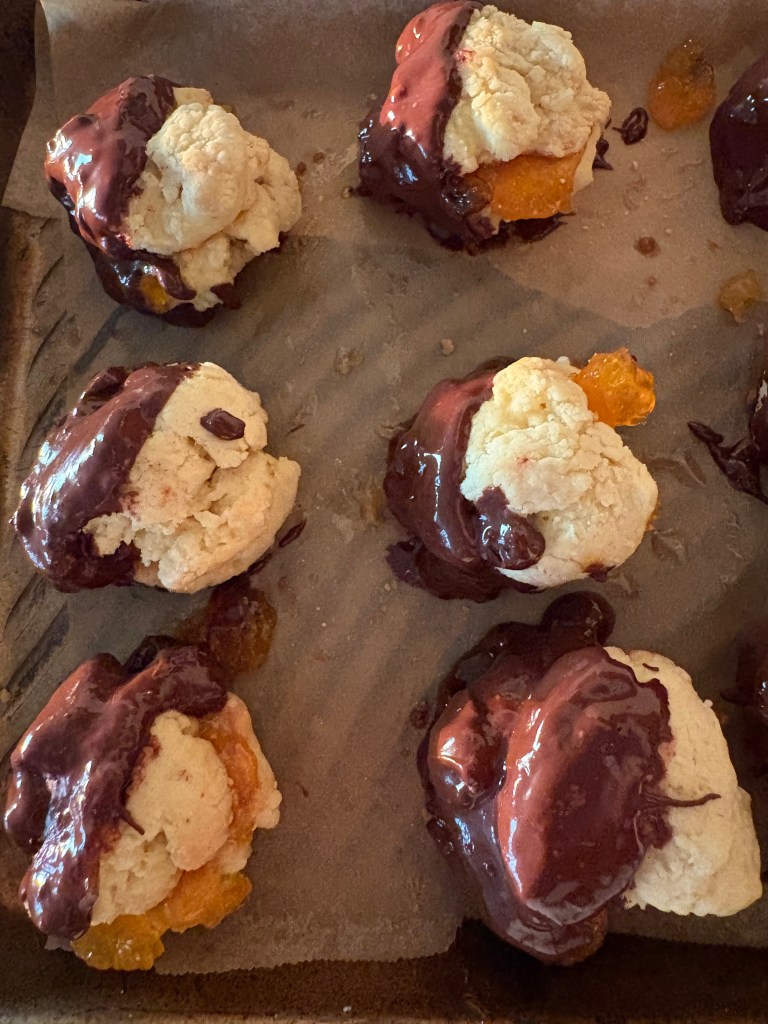
    A chocolate and apricot jam-based cookie from Calabria in Southern Italy.

    If you’re like me and you would say “Si” to trying just about any type of Italian food, including cookies, then have I got a cookbook to recommend to you.

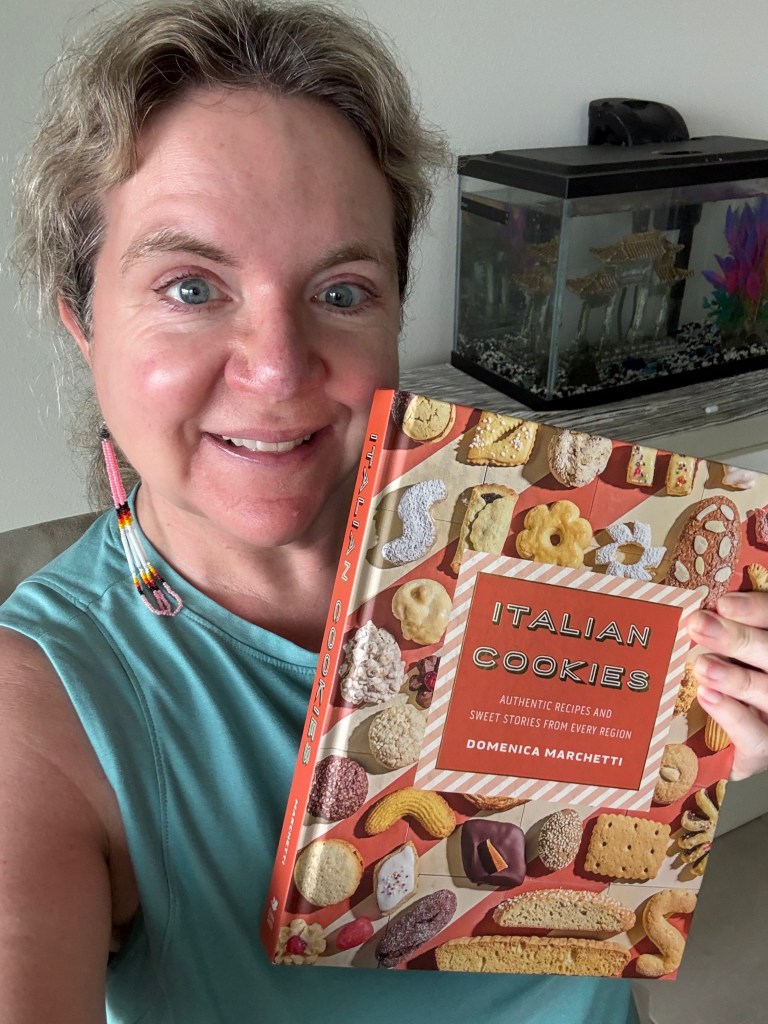
    “Italian Cookies: Authentic Recipes and Sweet Stories From Every Region,” by Italian American cookbook author Domenica Marchetti, just published this April and is chock full of dozens of cookie recipes divided by region: north, central, south, and the islands (Sardinia and Sicily).

    Marchetti has authored several popular Italian home cooking books, including “The Glorious Pasta of Italy” and “Williams-Sonoma Everything Italian.” She has a master’s degree of journalism (shout out to a fellow journalist!), and her writing is easy to enjoy. Marchetti splits her time between the U.S. and the Italian region of Abruzzo in central Italy.

    Holding a copy of “Italian Cookies.”

    Finding this cookbook was perfect for me as I continue to nerd out on all things Italy but especially the food.

    And let’s just say that cookies and me have had a special relationship.

    I learned how to bake chocolate chip cookies at a young age and have worked on just about all variations of this classic treat through the decades, having learned the original recipe from my mom and now have passed it on to my son. I even sold my homemade cookies in high school, wrapping four or eight at a time in aluminum foil.

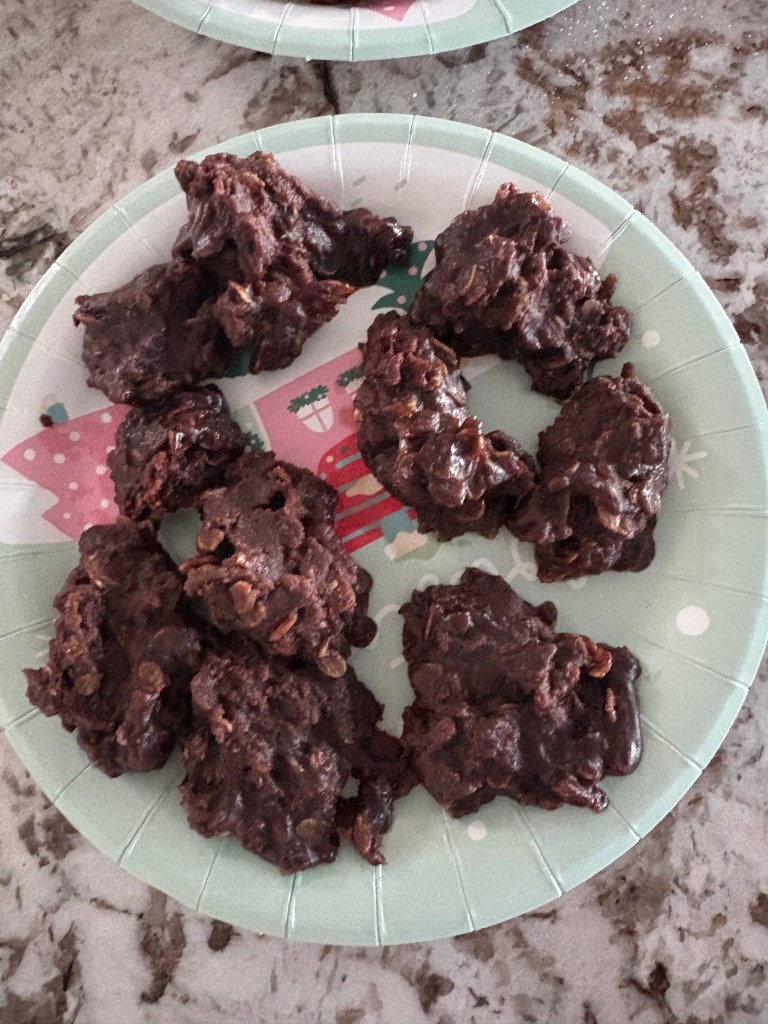
    A plate of our No Bake cookies made around Christmas time.

    I bake cookies for Christmas to enjoy with family and give away as bonus presents–treats like lemon squares, decorated sugar cookies, and my always-favorite No Bake cookies with chocolate and peanut butter.

    Coupled with my love of baking bread, I sometimes wonder if all this baking indicates a past life as a baker…maybe in Italy. Just kidding (or maybe not?!).

    Ironically, I didn’t know a lot about Italian cookies until more recently, as I didn’t grow up around those delectable Italian American bakeries common in New Jersey and New York. Buying a box full of randomly chosen Italian bakery cookies at Christmas time just last year was a real feast for the senses.

    I decided to apply my cookie-making skills to one recipe from each region in “Italian Cookies.” Here are the results, followed by a few more details about Marchetti’s cookbook.

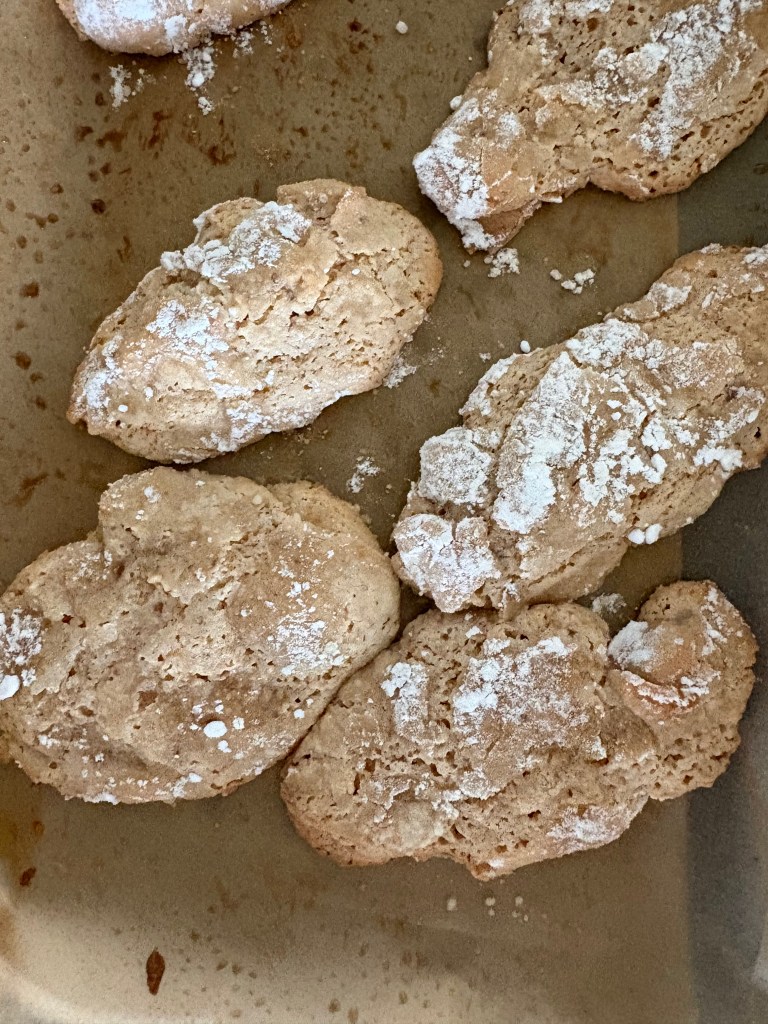
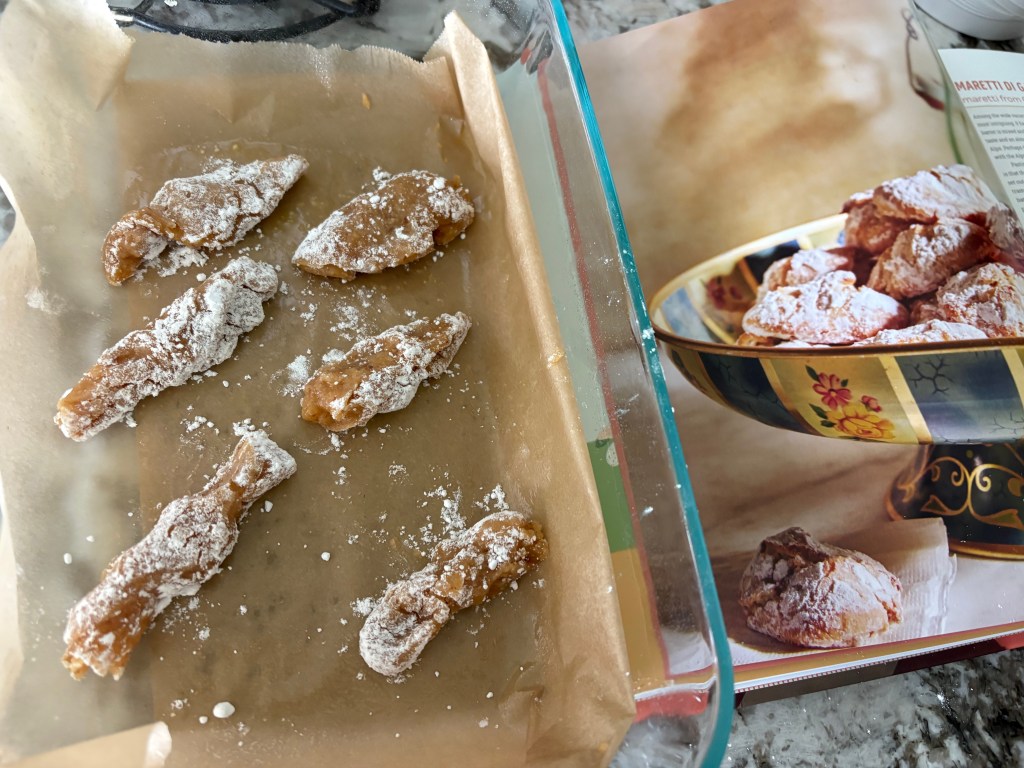
    Our puffy version of Amaretti di Gallarte.

    Amaretti Di Gallarte: From Lombardy

    One thing I learned from Marchetti’s cookbook is how almonds are commonly used in Italian cookies. The cookbook describes Amaretti from Gallarte, originating in Italy’s northern region of Lombardy, as having a meringue-like texture and a slightly chewy center.

    I found myself blanching almonds for the first time (basically, you put the almonds in boiling water and then take off the harder skins once everything cools down). Other ingredients include granulated sugar, egg whites, just a touch of honey, salt, and almond extract. You leave the dough in the fridge overnight uncovered so the batter forms a “skin.”

    Before cooking, you cover the cookies with confectioners’ sugar.

    My Amaretti before they went in the oven.

    I enjoyed the almondy taste of the Amaretti, although the shape of the cookies was not as perfect as in the cookbook. That’s because I didn’t have the piping bag to shape the cookies nicely. Still, I was happy with my first attempt at Amaretti, a type of cookie you’ll find in all sorts of variations around Italia.

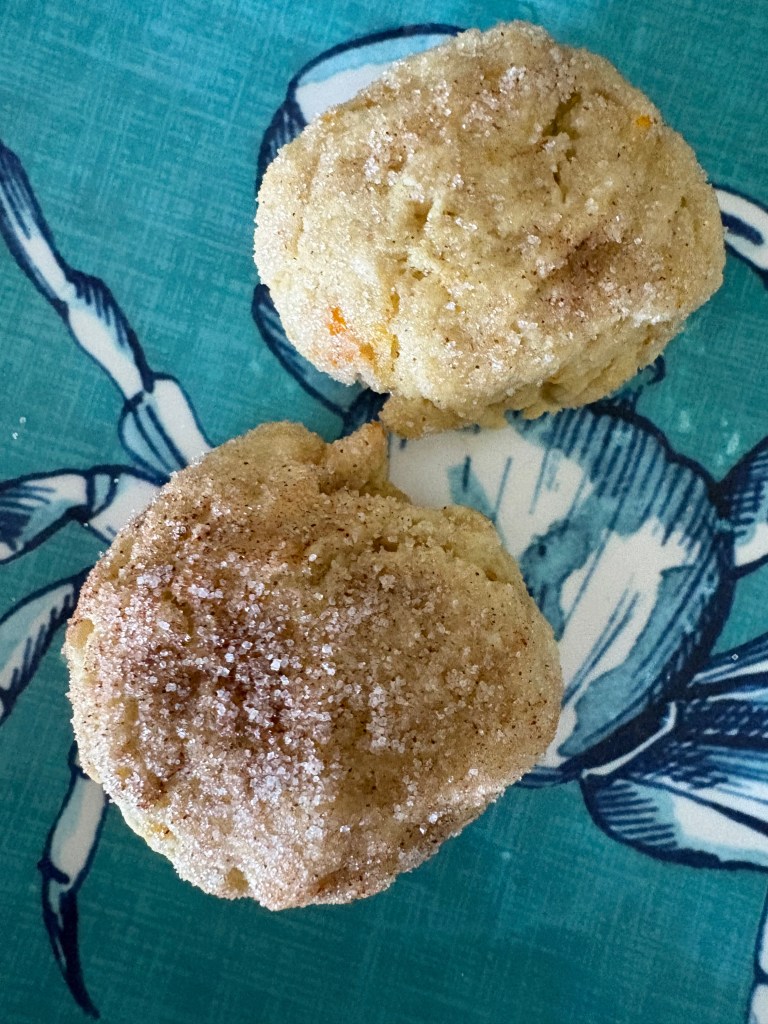
    Our version of Biscotti Della Nonna.

    Biscotti Della Nonna: From Umbria and Other Italian Regions

    Biscotti Della Nonna means Nonna’s (Grandma’s) Cookies. My Southern U.S. grandmother, a master cook and baker, never baked these cookies but she probably would have aced them if she had the recipe.

    This recipe includes granulated sugar, an egg, extra-virgin olive oil, milk, orange zest, and a few other dry ingredients. You mix it all together and roll the dough into circles or ovals before flattening them down and coating them with a simple cinnamon sugar mix.

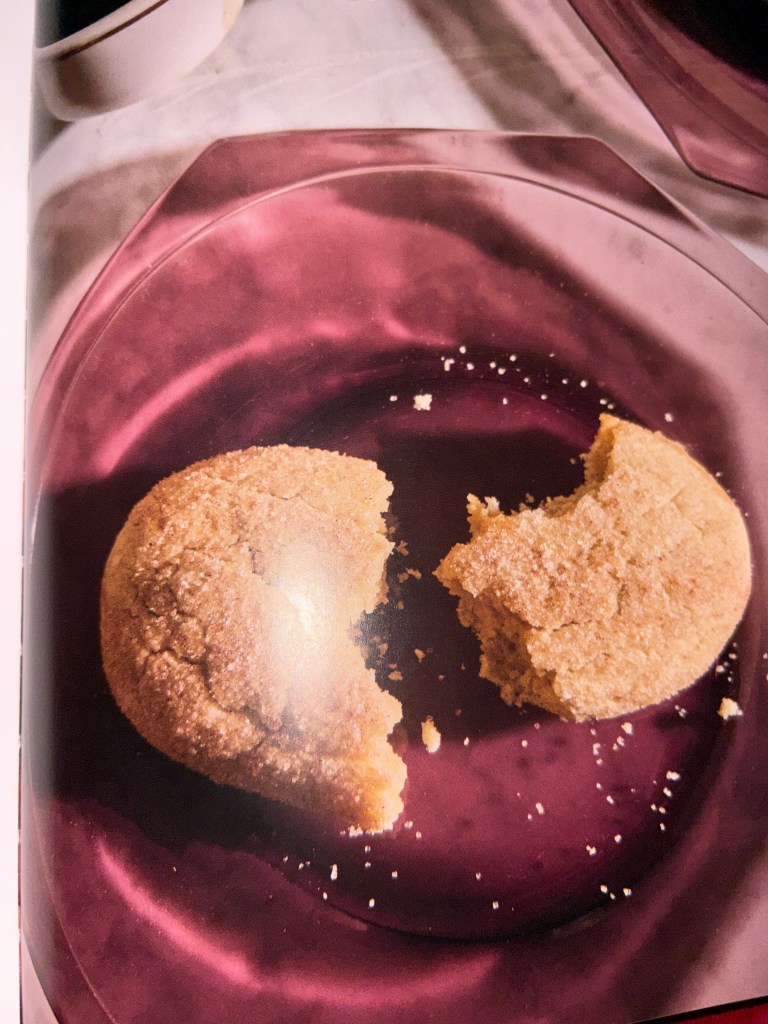
    A picture of Biscotti Della Nonna in the cookbook.

    The Biscotti Della Nonna were tasty, slightly bigger than I thought they’d be, and would do great with a cup of milk or even coffee. Marchetti even points out that they are good for dunking into your chosen beverage.

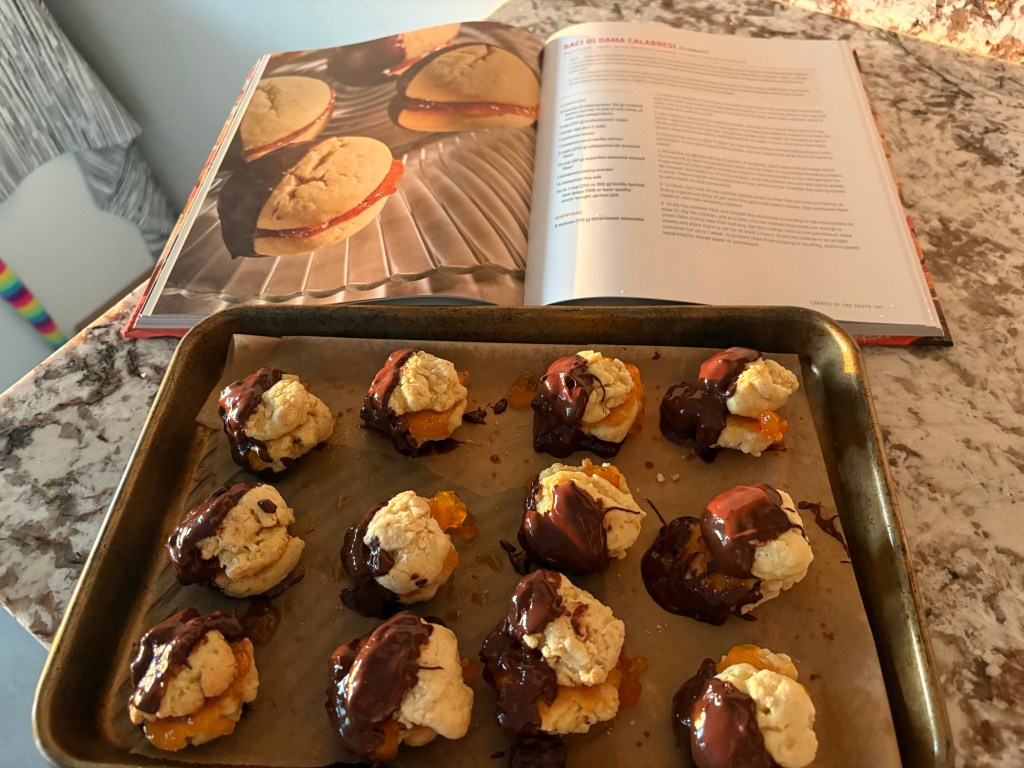
    Our favorite cookie of the whole bunch: Baci Di Dama Calabresi.

    Baci Di Dama Calabresi: From Calabria

    All of the cookies were good, but this one was the biggest hit.

    The name translates directly to Lady Calabresi’s Kisses, or you can describe them as Apricot Jam and Bittersweet Chocolate Kisses.

    This cookie was a little more involved because I had to make the top and bottom of the cookie, add jam in the middle and then dip about half of it in chocolate (the fun part!).

    With the butter involved, I felt like I was on more familiar cookie-making territory. The main cookie part uses other standard ingredients, including eggs, vanilla extract, and honey.

    Then, as mentioned, there’s the apricot jam in the middle along with melted bittersweet chocolate for coating. The recipe actually calls for Vanilla Apricot Jam and has a recipe for that in the cookbook, but I went with the simpler option of a best-quality store-bought apricot jam.

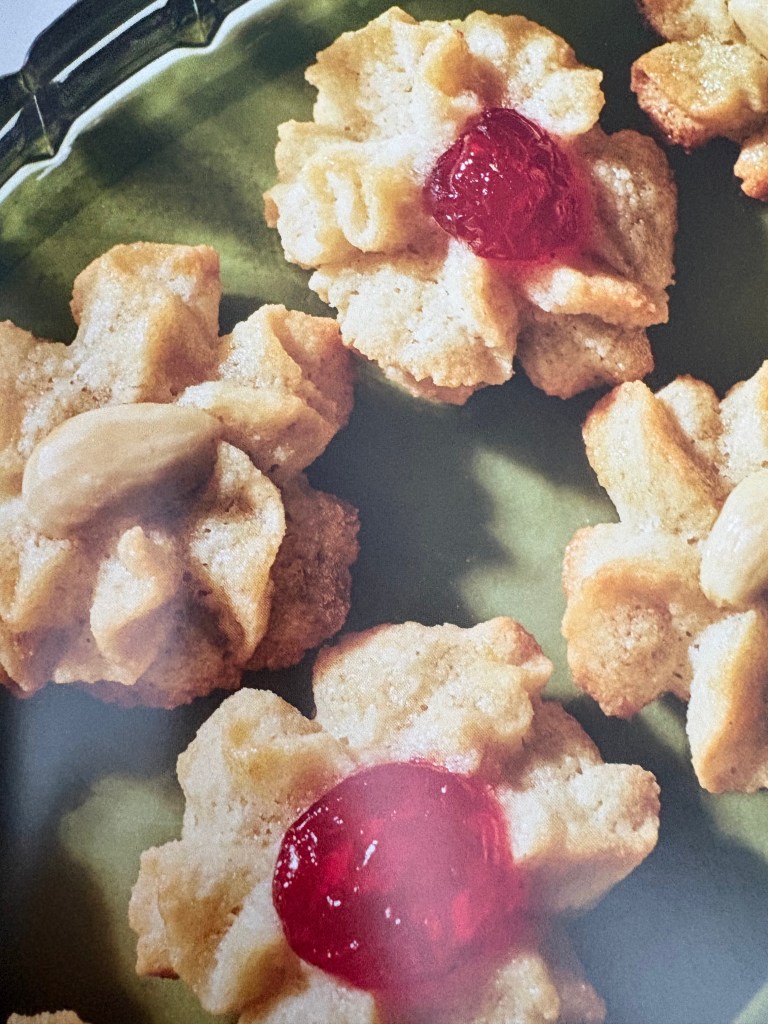
    Yum, Pasticcini Di Mandorla as seen in “Italian Cookies.”

    Pasticcini Di Mandorla: Sicily

    Last but not least, I gave some love to la Sicilia bedda (beautiful Sicily in Sicilian) with these Pasticcini Di Mandorla, or Little Almond Cookies.

    The recipe calls for almond flour (a first-time purchase for me) along with sugar, salt, lemzon zest, egg whites, almond extract, and amaretto liqueur–the latter of which I skipped as I didn’t have any.

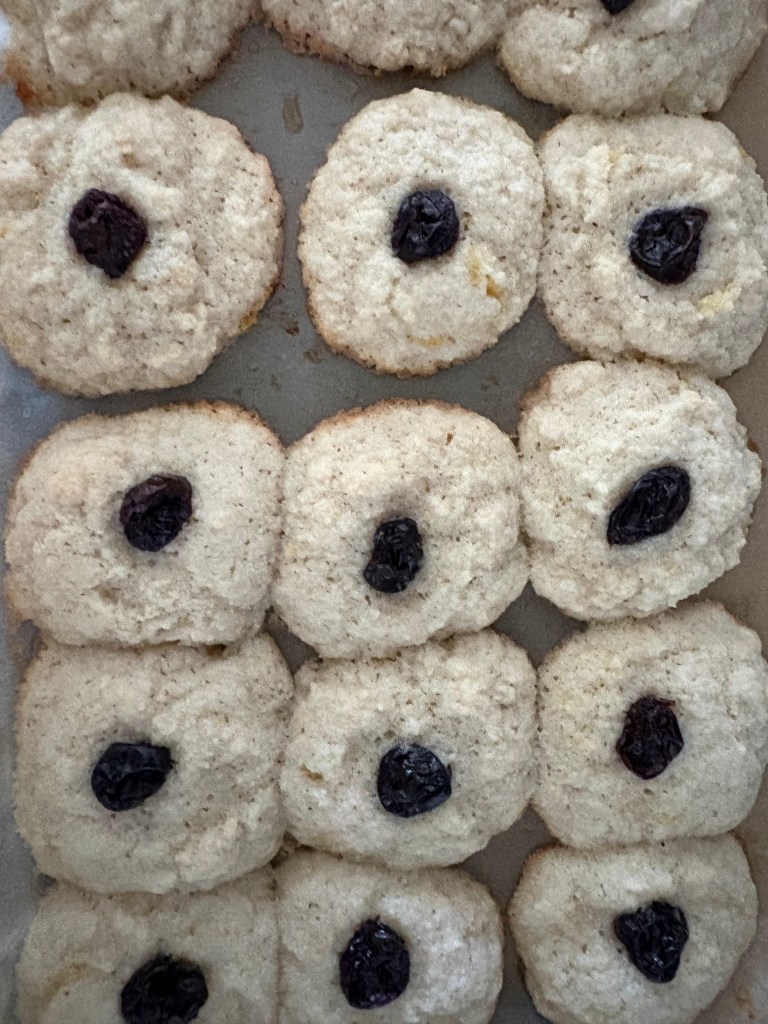
    The cookies are decorated with glace cherries or whole blanched almonds on top. I found some dried cherries at the store and soaked them in water to give them a consistency somewhat closer to glace cherries.

    Since I didn’t have the pastry bag tool to give the cookies a super-cute shape as done in the cookbook, I just made circles.

    The cookies turned out sweet and almondy–similar to the cookies I ate a little bit too much during my time in eastern Sicily this year.

    If we’re ranking recipes, this was probably my second favorite, although one day I need to get the right tools to make the cookie’s shapes and ridges.

    Kept fresh in the fridge, these cookies still tasted chewy and soft several days after I made them.

    Our overpuffed (but still tasty) version of the Sicilian cookie recipe with the dried (but soaked) cherries on top.

    Italian Cookie Making With “Italian Cookies”: The Final Verdict

    I loved this cookbook.

    For someone who enjoys reading and learning about Italian food culture, I took my time to savor (pun intended) each regional description and enjoy the accompanying pictures.

    Marchetti did a nice job of including some recipes about cookie-baking pioneers in each region of Italy. If you’ve been to Italy, you may have even visited some of the places she mentionns throughout the book or on the list of select cookie bakeries in Italy. The chapter on cookies from the islands includes information on Noto’s Caffe Sicilia, which I’ve written about before but was unfortunately closed during my off-season visit to Noto, Sicily, earlier this year.

    Marchetti provides plenty of support and resources for baking items that you may not have around the house. She explains baking tools you might need and Italian ingredients (examples: Sicilian almonds, pistachio flour, pizzelle irons) and where you can find them in person or online–important as some of the less-common ingredients may be harder to find.

    Although I didn’t take the time to find these special ingredients, I could see the value of doing so if making cookies for a special event, like around Christmas.

    Trying these recipes also taught me a few things about cookie baking beyond my Southern U.S. cooking background:

    Not all cookies need butter. This is still hard for me to accept, LOL.

    Not all cookies need chocolate.

    Almonds and sugar can serve as a great cookie base, which created a sense of deja vu from when I discovered marzipan (a paste of blanched almonds and powdered sugar) while living in northern Europe for a year during high school.

    -Italian cookies do a terrific job of incorporating local specialty ingredients. This would explain how I ended up eating a few too many cookies with pistachio or orange zest in Sicily.

    I look forward to trying more recipes from “Italian Cookies” to further hone my skills.

    Here’s a link to the book: “Italian Cookies“.

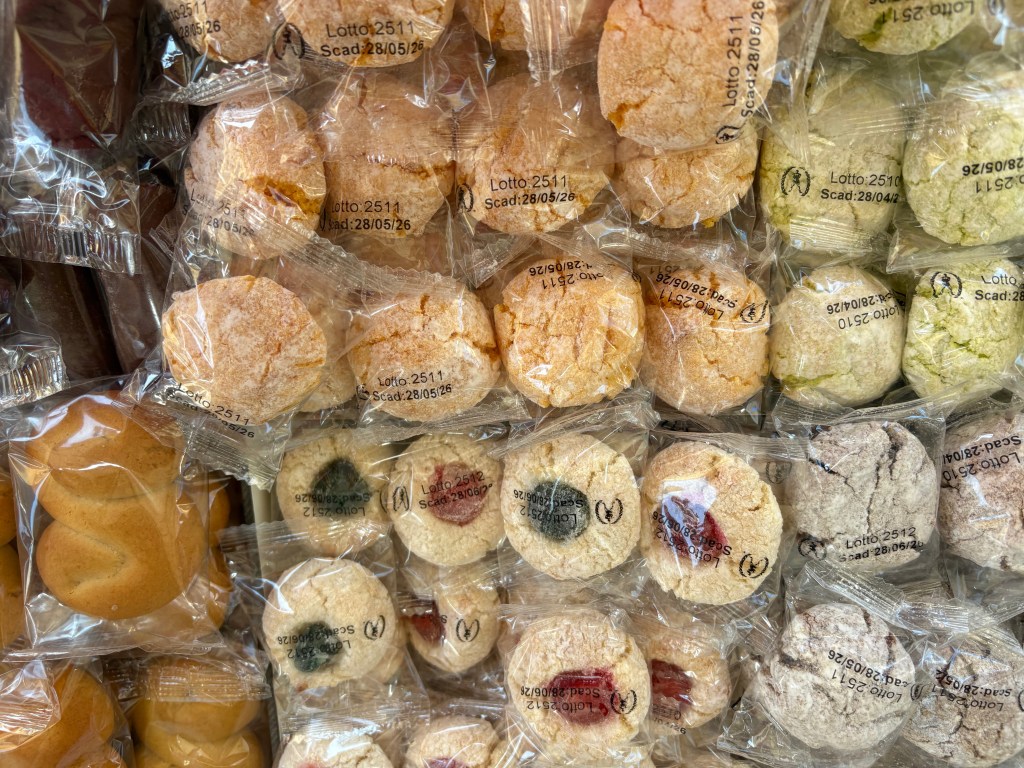
    Cookies seen at an outdoor market in Noto, Sicily, February 2026.

  • 12 Facts About Italian Food in Italy That May Surprise You

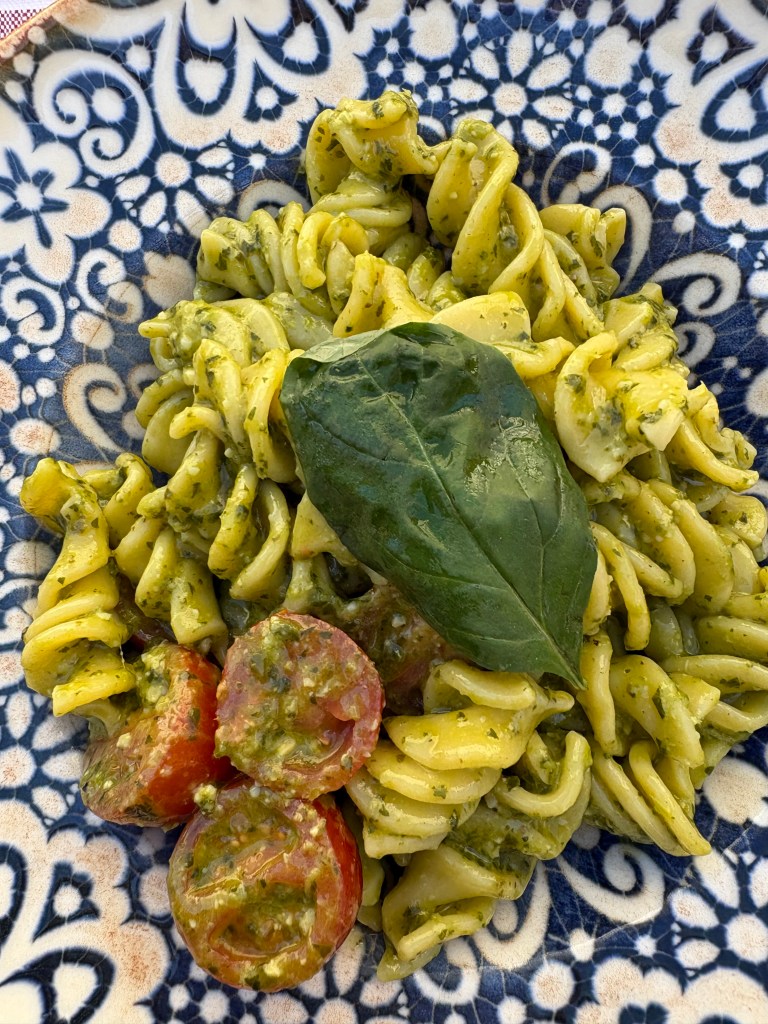
    An amazing pesto pasta dish in Florence, Italy.

    Many people outside of Italy looooovvvveee Italian food, including here at Italy Dreams. Our favorite food was pizza growing up–OK, so maybe it was Pizza Hut pizza, which would make real Italians shudder (hey, we were in the D.C. suburbs, not New York or New Jersey!). And pasta and risotto dishes are a regular part of the meal rotation at Casa di Italy Dreams.

    In any case, traveling to Italy is eye-opening when it comes to Italian food, as you start to learn what cibo Italiano (Italian food) actually is versus Italian-American food.

    We gleaned many of these tips during a 2025 visit to Italy, while others were discovered online. And we’d be happy to continue the food conversation in the future.

    You’re welcome for the yummy food pictures throughout. 🙂

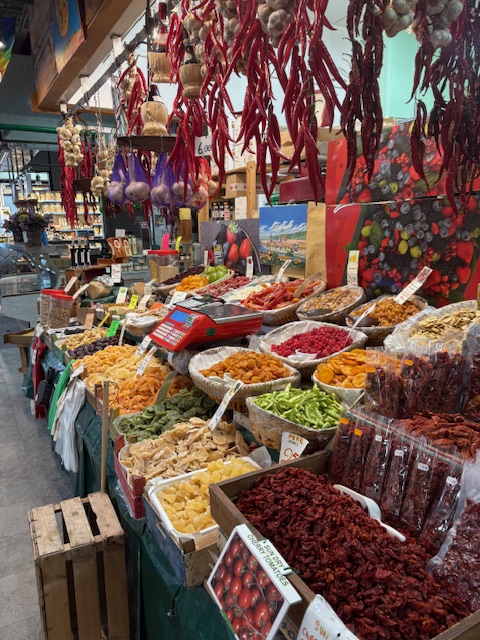
    Mercato Centrale (Central Market) in Florence, Italy.

    The Big Picture

    1. Italian food differs drastically by region.

    When we say “Italian food,” we’re making a huge generalization. That’s because Italian food can differ drastically by region. Italy has 20 different regions, each with its own distinct food, wine, cheese, bread and desserts. Heck, food can sometimes even differ by town. Pizza and pasta may be popular throughout the country, but there are even variations there. Risotto, for example, is an Arborio rice-based dish popular in northern Italy. Couscous is famous in the island region of Sicily (see tip 12).

    We’ve found the book “Rick Steves Italy for Food Lovers,” by Rick Steves and Fred Plotkin, to be particularly useful in understanding different regional foods. You’ll discover where cannoli originally are from (Sicily), where cinghiale (wild boar) is most common (Tuscany), and lots more.

    2. Eating local is a way of life.

    In the U.S., we like to tout that we’re eating local if we’re eating a dish with produce grown within our state or region. In Italy, eating local takes on a whole different meaning. The whole meal may come from the town where you’re eating the meal. The person preparing the meal may have even picked the produce or helped raise the chickens. It’s no wonder that Italian cuisine is known to be so yummy, with such fresh and in-season ingredients.

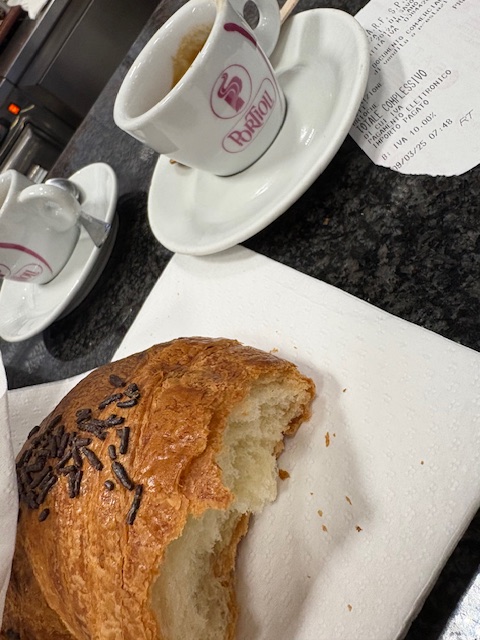
    A crossaint and an espresso is a typical Italian breakfast option.

    Eating Breakfast/Colazione

    3. Breakfast is light.

    Let’s face it, Italians as a whole stay slim for all the food that they eat. One secret may be that they keep their breakfast, or colazione, light. Un cornetto e un espresso–or a crossiant and an espresso–is a common Italian breakfast. Some may add yogurt or fruit as well.

    4. A latte will get you milk, not coffee.

    The word latte means milk in Italian. For Starbucks fans like us, latte means something different, right? It’s what you order when you want a coffee-and-milk combo. So, don’t walk into an Italian food establishment or bar and ask for a latte unless you want just milk. And you may want to study other phrases for ordering coffee, as saying the wrong phrase could lead you to an alcohol-infused drink (which, hey, you may still enjoy).

    Breakfast pastries at a shop in one of Milan’s train stations.

    5. Italians don’t nurse a coffee all day.

    Like many Americans, we at Italy Dreams find it comforting to nurse our coffee for awhile, like it’s a baby that needs affection. Italians–not so much. Those espressos are small and meant to be consumed rapidly. Keep in mind that they also pack a caffeine punch. So, what they lose in “coffee nursing” time, they still make up for with a caffeine jolt.

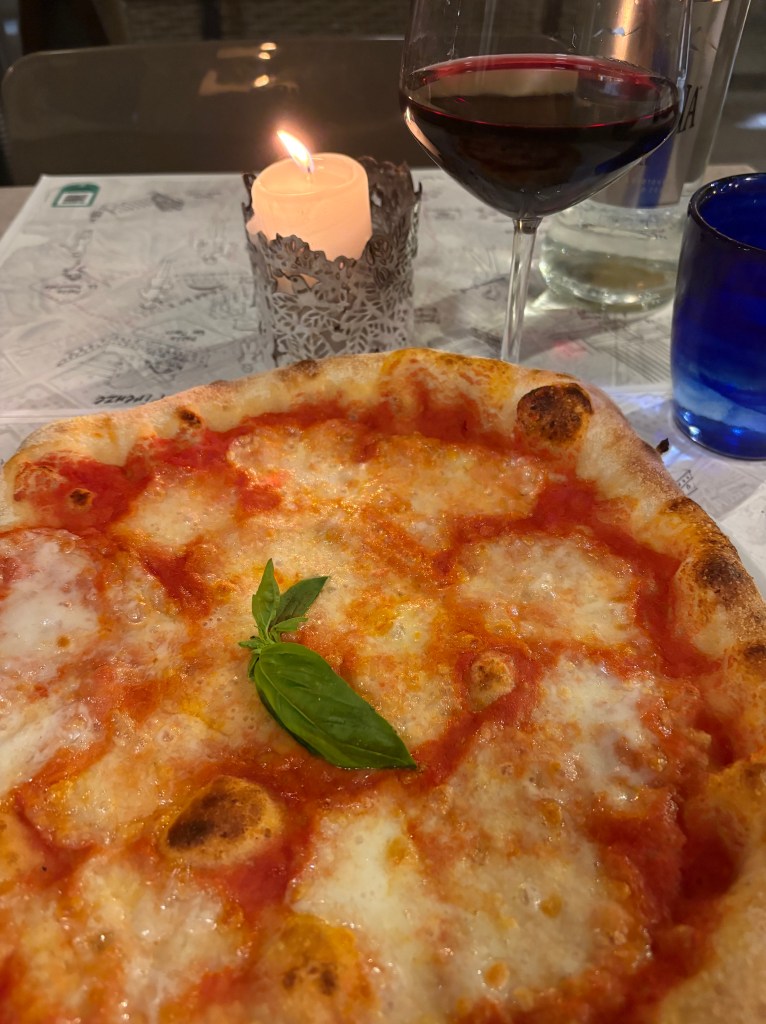
    We hear that Italians drink beer when they have pizza–but this combo of pizza and vino was still a delight.

    Pizza & Pasta

    6. Italians eat a lot of pasta.

    This fact may not be too surprising. After all, pasta is perhaps Italy’s best-known food. However, did you know that the average Italian eats 50 pounds of pasta (23 kilograms) a year? That compares to 20 pounds a year in the U.S. on average per person–which is still a heck of a lot of pasta.

    The cool thing is that Italians have so many different ways to prepare pasta–and so many different types. Just go to a supermarket or other market of choice while you’re there to see what we mean.

    7. Italians like their pasta al dente–and they eat it with a fork.

    Al dente means “to the tooth.” The end result is pasta that’s still a little firm when eaten. Overcooked pasta is not common. And don’t cut your pasta with a fork and knife! They will use a fork to eat their pasta, thankyouverymuch.

    One quick kind-of-related story: We once taught English to a group of Italians here in the U.S. and mentioned that we put olive oil in the water as we cooked pasta. The look of horror on their faces could have stopped a ghost. We learned that day that salt goes in the water to cook pasta, and the olive oil goes on the pasta afterwards.

    8. Don’t look for pepperoni pizza or Hawaiian pizza in Italy.

    Italians in Italy aren’t seeking out pineapple on their pizza. They also aren’t fans of pepperoni pizza like we are here in the U.S. However, you can get peperoni pizza (notice only one “p”), which will get you a pizza with bell peppers. You also can get pizza diavola, or Devil’s Pizza, which uses spicy salami that resembles pepperoni as we know it.

    9. You’re not at Olive Garden anymore, Toto, so there’s no dipping bread in oil and vinegar.

    You may get bread with your Italian meal, but Italians commonly use it to dip into the sauce and oil leftover from the pasta or other dish they’ve eaten. This practice is called fare la scarpetta, which means to make a little shoe. Cute.

    There’s not usually garlic bread either. Sorry.

    A pasta dish in Florence, Italy.

    10. You also won’t find spaghetti with meatballs.

    However, you can order meatballs as a separate dish called polpette.

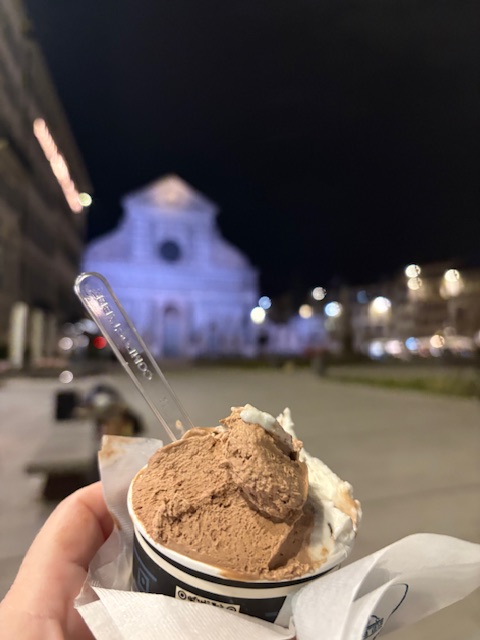
    Gelato outside Santa Maria Novella in Florence. Yummm……

    Miscellaneous

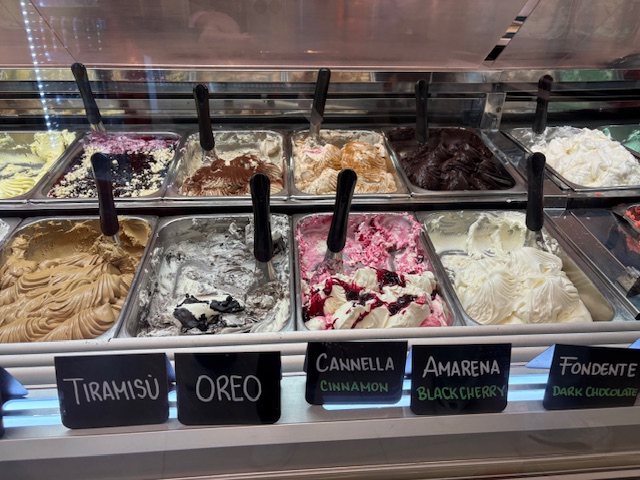
    11. Gelato isn’t the same as ice cream.

    There’s a lot of gelato around Italy, and for good reason. It’s soooooo good. But it’s not the same as ice cream. Gelato is actually made with more milk than regular ice cream and doesn’t include eggs. It’s also denser. Make sure to look for gelato that has more natural colors versus bright colors (which could mean that the gelato was dyed).

    12. There’s a Couscous Fest in Italy that you might want to attend.

    When you think of couscous, you think of the Middle East, right? Yet couscous is actually a specialty in Sicily (among its many food specialties). There’s a Cous Cous Fest each year in Palermo, Sicily, each year attracting more than 200,000 visitors. It also brings in musical guests and has become a huge celebration.

    Hungry yet?

    Gelato as seen in a shop in Florence, Italy.