There are certain mistakes that visitors often make when they plan a trip to Italy, especially as first-timers.
If you want to hop on larger tour in Italy and take a, “If it’s Tuesday, it must be Venice,” approach, kudos to you. There’s nothing wrong with that, you’ll probably have a great time.
If you’d rather arrange your visit around Italy independently—meaning, you and your travel companions decide where to go and what to do–this is the article you need.
Below, we share six travel mistakes to avoid when planning a trip to Italy.
If you start to feel a little lost about your current or upcoming Italy plans as you read on, don’t worry. You can always contact us directly for Italy travel planning consultation. That’s a fancy way of saying that we’ll eye your itinerary and give feedback to help you plan a wonderful trip.
See our link here for more details and to book an appointment.
Andiamo/let’s go!
1. DON’T plan to reach all of Italy’s major cities in just a week or two
Cramming all of Italy’s highlights into a week or two is just an exercise in exhaustion. In fact, if you’re from the U.S. and you currently have an Italy itinerary, take a look at it right now. Next, cut it in half or by a third.
Here’s why: You’ll get a much richer experience if you can slow down and spend more time in the places you plan to visit.
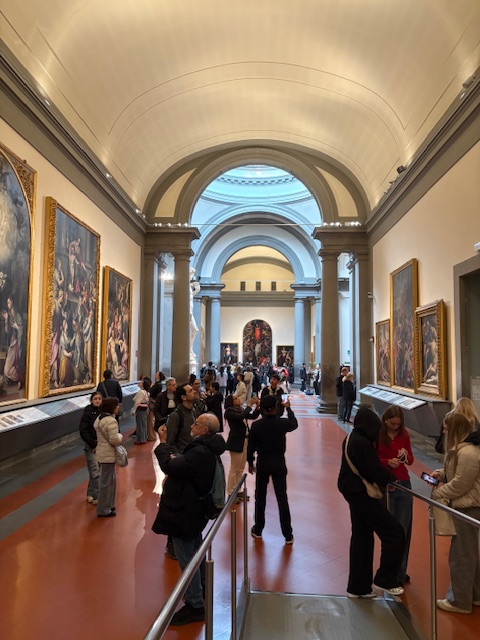
Can you hit the high spots of Rome in 3 days followed by Florence for 2 to 3 days, etc., and continue that way until you check them all off your list?
Sure—but you’ll spend a lot of time running around to get places, hopping on trains and feeling like your brain is generally spinning as you try to adjust to a new language/time/culture, etc.
Let’s face it, we Americans like to keep things moving. Your Italy trip should be a time to slow down and really absorb another culture and pace of life.
Try to choose the one—or if needed, two—destinations that are reasonably close and that you really want to see. Plan to spend your trip just in those two places. Less hassle, more time for relaxing and soaking in the Italian culture.
And here’s a benchmark from Leslie Coleman, travel expert and founder of Suitcase Gals, which focuses on small-group, luxury travel for women 40+: Aim for three to four days in each city or town you want to see. Of course, you could stay longer.
“People often overestimate how much they can do each day and this leads to a very hectic and rushed vacation,” she says.
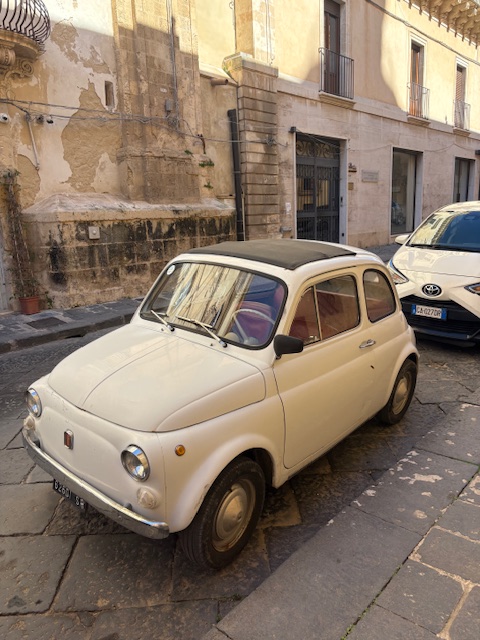
2. DON’T assume you should rent a car while you’re there
This is especially true if your trip focuses on the big cities and coastal areas. Michael Kovnick, founder and CEO of Culture Discovery Vacations, sums it up while describing a typical bucket-list trip to the Amalfi Coast, Rome, Florence, and Venice:
“Aside from how nervous Americans get driving in Italy, people end up parking in all four places. On the Amalfi Coast, parking is extremely difficult, and it’s easier to get around by boat. In Rome, they are likely to drive through multiple ZTL areas (restricted traffic areas in historic city centers) and have a stack of fines waiting when they get home – plus, it’s easier to get around by metro,” Kovnick notes. “In Florence, they will end up parking outside of the city and walking everywhere. And Venice? Well, no cars in Venice, so they park outside and walk everywhere.”
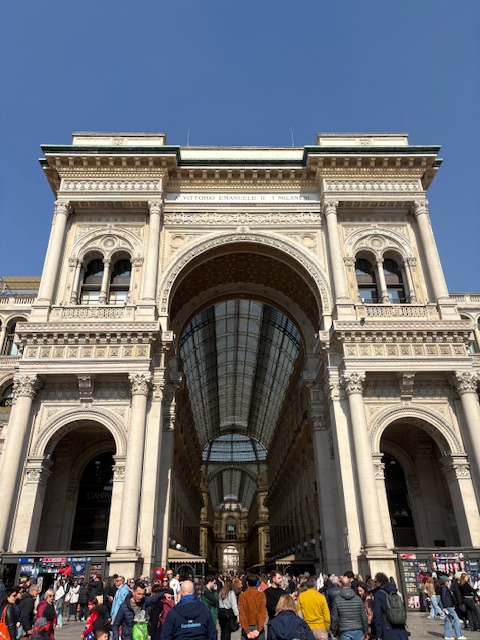
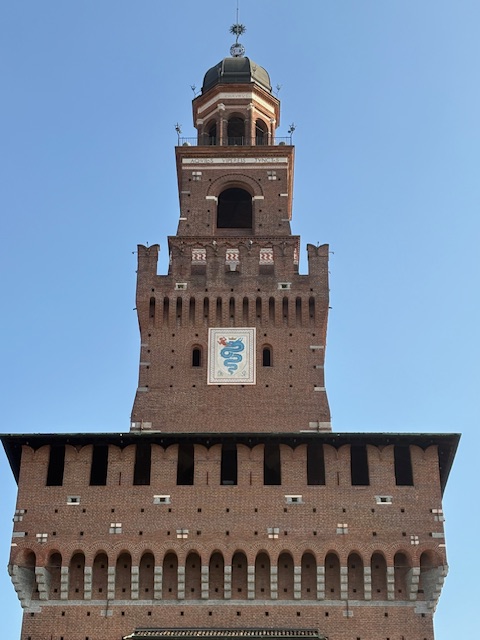
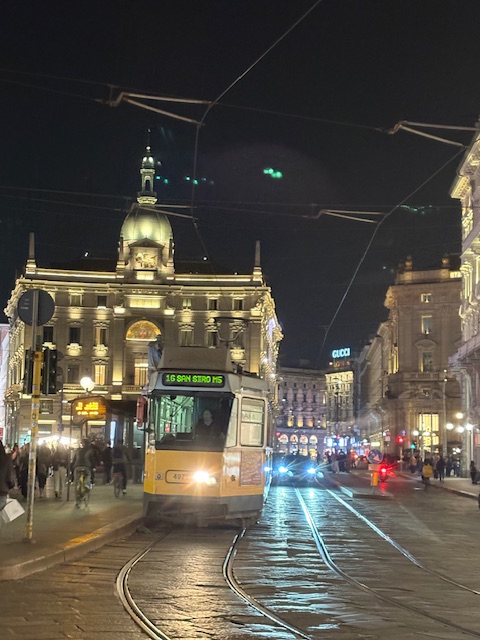
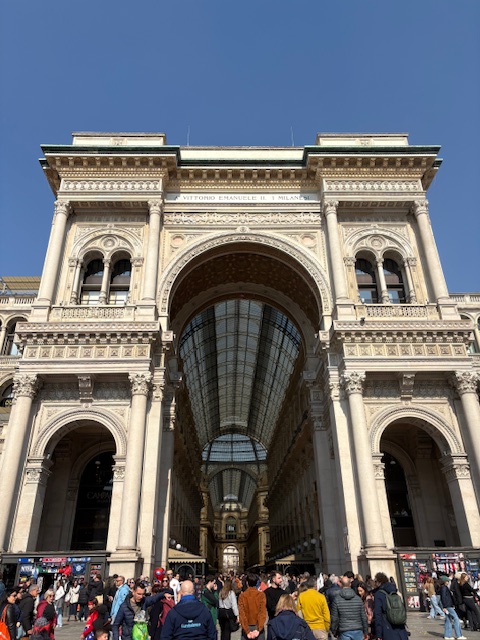
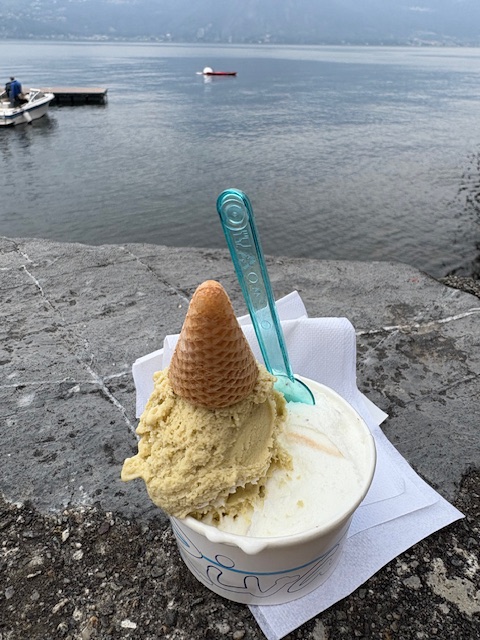
Instead, use high-speed rail to travel to or from these bigger cities. During our trip to Florence and Milan in 2025, we mostly used our own two feet and a few Ubers/taxis to get around. For Florence to Milan, we hopped on a train and then did the same thing for a day trip for Milan to Lake Como. The train was once again the best option to go from Milan to one of the city’s airports upon the return home.
The train was easy to use and the only issue was a very crowded train returning from Lake Como, thanks to everyone else taking a day trip there.
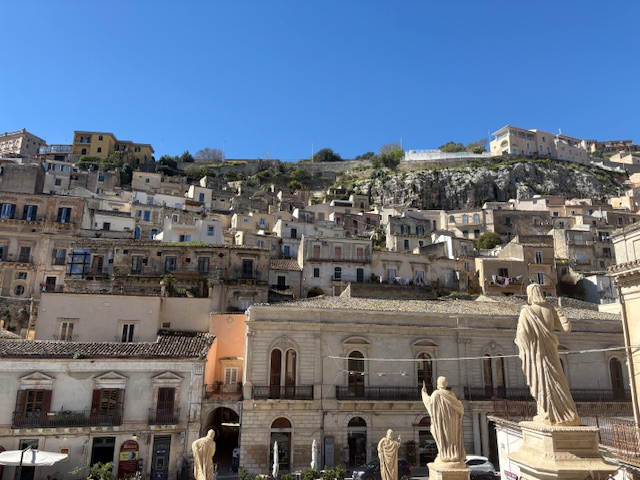
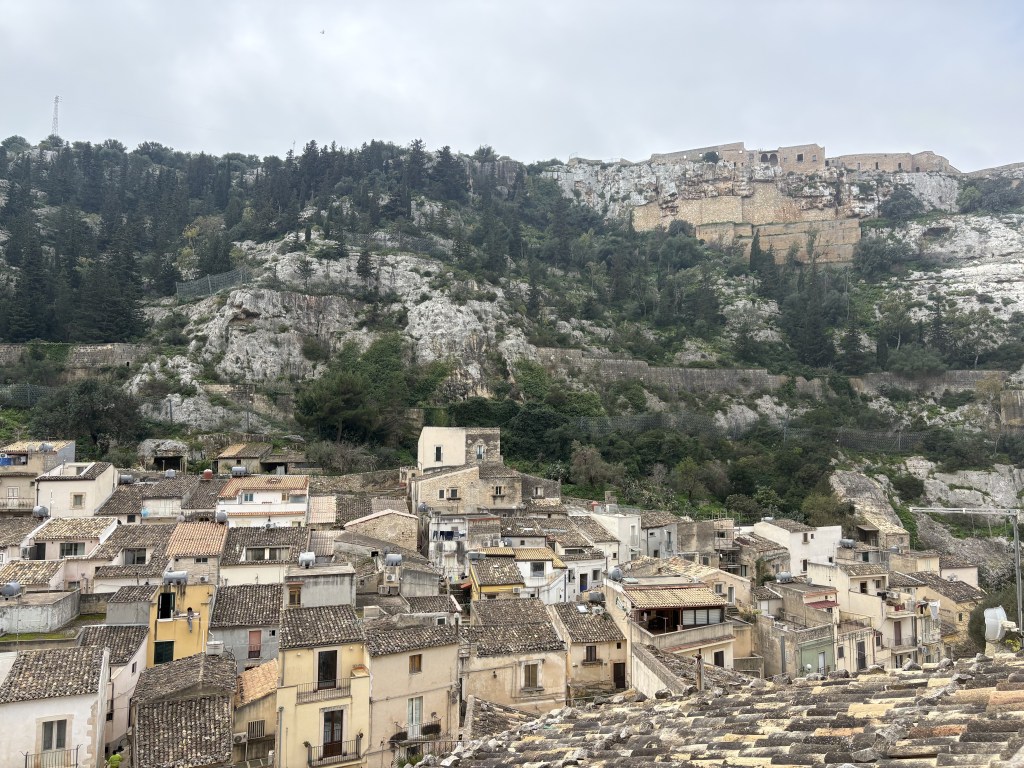
That said, there may be some destinations where renting a car would work for you, if you feel up to driving. For our trip to southeastern Sicily this year (2026), we rented a car. It was the right decision as a local recommended it, and public transportation is not as common there.
There were some nerve-wracking moments while driving on more narrow streets (the highway was fine and similar enough to the U.S.). Plus, there was that scrape on the side of a car we got along a narrow street. Oops! That’s where the insurance policy we purchased came in handy.
You can read all about our driving experience and find more tips here.
Bottom line: Generally speaking, you won’t need a car if you’re staying in or traveling to or from bigger cities. If you’ll be somewhere more rural, do a little research before deciding yes or no on car rental.
If your budget allows, you could hire a driver or use tour guides who offer day tours and will take you around.
3. DON’T rely on blogs (or social media posts) as your only information source
Logistics change quickly in Italy. The information you read on travel blogs may be outdated.
“Major cities keep changing rules, ZTL zones change all the time, and scheduled events are rarely reliable for future dates,” Kovnick notes.
One example of how quickly things change: Kovnick has to pick up passengers outside of Rome’s Fuicimino Airport regularly and finds that arrival instructions change all of the time.
Of course, we want you to use blogs like ours to plan your Italy trip. 😊 Yet a blog may be best to give you a bigger picture sense of where you want to go and what you want to do.
When it comes time to buy tickets and truly make your plans, check directly with business websites or social media for more information.
Even then, expect a little deviation from what you might see or read. It’s Italy, after all!
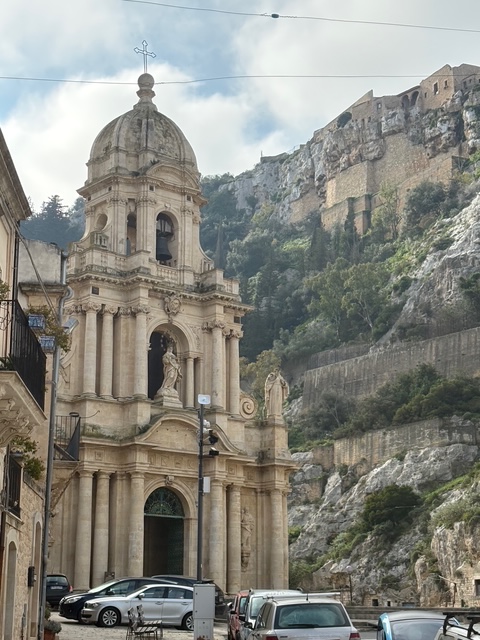
4. DON’T stick just to tourist spots
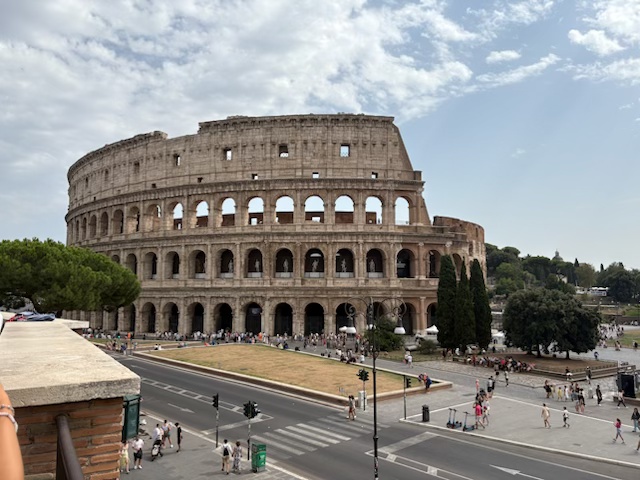
This is a big no-no we’ve seen often, and we want more people to consider this trap when planning their Italy trip. Yes, Rome, the Cinque Terre, the Amalfi Coast, etc., are amazing…but if you’re traveling in-season, you’re going to share that amazing view with quite literally thousands of other people.
In summer 2025, we wrote about a group of local cyclists going through parts of southern Italy that had practically zero tourists. Their spring 2026 trip through parts of northeast Italy was a similar experience with sparse crowds.
A few quick examples of alternatives to consider:
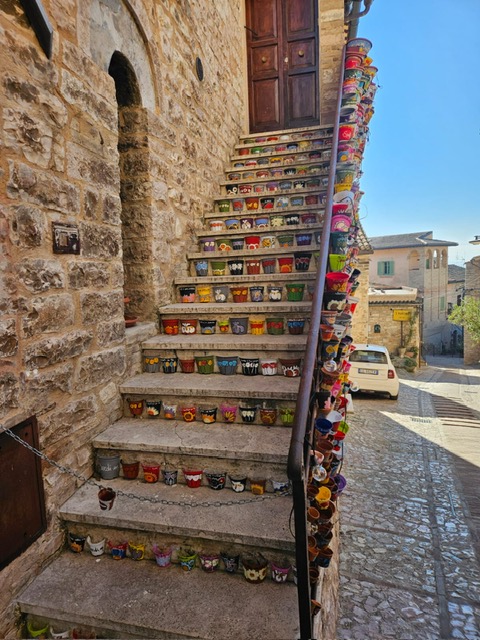
–If you like Tuscany’s rolling hills, consider Umbria.
–If you like Tuscany and Umbria, look into Le Marche.
–If you like nature and rural or even coastal views, visit Abruzzo (our Italian friends mention Abruzzo A LOT).
–If you want to visit a beloved city that gets less attention, go to Torino/Turin in Piedmont.
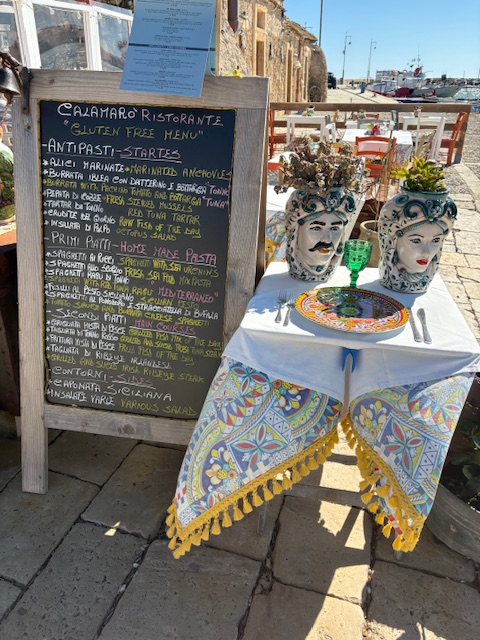
5. DON’T stick only to tourist season
If you can only make a trip to Italy when everyone else visits, then fine. You just have to put up with the crowds.
If you have any scheduling flexibility, consider visiting when crowds die down and you have a better chance of truly connecting with your destinations.
July and August have the hottest weather and biggest crowds, according to European travel guru Rick Steves. This is true of Italy but probably all of Europe.
May and June or September and October are potentially good times to visit as the crowds are down (maybe just slightly in some places) and the weather will be more pleasant. Depending on where you go, it’ll probably still err on the side of being hot.
Yet don’t neglect November to April! Would you like Christmas in Italy? Buon Natale e si! Those European Christmas markets you see on the Hallmark Channel sure would look cute in person.
Christmas aside, if you’re willing to put up with some cooler weather and a few potential closures due to off-season, November to April can still be a terrific time to visit Italy.
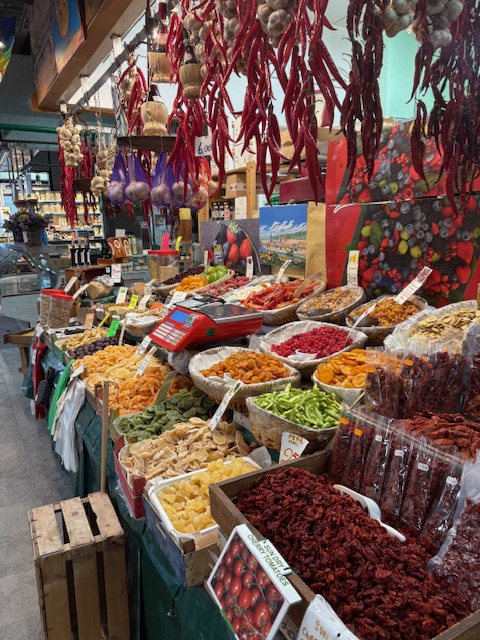
Both our 2025 and 2026 trips to Italy were in February and March. The cold was a relief from the Florida heat, and traveling there was definitely cheaper compared to peak season.
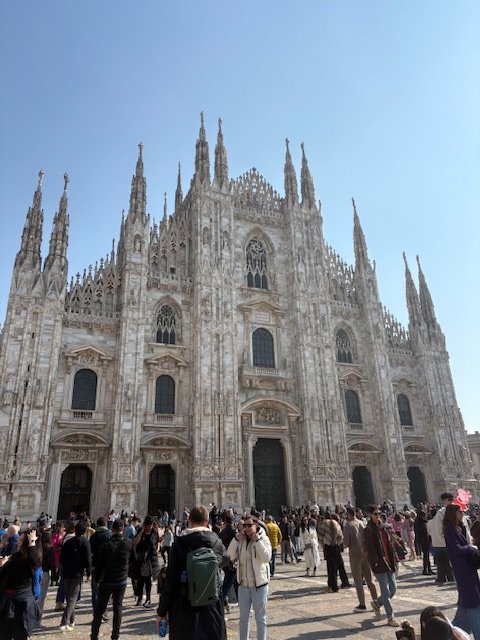
There were still a reasonable amount of tourists, especially during the March visit to Florence, Milan, and Lake Como. Yet it wasn’t the craziness you find in the summer.
In southeastern Sicily (FYI, not Taormina but areas south of there), we had places (almost) to ourselves, with a smattering of tourists mostly not from the U.S. There were several businesses closed for off-season that would have been nice to see, but we 100% got an authentic feel for the region that may have been harder to achieve in full-swing tourist season.
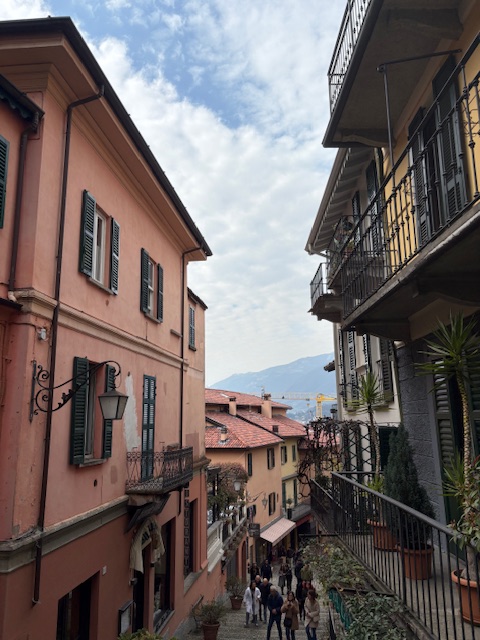
6. DON’T ignore basic research on local customs and the language
Generally speaking, Italians are a welcoming bunch.
Yet the culture is surprisingly more nuanced than we expected from movies and pop culture.
Depending on where you go, the culture might be a lot more traditional than you expected (we’re looking at you, southeastern Sicily).
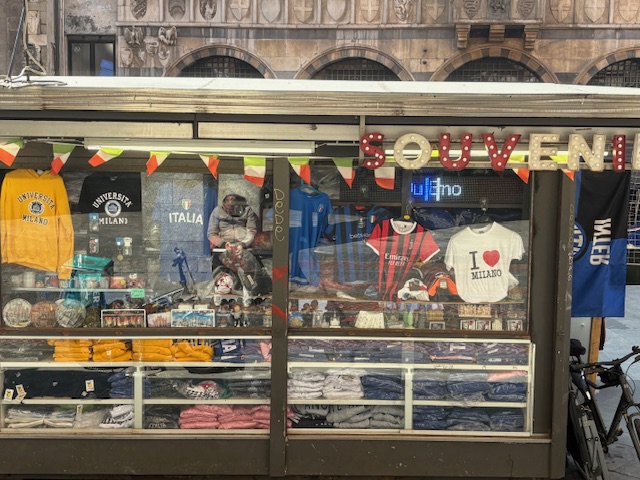
In other places, you’ll almost think you’re in New York (hello, Milano).
And to say all of the customs, cultures, and politeness in Italy are the same in all parts of the country would be like saying people from New York City have the same customs, cultures, and politeness as people from rural Alabama.
Do a little research on local customs—both local Italian customs and customs specific to the region you’ll visit. Rick Steves is always our top choice for European knowledge, but there are etiquette experts who can help, like Nick Leighton, co-host of the podcast, “Were You Raised by Wolves?”
“Knowing a little bit about the local customs can really help make things easier, especially for first-timers. It gives you more confidence and it also gets you significantly better customer service, meals, and experiences,” Leighton says.

Two examples he shares: “If you walk into a coffee bar and say ‘Ciao,’ that’s way too informal for many Italians. It’s truly better to lead with a ‘Buongiorno’ with strangers instead. The greeting you use can really set the whole tone for the entire encounter, for better or for worse,” Leighton says.
You don’t need to do a crash course in Italian, but learning some basic greetings and words can definitely make a difference. We’ve enjoyed online videos from Italy Made Easy and Italian Teacher Valentina to help.
Another example from Leighton relates to planning meals. The message: Plan to eat later than you might eat at home.
“I love a good 9 p.m. reservation, which gives me plenty of time to enjoy aperitivo before dinner. If you book a 6 p.m. reservation, chances are it’s catering to tourists and it also means you’re missing out on aperitivo,” Leighton says.
And who wants to miss out on an aperitivo?!
And Coleman of Suitcase Gals remains us all of “Italian time.” “People often expect American service, which means rushing through everything. Italian time is deliberate, slow and relaxing,” she says. That’s good to know in advance.
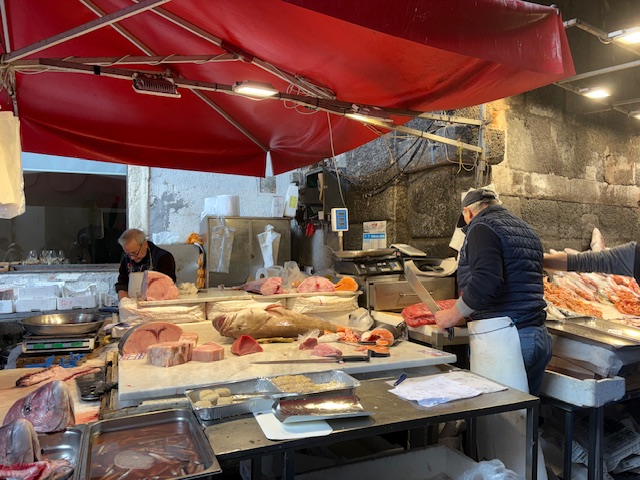
7. DON’T arrive with multiple pieces of large luggage
If you’re one of those “I only travel with a carry on” travelers, more power to you. If you’re like us, you’ve paid one too many luggage fees because it’s a challenge to pack minimally.
And that can be a problem in Italy.
“You are responsible for getting your luggage to and from your hotels as most city centers are filled with cobblestone streets, hills and are not accessible by cars,” Coleman says.
“In addition, vehicles in Italy are built to fit in small places. If you are driving, many times the larger suitcases will not fit in a typical vehicle,” she adds. True.
Plan your luggage carefully, and keep in mind that laundry facilities are available through most hotels even if you have to pay a small fee to use them.
DO plan your trip well
We hope our suggestions help you to be more thoughtful about your Italy trip.
If you have an upcoming trip that’s not yet locked in and you’d like us to review your itinerary, this link tells you a little more about our new Italy travel planning consulting work, available at an affordable rate.
If you’re considering a trip to Italia and want to speak with us before you start to make reservations, we also can help you with that.
We’ll share more travel mistakes and travel wins in future articles.
Buon viaggio!