Category: Sicily

  • Here’s Why to Visit Italy in the Winter and Off-Season

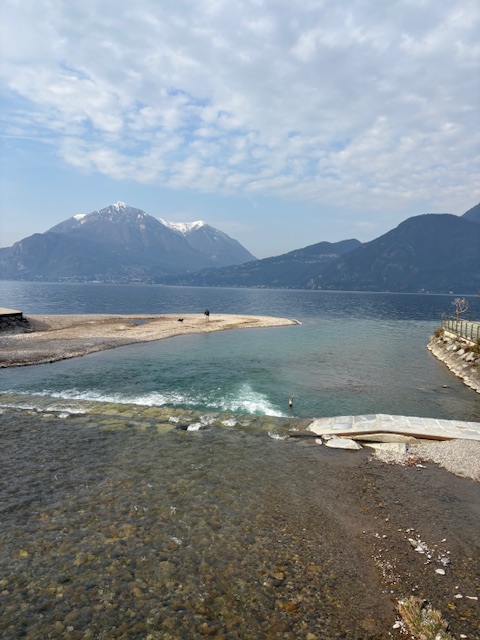
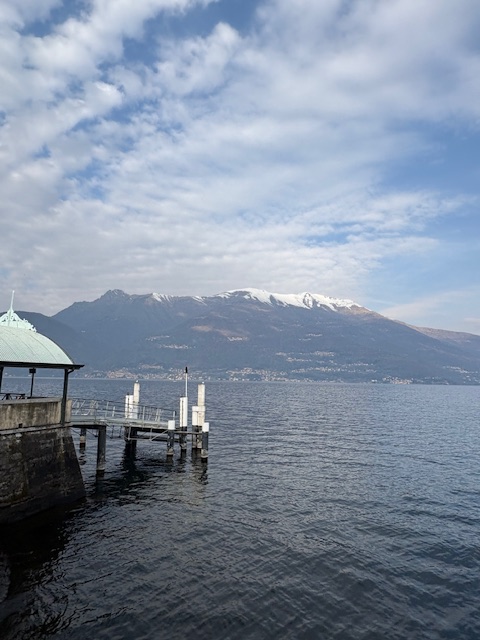
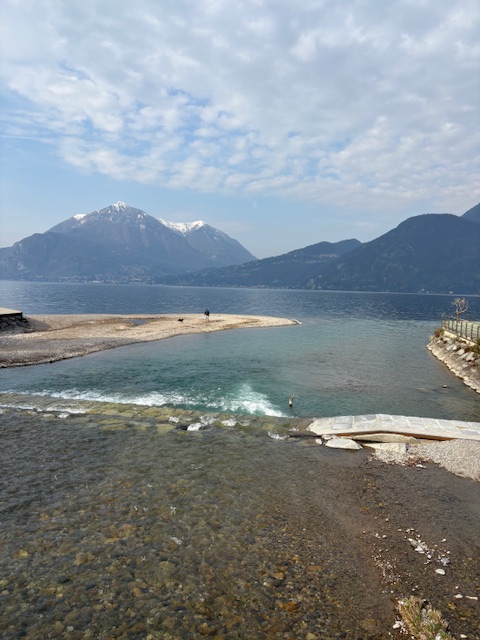
    Snowy mountains as seen from Lake Como, Italy, in early March. The winter can be a great time to visit Italy.
    Italy says “Buongiorno!” to about 70 million tourists this year (2025), with most arriving in the summer months. If you’ve been to Florence, Venice, or Rome that time of year, then you know what it feels like to have thousands of new friends who all want to visit the same places as you, right?

    If you’re an astute traveler, you may be asking yourself what it’s like to visit Italy other times of the year, such as in the winter or off-season. The good news: There are some real advantages if you’re willing to brave a little cold.

    Let’s take a look at why you should consider visiting Italy in the winter or off-season months. Then we’ll suggest a few choice destinations for those quieter months.

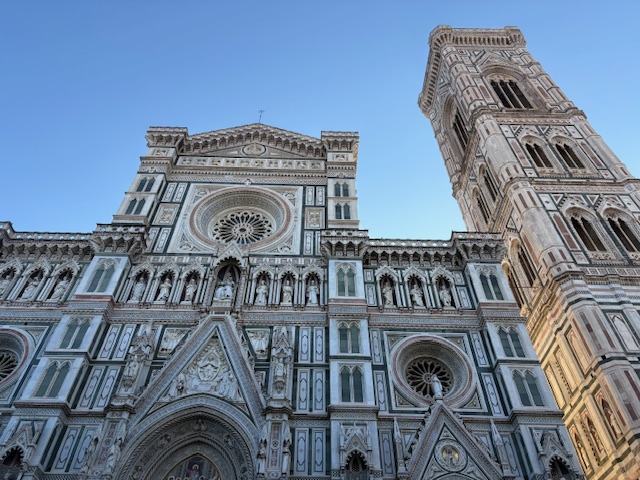
    Florence’s Duomo/Cathedral looks impressive any time of the year.

    Why to Visit Italy in the Winter or Off-Season

    You’ll have more destinations to yourself

    We’re not saying you’ll be the only tourist there, but most destinations will have fewer people. Enjoy the so-called la dolce vita with fewer visitors! It’ll make it a lot easier to book museums, hotels, etc.

    Enjoy cooler temps

    Let’s face it, Italy can get hot in the summer. Walking around Rome, Sicily, and even Milan in June, July, or August can get uncomfortable. Although many places have air conditioning, it’s not as chilly cold by default as in the U.S. The solution? Bring a coat, scarf, and gloves, and come in the winter!

    Plus, keep in mind that Italy has a diverse climate depending on where you go. For instance, Milan’s temps can average in the 40s (Fahrenheit) in the winter, compared with average temps in the 50s (Fahrenheit) in places like Puglia and Sicily.

    We visited Florence, Milan, and Lake Como in early March and got around most days with the requisite jacket and scarf. One day in Milan even reached near 70 and was sunny.

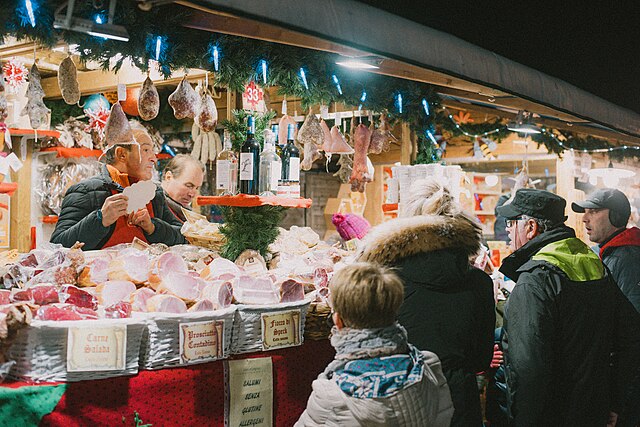
    A Christmas market in Trento, Italy. Picture from Wikimedia Commons.

    Christmas markets!

    Whether you’re familiar with European Christmas markets from previous in-person visits or just Hallmark movies, this shopping experience is a real pleasure. Find dozens of vendors with hand-crafted Christmas items that are perfect as unique gifts for others or souvenirs for yourself.

    Here are a few Italian areas famous for their Christmas markets, according to the tourism operator Discover Your Italy-FuorITinerario:

    –Trento in north Italy

    –the Dolomites, a chain of mountains in north Italy

    –Florence, which features a German-style market

    –Arezzo in Tuscany, which takes on the feel of a Tyrolean village

    –Rome, where you can find a festive market feel in Piazza Navona

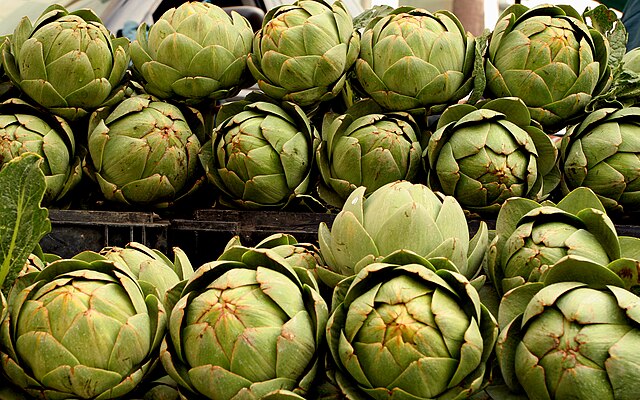
    Artichokes are one vegetable that some Italian residents enjoy more in the winter.

    You can try different types of foods

    It’s no secret that Italy is known for terrific food. With eating in Italy a hyper-local experience, it’s probably also not a surprise that food changes seasonally there based on what’s available at certain times of the year.

    So, the special dishes you may have in the summer could have a completely different feel in the winter or other times off-season. One Rome resident we spoke to sung the praises of artichoke dishes in the winter. Root vegetables like potatoes as well as greens are commonly in season in the winter, and citrus season in Sicily (like blood oranges and regular oranges) goes through the winter and spring–just like here in our home state of Florida.

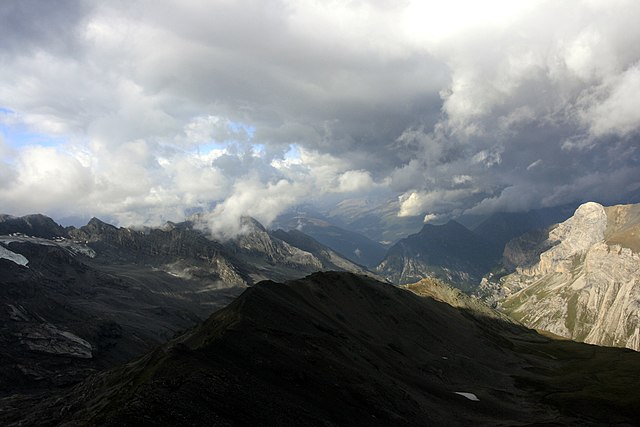
    The Dolomites in northern Italy welcome visitors in the winter and year-round.

    Pursue winter sports

    If you’re into skiing, snoeshowing, ice skating, or other winter sports, then visiting Italy in the winter is an obvious choice. You’ve got your pick of mountainous destinations (see below). The Winter Olympics held in 2026 in and around Milan and the town of Cortina will further shine a spotlight on Italy as a winter destination.

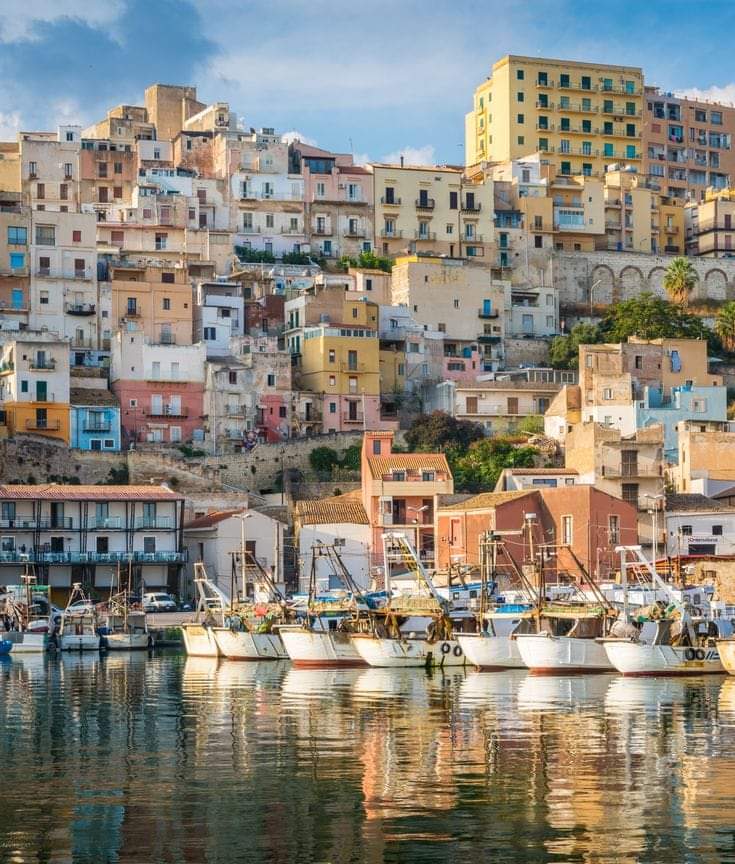
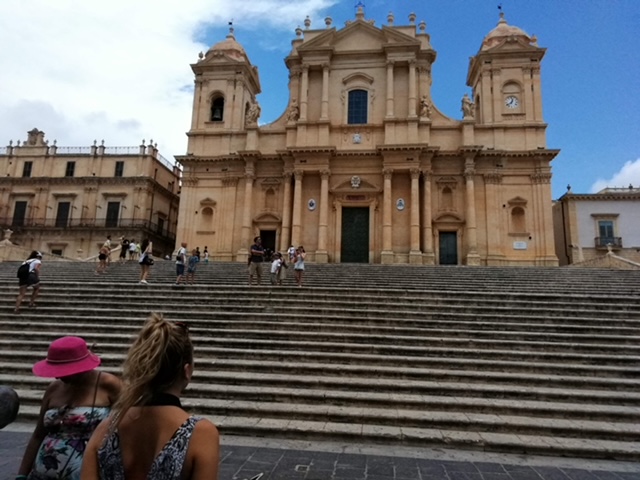
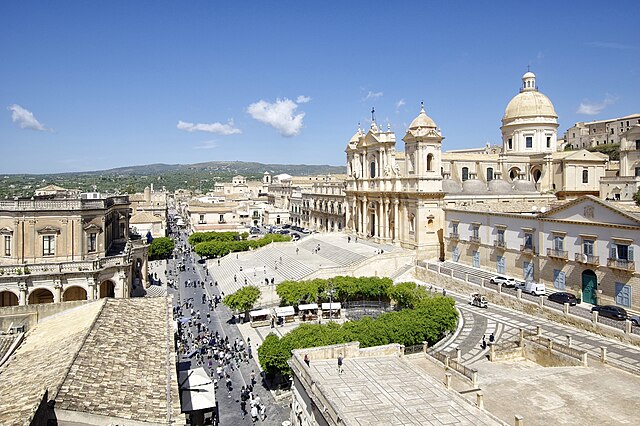
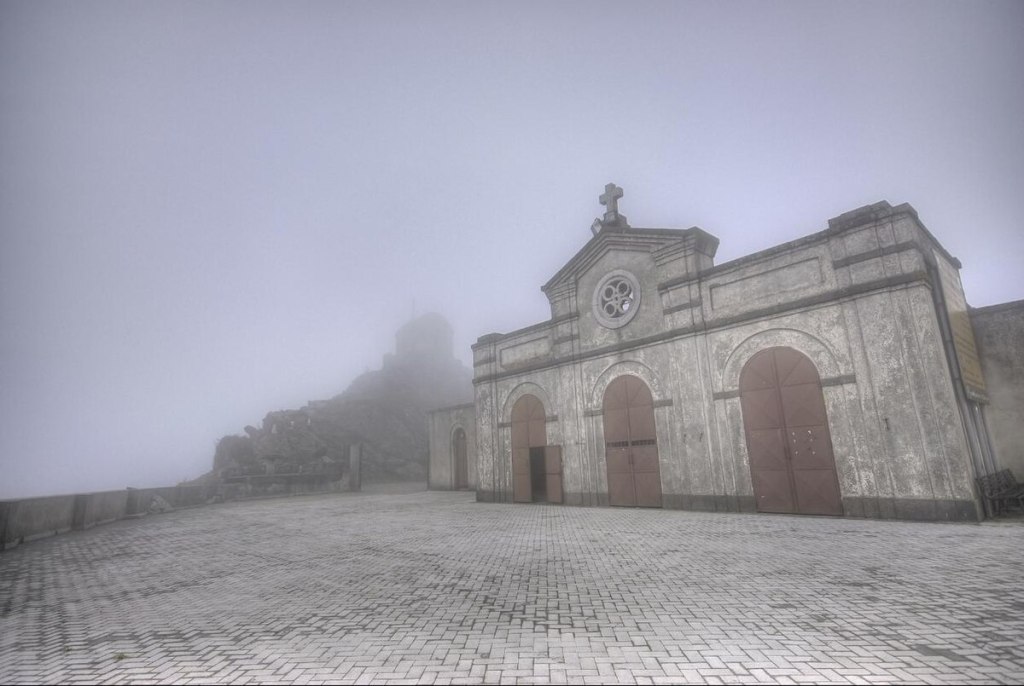
    You’ll need to find different angles for pictures in the winter and off-season in Italy. This picture, taken in Sicily, is from Wikimedia Commons.

    Get new perspectives for pics

    A view of Italy in the summer, with historic buildings drenched with sun and everything colorful? That’s low-hanging fruit. Yet how do make those same buildings look interesting on a rainy, cold day? If you’re into photography, visiting Italy in the winter can become a fun photographic challenge. If you’re creative enough without using filters on your phone, you can still have blockbuster pics from your trip.

    Bellano, Italy, on Lake Como, in early March.

    6 Places to Visit in Italy in the Winter

    Here are six specific destinations to consider in Italy for the winter or off-season. Don’t be afraid to explore areas outside the typical big-city destinations.

    The Dolomites

    This mountain chain that spans several northern Italian regions can become your winter playground for sports or relaxing by a fire. With its close proximity to Austria, both Italian and German are commonly spoken here.

    Lake Como

    This famous destination in north Italy, just an hour by train from Milan, will lead you with charm through towns like Bellano and Bellagio. Hop on a train to traverse between towns. The ferry on the lake operates year-round although it’s on a reduced schedule in the winter. Find out more about day tripping around Lake Como with our articles here and here.

    Florence

    For the heart of Renaissance art and culture, you can’t go wrong with Florence. Find Christmas markets if you visit around the holidays, or find fewer crowds if you visit in the months thereafter. You’ve probably read enough about Florence elsewhere, so we’ll just share our article about eating in Florence, here.

    You also can find Christmas markets in Rome, Venice, and Naples. Naples is well-known for its living nativity scenes, or presepi.

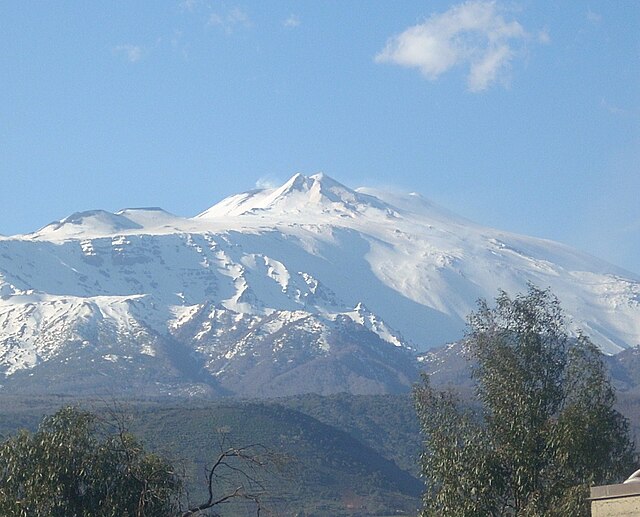
    Sicily’s Mount Etna in the winter.

    Sicily

    Sicilia in the winter? It’s definitely worth considering! Bigger cities like Palermo and Catania may have enough going on to keep you busy, but smaller resort towns like Cefalu may be pretty dead, according to the blog Adventurous Kate. Still, if you want some Sicilian culture and quieter views and don’t mind some potentially rainy weather, you still could have a great trip. Some people even go skiing on Mount Etna. Plus, you’ll find several winter festivals as well as Christmas markets.

    Cortona

    The town of Cortona in Tuscany (not to be confused with Cortina, the site of the Olympics) has medieval charm and wonderful artisan markets around Christmas, according to Discover Your Italy. You can even find a Floating Christmas Tree. “This area is perfect for travelers seeking a quieter, heartfelt experience rich in culture and tradition,” Discover Your Italy reports.

    Beautiful Bormio, Italy. Picture from Wikimedia Commons.

    Bormio and Vatellina

    Yet another recommendation from Discover Your Italy, find skiing and spas in the Alps-based towns of Bormio and Vatellina in Lombardy in north Italy. The towns combine famous ski slopes with Roman-era stone pools, hydrotherapy, salt rooms, and a UNESCO railway that takes you from Tirano into Switzerland.

    Buon viaggio!

  • 12 Facts About Italian Food in Italy That May Surprise You

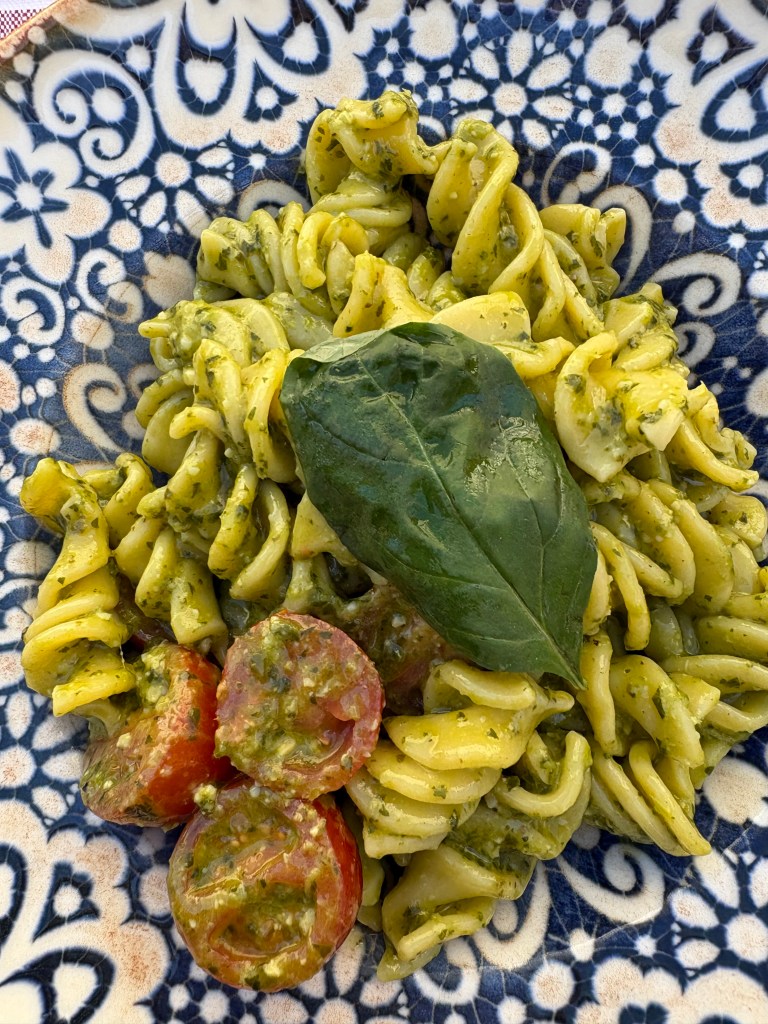
    An amazing pesto pasta dish in Florence, Italy.

    Many people outside of Italy looooovvvveee Italian food, including here at Italy Dreams. Our favorite food was pizza growing up–OK, so maybe it was Pizza Hut pizza, which would make real Italians shudder (hey, we were in the D.C. suburbs, not New York or New Jersey!). And pasta and risotto dishes are a regular part of the meal rotation at Casa di Italy Dreams.

    In any case, traveling to Italy is eye-opening when it comes to Italian food, as you start to learn what cibo Italiano (Italian food) actually is versus Italian-American food.

    We gleaned many of these tips during a 2025 visit to Italy, while others were discovered online. And we’d be happy to continue the food conversation in the future.

    You’re welcome for the yummy food pictures throughout. 🙂

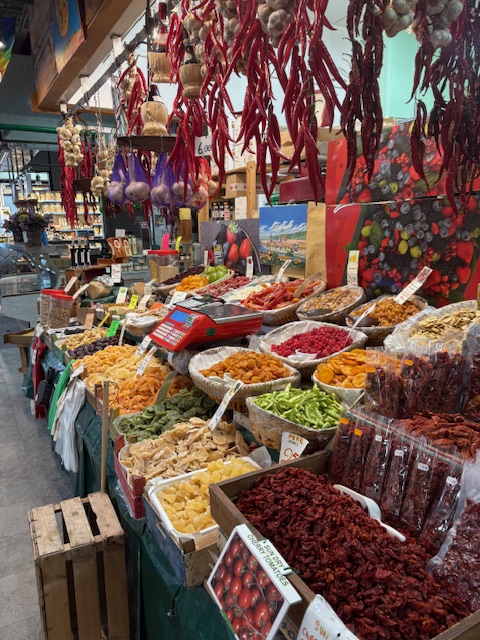
    Mercato Centrale (Central Market) in Florence, Italy.

    The Big Picture

    1. Italian food differs drastically by region.

    When we say “Italian food,” we’re making a huge generalization. That’s because Italian food can differ drastically by region. Italy has 20 different regions, each with its own distinct food, wine, cheese, bread and desserts. Heck, food can sometimes even differ by town. Pizza and pasta may be popular throughout the country, but there are even variations there. Risotto, for example, is an Arborio rice-based dish popular in northern Italy. Couscous is famous in the island region of Sicily (see tip 12).

    We’ve found the book “Rick Steves Italy for Food Lovers,” by Rick Steves and Fred Plotkin, to be particularly useful in understanding different regional foods. You’ll discover where cannoli originally are from (Sicily), where cinghiale (wild boar) is most common (Tuscany), and lots more.

    2. Eating local is a way of life.

    In the U.S., we like to tout that we’re eating local if we’re eating a dish with produce grown within our state or region. In Italy, eating local takes on a whole different meaning. The whole meal may come from the town where you’re eating the meal. The person preparing the meal may have even picked the produce or helped raise the chickens. It’s no wonder that Italian cuisine is known to be so yummy, with such fresh and in-season ingredients.

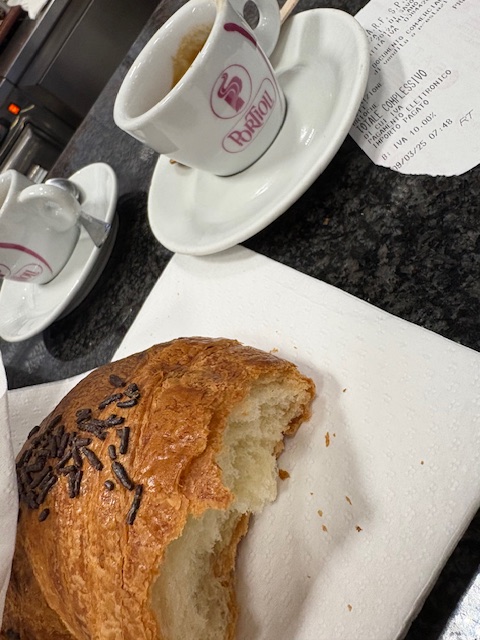
    A crossaint and an espresso is a typical Italian breakfast option.

    Eating Breakfast/Colazione

    3. Breakfast is light.

    Let’s face it, Italians as a whole stay slim for all the food that they eat. One secret may be that they keep their breakfast, or colazione, light. Un cornetto e un espresso–or a crossiant and an espresso–is a common Italian breakfast. Some may add yogurt or fruit as well.

    4. A latte will get you milk, not coffee.

    The word latte means milk in Italian. For Starbucks fans like us, latte means something different, right? It’s what you order when you want a coffee-and-milk combo. So, don’t walk into an Italian food establishment or bar and ask for a latte unless you want just milk. And you may want to study other phrases for ordering coffee, as saying the wrong phrase could lead you to an alcohol-infused drink (which, hey, you may still enjoy).

    Breakfast pastries at a shop in one of Milan’s train stations.

    5. Italians don’t nurse a coffee all day.

    Like many Americans, we at Italy Dreams find it comforting to nurse our coffee for awhile, like it’s a baby that needs affection. Italians–not so much. Those espressos are small and meant to be consumed rapidly. Keep in mind that they also pack a caffeine punch. So, what they lose in “coffee nursing” time, they still make up for with a caffeine jolt.

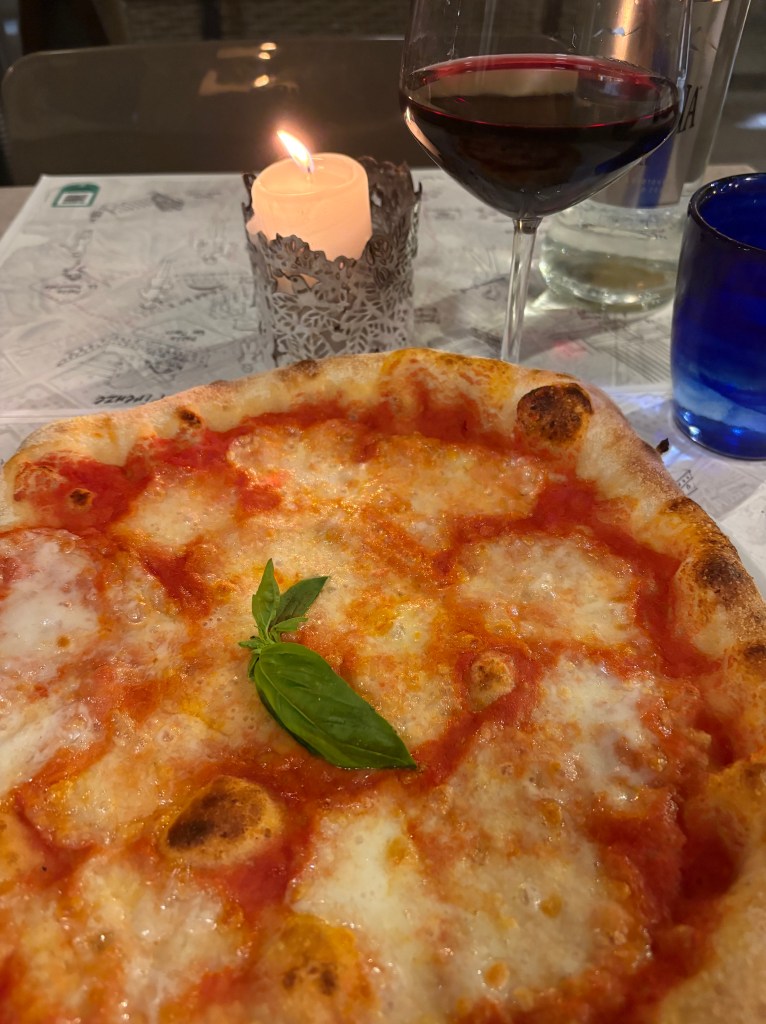
    We hear that Italians drink beer when they have pizza–but this combo of pizza and vino was still a delight.

    Pizza & Pasta

    6. Italians eat a lot of pasta.

    This fact may not be too surprising. After all, pasta is perhaps Italy’s best-known food. However, did you know that the average Italian eats 50 pounds of pasta (23 kilograms) a year? That compares to 20 pounds a year in the U.S. on average per person–which is still a heck of a lot of pasta.

    The cool thing is that Italians have so many different ways to prepare pasta–and so many different types. Just go to a supermarket or other market of choice while you’re there to see what we mean.

    7. Italians like their pasta al dente–and they eat it with a fork.

    Al dente means “to the tooth.” The end result is pasta that’s still a little firm when eaten. Overcooked pasta is not common. And don’t cut your pasta with a fork and knife! They will use a fork to eat their pasta, thankyouverymuch.

    One quick kind-of-related story: We once taught English to a group of Italians here in the U.S. and mentioned that we put olive oil in the water as we cooked pasta. The look of horror on their faces could have stopped a ghost. We learned that day that salt goes in the water to cook pasta, and the olive oil goes on the pasta afterwards.

    8. Don’t look for pepperoni pizza or Hawaiian pizza in Italy.

    Italians in Italy aren’t seeking out pineapple on their pizza. They also aren’t fans of pepperoni pizza like we are here in the U.S. However, you can get peperoni pizza (notice only one “p”), which will get you a pizza with bell peppers. You also can get pizza diavola, or Devil’s Pizza, which uses spicy salami that resembles pepperoni as we know it.

    9. You’re not at Olive Garden anymore, Toto, so there’s no dipping bread in oil and vinegar.

    You may get bread with your Italian meal, but Italians commonly use it to dip into the sauce and oil leftover from the pasta or other dish they’ve eaten. This practice is called fare la scarpetta, which means to make a little shoe. Cute.

    There’s not usually garlic bread either. Sorry.

    A pasta dish in Florence, Italy.

    10. You also won’t find spaghetti with meatballs.

    However, you can order meatballs as a separate dish called polpette.

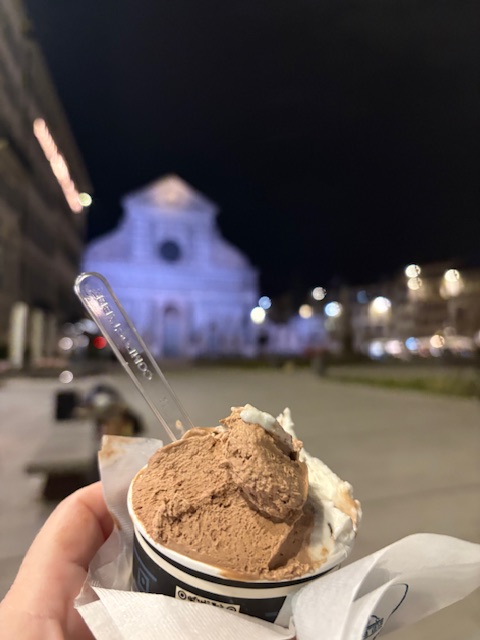
    Gelato outside Santa Maria Novella in Florence. Yummm……

    Miscellaneous

    11. Gelato isn’t the same as ice cream.

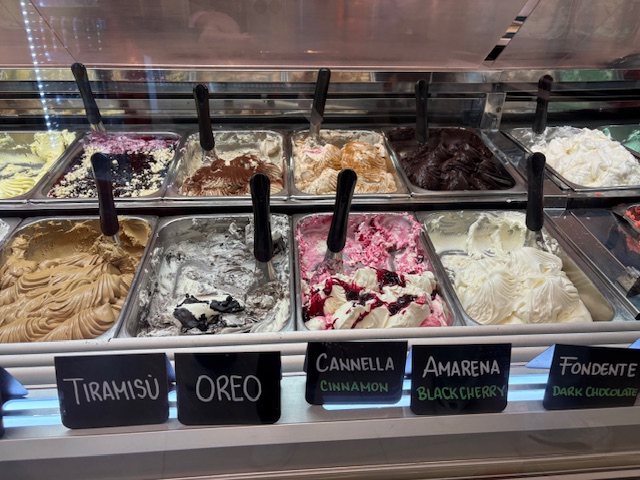
    There’s a lot of gelato around Italy, and for good reason. It’s soooooo good. But it’s not the same as ice cream. Gelato is actually made with more milk than regular ice cream and doesn’t include eggs. It’s also denser. Make sure to look for gelato that has more natural colors versus bright colors (which could mean that the gelato was dyed).

    12. There’s a Couscous Fest in Italy that you might want to attend.

    When you think of couscous, you think of the Middle East, right? Yet couscous is actually a specialty in Sicily (among its many food specialties). There’s a Cous Cous Fest each year in Palermo, Sicily, each year attracting more than 200,000 visitors. It also brings in musical guests and has become a huge celebration.

    Hungry yet?

    Gelato as seen in a shop in Florence, Italy.

  • Here’s How Sicily Is Different From the Rest of Italy–in the Best Ways Possible

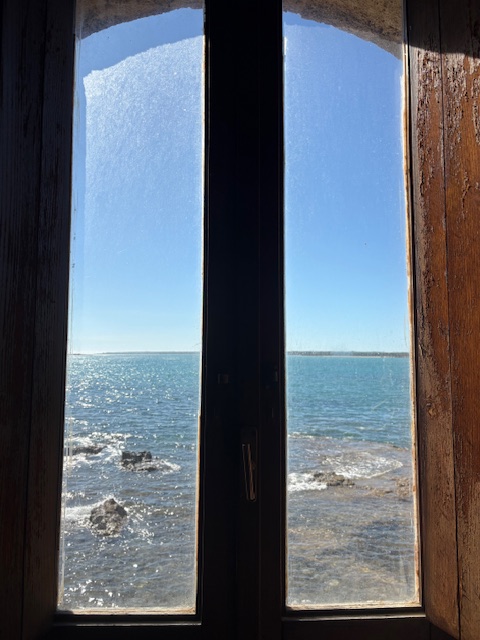
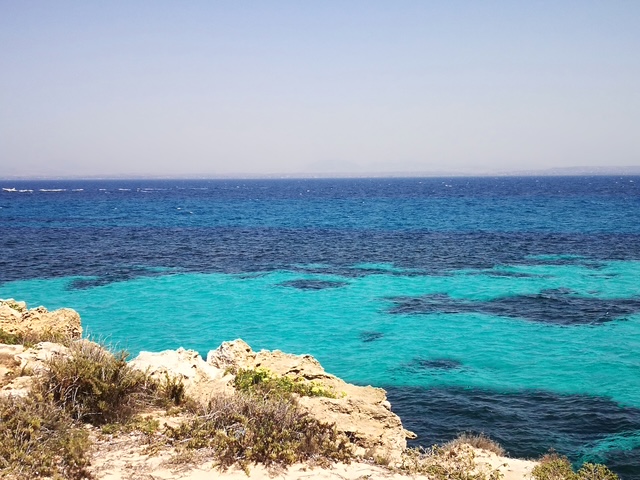
    Sea views in Sicily. Picture shared by Stefania Lampedecchia. (@Slampe78).

    Sicily, or Sicilia as it’s called in Italian, is the soccer ball-shaped southern island of Italy. Tourism to Sicily has increased in recent years, In fact, the island welcomed 5.5 million tourists in 2023, which was a 14.5% increase from 2022, according to this Reuters article. For comparison, the island’s total population is 4.8 million.

    Italy is already well known for attracting visitors for its history, architecture, food (oh, the food), scenic views, and people. Still, just what is it that draws more and more visitors to Sicily? And how does it compare to visiting other parts of Italy? Italy Dreams wanted to explore these questions a little further to help give you guidance for your next trip planning to Sicily. Andiamo!

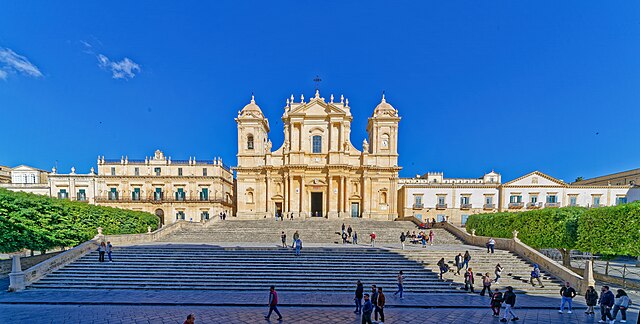
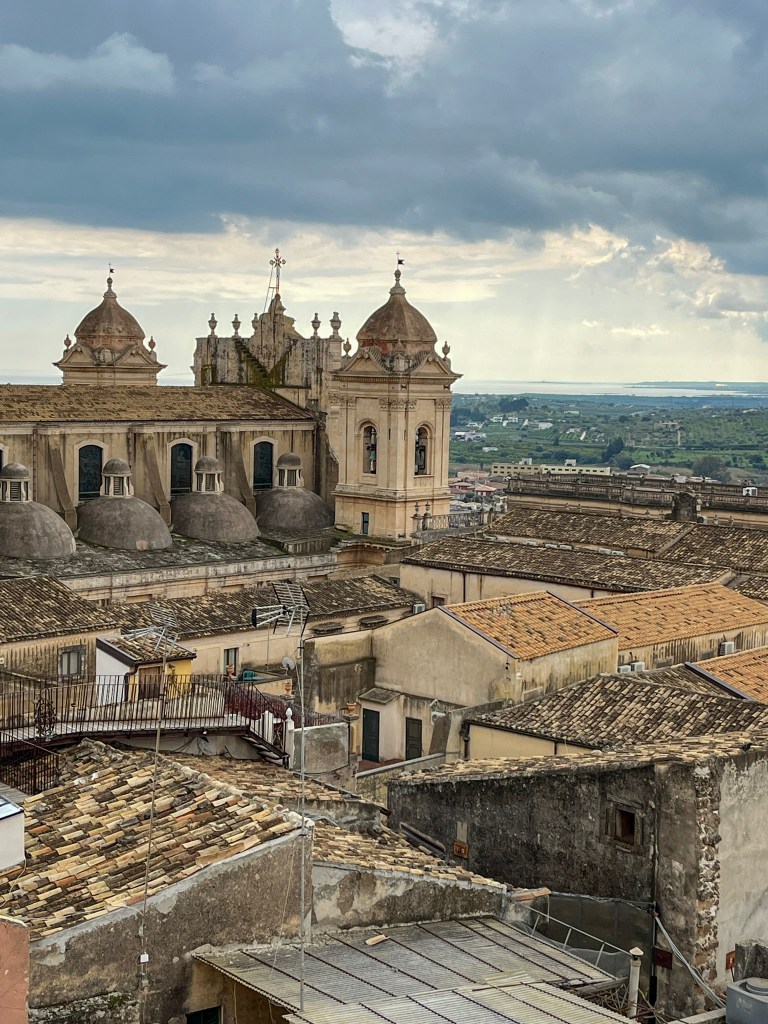
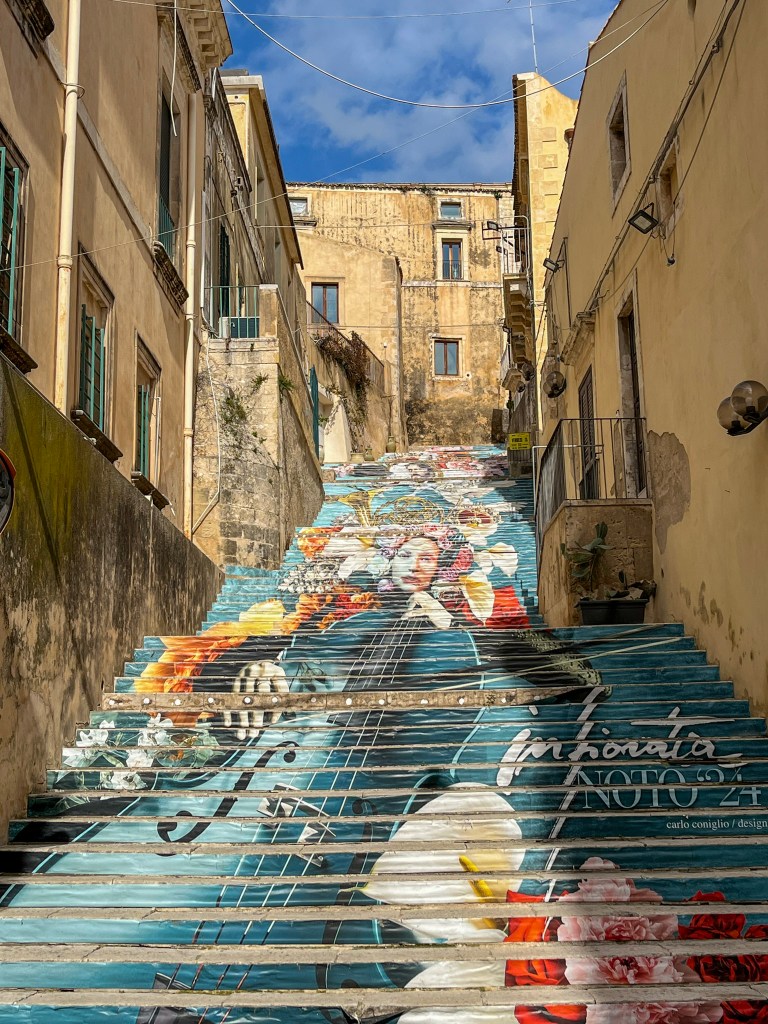
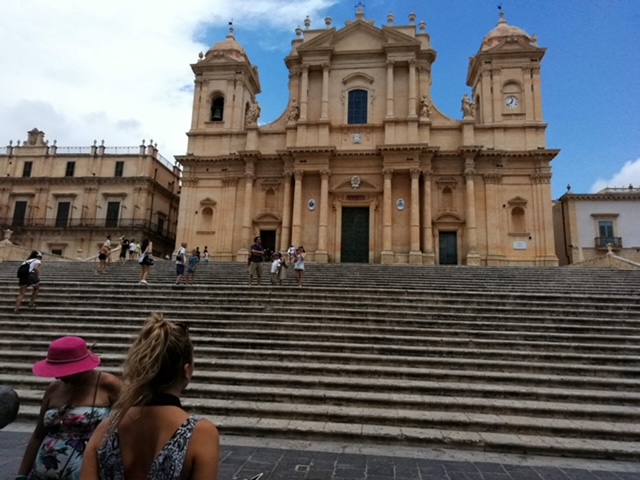
    The town of Noto in Sicily. PIcture shared by Stefania Lampedecchia. (@Slampe78).
    1. Sicily blends together an amazing mix of cultures.

    Over time, Sicily was conquered by a massive mix of civilizations, including the Arabs, Greeks, Normans, Romans, the Spanish, and more.

    “The result is a fascinating Mediterranean mosaic, a cultural ‘cocktail’ that is worth the journey,” says Daniele Panzarin, CEO of the Venice-based destination marketing company (DMC) Target Travel, which specializes in tailored and luxury travel experiences around Italy.

    So, you’ll see this blend of cultures in Greek ruins in places like the Temple of Segesta, the Middle Eastern couscous dishes found around the island but especially in Trapani, and more. And Italian influences? Yes! There are many of those, too, of course. Yet you’ll often find people from Sicily identify first as Sicilian because of their unique history and heritage.

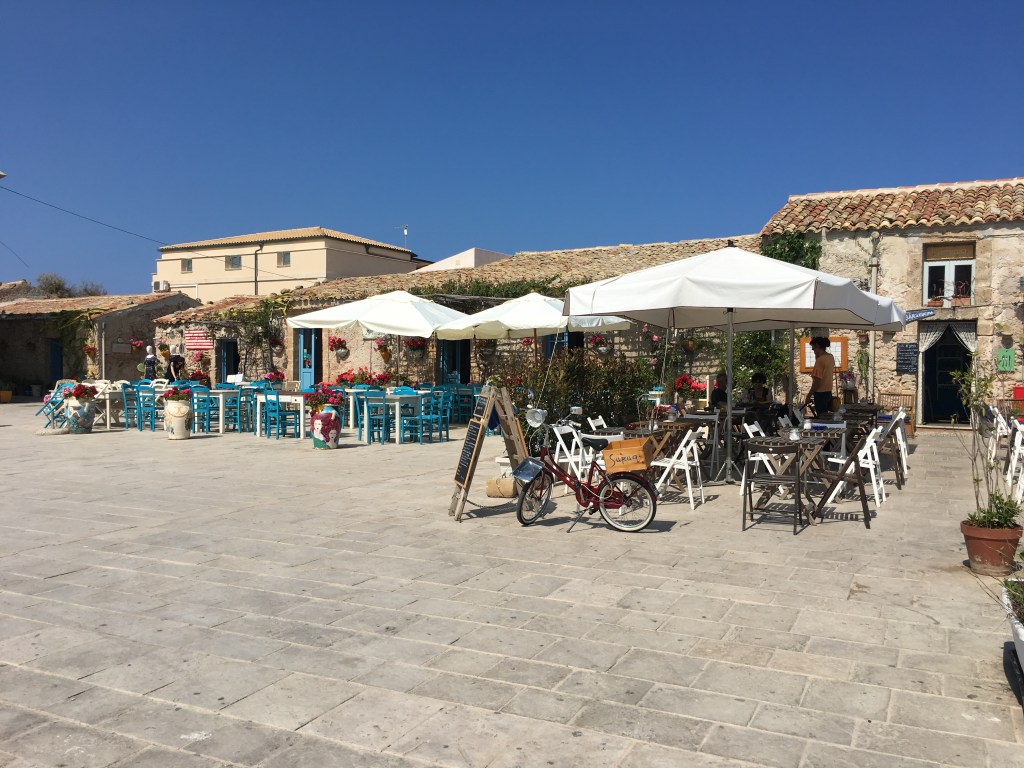
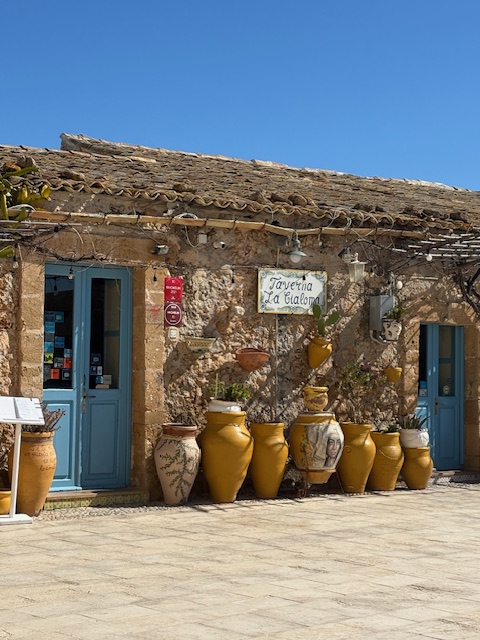
    Marzamemi, a coastal town in eastern Sicily.

    2. You’ve got all types of geography in a relatively small space.

    Whether you want mountains or lovely beaches, small towns or bigger cities, you can find it in Sicily. For good measure, there’s a volcano thrown in there as well–the famous Mount Etna. “Locals simply call it ‘a Muntagna,’ or ‘the Mountain,’” Panzarin says. “It’s the island’s symbol, its heartbeat and soul, ever-present in the lives of Sicilians.”

    You may be able to find this blend in other Italian regions, but it’s often surprising to people that so much geographical diversity is available in a relatively small space. If you were to drive straight through from east to west, it would take you about 3 ½ hours or north to south in 2 ½ hours, for context.

    “Compared to other regions, Sicily really offers everything: culture, great food, ancient history, beautiful natural landscapes, the sea, and volcanoes,” says Manuela Mocci, operator of Byways of Italy, a Rome-based DMC that creates customized Italy travel itineraries. Plus, friendly people, she adds.

    Arrive hungry! The food experience in Sicily is world-famous.

    3. The food experience is off the charts.

    Let’s be fair. The food experience anywhere in Italy will likely be off-the-charts delicious. This may not be that different from elsewhere in Italy, but the quantity and quality in Sicily can still be a shock.

    “You can eat delicious food all over Italy, but in Sicily the portions are huge, and the variety is just as impressive,” Mocci says. We won’t judge if you choose to eat a huge portion!

    There’s also a major connection to eating local. “Sicilian cuisine is a celebration of authenticity and deep ties to the land,” Panzarin says. “It’s always been a zero-kilometer cuisine, and often even less. Many trattorias and restaurants cook with produce from their own gardens or from local farmers.”

    Here are just some of the Sicilian foods you can try (we’ll explore these in more detail in a future article):

    • Arancine, or rice balls
    • Sfincione, a thick and spongy pizza often served as street food
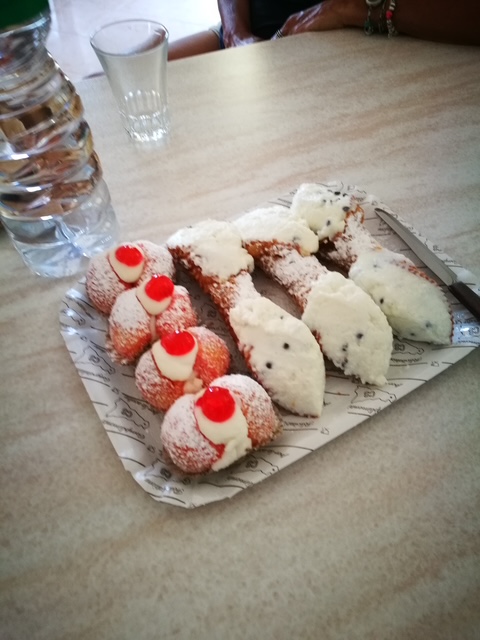
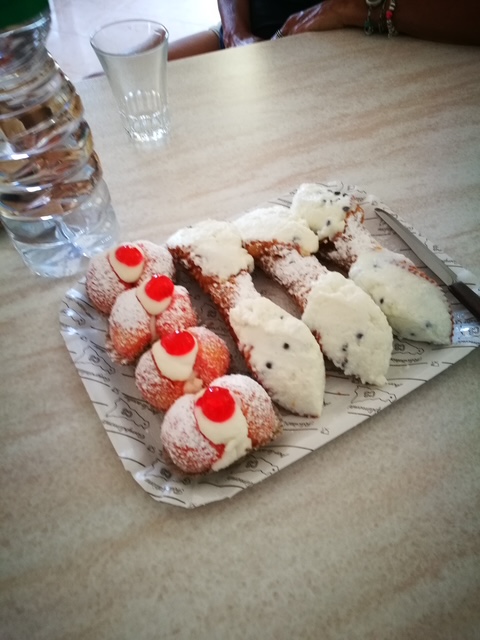
    • Cannoli, the famous dessert item stuffed with fresh ricotta and topped with chocolate chips or pistachio (heaven help us, those must be so good)
    • Marsala dessert wine (Sicily has many wineries for various types of wine)
    • Pistachios, which are grown near Mount Etna
    • Blood oranges
    • Granita, a shaved ice dessert that’s sometimes also eaten for breakfast in the summer
    • Couscous alla Trapense (a couscous dish)
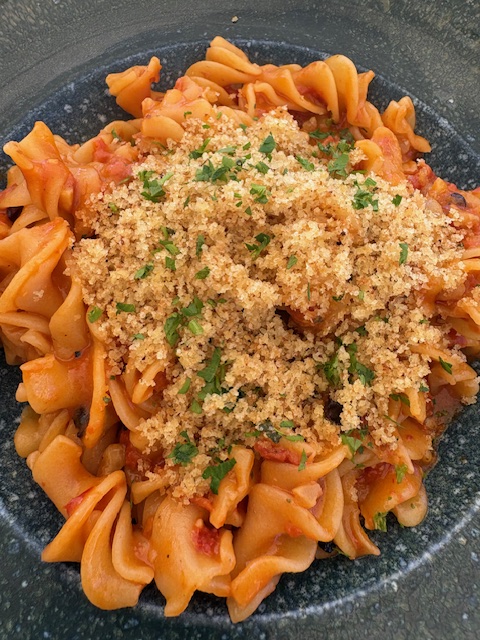
    • Pasta con le sarde, or pasta with sardines and fennel (as you may imagine, there are many fish and seafood dishes here)
    • Pasta alla norma, a pasta with tomato sauce and fried eggplant
    • All sorts of sweet treats with funny names, just too numerous to list here

    Hungry yet? We are!

    Street food is well-known in Sicily. “It’s an authentic, affordable, and delicious way to experience Sicilian flavors, much more common than in many Italian regions,” Mocci says.

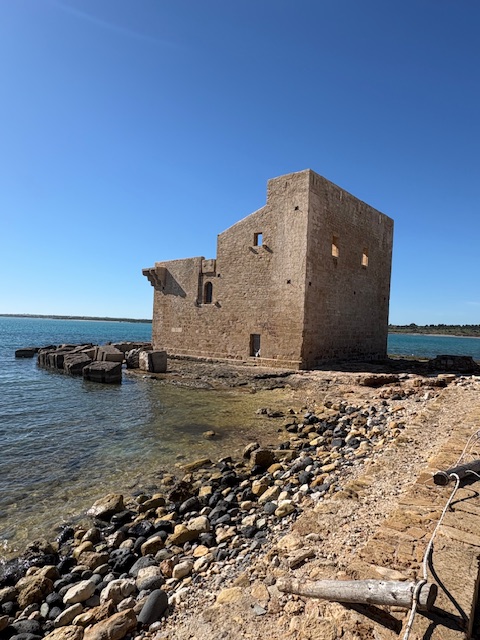
    Faro di Punta Secca/Lighthouse of Punta Secca, Sicily. Shared by Stefania Lampedecchia.

    4. There are lots of smaller islands that you can explore.

    When you think of Sicily, you probably think of the main island. Yet did you know that there are several islands that you can visit? They include the Aeolian Islands (made of seven islands, each with its own unique character), Ustica, the Egadi Islands, the Pelagie Islands, and Pantelleria. These islands are accessible by boat or ferry with varying distances from Sicily. For instance, Ustica is 60 kilometers from Palermo (on Sicily’s west coast), while Pantelleria is a six-hour ferry ride from Trapani. If you want a more remote experience, consider checking out one of these islands.

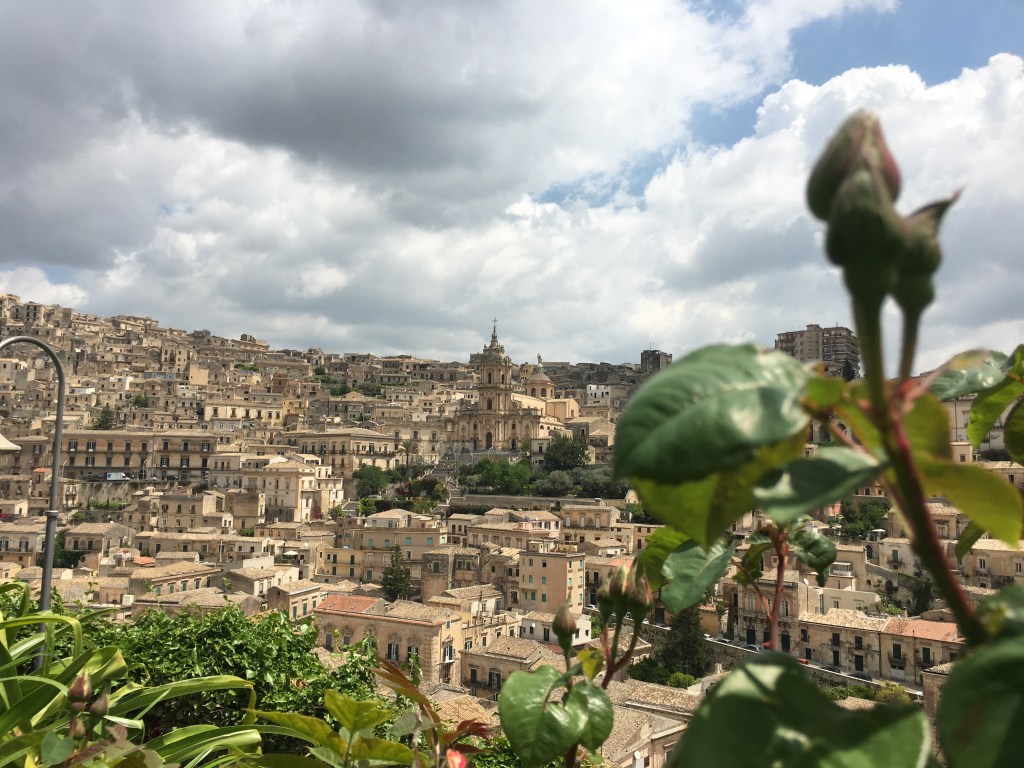
    Modica, Sicily. Picture shared by Target Travel.

    Tips for Your Sicily Visit

    Now that you know more about Sicily and perhaps you’re searching online for flights there, we wanted to share a few tips for trip planning. Here are a few suggestions to ensure you’ll have a great trip to Sicily:

    • Consider joining a tour. Although Sicily is safe and you can explore it on your own, there’s something to be said about relying on expert guidance. “A thoughtfully planned itinerary or a local guide allows you to experience its soul through art, history, and cuisine,” Panzarin says. Doing a tour also can save you planning time, if you don’t have the time or patience to map out an itinerary for yourself and your travel companions.
    • Think about weather. Just like anywhere in the world, weather is a factor for your visit. Most agree that the best times to visit are mid-September, October, and the spring months. July and August can be tough because of how hot it gets. However, this doesn’t mean you should rule out a winter visit. “Traveling from November to March can still be a good option because prices are lower, there are fewer crowds, and the weather is still mild,” Mocci says. Just find out the schedule in advance of any must-see destinations, as sites often have fewer hours in off-season.
    • Consider renting a car outside of the cities. Highway driving in Sicily is usually easy, so it’s common for visitors to rent a car and explore more. However, travel experts often advise against renting a car when in bigger cities like Palermo and Catania as driving there can be chaotic. Driving also can be a challenge in some mountainous areas with hairpin turns. You can use trains or buses to some extent in Sicily, but options may be limited compared with other Italian regions. A private drive is another option, although it will cost more.
    • Learn a little bit of Italiano. This is always helpful when traveling in Italy for obvious reasons. Yet compared to big cities like Florence, Rome, or Venice, knowing a little Italian can be even more helpful. In some Sicilian small towns, English may be less common. “Locals will appreciate the effort, and small towns are amazing,” Mocci says. The Sicilian language is also widely spoken in Sicily; it has its own distinct grammar and pronunciation from Italian.
    • Consider using guidebooks in addition to online videos and articles for Sicily info. Rick Steves Sicily and the Lonely Planet Sicily guide are particularly useful.
    • Have fun! “People are generally more open, friendly, and curious towards visitors,” Mocci says. “This attitude is very present, most locals are welcoming, helpful, and generally interested in others.”

    In future articles, we’ll share more details about Sicily’s specific destinations and, of course, the food. Ci vediamo in Sicilia/see you in Sicily!

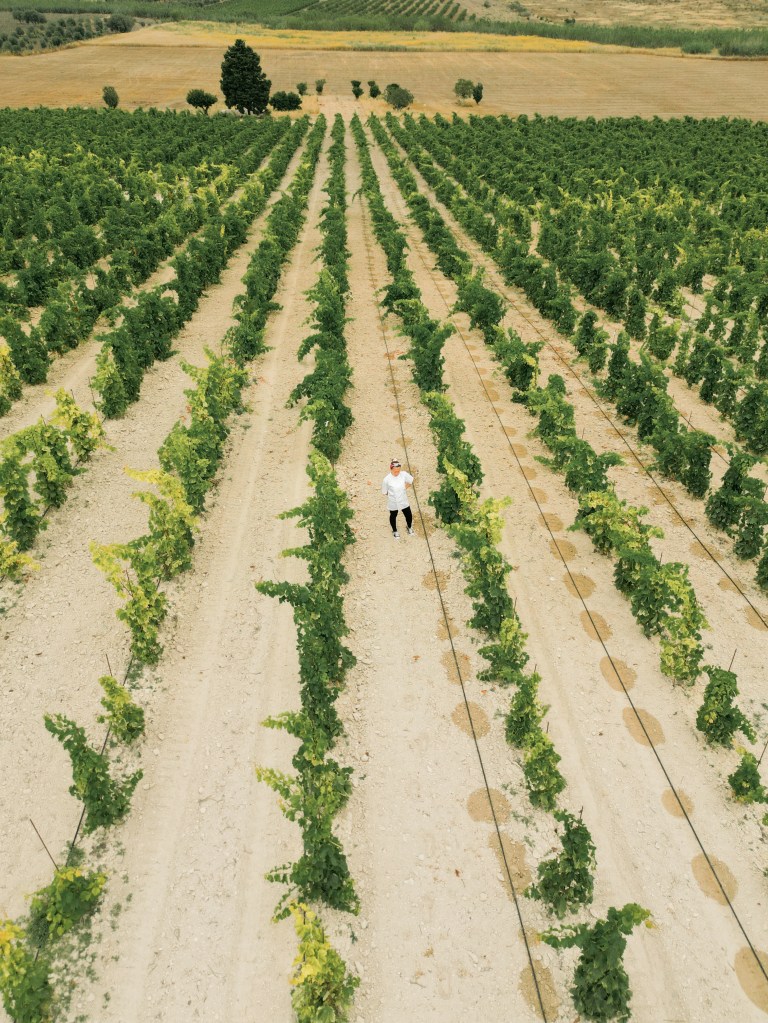
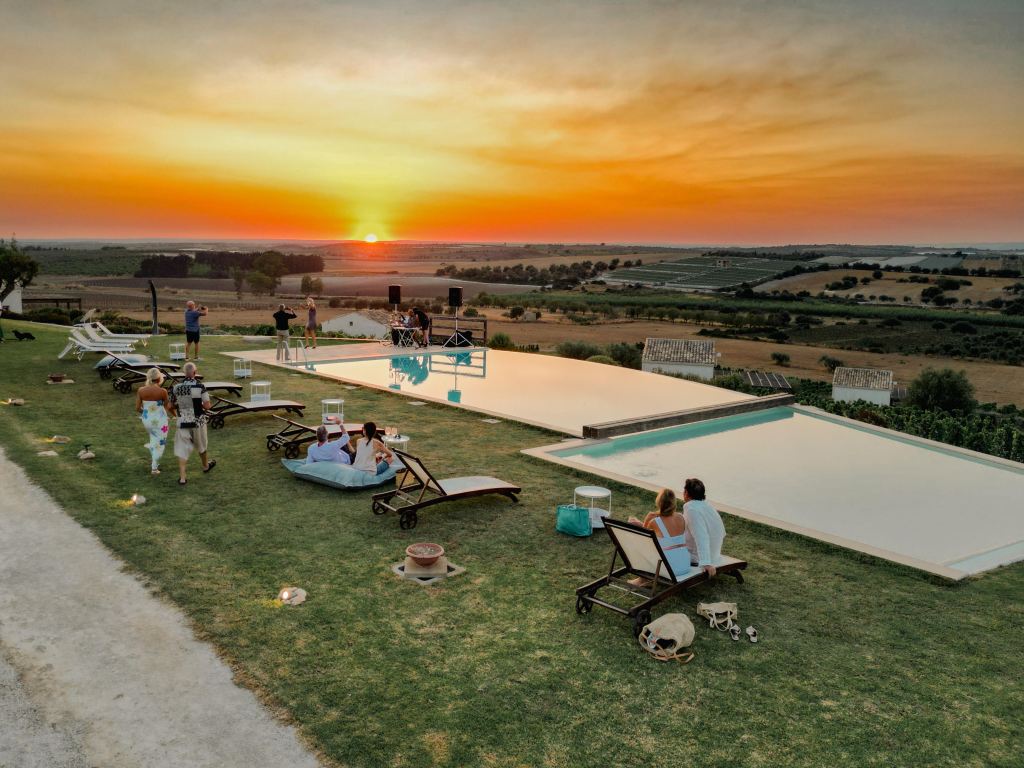
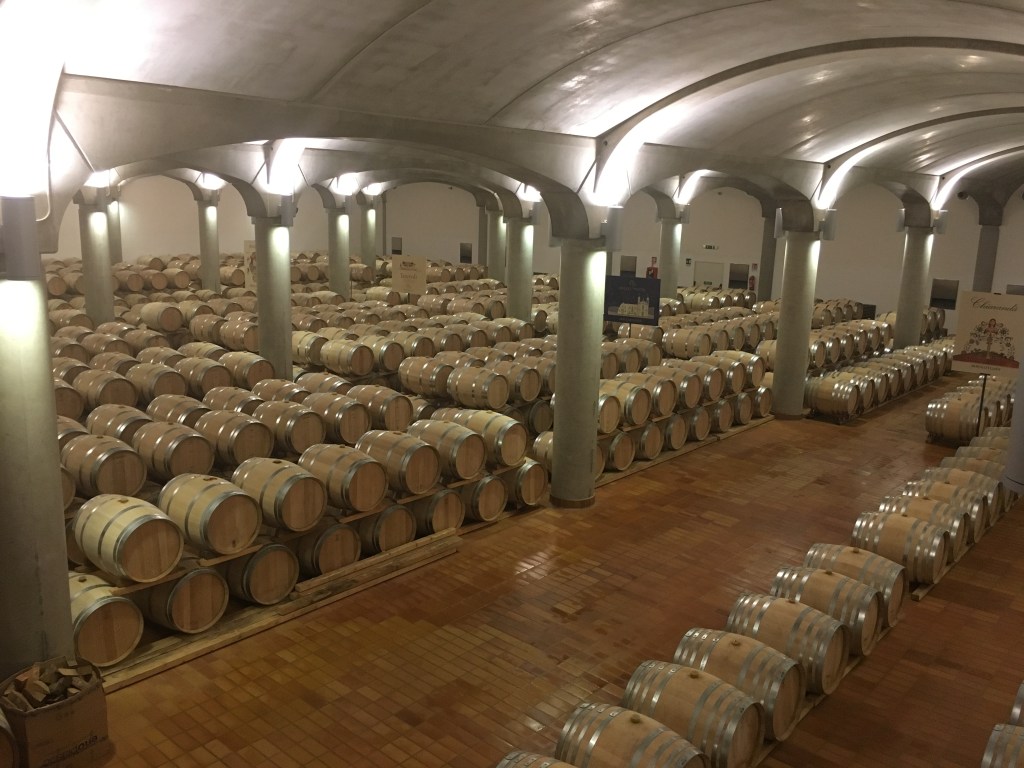
    Donnafugata Cellars in Marsala, Sicily. Picture shared by Target Travel.