Category: Tuscany

  • Discover Your Italy Helps You Get Off-the-Beaten Path

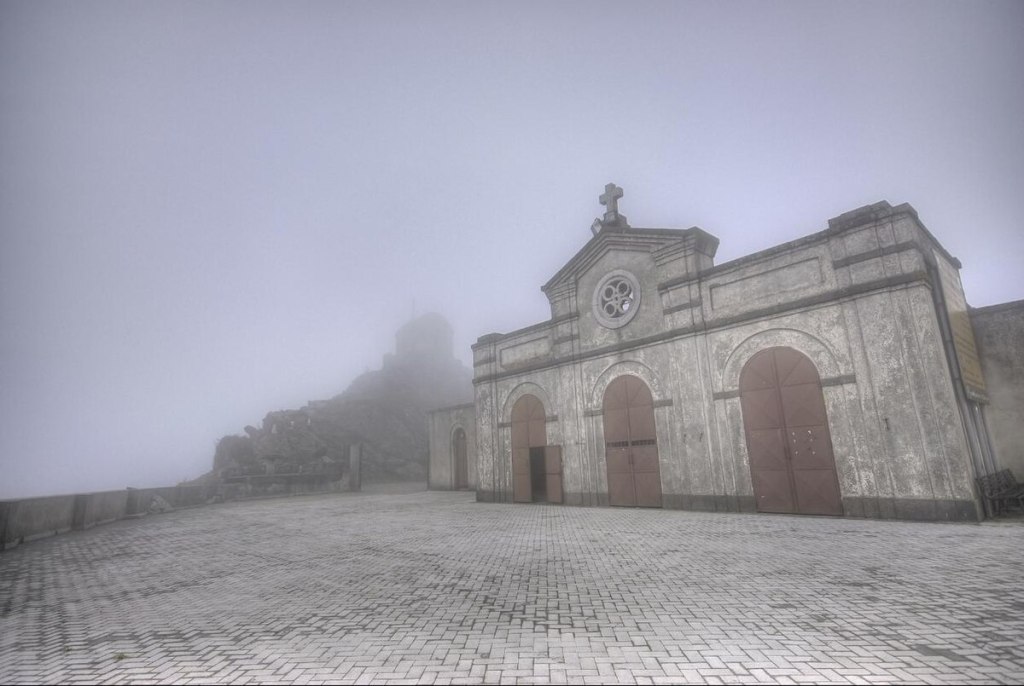
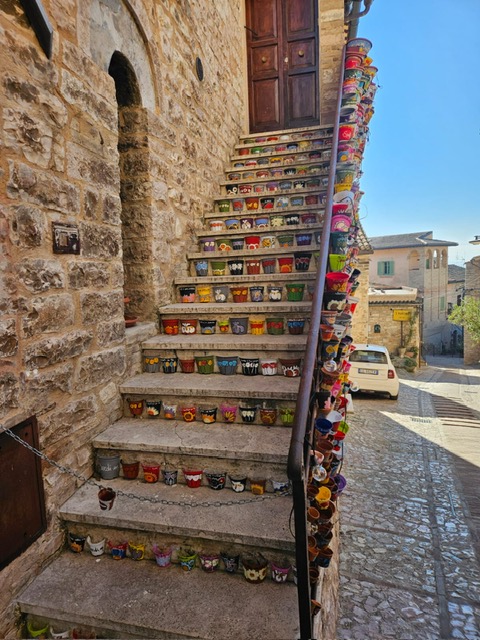
    Steps seen in the Umbria region of Italy, a lesser known destination you may get to know on a tour with Discover Your Italy. Photo shared by Aurelio V.

    Want to watch art restoration in progress behind the scenes in Florence? How about trying freshly pressed olive oil in southern Italy? Or taking a trek on top of the expansive Dolomites with a mountain guide?

    If you’re looking to discover Italy beyond the tourism check-off list like these activities, then get in touch with Discover Your Italy: Fuori Itinerario.

    Their name says it all. “Fuori Itinerario” means off-the-beaten path in Italian, and that says a lot about the types of travel that they offer.

    Discover Your Italy is based in Umbria, which itself is a region of Italy off-the-beaten path and less touristy than many other areas of the country. The tourism company also has an office in Milan, says Sara Caligiuri, a marketing specialist with the firm.

    The company was started by Matteo Della Grazia and Daniella Mencarelli, a husband-and-wife team who are passionate travelers and want to share the authentic beauty of Italy.
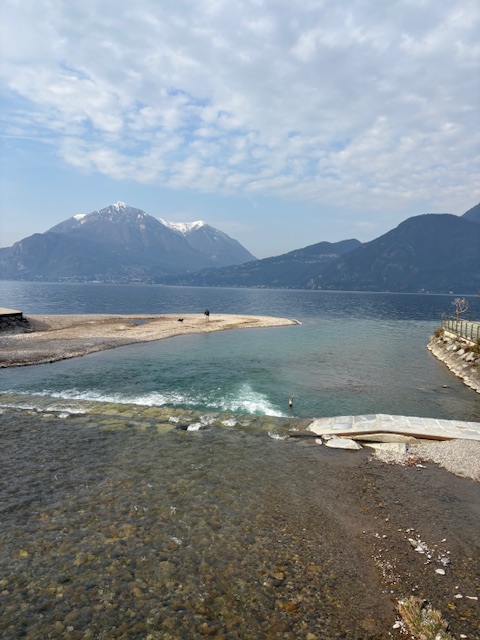
    A quiet view of Italy’s Lake Como, in northern Italy.

    Going Off-the-Beaten Path

    Discover Your Italy works with clients to find out their preferences so they can craft a custom itinerary for them, Caligiuri says.

    “It’s not just about the beautiful landmarks that everyone knows, but also the hidden gems,” Caligiuri says. “We are experts in Italy. Having a lot of connections is key for us. It’s important to know the suppliers and to have contacts with artisans and locals so we can craft authentic experiences.”

    The company specializes only in Italy so the knowledge of their country is deep.

    “Every itinerary is designed by the people who live in Italy, and everything that we recommend is because we personally know it. We don’t sell pre-packaged tours; everything that we sell is tailor -made and completely customized to the precise needs of the client,” Caligiuri explains.

    Discover Your Italy has many English-speaking/American clients, including many multigenerational travelers. What they’re looking for is comfort and expertise. “They don’t want to have a complication, they just want to enjoy their experience,” she says.

    Some, but not all, may have already seen the big cities like Florence or Rome or Venice and want something more in-depth. “We’ll combine cultural highlights with hands-on local experiences,” Caligiuri says.
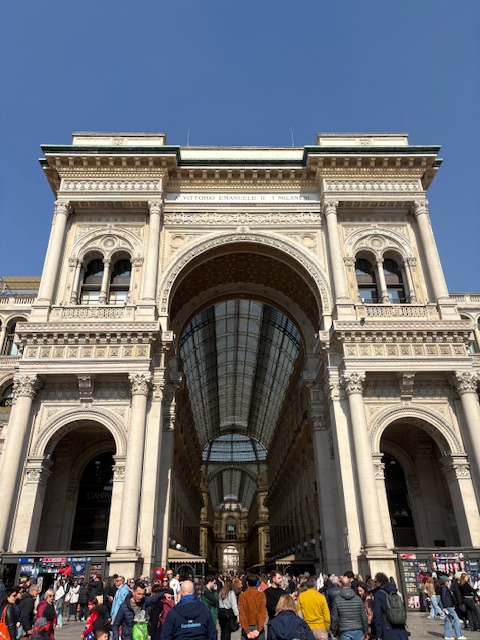
    The famous Galleria in Milan.

    Oh, the Places You’ll Go!

    Just where will a travel itinerary with Discover Your Italy take you? You can go where your heart desires, but here are a few examples of regions you might visit with the company’s assistance:

    • Umbria, located right in the heart of Italy and close to Tuscany. Although it’s similar to Tuscany, it doesn’t have the crowds or fame. In fact, Umbria has many hidden gems. Perugia, the Umbria-based hometown for Discover Your italy, is famous for its Eurochocolate Festival in November (yum).
    • Abruzzo, about 2 hours from Rome and filled with national parks and coastline.
    • Basilicata, which is home to Matera, the oldest city in Europe.
    • Le Marche, famous for mountains, beaches, history, and art but lesser known than other regions.

    Yet if you’re looking to visit one of Italy’s more famous cities or regions, you’re still in luck when you work with Discover Your Italy. A private guide can take you and your travel companion through highlights in Florence, Rome, Venice, Sicily, the Dolomites, and lots more.
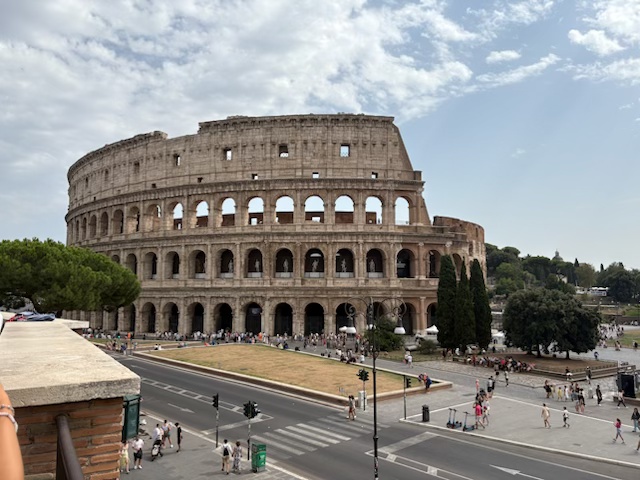
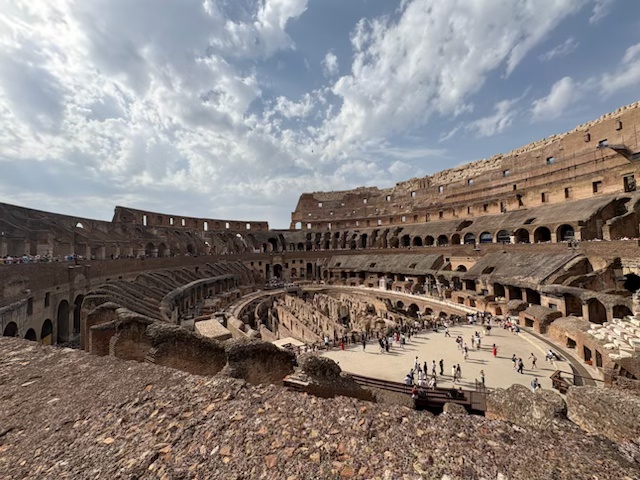
    Rome’s famous Colloseum. Picture shared by Jessica Caceres.

    In addition to customizable travel plans, other advantages of traveling with Discover Your Italy include:

    • Stays in boutique hotels
    • A private meet-and-greet when you arrive in Italy
    • Restaurant suggestions
    • Exclusive amenities
    • Pre-departure tips
    A restaurant view in Florence, Italy.

    Tips for Planning Your Trip to Italy

    Ready to buy that flight ticket to Italia now? Here are a few tips to keep in mind as you prepare for your Italy trip and once you’re onsite, as shared by Caligiuri:

    • Consider working with a tour company like Discover Your Italy to plan your trip. Italy has so much to offer, it can be overwhelming to plan. It also can be time-consuming. Planning on your own could cost you more and put you in danger of falling for tourist traps. Even planning transportation to different cities can get complex at times. “It’s important to know the behind the scenes, where the real Italian experiences are,” she explains.
    • Add less, not more. Tours to Europe/Italy often involve packing in many cities in just 10 to 14 days. Yet traveling at this rhythm can make it harder to really get to know each place. That’s why Discover Your Italy advocates for taking your time in just a handful of regions per trip, or even remaining in just one region. “You can really get to see a lot without getting stressed,” Caligiuri says.
    • Book six or seven months in advance. As you likely know, Italy is a popular travel destination. Booking in advance within a six- or seven-month timeframe helps you find the accomodations and travel plans you want.
    • Focus on understanding the culture from a local perspective. This will broaden your experience of Italy and help you appreciate how much the country differs even region by region.
    • Stay curious and stay open. “Italy has a lot of layers. We have history, art, food, nature, and landscapes. We have a lot of offerings for different kinds of people and interests,” Caligiuri says. By staying curious and open, you can experience the country’s different layers.
    • If you decide to work with Discover Your Italy for your Italy trip, let them know if you have any niche interests. Those special interests may become a part of your visit. If you or someone in your group enjoys fishing, for example, you may find yourself fishing while on your trip.

    For more information on Discover Your Italy, visit their website.

    You also can discover more about Discover Your Italy’s travel expertise in our article “Here’s Why to Visit Italy in the Winter and Off-Season.”

    Happy travels/buon viaggio!
  • Here’s Why to Visit Italy in the Winter and Off-Season

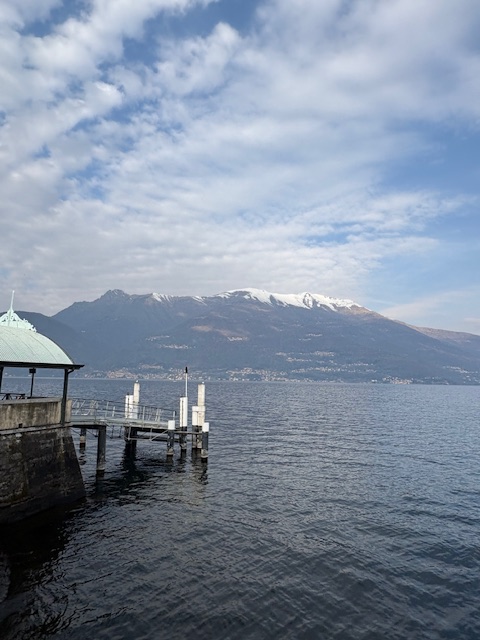
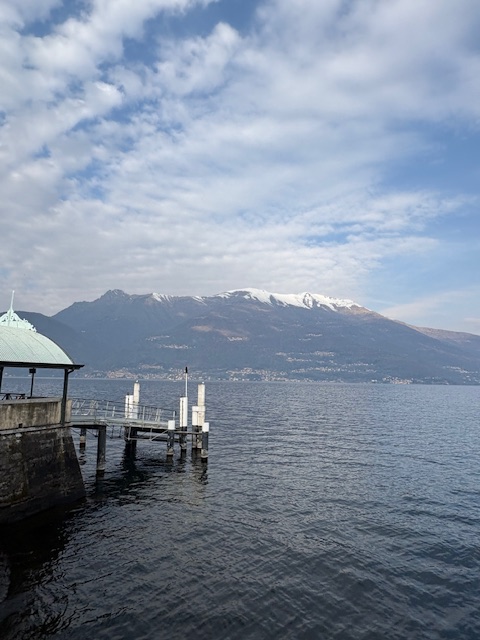
    Snowy mountains as seen from Lake Como, Italy, in early March. The winter can be a great time to visit Italy.

    Italy says “Buongiorno!” to about 70 million tourists this year (2025), with most arriving in the summer months. If you’ve been to Florence, Venice, or Rome that time of year, then you know what it feels like to have thousands of new friends who all want to visit the same places as you, right?

    If you’re an astute traveler, you may be asking yourself what it’s like to visit Italy other times of the year, such as in the winter or off-season. The good news: There are some real advantages if you’re willing to brave a little cold.

    Let’s take a look at why you should consider visiting Italy in the winter or off-season months. Then we’ll suggest a few choice destinations for those quieter months.

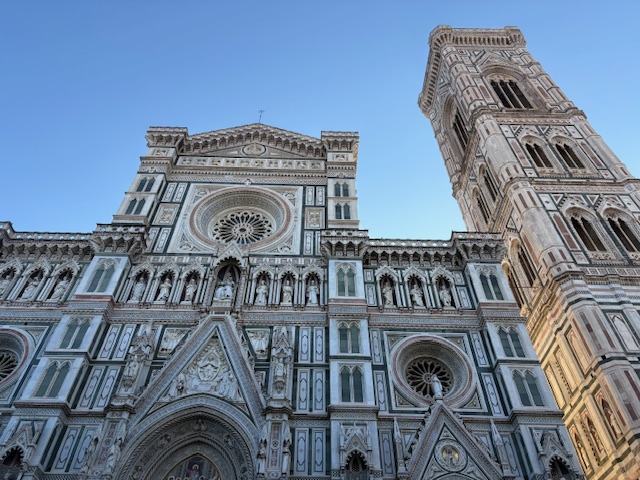
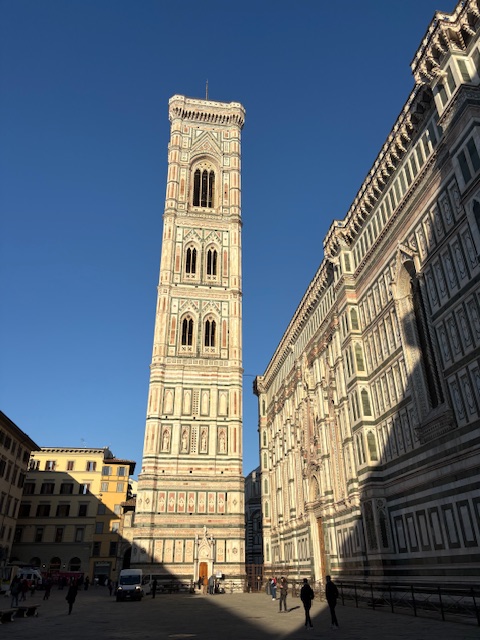
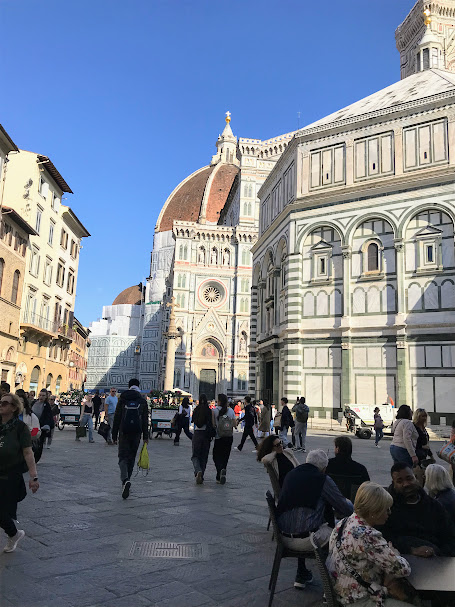
    Florence’s Duomo/Cathedral looks impressive any time of the year.

    Why to Visit Italy in the Winter or Off-Season

    You’ll have more destinations to yourself

    We’re not saying you’ll be the only tourist there, but most destinations will have fewer people. Enjoy the so-called la dolce vita with fewer visitors! It’ll make it a lot easier to book museums, hotels, etc.

    Enjoy cooler temps

    Let’s face it, Italy can get hot in the summer. Walking around Rome, Sicily, and even Milan in June, July, or August can get uncomfortable. Although many places have air conditioning, it’s not as chilly cold by default as in the U.S. The solution? Bring a coat, scarf, and gloves, and come in the winter!

    Plus, keep in mind that Italy has a diverse climate depending on where you go. For instance, Milan’s temps can average in the 40s (Fahrenheit) in the winter, compared with average temps in the 50s (Fahrenheit) in places like Puglia and Sicily.

    We visited Florence, Milan, and Lake Como in early March and got around most days with the requisite jacket and scarf. One day in Milan even reached near 70 and was sunny.

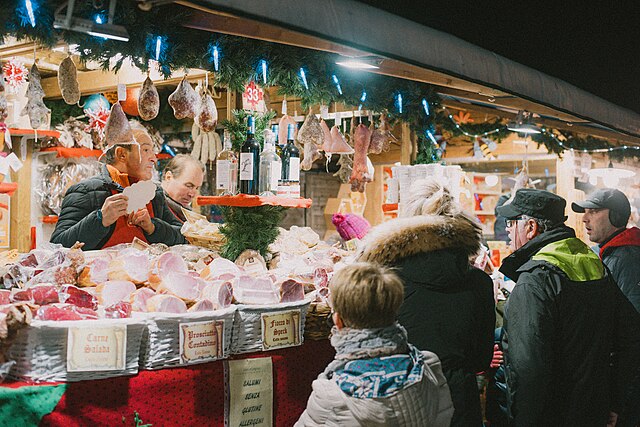
    A Christmas market in Trento, Italy. Picture from Wikimedia Commons.

    Christmas markets!

    Whether you’re familiar with European Christmas markets from previous in-person visits or just Hallmark movies, this shopping experience is a real pleasure. Find dozens of vendors with hand-crafted Christmas items that are perfect as unique gifts for others or souvenirs for yourself.

    Here are a few Italian areas famous for their Christmas markets, according to the tourism operator Discover Your Italy-FuorITinerario:

    –Trento in north Italy

    –the Dolomites, a chain of mountains in north Italy

    –Florence, which features a German-style market

    –Arezzo in Tuscany, which takes on the feel of a Tyrolean village

    –Rome, where you can find a festive market feel in Piazza Navona

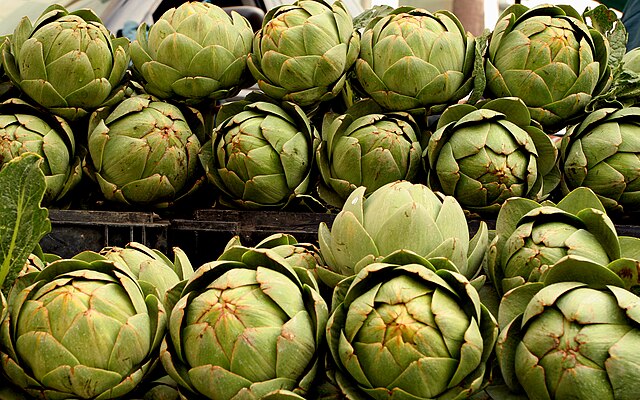
    Artichokes are one vegetable that some Italian residents enjoy more in the winter.

    You can try different types of foods

    It’s no secret that Italy is known for terrific food. With eating in Italy a hyper-local experience, it’s probably also not a surprise that food changes seasonally there based on what’s available at certain times of the year.

    So, the special dishes you may have in the summer could have a completely different feel in the winter or other times off-season. One Rome resident we spoke to sung the praises of artichoke dishes in the winter. Root vegetables like potatoes as well as greens are commonly in season in the winter, and citrus season in Sicily (like blood oranges and regular oranges) goes through the winter and spring–just like here in our home state of Florida.

    The Dolomites in northern Italy welcome visitors in the winter and year-round.

    Pursue winter sports

    If you’re into skiing, snoeshowing, ice skating, or other winter sports, then visiting Italy in the winter is an obvious choice. You’ve got your pick of mountainous destinations (see below). The Winter Olympics held in 2026 in and around Milan and the town of Cortina will further shine a spotlight on Italy as a winter destination.

    You’ll need to find different angles for pictures in the winter and off-season in Italy. This picture, taken in Sicily, is from Wikimedia Commons.

    Get new perspectives for pics

    A view of Italy in the summer, with historic buildings drenched with sun and everything colorful? That’s low-hanging fruit. Yet how do make those same buildings look interesting on a rainy, cold day? If you’re into photography, visiting Italy in the winter can become a fun photographic challenge. If you’re creative enough without using filters on your phone, you can still have blockbuster pics from your trip.

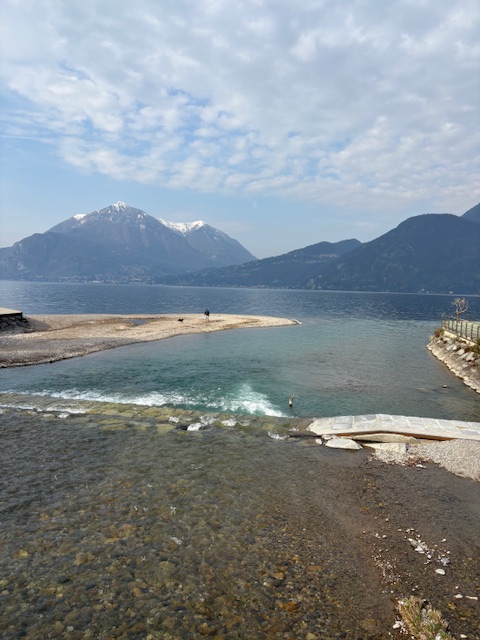
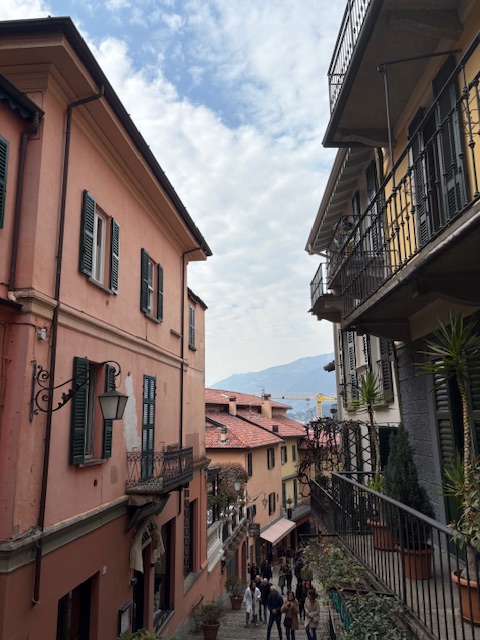
    Bellano, Italy, on Lake Como, in early March.

    6 Places to Visit in Italy in the Winter

    Here are six specific destinations to consider in Italy for the winter or off-season. Don’t be afraid to explore areas outside the typical big-city destinations.

    The Dolomites

    This mountain chain that spans several northern Italian regions can become your winter playground for sports or relaxing by a fire. With its close proximity to Austria, both Italian and German are commonly spoken here.

    Lake Como

    This famous destination in north Italy, just an hour by train from Milan, will lead you with charm through towns like Bellano and Bellagio. Hop on a train to traverse between towns. The ferry on the lake operates year-round although it’s on a reduced schedule in the winter. Find out more about day tripping around Lake Como with our articles here and here.

    Florence

    For the heart of Renaissance art and culture, you can’t go wrong with Florence. Find Christmas markets if you visit around the holidays, or find fewer crowds if you visit in the months thereafter. You’ve probably read enough about Florence elsewhere, so we’ll just share our article about eating in Florence, here.

    You also can find Christmas markets in Rome, Venice, and Naples. Naples is well-known for its living nativity scenes, or presepi.

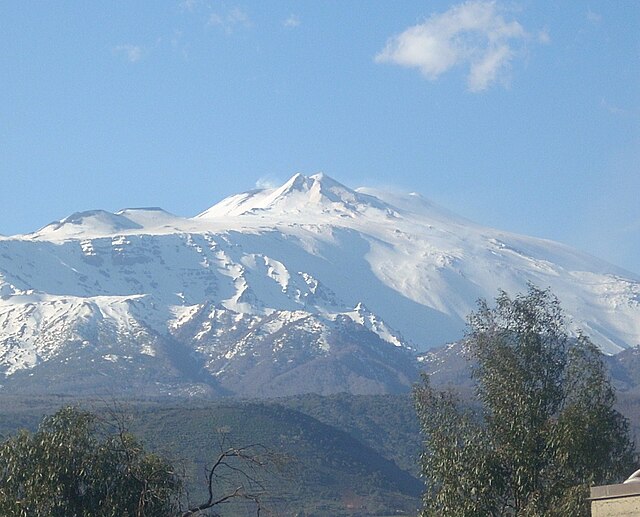
    Sicily’s Mount Etna in the winter.

    Sicily

    Sicilia in the winter? It’s definitely worth considering! Bigger cities like Palermo and Catania may have enough going on to keep you busy, but smaller resort towns like Cefalu may be pretty dead, according to the blog Adventurous Kate. Still, if you want some Sicilian culture and quieter views and don’t mind some potentially rainy weather, you still could have a great trip. Some people even go skiing on Mount Etna. Plus, you’ll find several winter festivals as well as Christmas markets.

    Cortona

    The town of Cortona in Tuscany (not to be confused with Cortina, the site of the Olympics) has medieval charm and wonderful artisan markets around Christmas, according to Discover Your Italy. You can even find a Floating Christmas Tree. “This area is perfect for travelers seeking a quieter, heartfelt experience rich in culture and tradition,” Discover Your Italy reports.

    Beautiful Bormio, Italy. Picture from Wikimedia Commons.

    Bormio and Vatellina

    Yet another recommendation from Discover Your Italy, find skiing and spas in the Alps-based towns of Bormio and Vatellina in Lombardy in north Italy. The towns combine famous ski slopes with Roman-era stone pools, hydrotherapy, salt rooms, and a UNESCO railway that takes you from Tirano into Switzerland.

    Buon viaggio!
  • Byways of Italy Brings You Closer to the Good Life in Italy

    Enjoy views of the Coliseum in Rome or any other sights you wish with a Byways of Italy tour. Picture shared by Jessica Caceres.

    If you’ve ever dreamed of getting to know Italy up close and personal but you’re not sure where to start, then the Rome-based company Byways of Italy is a great place to start.

    Byways of Italy is a tour operator and destination marketing company (DMC) that creates customized travel itineraries and provides experiences at Italy’s iconic destinations as well as lesser-known gems, says founder Manuela Mocci.

    The company began in 2021 in response to a growing demand from travelers looking to rediscover Italy after the COVID-19 pandemic. It focuses most frequently on cultural and food and wine experiences along with a commitment to conscious, responsible travel, Mocci says.

    Florence, Italy.

    What Makes Byways of Italy Different?

    Byways of Italy’s travel advisors work closely with clients to create a customized travel experience.

    “I would say that clients choose us because of the balanced mix in our proposals, combining the most well-known spots with off-the-radar day trips offered at the right pace, and the dedication we bring from the start,” Mocci says.

    The company’s typical client will be a couple or family that’s from Australia, the U.S., Canada, or Latin America. Although Byways doesn’t usually work with large groups, they make an exception for multigenerational families.

    “Our correspondence with clients sometimes lasts months or even over a year, allowing us to get to know their preferences, build trust, and carefully curate every detail of their journey,” Mocci explains.

    A view of Lake Como in northern Italy.

    Although travel options abound online, many people still want the value of working with local experts.

    “Younger travelers often want unique experiences that are hard to find online, and they don’t have much time to dedicate to planning,” Mocci says. “Older travelers can feel overwhelmed by the amount of information available on the web and are looking for someone they can trust to provide guidance and support when needed.”

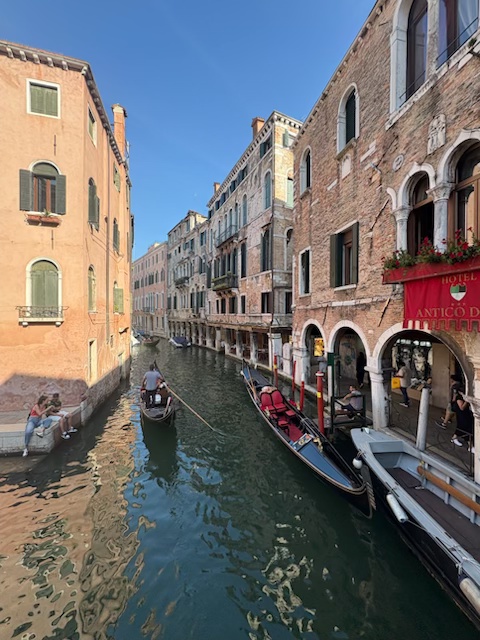
    A classic view of Venice, Italy. Picture shared by Jessica Caceres.

    Where Can You Go With Byways of Italy?

    Instead of asking, “Where can you go with Byways of Italy?”, perhaps the better question to ask is, “Where do you want to go?”

    Do you want to take a relaxing bike ride along Lake Garda? Live the luxe life on a yacht cruise on Sardinia’s coastline and enjoy an onboard fish lunch? Or, do you just want to meander in the countryside of the region of Marche and sample authentic food and wine while you stay at a local agriturismo (a farm-based home that usually offers activities like tours or cooking classes)?

    All of this and more are possible with the help of Byways of Italy. That’s because it specializes in customized tours.

    “We add special touches to make each trip one-of-a-kind, especially for occasions such as honeymoons and anniversaries,” Mocci says.

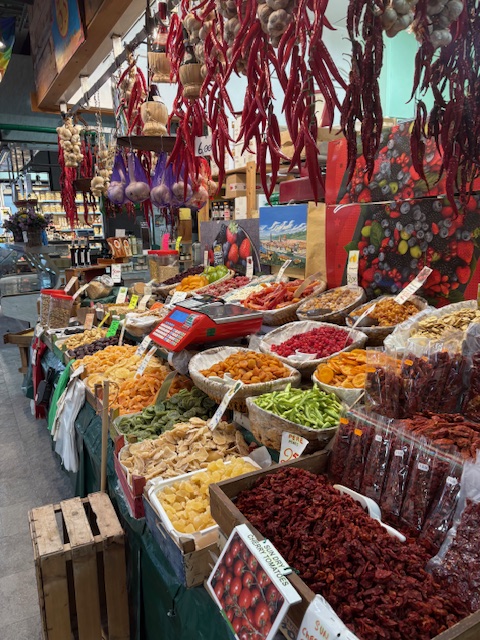
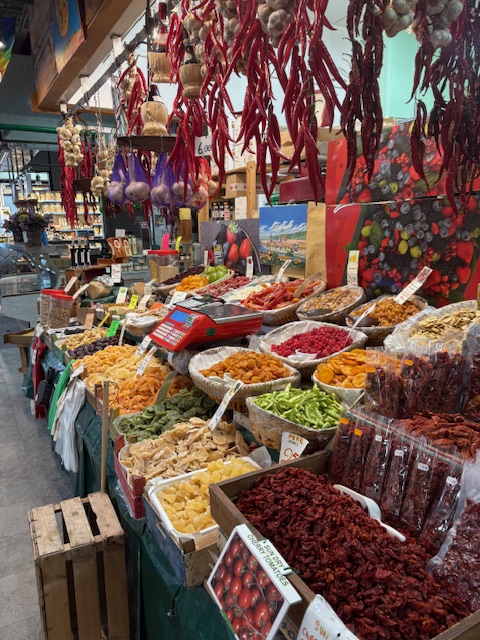
    Mercato Centrale in Florence, italy.

    However, Byways also offers classic tours to help you get to know Italy better. Here are a few popular highlights:

    The 10-Day Italy Tour features Milan, Venice, Florence, and Rome. Activities you can enjoy include a guided tour of Milan’s Duomo (cathedral), a private boat tour on famous Lake Como, a sightseeing tour of Venice with a Venetian apertif, a visit to a glass factory in Murano, a guided tour of Florence’s famous art museums, and a walking tour of Rome’s main monuments. Of course, no classic Italy tour is complete without wine tasting in the Tuscan countryside!

    A Journey of Self-Discovering in Tuscia. Get off the beaten path for this 7-night/8-day tour in Tuscia, located in the Lazio region near the border with Umbria and Tuscany. This remote area helps you enjoy less crowded ancient Italian towns and connect with yourself and your loved ones. Take a guided tour of Tuscania, relish in the thermal baths in the town of Viterbo, spend a day at a family-run winery, and visit the Palazzo Farnese to take in its awe-inspiring frescoes.

    Northwest Sardinia. For something truly different, book yourself a Byways of Italy tour to Northwest Sardinia. Sardinia is an island off of Italy’s western coast and is one of Italy’s 20 regions. It has famous beaches but still has many parts that are less discovered compared with Italy’s bigger cites. This 10-day/9-night tour includes a visit to Alghero, which has a strong Catalan influence; a panoramic road trip to the colorful and historica town of Bosa, featuring the area’s vineyards; and a visit to the small village of Castelsardo.

    Some of the other tours via Byways of Italy include:

    –Milan and the lakes of North Italy

    –Sorrento and the Amalfi Coast

    –3 Days in the Tuscany Countryside

    –Procida, a fishing island in the Gulf of Naples

    Rome’s Coliseum. Picture shared by Jessica Caceres.

    Tips for Planning Your Trip to Italy

    As you plan your trip to Italy, there are some general travel tips you should follow, Mocci recommends:

    Begin to plan your trip 6 to 8 months in advance so you have more options and better prices.

    Keep a running list of useful information and points of interest about your destination, such as attractions, museums, bars/restaurants, streets, etc.

    Buy those museum tickets ahead of time. “During high season, tickets for the most famous museums sell out quickly and need
    to be booked in advance. This will help you save some time,” Mocci says.

    Double check schedules in advance. Some museums and cultural sites may be closed when you least expect it, especially in small towns or outside of peak season.

    Don’t overplan. “Leave space for unexpected discoveries and improvisation, and make sure to leave time to rest, enjoy a coffee in a nice bar, or take a leisurely walk through the center,” Mocci says.

    Mocci shares some final wise thoughts: “Travel isn’t about ticking
    boxes, it’s about finding experiences that feel meaningful to you,” Mocci says. “What one traveler enjoys might not suit another, and that’s what makes every trip personal.”

    To contact Byways of Italy about your Italian trip, find them online at BywaysofItaly.com. You can also message them through the following contact form on their website.

    Beautiful Bellagio in Lake Como, Italy.

  • 12 Facts About Italian Food in Italy That May Surprise You

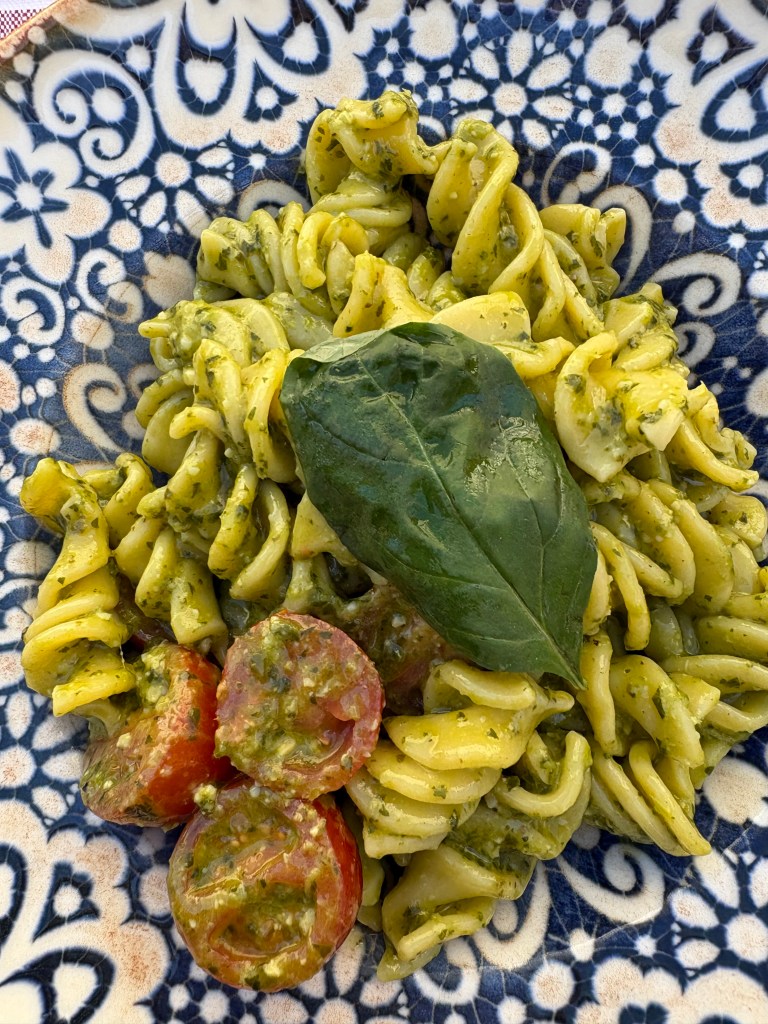
    An amazing pesto pasta dish in Florence, Italy.

    Many people outside of Italy looooovvvveee Italian food, including here at Italy Dreams. Our favorite food was pizza growing up–OK, so maybe it was Pizza Hut pizza, which would make real Italians shudder (hey, we were in the D.C. suburbs, not New York or New Jersey!). And pasta and risotto dishes are a regular part of the meal rotation at Casa di Italy Dreams.

    In any case, traveling to Italy is eye-opening when it comes to Italian food, as you start to learn what cibo Italiano (Italian food) actually is versus Italian-American food.

    We gleaned many of these tips during a 2025 visit to Italy, while others were discovered online. And we’d be happy to continue the food conversation in the future.

    You’re welcome for the yummy food pictures throughout. 🙂

    Mercato Centrale (Central Market) in Florence, Italy.

    The Big Picture

    1. Italian food differs drastically by region.

    When we say “Italian food,” we’re making a huge generalization. That’s because Italian food can differ drastically by region. Italy has 20 different regions, each with its own distinct food, wine, cheese, bread and desserts. Heck, food can sometimes even differ by town. Pizza and pasta may be popular throughout the country, but there are even variations there. Risotto, for example, is an Arborio rice-based dish popular in northern Italy. Couscous is famous in the island region of Sicily (see tip 12).

    We’ve found the book “Rick Steves Italy for Food Lovers,” by Rick Steves and Fred Plotkin, to be particularly useful in understanding different regional foods. You’ll discover where cannoli originally are from (Sicily), where cinghiale (wild boar) is most common (Tuscany), and lots more.

    2. Eating local is a way of life.

    In the U.S., we like to tout that we’re eating local if we’re eating a dish with produce grown within our state or region. In Italy, eating local takes on a whole different meaning. The whole meal may come from the town where you’re eating the meal. The person preparing the meal may have even picked the produce or helped raise the chickens. It’s no wonder that Italian cuisine is known to be so yummy, with such fresh and in-season ingredients.

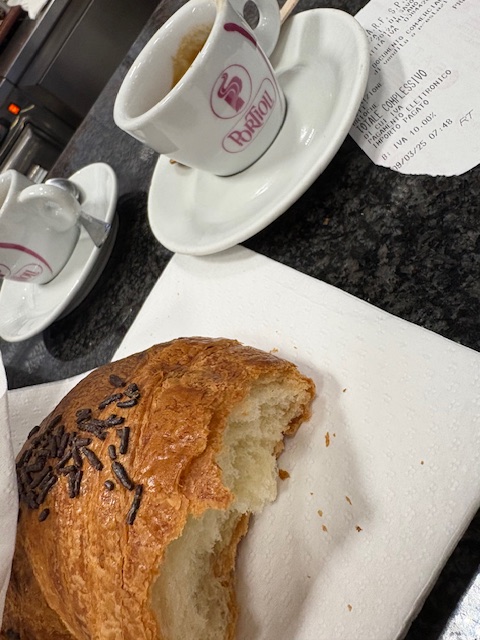
    A crossaint and an espresso is a typical Italian breakfast option.

    Eating Breakfast/Colazione

    3. Breakfast is light.

    Let’s face it, Italians as a whole stay slim for all the food that they eat. One secret may be that they keep their breakfast, or colazione, light. Un cornetto e un espresso–or a crossiant and an espresso–is a common Italian breakfast. Some may add yogurt or fruit as well.

    4. A latte will get you milk, not coffee.

    The word latte means milk in Italian. For Starbucks fans like us, latte means something different, right? It’s what you order when you want a coffee-and-milk combo. So, don’t walk into an Italian food establishment or bar and ask for a latte unless you want just milk. And you may want to study other phrases for ordering coffee, as saying the wrong phrase could lead you to an alcohol-infused drink (which, hey, you may still enjoy).

    Breakfast pastries at a shop in one of Milan’s train stations.

    5. Italians don’t nurse a coffee all day.

    Like many Americans, we at Italy Dreams find it comforting to nurse our coffee for awhile, like it’s a baby that needs affection. Italians–not so much. Those espressos are small and meant to be consumed rapidly. Keep in mind that they also pack a caffeine punch. So, what they lose in “coffee nursing” time, they still make up for with a caffeine jolt.

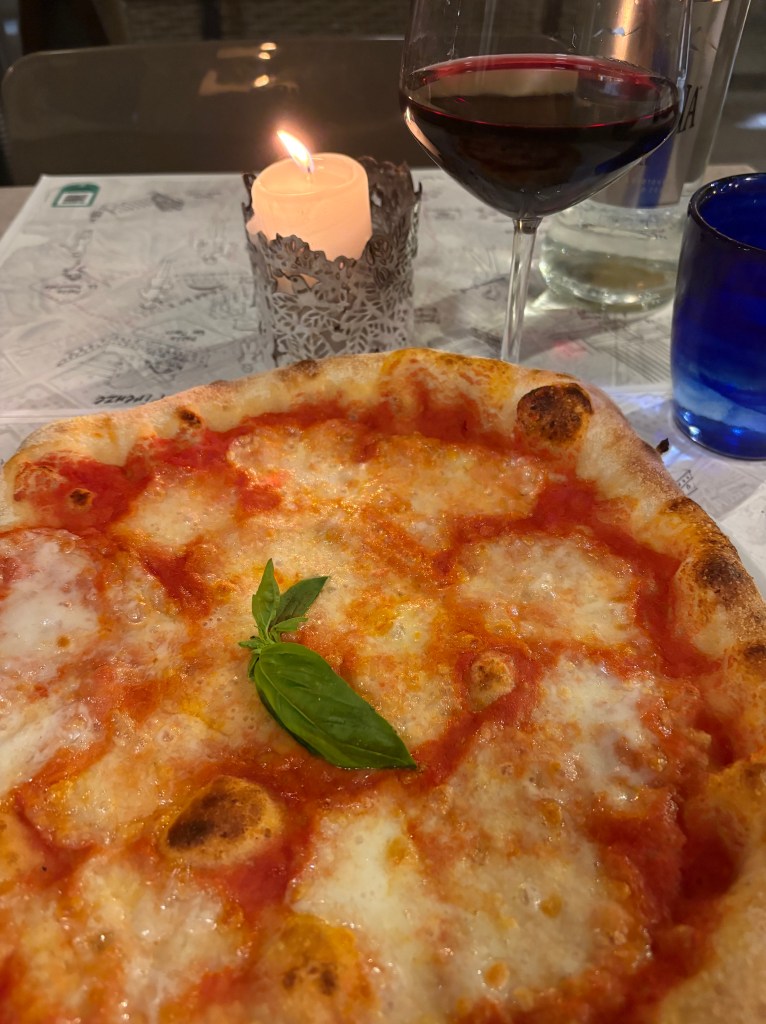
    We hear that Italians drink beer when they have pizza–but this combo of pizza and vino was still a delight.

    Pizza & Pasta

    6. Italians eat a lot of pasta.

    This fact may not be too surprising. After all, pasta is perhaps Italy’s best-known food. However, did you know that the average Italian eats 50 pounds of pasta (23 kilograms) a year? That compares to 20 pounds a year in the U.S. on average per person–which is still a heck of a lot of pasta.

    The cool thing is that Italians have so many different ways to prepare pasta–and so many different types. Just go to a supermarket or other market of choice while you’re there to see what we mean.

    7. Italians like their pasta al dente–and they eat it with a fork.

    Al dente means “to the tooth.” The end result is pasta that’s still a little firm when eaten. Overcooked pasta is not common. And don’t cut your pasta with a fork and knife! They will use a fork to eat their pasta, thankyouverymuch.

    One quick kind-of-related story: We once taught English to a group of Italians here in the U.S. and mentioned that we put olive oil in the water as we cooked pasta. The look of horror on their faces could have stopped a ghost. We learned that day that salt goes in the water to cook pasta, and the olive oil goes on the pasta afterwards.

    8. Don’t look for pepperoni pizza or Hawaiian pizza in Italy.

    Italians in Italy aren’t seeking out pineapple on their pizza. They also aren’t fans of pepperoni pizza like we are here in the U.S. However, you can get peperoni pizza (notice only one “p”), which will get you a pizza with bell peppers. You also can get pizza diavola, or Devil’s Pizza, which uses spicy salami that resembles pepperoni as we know it.

    9. You’re not at Olive Garden anymore, Toto, so there’s no dipping bread in oil and vinegar.

    You may get bread with your Italian meal, but Italians commonly use it to dip into the sauce and oil leftover from the pasta or other dish they’ve eaten. This practice is called fare la scarpetta, which means to make a little shoe. Cute.

    There’s not usually garlic bread either. Sorry.

    A pasta dish in Florence, Italy.

    10. You also won’t find spaghetti with meatballs.

    However, you can order meatballs as a separate dish called polpette.

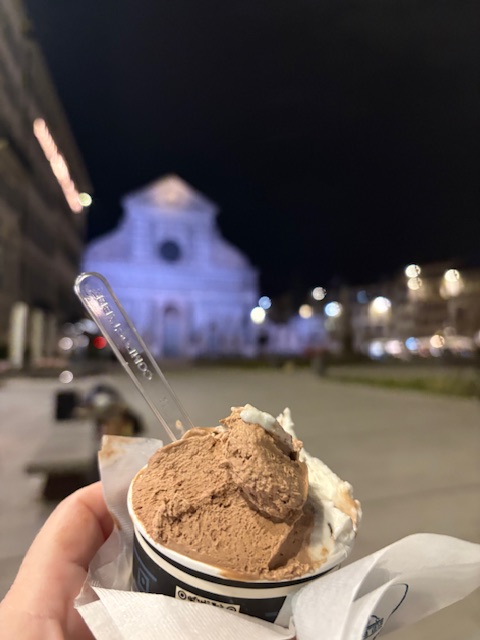
    Gelato outside Santa Maria Novella in Florence. Yummm……

    Miscellaneous

    11. Gelato isn’t the same as ice cream.

    There’s a lot of gelato around Italy, and for good reason. It’s soooooo good. But it’s not the same as ice cream. Gelato is actually made with more milk than regular ice cream and doesn’t include eggs. It’s also denser. Make sure to look for gelato that has more natural colors versus bright colors (which could mean that the gelato was dyed).

    12. There’s a Couscous Fest in Italy that you might want to attend.

    When you think of couscous, you think of the Middle East, right? Yet couscous is actually a specialty in Sicily (among its many food specialties). There’s a Cous Cous Fest each year in Palermo, Sicily, each year attracting more than 200,000 visitors. It also brings in musical guests and has become a huge celebration.

    Hungry yet?

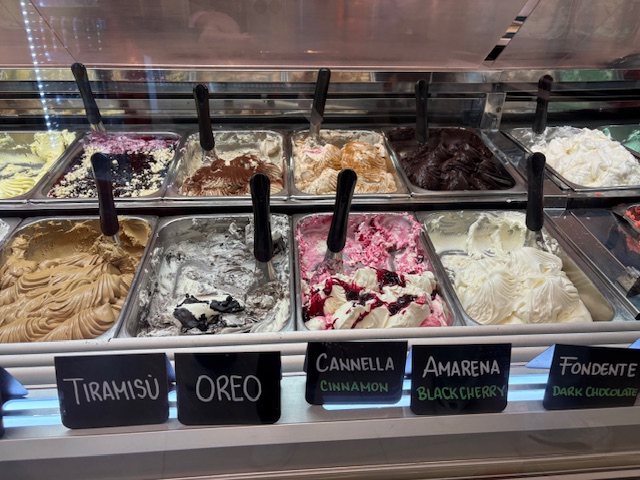
    Gelato as seen in a shop in Florence, Italy.

  • What’s It Like to Tour in Tuscany? A Tour Leader Gives Us the Details!

    Beautiful Florence, Italy. All pictures with this article taken by tour leader Renata De Masi.

    Tour guides and tour leaders in Italy have a pretty sweet deal. They spend their time surrounded by Italian art, history, and food, and they get to share it with others (sign us up, please!).

    Tour guides and tour leaders in Italy also have the scoop on best ways to prep for your Italian adventure. Italy Dreams interviewed Tuscany-based tour leader Renata De Masi, and we definitely learned a lot based on her experiences. If you’re with a tourism agency and you’d like to work with her, you can find her contact information at the end of this article.

    Tour leader Renata De Masi in San Gimignano, Italy.

    Italy Dreams: So, how did you become a tour leader?

    Renata D.: I think I was born a traveller! Since I was a teenager, when my parents said that we were to take a trip, I was filled with joy! Packing, visiting new places, meeting new people, new foods…everything seemed fascinating.


    Growing up I continued to travel in Brazil (I was born in Brazil from an Italian family) and abroad but strangely enough, I did not decide to work in the tourism industry.

    I was working in an office for years and years. Then, I decided to change everything and take a sabbatical from work and move to Italy. My life changed for real—I married a Florentine and got into the Italian mindset of tourism!

    In this wonderful country where art and beauty are everywhere, it enticed me to become a tour leader. And I’m so glad I did. It’s just the job for me, both the beauty and being in contact with people.
    I love seeing the joyful faces of my tourists when we arrive in Tuscan cities!

    Florence, Italy, where you can see part of the Duomo (cathedral).

    Italy Dreams: For how long have you been a tour guide in Tuscany?

    Renata D.: I’d like to specify that I’m a tour leader. In Italy, there are differences between a  tour leader and a tour guide, and we must respect the differences.

    To become a tour leader, you have to pass a licensing exam at a regional or provincial office to obtain a license. After that, you also have to obtain a license issued by your municipality of residence, and then you’ll be registered in the regional register of tour leaders.

    To become a tour guide, you must take a National Licensing Examination for the profession. After passing the Licensing Examination, candidates will be enrolled in the National List of Tourist Guides established at the Ministry of Tourism.

    So, back to me. I have been a tour leader since 2016 after passing the licensing exam. I started the Tour Leader course in 2015 and it took almost 9 months of study. I did 450 hours of practice with an agency. When I got my license, I started to work for that agency.

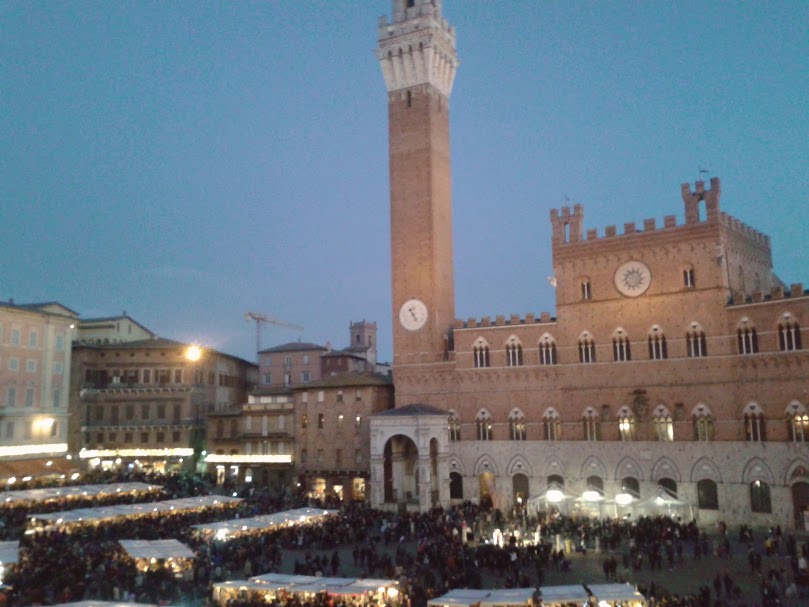
    Siena, Italy.

    Italy Dreams: Where are some of the places that you take tour groups? Which places are most popular?

    Renata D.: Tuscany is a wonderful region of Italy and even if you live here, there is always a place to discover. Sunday is the famous day for the ‘giratina fuori porta‘ (Sunday outside tour). Every Italian likes to do that.

    Florence is an open-air museum and should be visited with a tour guide who will tell the story of the Medici family and how they loved this city.

    Basically, we do daily tours from Florence to Siena, San Gimignano, Monteriggioni, the Chianti area, Pisa, Lucca, Montalcino, Pienza and Montepulciano.

    Every day we take tourists to these cities, and people end the day with so much beauty inside that no photo can ever express the reality!

    As a first approach, these tours are very good for those who do not want to plan the trip themselves and don’t want to worry about transportation and various logistics.

    One special city I’d like to mention is Volterra. Volterra is a city founded by the Etruscans and is famous for alabaster working. There is so much to see in this town and its historic center is very beautiful! (Note from Italy Dreams: Volterra is the city that appears in the movie “Twilight: New Moon.” )

    Certaldo, the upper part of Volterra, is a walled Medieval Village and the lower part is modern. It is famous in the summer for its Mercantia Festival where you will find art, dance, theater, music and juggling throughout the streets of the town.

    There is so much to see and so many other cities to discover!

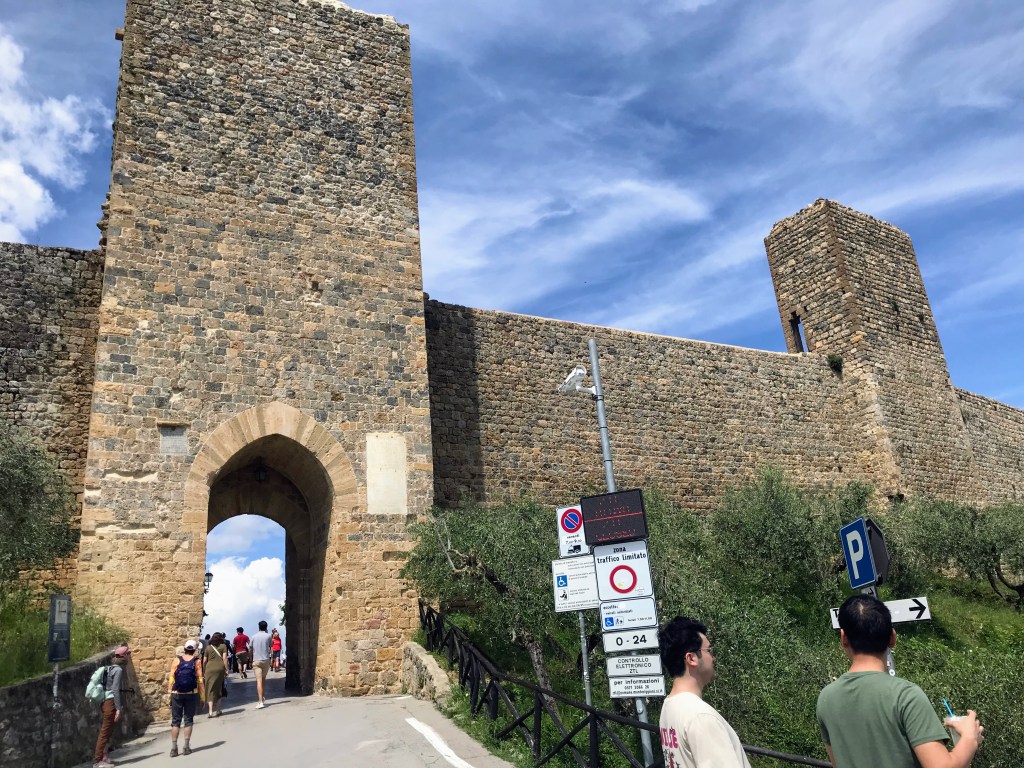
    Monteriggioni, Italy.

    Italy Dreams: What are some questions you commonly get from visitors about places you visit?

    Renata D.: Some tourists are very interested in Italian art and history. For example, there are unique places in Italy, such as the towers of San Gimignano or the Leaning Tower of Pisa, so these places normally have a lot of curiosity.


    People also ask a lot about the food and wine of each Italian region. They ask me about when it’s OK to drink a cappuccino. Let’s dispel the myth: It is not forbidden to drink a cappuccino after 12 o’clock. Sometimes, you can even snack on a cappuccino. But we don’t drink cappuccino with pasta. Noooooo! Pasta should be paired with a nice wine.

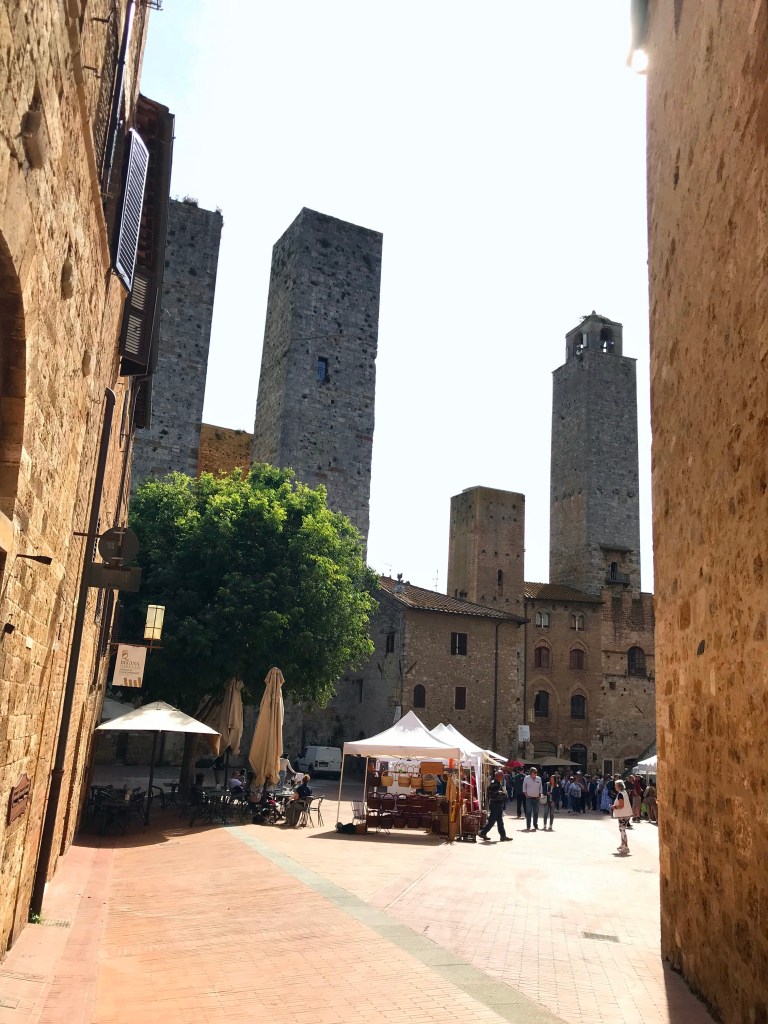
    San Gimiignano, Italy.

    Italy Dreams: What are a couple of things that you think visitors should know before visiting Tuscany or Florence?

    Renata D.: A lot of the cities in Tuscany are UNESCO Heritage Sites, and the buses can’t enter inside the city center. They have a parking lot made especially for them, and we walk with the group to the destination.

    My advice is to wear comfortable shoes in order to enjoy the tour.

    Prepare your trip in advance and obtain information about the cities you want to visit.

    Know that most of the sites in Tuscany were populated by the Etruscans and they began their settlement high in the hills as a matter of defense.

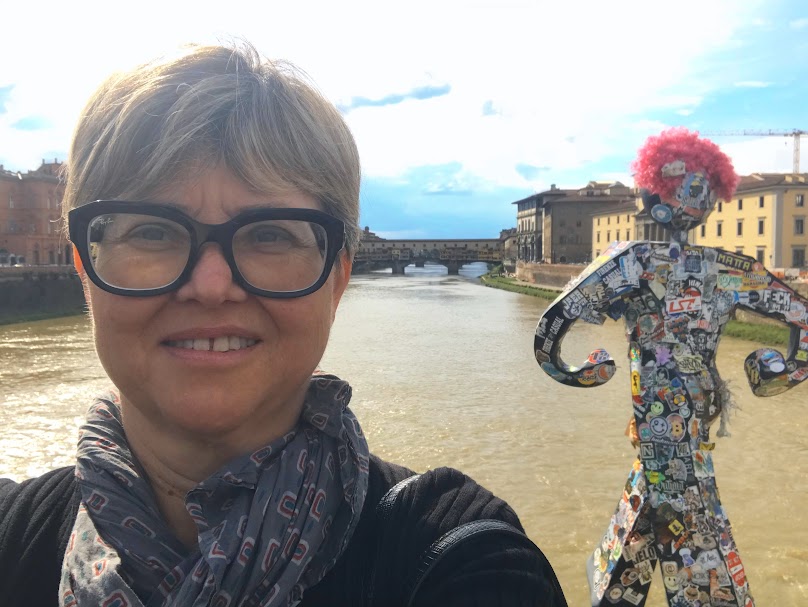
    Renata De Masi in Florence, Italy.


    Italy Dreams: What advice do you have for someone visiting Italy for the first time?

    Renata D.: Here are a few suggestions:

    1. Book tickets in advance. Italy is sought after, and tickets for attractions run out quickly. To avoid being disappointed, it is best to book tickets in advance.

    2. Carry some cash. It’s better to be safe than sorry!

    3. On regional and local trains throughout Italy, it’s important to validate your ticket before getting on board. Once you’re at the rail station, look for a green machine in which you can place your ticket to have the date and time stamped. Anyone who forgets is liable to pay a fine, which ranges depending on if you pay the controller on the spot.

    4. If you go on a tour with a tour guide or tour leader, they should have a license prominently displayed, so you are sure it is a professional in good standing and not a bogus one.

    5. In Italy, food is serious business, and table etiquette is always highly valued. Dress appropriately and be patient if the service is slower than you are used to. A few words in Italian like grazie and prego are very welcome!

    6. Pay attention to the calendar of village festivals where you are visiting. It is a lot of fun to be able to participate in events with Italians!

    7. Prior to booking a tour, read carefully all the activities that are included or if something is optional. Sometimes, you can lose a good chance to do a guided tour or enter inside a wonderful cathredal.

    8. A large number of artworks and tours are done inside the churches. Dress appropriately or otherwise, you will not be able to enter.

    Italy Dreams: How can people get in touch with you for tours?

    Renata D.: Certainly. We tour leaders are freelancers, and we can work with any travel agency in the world; we cannot work with individuals. If any tourism agency is interested in my work, please email me at demasire@hotmail.com.

    We will wait for you here in Italy!