Tag: Florence

  • Discover Your Italy Helps You Get Off-the-Beaten Path

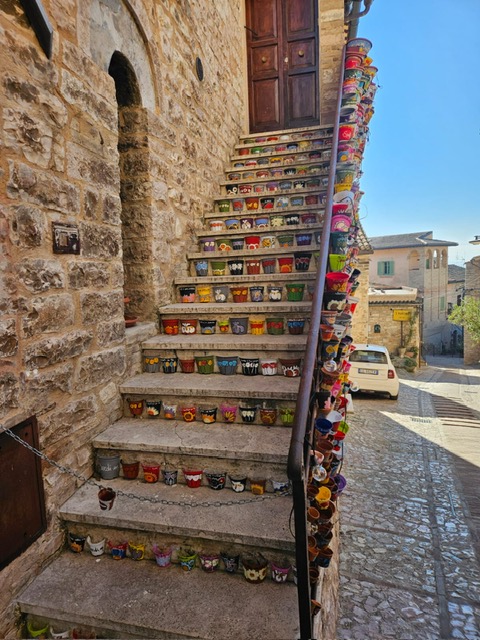
    Steps seen in the Umbria region of Italy, a lesser known destination you may get to know on a tour with Discover Your Italy. Photo shared by Aurelio V.

    Want to watch art restoration in progress behind the scenes in Florence? How about trying freshly pressed olive oil in southern Italy? Or taking a trek on top of the expansive Dolomites with a mountain guide?

    If you’re looking to discover Italy beyond the tourism check-off list like these activities, then get in touch with Discover Your Italy: Fuori Itinerario.

    Their name says it all. “Fuori Itinerario” means off-the-beaten path in Italian, and that says a lot about the types of travel that they offer.

    Discover Your Italy is based in Umbria, which itself is a region of Italy off-the-beaten path and less touristy than many other areas of the country. The tourism company also has an office in Milan, says Sara Caligiuri, a marketing specialist with the firm.

    The company was started by Matteo Della Grazia and Daniella Mencarelli, a husband-and-wife team who are passionate travelers and want to share the authentic beauty of Italy.
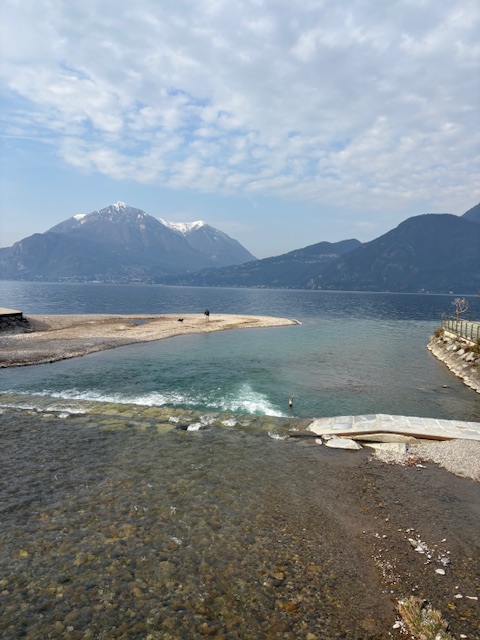
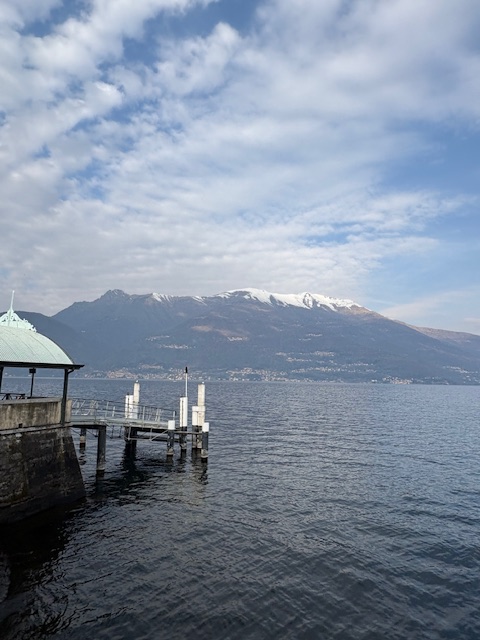
    A quiet view of Italy’s Lake Como, in northern Italy.

    Going Off-the-Beaten Path

    Discover Your Italy works with clients to find out their preferences so they can craft a custom itinerary for them, Caligiuri says.

    “It’s not just about the beautiful landmarks that everyone knows, but also the hidden gems,” Caligiuri says. “We are experts in Italy. Having a lot of connections is key for us. It’s important to know the suppliers and to have contacts with artisans and locals so we can craft authentic experiences.”

    The company specializes only in Italy so the knowledge of their country is deep.

    “Every itinerary is designed by the people who live in Italy, and everything that we recommend is because we personally know it. We don’t sell pre-packaged tours; everything that we sell is tailor -made and completely customized to the precise needs of the client,” Caligiuri explains.

    Discover Your Italy has many English-speaking/American clients, including many multigenerational travelers. What they’re looking for is comfort and expertise. “They don’t want to have a complication, they just want to enjoy their experience,” she says.

    Some, but not all, may have already seen the big cities like Florence or Rome or Venice and want something more in-depth. “We’ll combine cultural highlights with hands-on local experiences,” Caligiuri says.
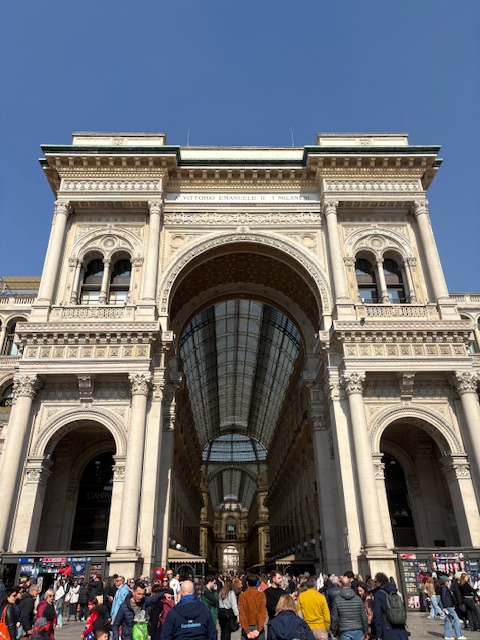
    The famous Galleria in Milan.

    Oh, the Places You’ll Go!

    Just where will a travel itinerary with Discover Your Italy take you? You can go where your heart desires, but here are a few examples of regions you might visit with the company’s assistance:

    • Umbria, located right in the heart of Italy and close to Tuscany. Although it’s similar to Tuscany, it doesn’t have the crowds or fame. In fact, Umbria has many hidden gems. Perugia, the Umbria-based hometown for Discover Your italy, is famous for its Eurochocolate Festival in November (yum).
    • Abruzzo, about 2 hours from Rome and filled with national parks and coastline.
    • Basilicata, which is home to Matera, the oldest city in Europe.
    • Le Marche, famous for mountains, beaches, history, and art but lesser known than other regions.

    Yet if you’re looking to visit one of Italy’s more famous cities or regions, you’re still in luck when you work with Discover Your Italy. A private guide can take you and your travel companion through highlights in Florence, Rome, Venice, Sicily, the Dolomites, and lots more.
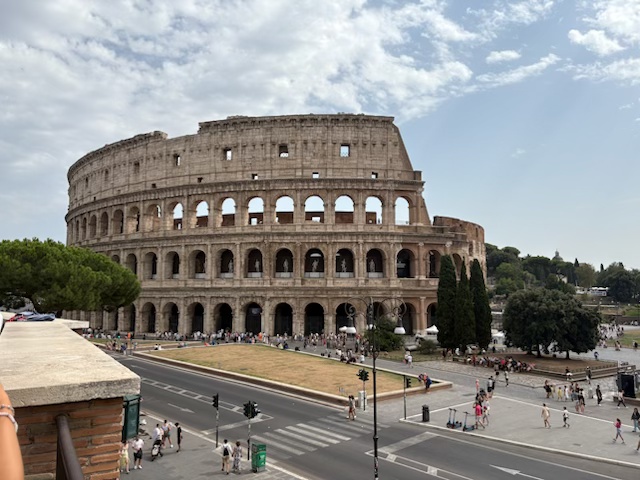
    Rome’s famous Colloseum. Picture shared by Jessica Caceres.

    In addition to customizable travel plans, other advantages of traveling with Discover Your Italy include:

    • Stays in boutique hotels
    • A private meet-and-greet when you arrive in Italy
    • Restaurant suggestions
    • Exclusive amenities
    • Pre-departure tips
    A restaurant view in Florence, Italy.

    Tips for Planning Your Trip to Italy

    Ready to buy that flight ticket to Italia now? Here are a few tips to keep in mind as you prepare for your Italy trip and once you’re onsite, as shared by Caligiuri:

    • Consider working with a tour company like Discover Your Italy to plan your trip. Italy has so much to offer, it can be overwhelming to plan. It also can be time-consuming. Planning on your own could cost you more and put you in danger of falling for tourist traps. Even planning transportation to different cities can get complex at times. “It’s important to know the behind the scenes, where the real Italian experiences are,” she explains.
    • Add less, not more. Tours to Europe/Italy often involve packing in many cities in just 10 to 14 days. Yet traveling at this rhythm can make it harder to really get to know each place. That’s why Discover Your Italy advocates for taking your time in just a handful of regions per trip, or even remaining in just one region. “You can really get to see a lot without getting stressed,” Caligiuri says.
    • Book six or seven months in advance. As you likely know, Italy is a popular travel destination. Booking in advance within a six- or seven-month timeframe helps you find the accomodations and travel plans you want.
    • Focus on understanding the culture from a local perspective. This will broaden your experience of Italy and help you appreciate how much the country differs even region by region.
    • Stay curious and stay open. “Italy has a lot of layers. We have history, art, food, nature, and landscapes. We have a lot of offerings for different kinds of people and interests,” Caligiuri says. By staying curious and open, you can experience the country’s different layers.
    • If you decide to work with Discover Your Italy for your Italy trip, let them know if you have any niche interests. Those special interests may become a part of your visit. If you or someone in your group enjoys fishing, for example, you may find yourself fishing while on your trip.

    For more information on Discover Your Italy, visit their website.

    You also can discover more about Discover Your Italy’s travel expertise in our article “Here’s Why to Visit Italy in the Winter and Off-Season.”

    Happy travels/buon viaggio!
  • Here’s Why to Visit Italy in the Winter and Off-Season

    Snowy mountains as seen from Lake Como, Italy, in early March. The winter can be a great time to visit Italy.

    Italy says “Buongiorno!” to about 70 million tourists this year (2025), with most arriving in the summer months. If you’ve been to Florence, Venice, or Rome that time of year, then you know what it feels like to have thousands of new friends who all want to visit the same places as you, right?

    If you’re an astute traveler, you may be asking yourself what it’s like to visit Italy other times of the year, such as in the winter or off-season. The good news: There are some real advantages if you’re willing to brave a little cold.

    Let’s take a look at why you should consider visiting Italy in the winter or off-season months. Then we’ll suggest a few choice destinations for those quieter months.

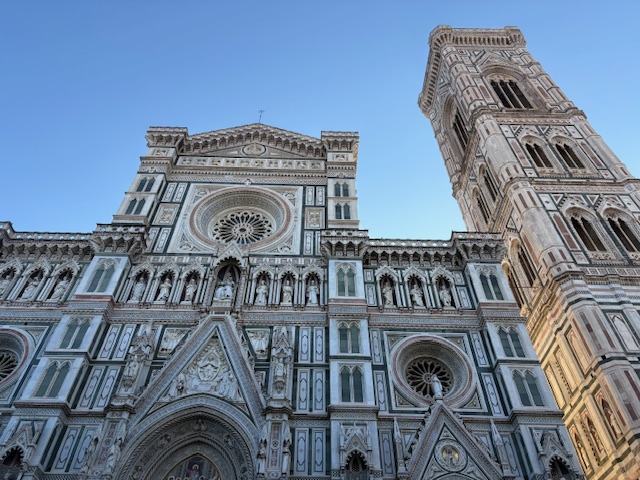
    Florence’s Duomo/Cathedral looks impressive any time of the year.

    Why to Visit Italy in the Winter or Off-Season

    You’ll have more destinations to yourself

    We’re not saying you’ll be the only tourist there, but most destinations will have fewer people. Enjoy the so-called la dolce vita with fewer visitors! It’ll make it a lot easier to book museums, hotels, etc.

    Enjoy cooler temps

    Let’s face it, Italy can get hot in the summer. Walking around Rome, Sicily, and even Milan in June, July, or August can get uncomfortable. Although many places have air conditioning, it’s not as chilly cold by default as in the U.S. The solution? Bring a coat, scarf, and gloves, and come in the winter!

    Plus, keep in mind that Italy has a diverse climate depending on where you go. For instance, Milan’s temps can average in the 40s (Fahrenheit) in the winter, compared with average temps in the 50s (Fahrenheit) in places like Puglia and Sicily.

    We visited Florence, Milan, and Lake Como in early March and got around most days with the requisite jacket and scarf. One day in Milan even reached near 70 and was sunny.

    A Christmas market in Trento, Italy. Picture from Wikimedia Commons.

    Christmas markets!

    Whether you’re familiar with European Christmas markets from previous in-person visits or just Hallmark movies, this shopping experience is a real pleasure. Find dozens of vendors with hand-crafted Christmas items that are perfect as unique gifts for others or souvenirs for yourself.

    Here are a few Italian areas famous for their Christmas markets, according to the tourism operator Discover Your Italy-FuorITinerario:

    –Trento in north Italy

    –the Dolomites, a chain of mountains in north Italy

    –Florence, which features a German-style market

    –Arezzo in Tuscany, which takes on the feel of a Tyrolean village

    –Rome, where you can find a festive market feel in Piazza Navona

    Artichokes are one vegetable that some Italian residents enjoy more in the winter.

    You can try different types of foods

    It’s no secret that Italy is known for terrific food. With eating in Italy a hyper-local experience, it’s probably also not a surprise that food changes seasonally there based on what’s available at certain times of the year.

    So, the special dishes you may have in the summer could have a completely different feel in the winter or other times off-season. One Rome resident we spoke to sung the praises of artichoke dishes in the winter. Root vegetables like potatoes as well as greens are commonly in season in the winter, and citrus season in Sicily (like blood oranges and regular oranges) goes through the winter and spring–just like here in our home state of Florida.

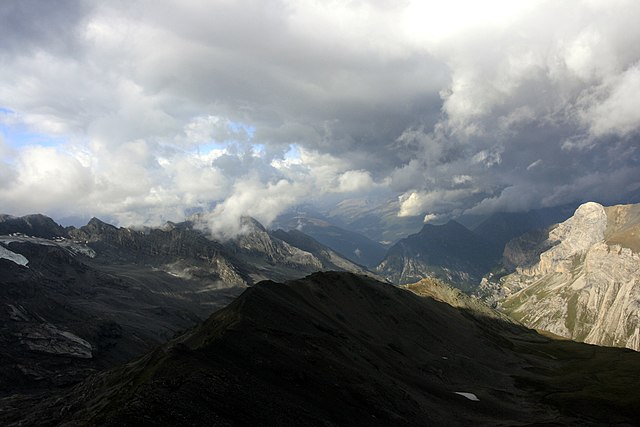
    The Dolomites in northern Italy welcome visitors in the winter and year-round.

    Pursue winter sports

    If you’re into skiing, snoeshowing, ice skating, or other winter sports, then visiting Italy in the winter is an obvious choice. You’ve got your pick of mountainous destinations (see below). The Winter Olympics held in 2026 in and around Milan and the town of Cortina will further shine a spotlight on Italy as a winter destination.

    You’ll need to find different angles for pictures in the winter and off-season in Italy. This picture, taken in Sicily, is from Wikimedia Commons.

    Get new perspectives for pics

    A view of Italy in the summer, with historic buildings drenched with sun and everything colorful? That’s low-hanging fruit. Yet how do make those same buildings look interesting on a rainy, cold day? If you’re into photography, visiting Italy in the winter can become a fun photographic challenge. If you’re creative enough without using filters on your phone, you can still have blockbuster pics from your trip.

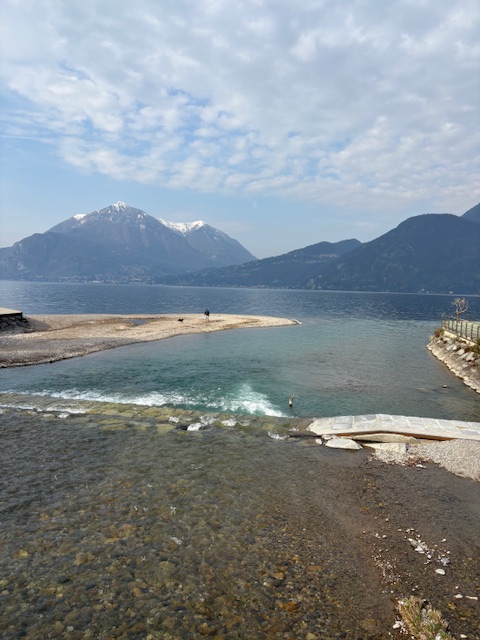
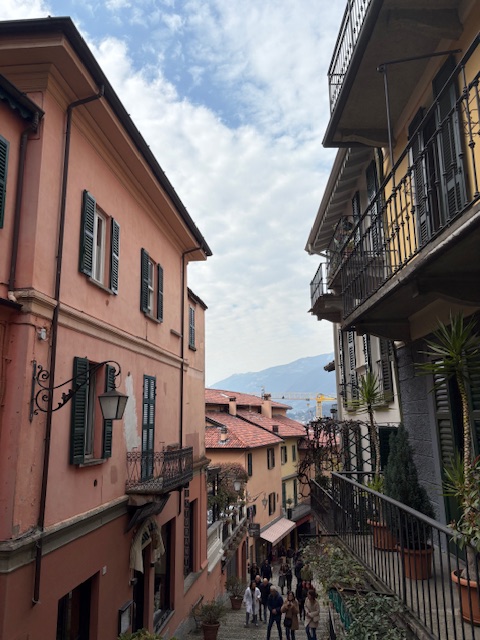
    Bellano, Italy, on Lake Como, in early March.

    6 Places to Visit in Italy in the Winter

    Here are six specific destinations to consider in Italy for the winter or off-season. Don’t be afraid to explore areas outside the typical big-city destinations.

    The Dolomites

    This mountain chain that spans several northern Italian regions can become your winter playground for sports or relaxing by a fire. With its close proximity to Austria, both Italian and German are commonly spoken here.

    Lake Como

    This famous destination in north Italy, just an hour by train from Milan, will lead you with charm through towns like Bellano and Bellagio. Hop on a train to traverse between towns. The ferry on the lake operates year-round although it’s on a reduced schedule in the winter. Find out more about day tripping around Lake Como with our articles here and here.

    Florence

    For the heart of Renaissance art and culture, you can’t go wrong with Florence. Find Christmas markets if you visit around the holidays, or find fewer crowds if you visit in the months thereafter. You’ve probably read enough about Florence elsewhere, so we’ll just share our article about eating in Florence, here.

    You also can find Christmas markets in Rome, Venice, and Naples. Naples is well-known for its living nativity scenes, or presepi.

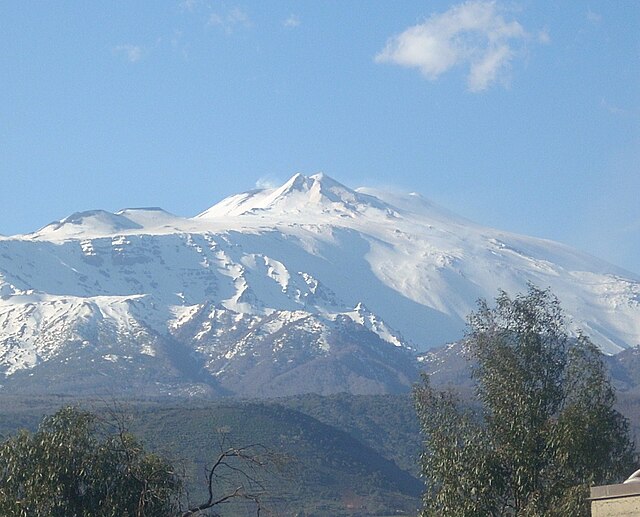
    Sicily’s Mount Etna in the winter.

    Sicily

    Sicilia in the winter? It’s definitely worth considering! Bigger cities like Palermo and Catania may have enough going on to keep you busy, but smaller resort towns like Cefalu may be pretty dead, according to the blog Adventurous Kate. Still, if you want some Sicilian culture and quieter views and don’t mind some potentially rainy weather, you still could have a great trip. Some people even go skiing on Mount Etna. Plus, you’ll find several winter festivals as well as Christmas markets.

    Cortona

    The town of Cortona in Tuscany (not to be confused with Cortina, the site of the Olympics) has medieval charm and wonderful artisan markets around Christmas, according to Discover Your Italy. You can even find a Floating Christmas Tree. “This area is perfect for travelers seeking a quieter, heartfelt experience rich in culture and tradition,” Discover Your Italy reports.

    Beautiful Bormio, Italy. Picture from Wikimedia Commons.

    Bormio and Vatellina

    Yet another recommendation from Discover Your Italy, find skiing and spas in the Alps-based towns of Bormio and Vatellina in Lombardy in north Italy. The towns combine famous ski slopes with Roman-era stone pools, hydrotherapy, salt rooms, and a UNESCO railway that takes you from Tirano into Switzerland.

    Buon viaggio!

  • 8 Tips to Be a Respectful Tourist in Italy and the Rest of Europe

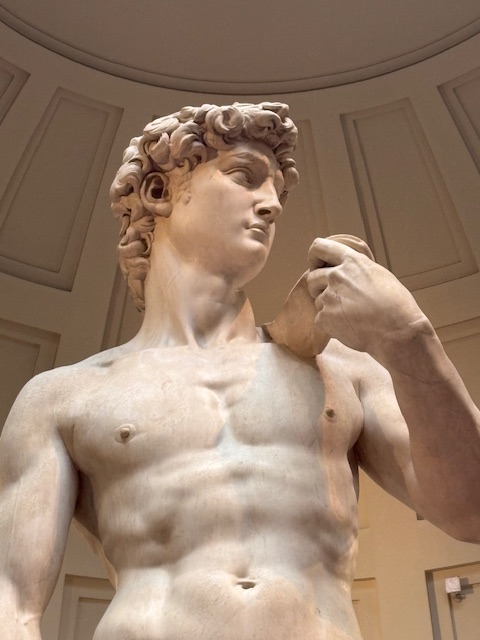
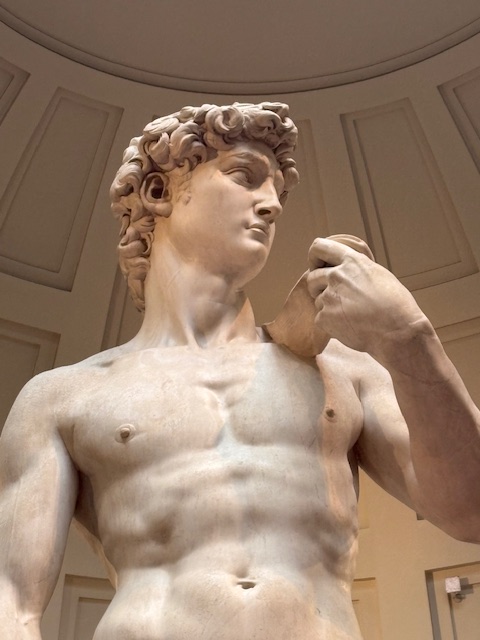
    Michelangelo’s David at the Accademia Gallery in Florence is one of the most popular art sights in Italy. It also may be where you see visitors become disrespectful tourists. Our article shares how you can be respecful when visiting Italy.

    It hit us when we were at the Accademia Gallery in Florence, viewing the famous 500-year-old David sculpture by Michelangelo.

    There was a throng of people around the sculpture, and several of them were taking selfies. Now, all of us (or most of us) do selfies from time to time. Yet there was a casualness to their attitude, as if they were taking a picture of themselves outside their hometown donut shop before continuing on with their day. They would take their selfie and be on their way to the next priceless art piece in the museum, with little thought or care to the history or detail of this famous piece of art.

    It’s partly that attitude–a seeming lack of respect–that’s led several cities in Italy and around Europe to revolt against overtourism in recent years. In June 2025, locals in Italy, Portugal, and Spain targeted tourists with water guns to bring attention to their large numbers. Protesters in Venice spoke out against overtourism and the lavish wedding of Amazon founder Jeff Bezos. Tourists bombarded the small town of Sirmione along Lake Garda in north Italy in May 2025, with videos of that overtourism going viral.

    A whopping 70% of tourists to Italy visit only 1% of the country–namely, Rome, Florence, and Venice.

    With that background in mind, let’s break down what you can do to be a more respectful tourist in Italy. The locals will say grazie!

    Tourists make their way through the hilly streets of Bellagio on Lake Como, in north Italy.

    8 Tips to Be a More Respectful Tourist in Italy and Europe

    1. Learn a little Italian. Italians are tickled when you try to speak a little Italian, even it’s as simple as buongiorno, ciao, or grazie. (Pasta seems to be part of the universal language, hahaha.) Even if they speak English back to you, which definitely might happen, speaking a few words of Italian shows that you are making an effort to be respectful of the country’s culture.
    2. Think historically. Italy is not Disney World or Epcot. The history in Italy, just like in many parts of Europe, is very real and delicate. As you walk on the cobblestone streets (hopefully in comfortable shoes) or tour through old buildings or churches, aim to preserve that history by keeping your hands to yourself, throwing away garbage in garbage cans, and following any other rules shared by signs or tour guides.
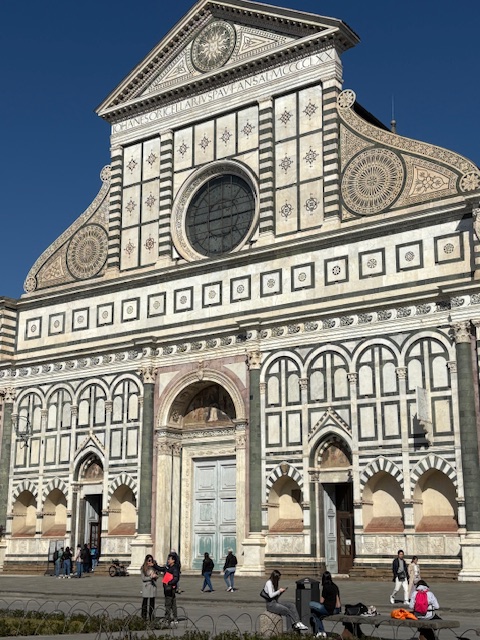
    Small groups of tourists seen outside Santa Maria Novella Church in Florence.

    3. Watch what you wear. Many churches in Italy will want your shoulders and knees to be covered upon entering. Plus, some will enforce no sandals. Tour leader Renata De Masi of Tuscany observes that many young people don’t dress appropriately when touring around Italy’s more delicate sites. Solutions: Even in Italy’s hot summer, always have a sweater with you to cover up when needed. Wear closed-toed shoes, or at least have a pair with you for days that you’re visiting churches.

    4. DON’T take a selfie. “Italy has an immense artistic heritage,” De Masi says. “There are several occasions when taking a selfie has cost the integrity of artworks and museum displays.” This doesn’t mean you can’t ever take a selfie in Italy. Just be mindful in historical areas of any rules that limit selfies and/or flash photography.

    A busy street in Milan.

    5. Stay out of the way of locals. If you’re from a big city, have you ever had your commute hampered by tourists? Maybe you’re driving through your city and there are tourists in the middle of the road trying to capture that perfect view. Or, they’re standing in the middle of the sidewalk to figure out where the ice cream shop is while you’re scurrying to work? We’ve all been there, and it’s the same in Europe’s big cities. Take up your tourist space when needed, but be super mindful of locals who are living their lives and don’t have the same leisure time that you do while traveling through their country.

    6. Go beyond the big cities. We can’t emphasize this tip enough. As we’ve learned more about Italy’s 20 regions, we’ve seen the allure that each area holds. And yet–we hear again and again about Rome, Florence, Venice, and Milan. Don’t get us wrong, those are all wonderful places to visit. Yet we also know Italian people visiting out-of-the-way locations in their country and encountering few to zero tourists while there. Have you thought about spending time in the region of Umbria? Or Sardinia? Le Marche? Abruzzo? They all have wonderful things to see. Our next article will cover several places where Italians like to visit in their own country–and they will be less tourist-focused then the other well-known destinations. Make sure to subscribeto our blog to check out that article, so you can plan your next less hectic trip to Italia.

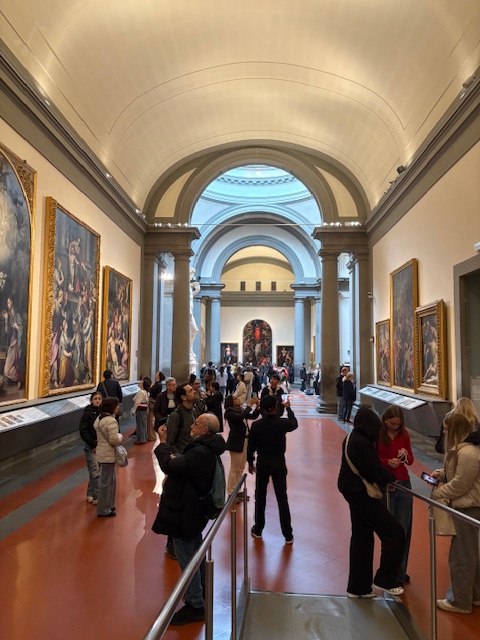
    Tourists inside the Accademia Gallery in Florence. Note that these were crowds in early March–not the summer, when tourism is especially crowded.

    7. Watch your manners–and your volume. We often hear that Europeans are more polite than Americans. Whether or not that’s always true, we can tell you that using please/per favore, thank you/grazie, and good morning/buongiorno can go a long way toward creating goodwill. While you’re at it, watch your volume when you’re speaking in public. Speaking at a softer volume will help you blend in better.

    8. Read up on local transportation rules. This may be a way that we tourists aren’t intentionally disrespectful, just uninformed. Yet knowing some local transportation rules can help make your time in Italy more efficient and easier. Here are a few tips shared by De Masi:

    a. Avoid a fine on public transportation by validating your paper ticket. This is something that many tourists don’t know so they don’t do it. Here’s a quick video to show you how to validate your train ticket.

    b. Consider using contactless payment methods for public transportation when available.

    c. If you plan to drive in Italy, make sure to get an International Driving Permit in advance of your trip. It’s required. Ifdriving, do some research on local traffic signs as they won’t always translate easily in English. For instance, “ZTL” indicates areas with limited traffic and usually are in city centers. This may limit these areas to only authorities or delivery drivers. Cities will track cars entering these areas by using camera technology and issue heavy fines to offenders.

    d. Know that tourist buses may not be allowed to park near historic destinations. If you’re on a tourist bus, you may need to walk 10 or 15 minutes to where you’re going. Wear good shoes, have water, and be ready to walk!

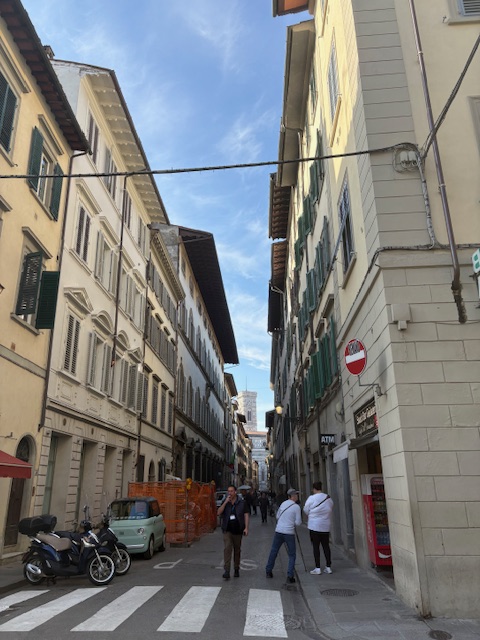
    The view along a Florence street.

      Want more info on how to be a respectful tourist in Italy? There are several videos on YouTube that you may find helpful. When in doubt, ask your local hotel representatives or tour guides for help. Buon viaggio!