Tag: food

  • Cesarine Connects Hungry Guests With Italian Home Cooking

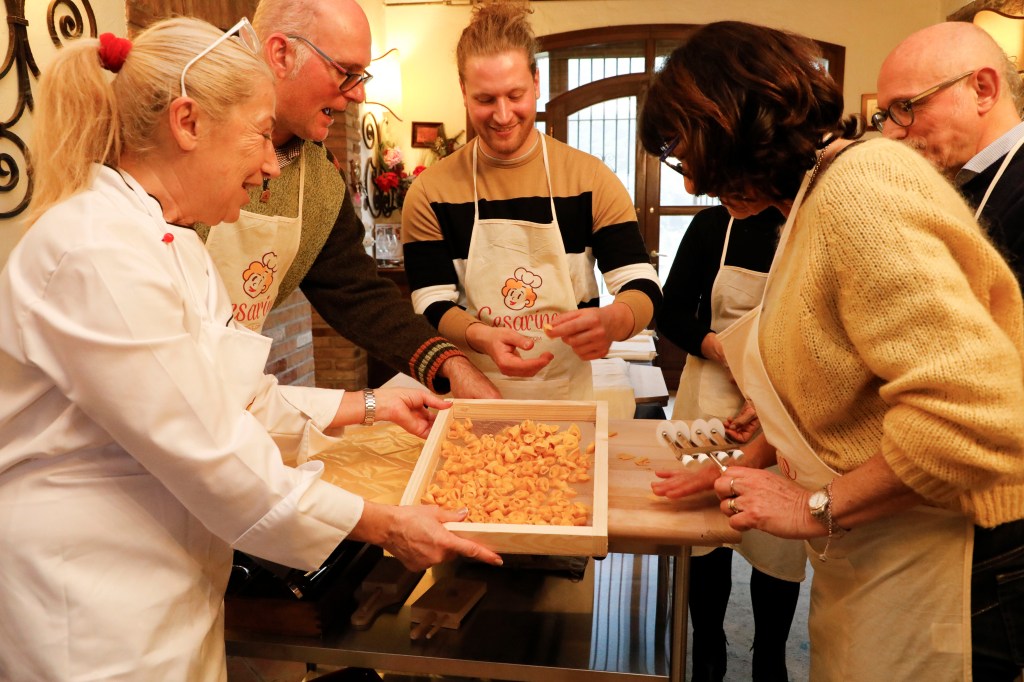
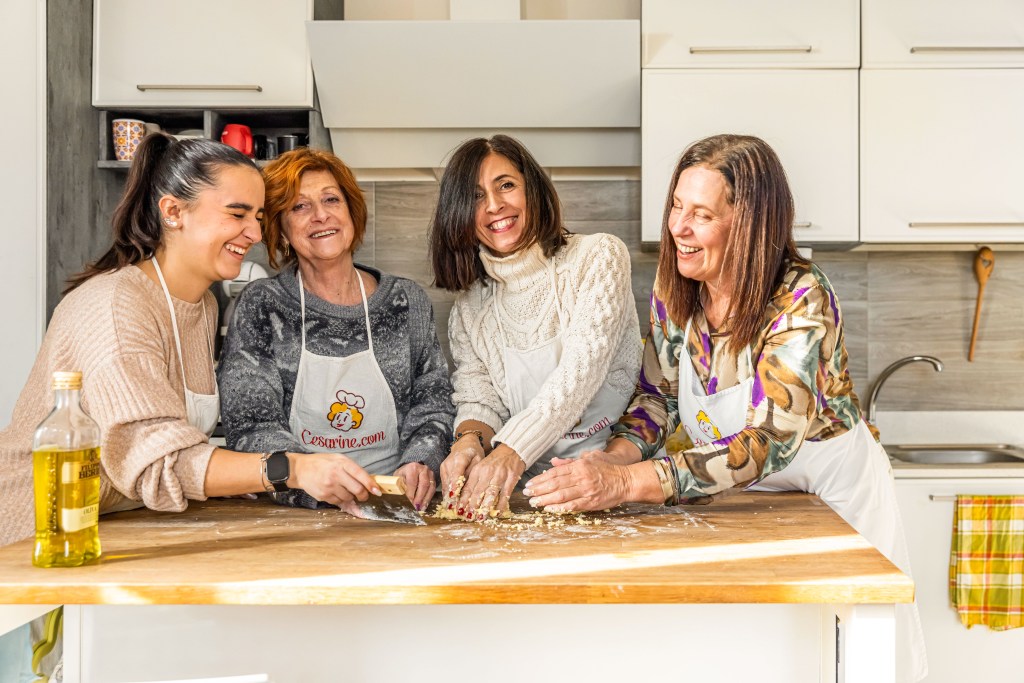
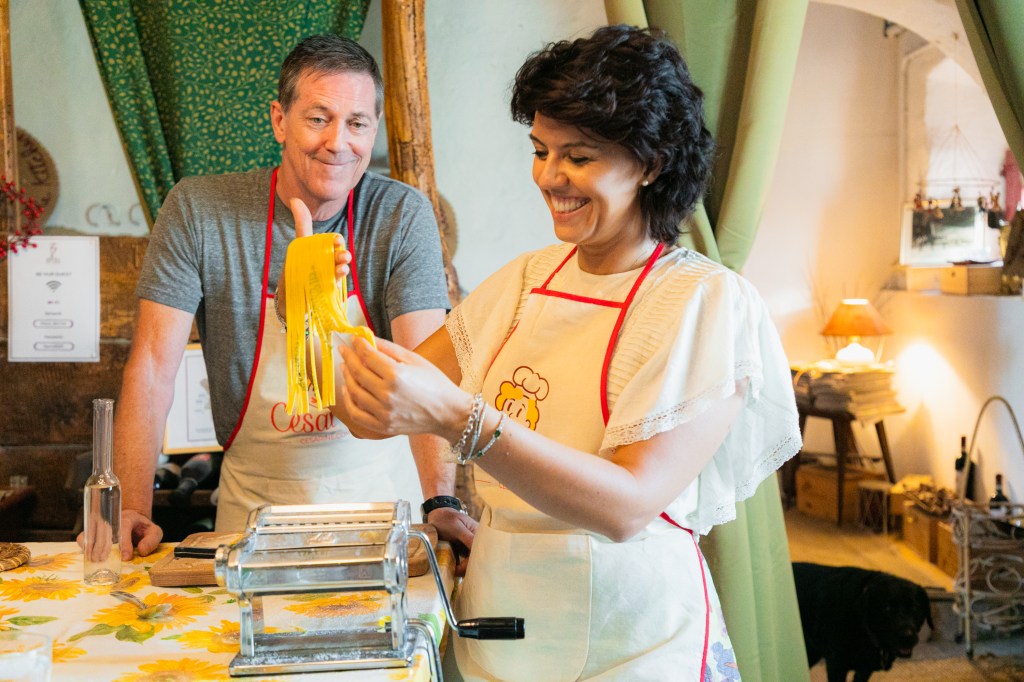
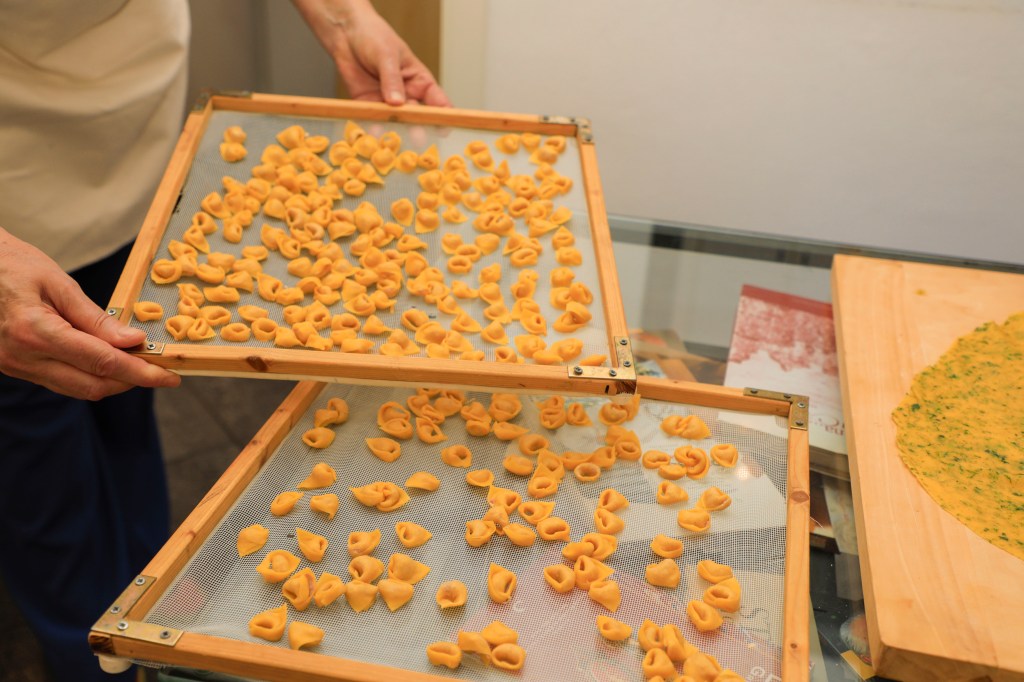
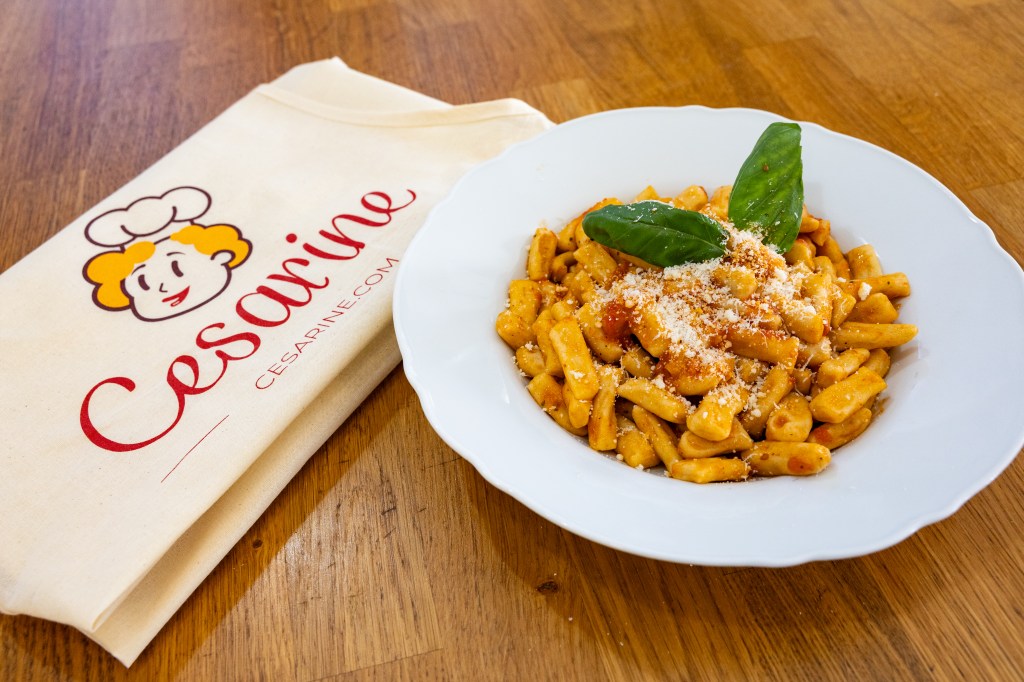
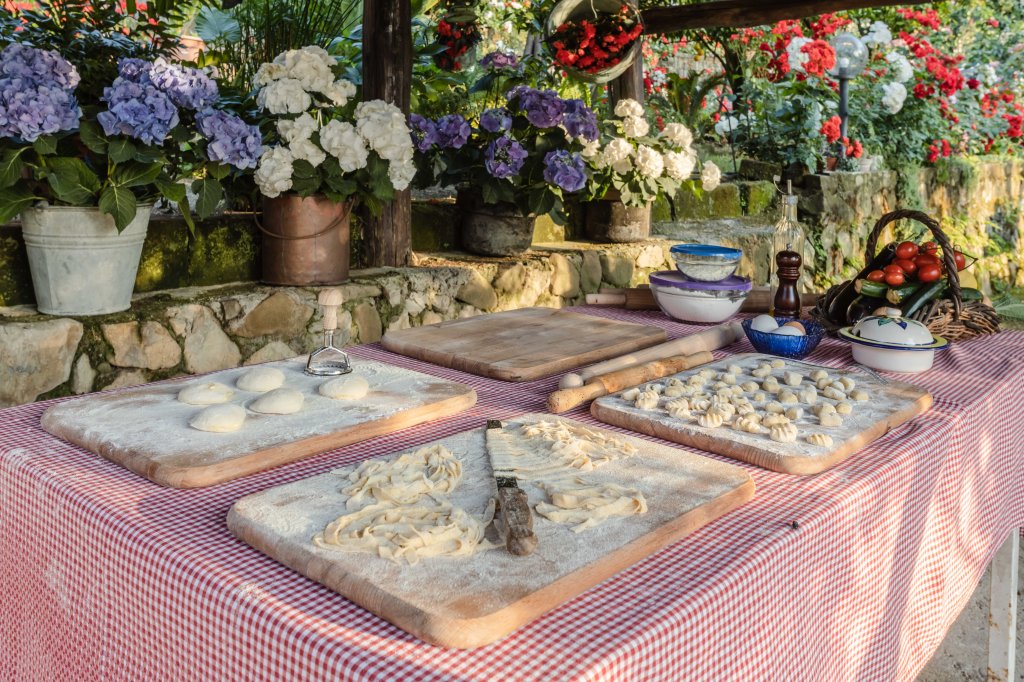
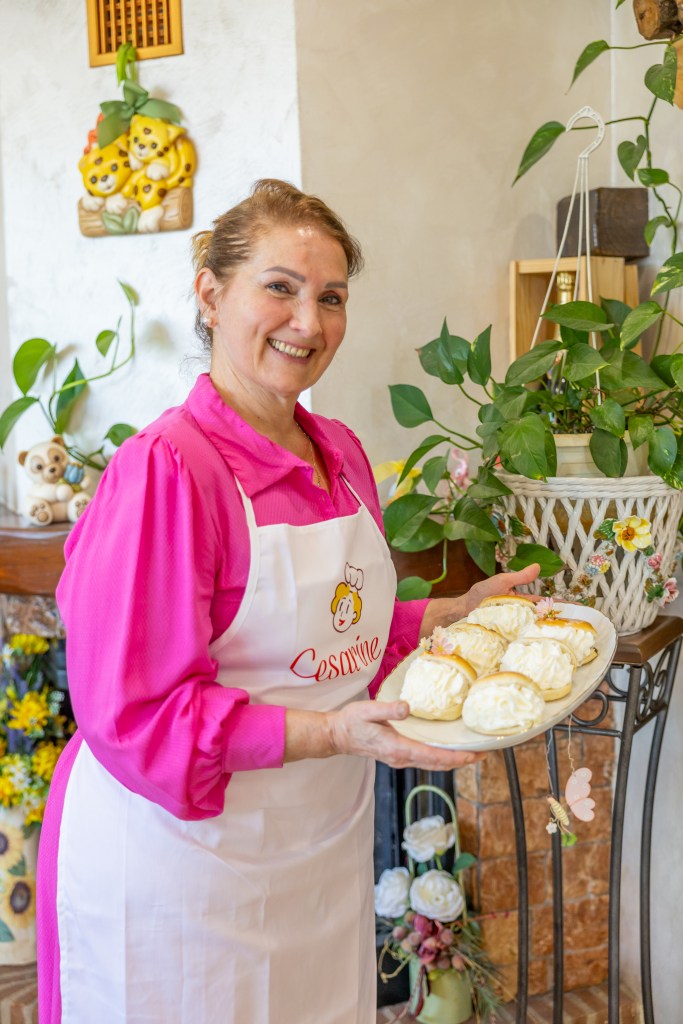
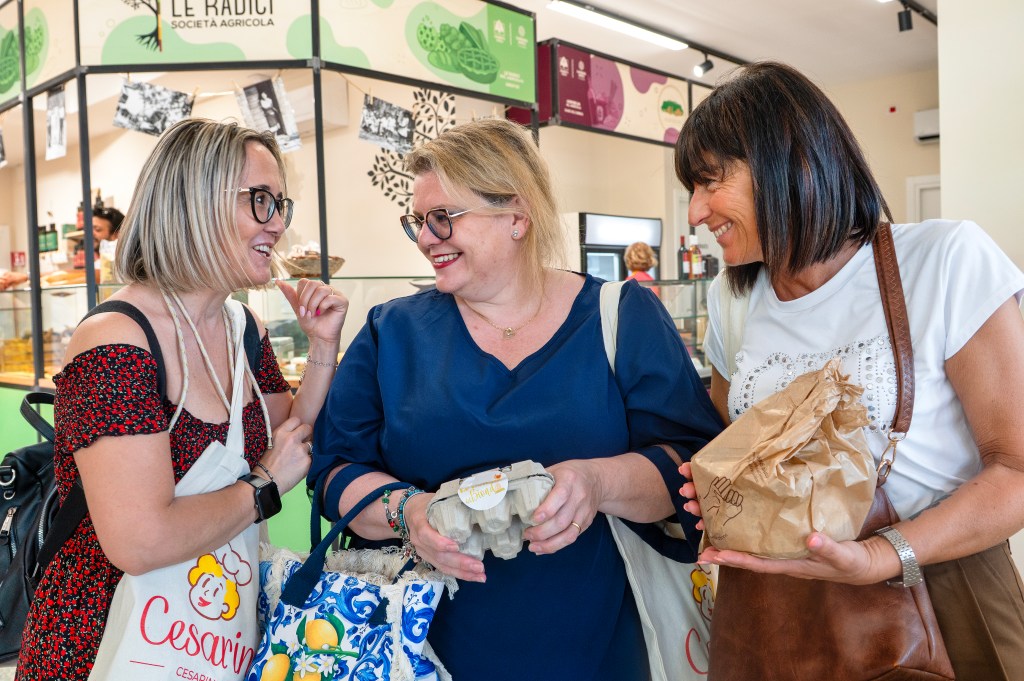
    Hosts and guests enjoy a food experience with Cesarine. All pics in this article provided by Cesarine.

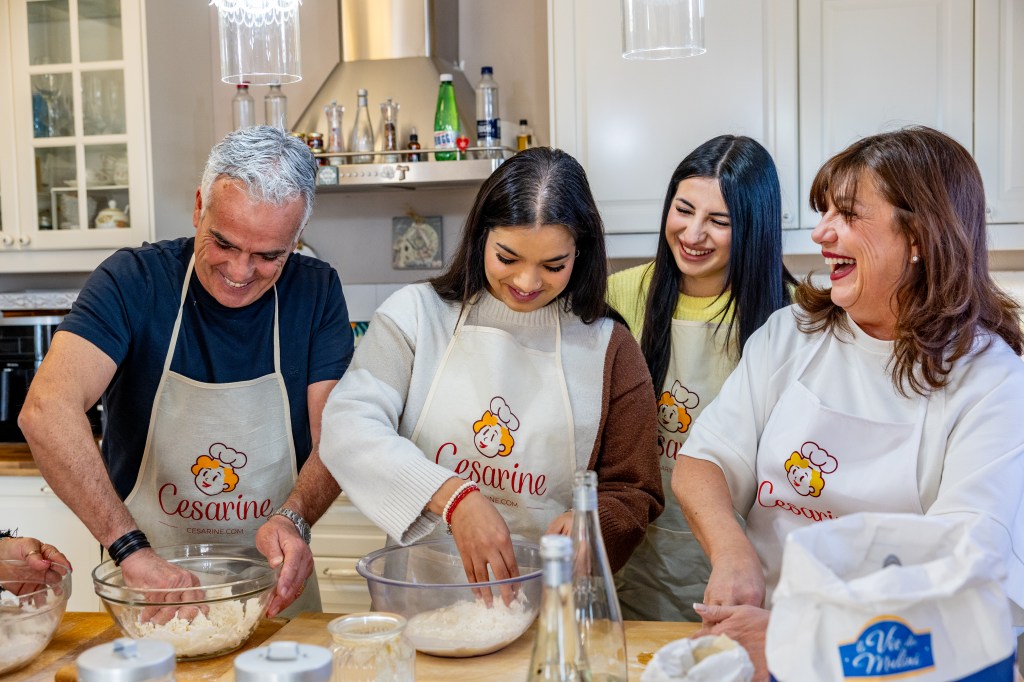
    Imagine you’re traveling in Italy and you learn how to prepare a home-cooked meal right in a local Italian’s kitchen.

    Once the meal is done, you’ll enjoy it along with your host, perhaps with some local wine.

    Or, imagine that a local guide takes you on a food and market tour in the Italian city you’re visiting. You learn directly about the area’s specialties and get to try a few of them.

    Those experiences are exactly what you’ll get from Cesarine (chay-sa-ri-nay), a Bologna, Italy-based company that began in 2004.

    Hosts and visitors enjoy Cesarine experiences. All pics in this article provided by Cesarine.

    The company began small but now has more than 1,500 home cooks and culinary hosts across more than 700 towns, says Maria Rita Tattini, Cesarine’s communications advisor.

    In 2025, Cesarine welcomed more than 50,000 guests to connect with its hosts.

    Cesarine also recently began to offer experiences with local food producers, such as wineries, olive oil estates, and family farms.

    “Cooking classes are among our most popular experiences, particularly fresh-pasta classes. But dining experiences are equally important because they offer something that is difficult to reproduce in a restaurant: the feeling of being invited into someone’s home,” Tattini says.

    Cesarine: How It Works

    Hungry yet? Here’s how Cesarine works.

    Go to its website, and type in the name of the city where you will be in Italy. Next, choose a date. Cesarine’s website will show you a variety of options.

    Because of our recent Sicily travels, we typed in “Catania, Sicily,” and chose a date. Here’s just a smattering of the choices offered on or close to our chosen date:

    –Artisanal pasta the way it was formerly made

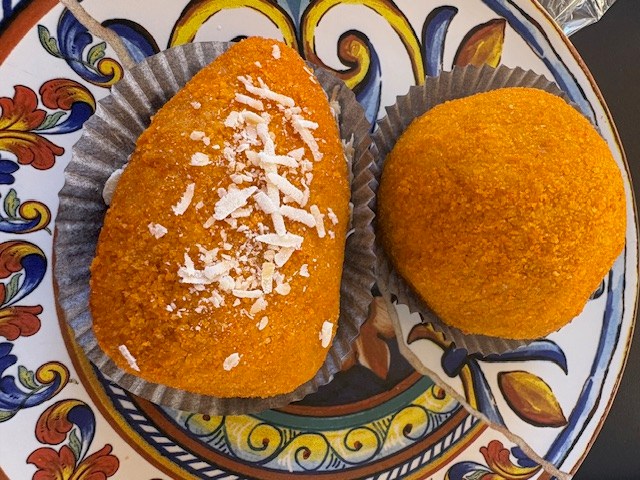
    –Cooking class: Dreamy Sicilian arancine (rice balls)

    –Sicilian cooking class with Cesarina Fernanda

    –Catania fish market tour: A unique experience

    Next, we typed in Modena, a town in Emilia-Romagna famous for its balsamic vinegar. Here are just a few options we got:

    –Traditional cooking course with organic ingredients

    –The art of homemade lasagna: An authentic experience

    –Fresh pasta cooking class

    –Culinary traditions of Modena: The secret of the tigelle

    Choose your option(s) (personally, we’d like to sign up for all of them), pick a date and number of guests, and note any special requests, such as food allergies.

    The listing will tell you the price. Prices vary, but most we saw were around 100 Euros. Then complete the sign-up process.

    While on a particular listing, you can read reviews for the specific tour or experience you chose.

    One thing to consider: The food experience you get in one part of Italy may be totally different than what you’d experience in another region. That’s because local dishes vary so much across the country, Tattini says.

    What Makes Cesarine Different

    Food tourism in Italy is a big draw for the country, but there are some things that make Cesarine unique.

    “I think travelers are increasingly looking for something beyond sightseeing,” Tattini says. “They don’t just want to see Italy. They want to understand how Italians actually live. Food is an extraordinary gateway to that.”

    A cooking class with a Cesarina (local host) can reveal something about both the region and also a family recipe or why a particular dish is associated with a holiday or celebration, she explains.

    “There’s something very appealing about the idea of being welcomed into a real Italian home. It feels personal and spontaneous rather than a conventional tourist attraction,” Tattini says.

    Another thing that distinguishes Cesarine: Since 2019, it’s been designated as a Slow Food Community, which refers to a group that helps to protect and promote local food.

    Cesarine’s New Cookbook

    Cesarine recently compiled The Cesarine’s Cookbook, a digital collection of authentic family recipes and information from its community of home cooks.

    The idea sparked because many Italian recipes have been passed from grandmother to mother to daughter, ofen with ingredients measured visually and with family secrets that aren’t part of conventional recipes, Tattini says.

    The cookbook brings together the recipes and helps preserve a culinary heritage. Because it’s digital, the book can continue to grow.

    Here are just a few examples of recipes we found in Cesarine’s Cookbook (and we are now very hungry):

    Rosata Cake of Atlamura (from Apulia)

    Carbonara, but vegan

    Garden vegetable frittata

    Burrata, the cheese with a creamy heart (from Puglia)

    How to Enjoy a Cesarine Experience (and Any Food Tourism in Italy)

    Italy Dreams asked Tattini for some tips to follow when attending a Cesarine food event. Here’s the scoop:

    Come hungry and curious.

    Don’t be afraid to try something you don’t know. “One of the pleasures of Italian regional cuisine is discovering dishes that you may never have encountered in an Italian restaurant at home,” she says.

    Let Cesarine know of any allergies or dietary restrictions/preferences.

    Don’t worry if you’re a beginning cook. “The point isn’t to produce a perfect restaurant dish. It’s to learn, participate, and have fun,” Tattini says.

    Give yourself plenty of time to enjoy the experience! As we’ve reported before, the beauty of Italy travel is slowing down. That also applies to enjoying a meal.

    You can follow similar tips for any food tourism you do throughout the country, Tattini says. Stay open to all of the regional variations, and ask locals what they actually eat.

    “Perhaps the biggest mistake is expecting Italian food to mean pasta and pizza everywhere. The real joy is discovering what is different from one region to another,” she explains.

    How to Sign Up for a Cesarine Experience

    Ready to prepare and enjoy a Cesarine home-cooked experience with a Cesarina or take a market tour with a local?

    Just visit their website here.

    “You can visit a beautiful Italian city and take photos of its monuments, but sitting at someone’s kitchen table tells you something completely different about that place,” Tattini reminds us all.

    Curious to learn more about Italy Dreams and how we can help your Italy journey? Feel free to explore all of the articles on our blog. Then, if you have some Italy travel planning questions, find our contact information here.

    We also write articles for Italy-based tourism businesses. Find more details here. 🙂

    Mangiamo/let’s eat!

  • 12 Facts About Italian Food in Italy That May Surprise You

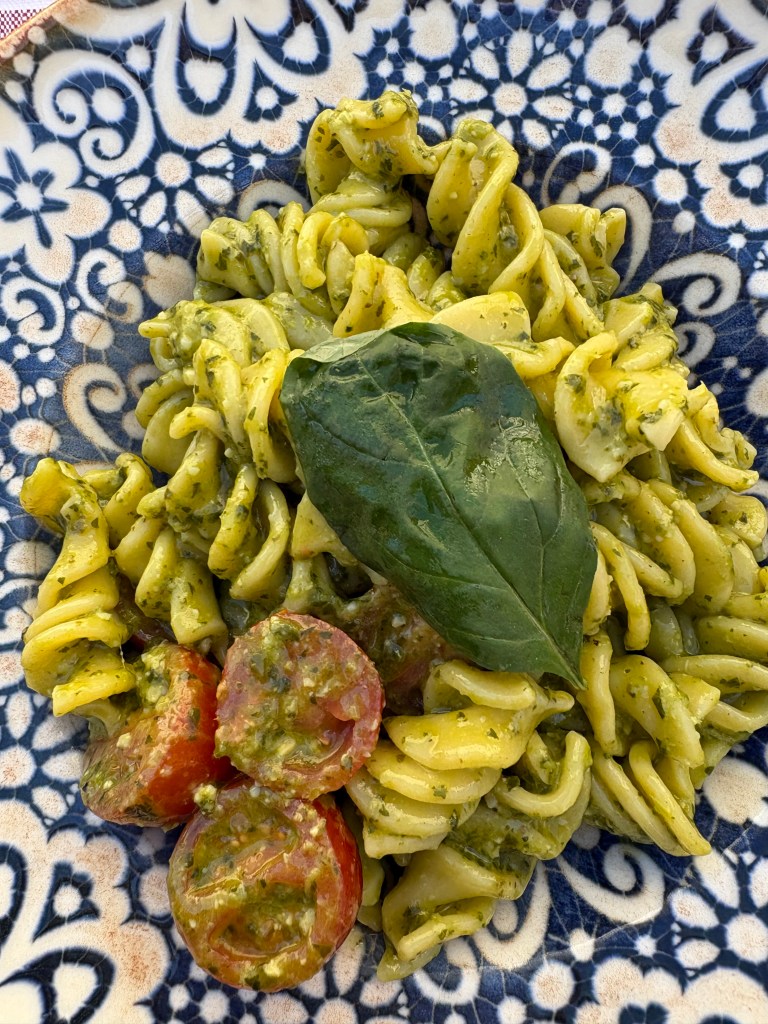
    An amazing pesto pasta dish in Florence, Italy.

    Many people outside of Italy looooovvvveee Italian food, including here at Italy Dreams. Our favorite food was pizza growing up–OK, so maybe it was Pizza Hut pizza, which would make real Italians shudder (hey, we were in the D.C. suburbs, not New York or New Jersey!). And pasta and risotto dishes are a regular part of the meal rotation at Casa di Italy Dreams.

    In any case, traveling to Italy is eye-opening when it comes to Italian food, as you start to learn what cibo Italiano (Italian food) actually is versus Italian-American food.

    We gleaned many of these tips during a 2025 visit to Italy, while others were discovered online. And we’d be happy to continue the food conversation in the future.

    You’re welcome for the yummy food pictures throughout. 🙂

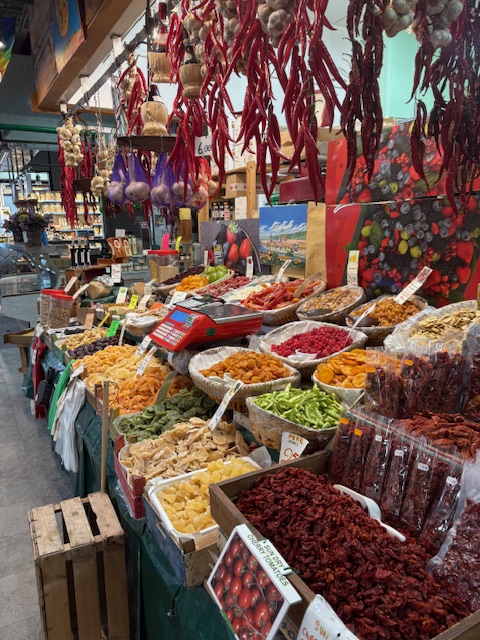
    Mercato Centrale (Central Market) in Florence, Italy.

    The Big Picture

    1. Italian food differs drastically by region.

    When we say “Italian food,” we’re making a huge generalization. That’s because Italian food can differ drastically by region. Italy has 20 different regions, each with its own distinct food, wine, cheese, bread and desserts. Heck, food can sometimes even differ by town. Pizza and pasta may be popular throughout the country, but there are even variations there. Risotto, for example, is an Arborio rice-based dish popular in northern Italy. Couscous is famous in the island region of Sicily (see tip 12).

    We’ve found the book “Rick Steves Italy for Food Lovers,” by Rick Steves and Fred Plotkin, to be particularly useful in understanding different regional foods. You’ll discover where cannoli originally are from (Sicily), where cinghiale (wild boar) is most common (Tuscany), and lots more.

    2. Eating local is a way of life.

    In the U.S., we like to tout that we’re eating local if we’re eating a dish with produce grown within our state or region. In Italy, eating local takes on a whole different meaning. The whole meal may come from the town where you’re eating the meal. The person preparing the meal may have even picked the produce or helped raise the chickens. It’s no wonder that Italian cuisine is known to be so yummy, with such fresh and in-season ingredients.

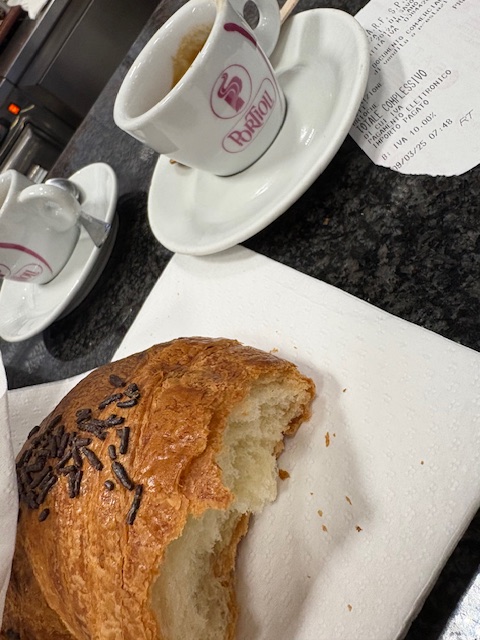
    A crossaint and an espresso is a typical Italian breakfast option.

    Eating Breakfast/Colazione

    3. Breakfast is light.

    Let’s face it, Italians as a whole stay slim for all the food that they eat. One secret may be that they keep their breakfast, or colazione, light. Un cornetto e un espresso–or a crossiant and an espresso–is a common Italian breakfast. Some may add yogurt or fruit as well.

    4. A latte will get you milk, not coffee.

    The word latte means milk in Italian. For Starbucks fans like us, latte means something different, right? It’s what you order when you want a coffee-and-milk combo. So, don’t walk into an Italian food establishment or bar and ask for a latte unless you want just milk. And you may want to study other phrases for ordering coffee, as saying the wrong phrase could lead you to an alcohol-infused drink (which, hey, you may still enjoy).

    Breakfast pastries at a shop in one of Milan’s train stations.

    5. Italians don’t nurse a coffee all day.

    Like many Americans, we at Italy Dreams find it comforting to nurse our coffee for awhile, like it’s a baby that needs affection. Italians–not so much. Those espressos are small and meant to be consumed rapidly. Keep in mind that they also pack a caffeine punch. So, what they lose in “coffee nursing” time, they still make up for with a caffeine jolt.

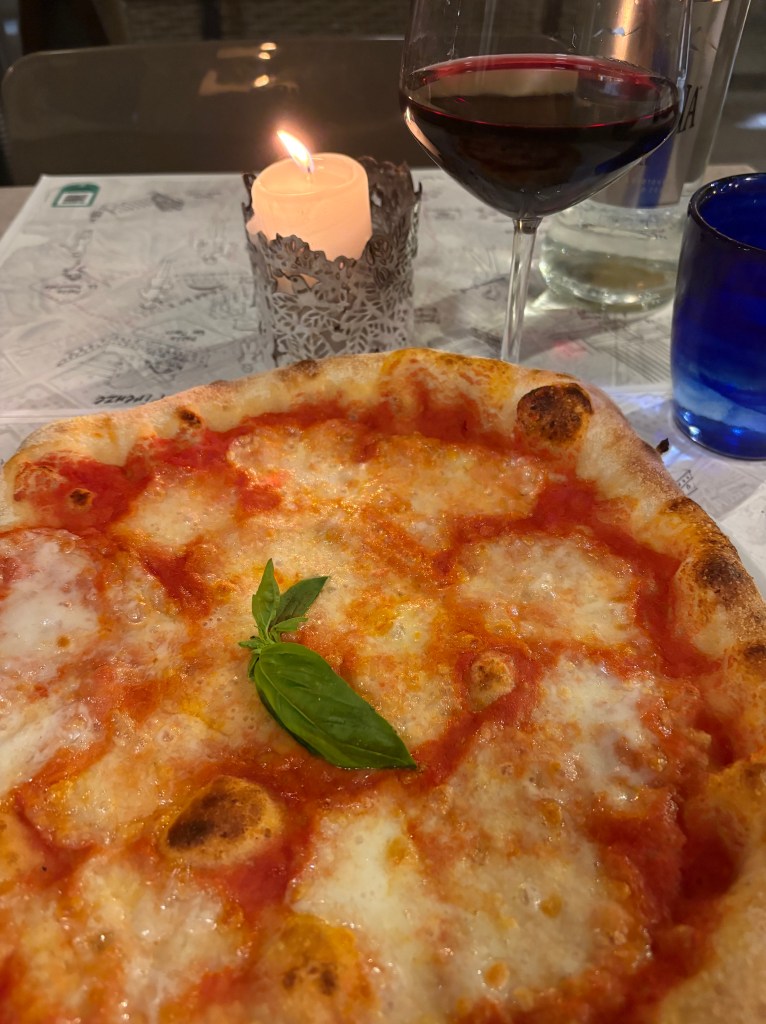
    We hear that Italians drink beer when they have pizza–but this combo of pizza and vino was still a delight.

    Pizza & Pasta

    6. Italians eat a lot of pasta.

    This fact may not be too surprising. After all, pasta is perhaps Italy’s best-known food. However, did you know that the average Italian eats 50 pounds of pasta (23 kilograms) a year? That compares to 20 pounds a year in the U.S. on average per person–which is still a heck of a lot of pasta.

    The cool thing is that Italians have so many different ways to prepare pasta–and so many different types. Just go to a supermarket or other market of choice while you’re there to see what we mean.

    7. Italians like their pasta al dente–and they eat it with a fork.

    Al dente means “to the tooth.” The end result is pasta that’s still a little firm when eaten. Overcooked pasta is not common. And don’t cut your pasta with a fork and knife! They will use a fork to eat their pasta, thankyouverymuch.

    One quick kind-of-related story: We once taught English to a group of Italians here in the U.S. and mentioned that we put olive oil in the water as we cooked pasta. The look of horror on their faces could have stopped a ghost. We learned that day that salt goes in the water to cook pasta, and the olive oil goes on the pasta afterwards.

    8. Don’t look for pepperoni pizza or Hawaiian pizza in Italy.

    Italians in Italy aren’t seeking out pineapple on their pizza. They also aren’t fans of pepperoni pizza like we are here in the U.S. However, you can get peperoni pizza (notice only one “p”), which will get you a pizza with bell peppers. You also can get pizza diavola, or Devil’s Pizza, which uses spicy salami that resembles pepperoni as we know it.

    9. You’re not at Olive Garden anymore, Toto, so there’s no dipping bread in oil and vinegar.

    You may get bread with your Italian meal, but Italians commonly use it to dip into the sauce and oil leftover from the pasta or other dish they’ve eaten. This practice is called fare la scarpetta, which means to make a little shoe. Cute.

    There’s not usually garlic bread either. Sorry.

    A pasta dish in Florence, Italy.

    10. You also won’t find spaghetti with meatballs.

    However, you can order meatballs as a separate dish called polpette.

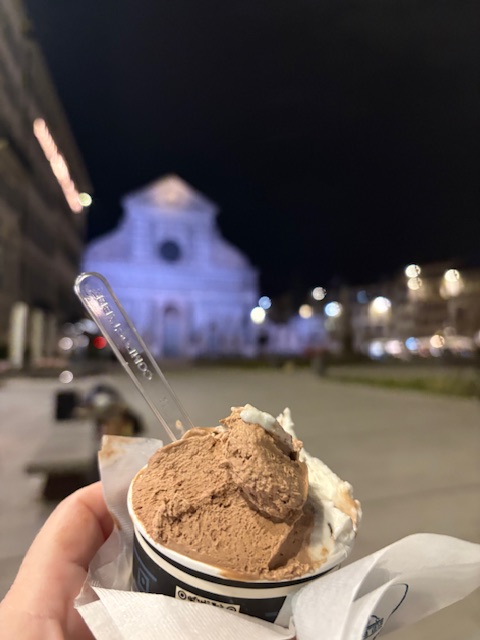
    Gelato outside Santa Maria Novella in Florence. Yummm……

    Miscellaneous

    11. Gelato isn’t the same as ice cream.

    There’s a lot of gelato around Italy, and for good reason. It’s soooooo good. But it’s not the same as ice cream. Gelato is actually made with more milk than regular ice cream and doesn’t include eggs. It’s also denser. Make sure to look for gelato that has more natural colors versus bright colors (which could mean that the gelato was dyed).

    12. There’s a Couscous Fest in Italy that you might want to attend.

    When you think of couscous, you think of the Middle East, right? Yet couscous is actually a specialty in Sicily (among its many food specialties). There’s a Cous Cous Fest each year in Palermo, Sicily, each year attracting more than 200,000 visitors. It also brings in musical guests and has become a huge celebration.

    Hungry yet?

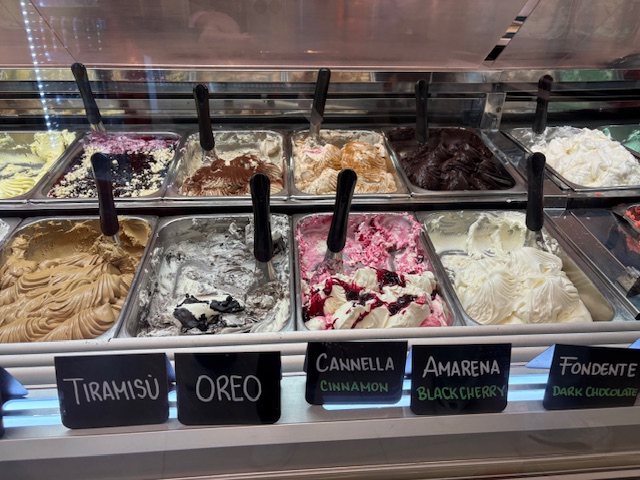
    Gelato as seen in a shop in Florence, Italy.

  • Here Are 5 Places Where Italians Go on Vacation in Italy

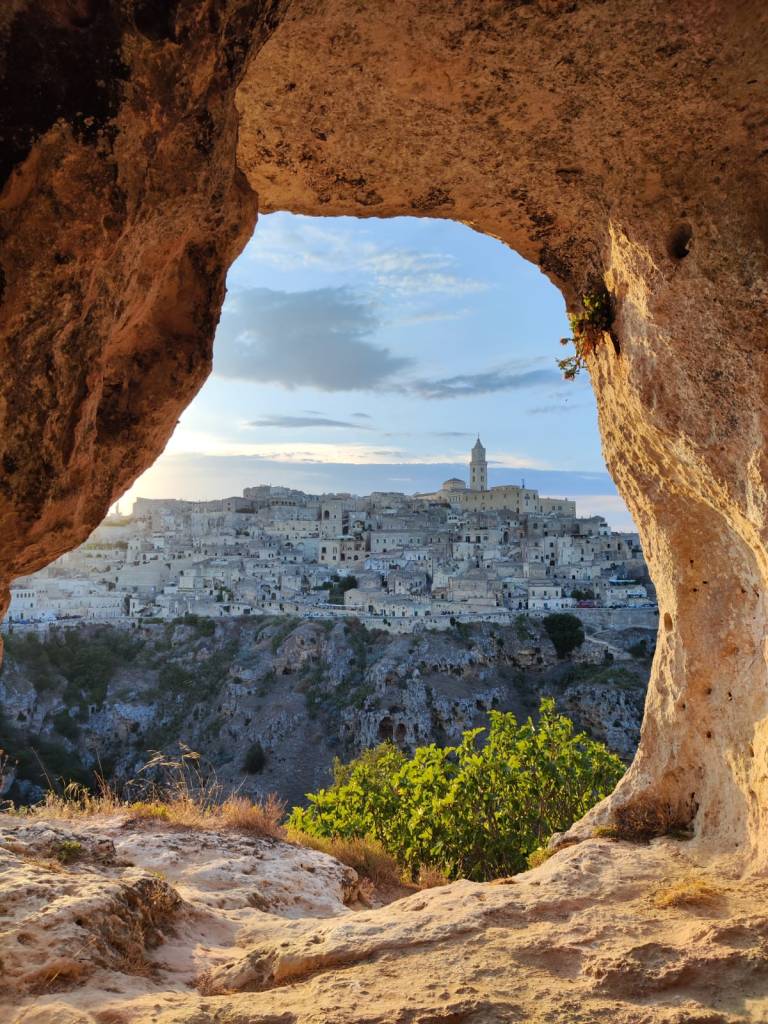
    Beautiful Matera in the Basilicata region of south Italy. It’s one of the oldest continuously occupied cities of the world.

    Did you know that 70% of tourists to Italy go to just 1% of the country–namely, Florence, Rome, and Venice? Of course, these cities have a wealth of history, food, and culture (we even shared some foodie facts from our Florence visit in this post).

    Yet let’s face it, getting stuck in the heat and crowds is NOT fun.

    So, in the spirit of Italy Dreams’ mission, we share here five destinations in Italy that are popular among Italians themselves. That’s not to say you won’t find other U.S., British, or other foreign tourists in these beautiful places–but there will be far fewer compared to places like Florence, Rome and Venice.

    Andiamo! Let’s go!

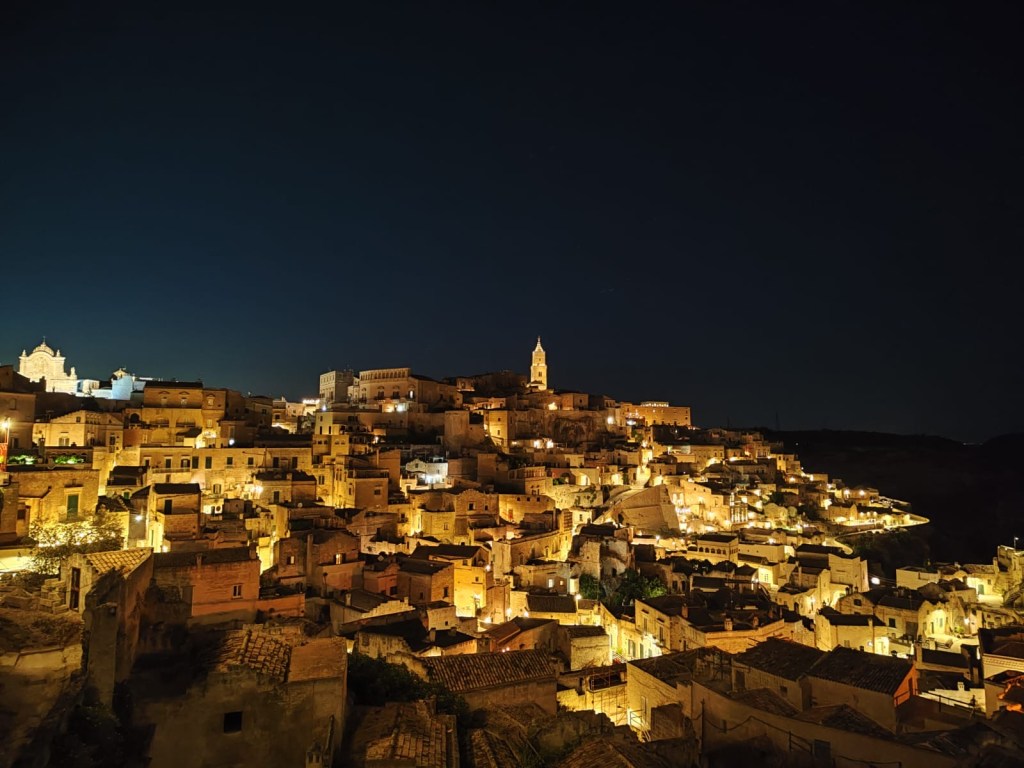
    A nighttime view of the historic town of Matera, Italy.

    Matera

    If you like history, the town of Matera will take you in the way back machine–as in waaaaaayyyyy back. It’s the oldest city in Europe, and one of the oldest continuously inhabited areas of the world–we’re talking history that goes back to 7500 B.C. The 2004 movie “The Passion of the Christ” used Matera as a backdrop.

    This history and the city’s unique look naturally drives visitors to this Southern Italian town, located in the region of Basilicata. Matera is about 2 hours from Naples, depending on how you get there.

    Here are just some of the things that native Italian visitors do in Matera–and that you can do, too:

    Visit the Sassi di Matera, or stones of Matera, which are declared a UNESCO World Heritage Site. This is an ancient settlement area with alleyways, caves (providing great views of the town itself), gardens, and tunnels.

    Check out The Bread Museum (I Segreti del Pane di Matera). Discover what makes bread from Matera so special and how it ties into the area’s history. It will make you hungry–good thing you’re in Italy!

    Get a stunning view of Matera’s caves from the Pascoli Square Belvedere (Pascoli Square Belvedere). Named for the 19th-century Matera poet Giuseppe Pascoli, you’ll find a balcony that provides a lovely view of the Matero Cathedral, Civita Caves, and part of the stone districts of Matera.

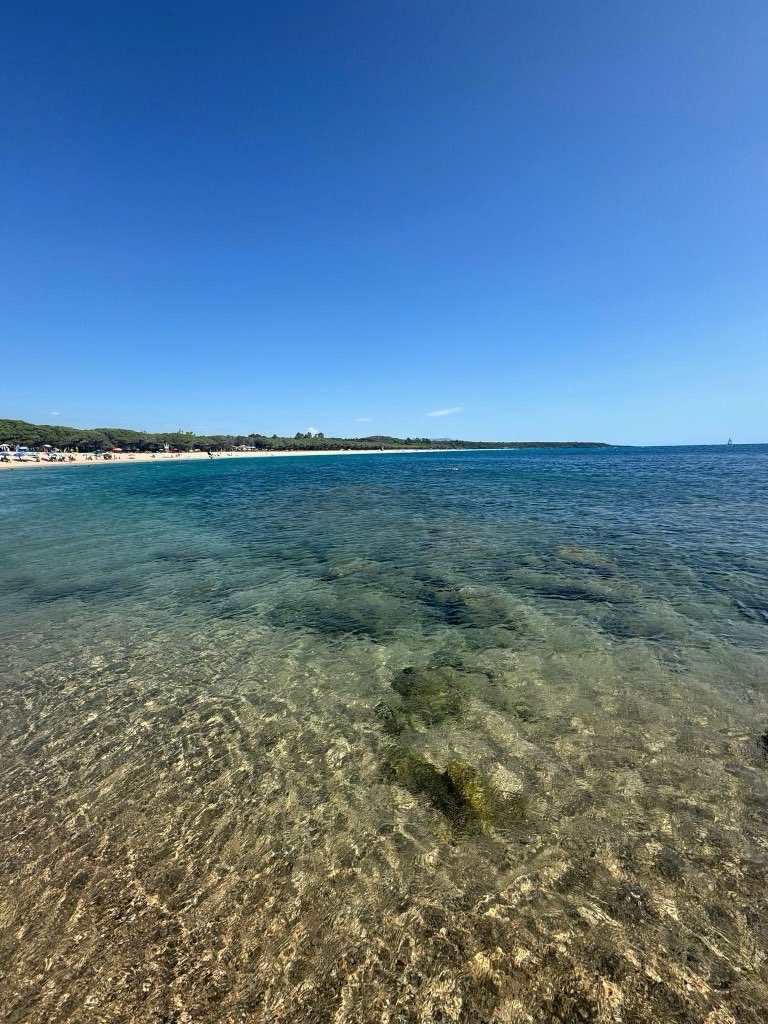
    A beautiful beach in Sardinia, Italy.

    Sardinia

    We’re sure you’ve heard of Sicily, but have you heard of Sardinia? Think of this island region of Italy as Sicily’s wilder sister. It’s located in the Mediterranean Sea, south of the French island of Corsica and west of Italy’s mainland.

    Sardinia is the second largest island in the Mediterranean, second only to Sicily, and has a population of 1.7 million. That may sound like a lot, but it’s actually one of the most sparsely populated regions of Italy.

    Life’s just a little different in Sardinia, Italy.

    So, just what can you do in Sardinia? Here’s the scoop:

    Eat a lot of Pecorino cheese. Despite its many kilometers/miles of coastline, Sardinia is actually better known for sheep farming than it is for fishing. All of that sheep farming leads to a lot of Pecorino cheese, made from sheep. Other foods you might enjoy in Sardinia include malloreddus, a type of Sardinian gnocchi; pane carasau, a crispy bread; and seadas, a fried pastry with cheese and honey.

    Go to the beach. With about 1,200 miles (yes!) of coastline, Sardinia is a natural choice if you consider yourself a beachgoer. Spiaggia di Maria Pia (hailed as a family-friendly choice), Golfo di Orosei (with gorgeous coves), and Spiaggia della Pelosa are just a few possible choices.

    Take a wine tasting tour in Sardinia. After all, wine is just one factor in what makes Sardinia one of the Blue Zone areas of the world–areas with longer longevity and good health. In Sardinia, that’s due to a healthy diet, physical activity that’s a part of daily life, social connections, and of course, some vino.

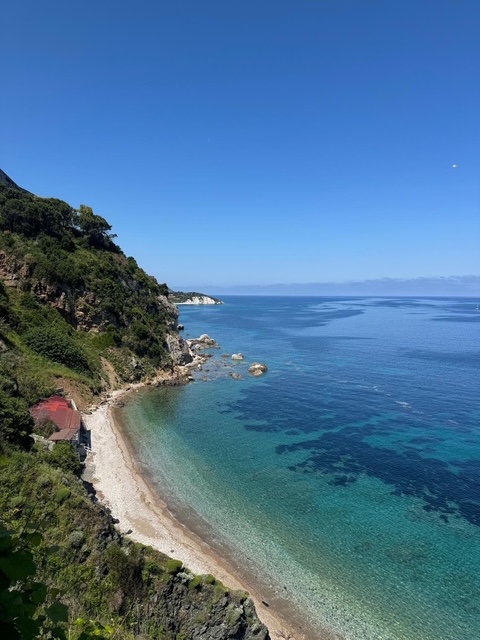
    A stunning beach on Isola d’Elba/Elba Island.

    Isola d’Elba

    This beautiful-sounding name translates to Elba Island in English. It’s located off the coast of the Tuscany region, which is already well-known for wine, Florence, and Pisa. Visitors typically get there by taking a ferry from the town of Piombino (about an hour, depending on where you’re going on the island).

    Isola d’Elba is a great choice if you want a quiet destination with history, says Alessandro N. of Brescia, Italy, who was there earlier this year (he also provided the island photos with this article and the photos of Sardinia). He says the mix of history along with natural landscape made it a laidback destination.

    The town of Portoferraio on Isola d’Elba.

    Here are some other things you can do in Isola d’Elba:

    Follow Napoleon’s footsteps on the island. Napoleon was exiled to Isola d’Elba for 9 months in 1814, but he left a big mark on the island. Visit the Mercy and Napoleon Relics Museum and the Villa Dei Mulini, for instance–the latter of which was his primary residence while spending time there.

    Take a bike ride, buy yourself some bread and fresh fruit, and check out a few of the seaside towns. This lovely-sounding plan is recommended by the website Italy Segreta (Italy Secret), in its article “A Local’s Guide to Elba Island.” You may want to check out their site for a few more tips.

    San Vito Lo Capo in Sicily, Italy (picture used from Wikimedia Commons).

    San Vito Lo Capo

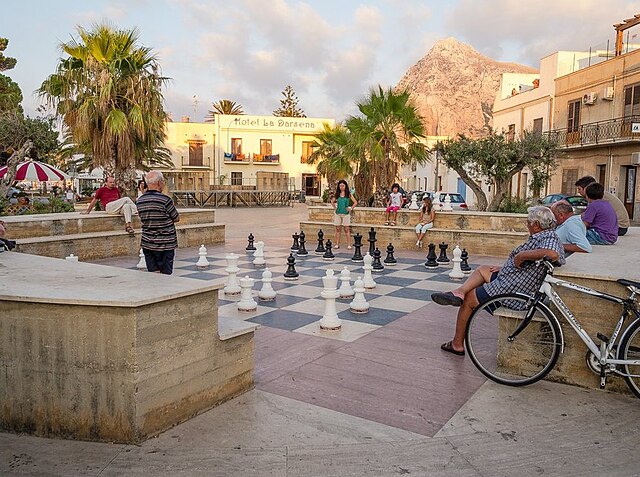
    Sicily has many idyllic beach areas, but one local favorite is San Vito Lo Capo. Located about 2 hours from Palermo, San Vito Lo Capo features stunning beaches and lots of nature. We read that it gets busy in the summer, so we’re not billing it as a complete escape from tourism (including in August, when many Italians take off for a few weeks). However, a little bit of crowding may be worth the visit.

    A chess match in San Vito Lo Capo, Sicily (picture taken from Wikimedia Commons).

    Here are just some of the things you can do in San Vito Lo Capo in Sicily:

    Take part in all types of water activities, like boating, snorkeling, or, of course, just lounging on the beach.

    Indulge in typical Sicilian dishes. One cool thing about Sicily is that it blends together different cultural influences from around the world. This is especially clear in its food, where you can enjoy dishes like couscous, tuna, and caldo freddo (a type of Sicilian ice cream) during your visit.

    Visit the San Vito Sanctuary, a monument and symbol of the town The site WeArePalermo provides more background about the sanctuary’s history–and a well-written, amusing guide to San Vito Lo Capo.

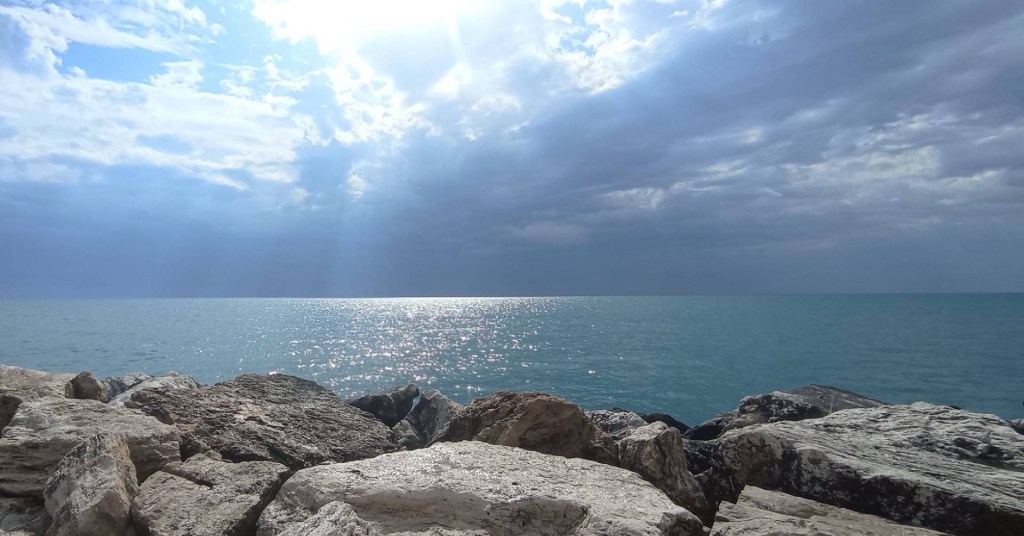
    Seaside views at San Benedetto del Tronto, Italy.

    San Benedetto del Tronto

    If you want a mix of seaside views, seaside cuisine, and an artsy feel, your next destination should be the underrated San Benedetto del Tronto, located in the Italian region of Marche on the country’s eastern coast.

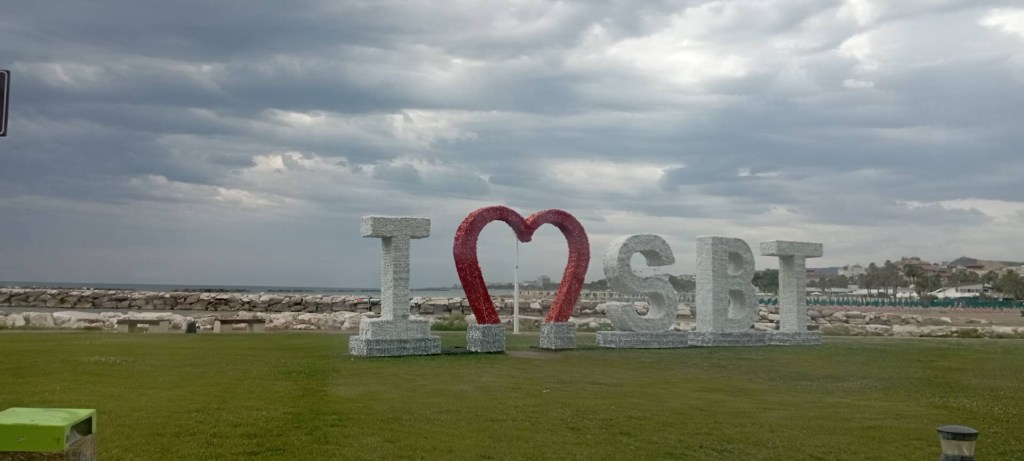
    Find this and other sculptures and artwork in San Benedetto del Tronto, Italy.

    Here are a few things to do when you’re in SBT:

    Visit the Museum of Art on the Sea (Museo del Mare), an open-air museum on the pier with sculptures and paintings. Take pics, and talk with your travel partners about which artworks are your faves.

    Explore the boardwalk by foot or bike. It’s nearly 6 kilometers (nearly 3.7 miles), so you’ll have plenty to see and do.

    Enjoy a meal! San Benedetto del Tronto has some great seafood, according to Verena, a resident of Val Badia, Italy. She was in SBT recently and recommends the Brodetto alla sambenedettese, a type of fish stew that’s typical of the region. (Verena also provided the photos we’re sharing of San Benedetto del Tronto).

    For any of these places, do your homework in advance. These towns and regions may not be bombarded with tourists like the big cities, but they can still get busy, especially in the summer. Check online for best times to visit and any other tips.

    Buon viaggio!