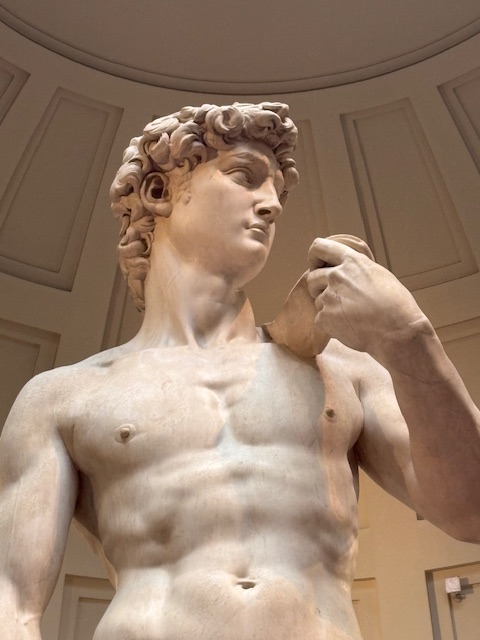
It hit us when we were at the Accademia Gallery in Florence, viewing the famous 500-year-old David sculpture by Michelangelo.
There was a throng of people around the sculpture, and several of them were taking selfies. Now, all of us (or most of us) do selfies from time to time. Yet there was a casualness to their attitude, as if they were taking a picture of themselves outside their hometown donut shop before continuing on with their day. They would take their selfie and be on their way to the next priceless art piece in the museum, with little thought or care to the history or detail of this famous piece of art.
It’s partly that attitude–a seeming lack of respect–that’s led several cities in Italy and around Europe to revolt against overtourism in recent years. In June 2025, locals in Italy, Portugal, and Spain targeted tourists with water guns to bring attention to their large numbers. Protesters in Venice spoke out against overtourism and the lavish wedding of Amazon founder Jeff Bezos. Tourists bombarded the small town of Sirmione along Lake Garda in north Italy in May 2025, with videos of that overtourism going viral.
A whopping 70% of tourists to Italy visit only 1% of the country–namely, Rome, Florence, and Venice.
With that background in mind, let’s break down what you can do to be a more respectful tourist in Italy. The locals will say grazie!
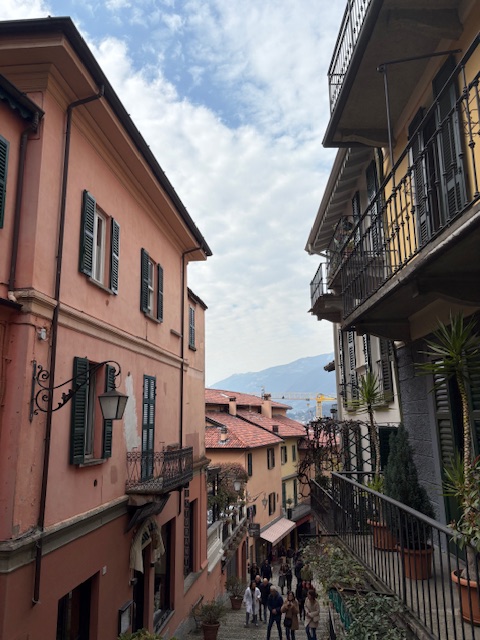
8 Tips to Be a More Respectful Tourist in Italy and Europe
- Learn a little Italian. Italians are tickled when you try to speak a little Italian, even it’s as simple as buongiorno, ciao, or grazie. (Pasta seems to be part of the universal language, hahaha.) Even if they speak English back to you, which definitely might happen, speaking a few words of Italian shows that you are making an effort to be respectful of the country’s culture.
- Think historically. Italy is not Disney World or Epcot. The history in Italy, just like in many parts of Europe, is very real and delicate. As you walk on the cobblestone streets (hopefully in comfortable shoes) or tour through old buildings or churches, aim to preserve that history by keeping your hands to yourself, throwing away garbage in garbage cans, and following any other rules shared by signs or tour guides.
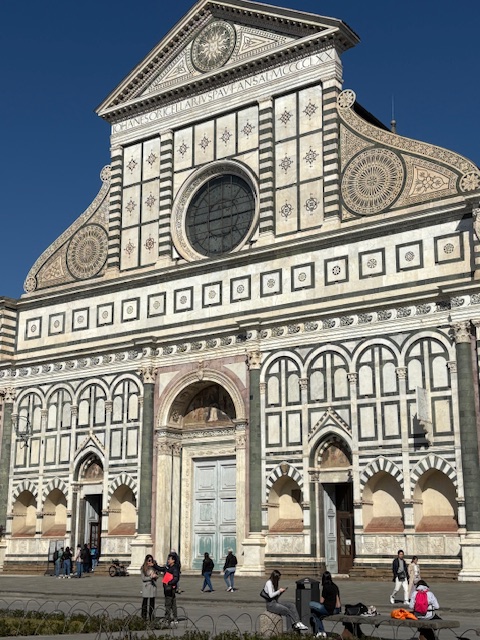
3. Watch what you wear. Many churches in Italy will want your shoulders and knees to be covered upon entering. Plus, some will enforce no sandals. Tour leader Renata De Masi of Tuscany observes that many young people don’t dress appropriately when touring around Italy’s more delicate sites. Solutions: Even in Italy’s hot summer, always have a sweater with you to cover up when needed. Wear closed-toed shoes, or at least have a pair with you for days that you’re visiting churches.
4. DON’T take a selfie. “Italy has an immense artistic heritage,” De Masi says. “There are several occasions when taking a selfie has cost the integrity of artworks and museum displays.” This doesn’t mean you can’t ever take a selfie in Italy. Just be mindful in historical areas of any rules that limit selfies and/or flash photography.

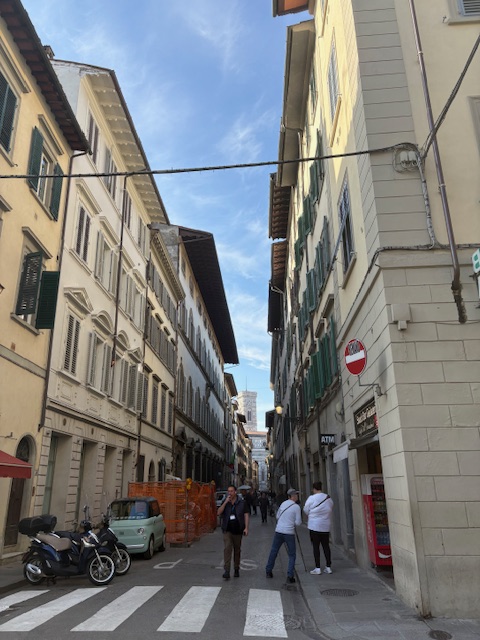
5. Stay out of the way of locals. If you’re from a big city, have you ever had your commute hampered by tourists? Maybe you’re driving through your city and there are tourists in the middle of the road trying to capture that perfect view. Or, they’re standing in the middle of the sidewalk to figure out where the ice cream shop is while you’re scurrying to work? We’ve all been there, and it’s the same in Europe’s big cities. Take up your tourist space when needed, but be super mindful of locals who are living their lives and don’t have the same leisure time that you do while traveling through their country.
6. Go beyond the big cities. We can’t emphasize this tip enough. As we’ve learned more about Italy’s 20 regions, we’ve seen the allure that each area holds. And yet–we hear again and again about Rome, Florence, Venice, and Milan. Don’t get us wrong, those are all wonderful places to visit. Yet we also know Italian people visiting out-of-the-way locations in their country and encountering few to zero tourists while there. Have you thought about spending time in the region of Umbria? Or Sardinia? Le Marche? Abruzzo? They all have wonderful things to see. Our next article will cover several places where Italians like to visit in their own country–and they will be less tourist-focused then the other well-known destinations. Make sure to subscribeto our blog to check out that article, so you can plan your next less hectic trip to Italia.
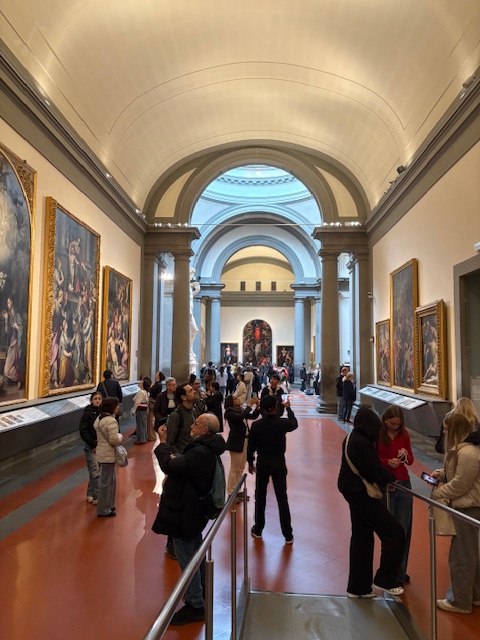
7. Watch your manners–and your volume. We often hear that Europeans are more polite than Americans. Whether or not that’s always true, we can tell you that using please/per favore, thank you/grazie, and good morning/buongiorno can go a long way toward creating goodwill. While you’re at it, watch your volume when you’re speaking in public. Speaking at a softer volume will help you blend in better.
8. Read up on local transportation rules. This may be a way that we tourists aren’t intentionally disrespectful, just uninformed. Yet knowing some local transportation rules can help make your time in Italy more efficient and easier. Here are a few tips shared by De Masi:
a. Avoid a fine on public transportation by validating your paper ticket. This is something that many tourists don’t know so they don’t do it. Here’s a quick video to show you how to validate your train ticket.
b. Consider using contactless payment methods for public transportation when available.
c. If you plan to drive in Italy, make sure to get an International Driving Permit in advance of your trip. It’s required. Ifdriving, do some research on local traffic signs as they won’t always translate easily in English. For instance, “ZTL” indicates areas with limited traffic and usually are in city centers. This may limit these areas to only authorities or delivery drivers. Cities will track cars entering these areas by using camera technology and issue heavy fines to offenders.
d. Know that tourist buses may not be allowed to park near historic destinations. If you’re on a tourist bus, you may need to walk 10 or 15 minutes to where you’re going. Wear good shoes, have water, and be ready to walk!
Want more info on how to be a respectful tourist in Italy? There are several videos on YouTube that you may find helpful. When in doubt, ask your local hotel representatives or tour guides for help. Buon viaggio!
 Italy Dreams