Tag: italy

  • Here’s What It’s Like to Bike Nearly 1,000 Miles Through Italy

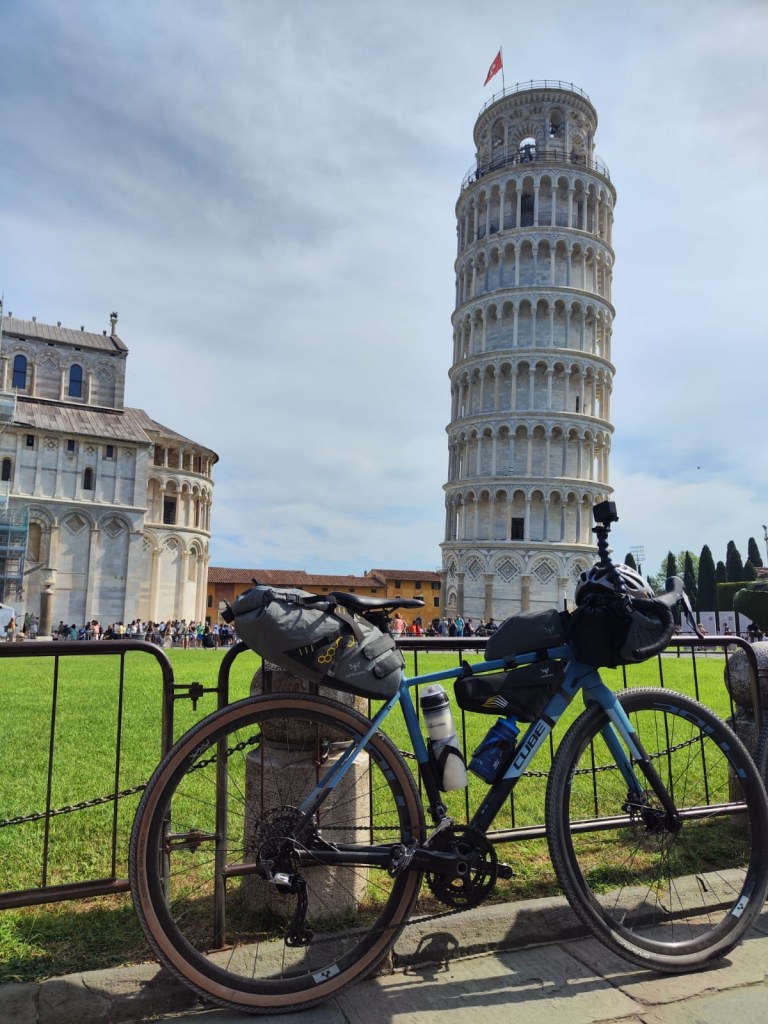
    Viewing Italy’s scenery by bike, including the Leaning Tower of Pisa in Pisa.

    Imagine gliding your way through Italy’s smaller, quieter towns by bike, avoiding the hustle and bustle of packed cities. You get to enjoy fresh air, bellissimi panorami (beautiful views), and local cuisine.

    That’s exactly what two residents of northern Italy did in summer 2025. Read on to find out what type of planning this special trip took, what were some of the highlights, and how seeing Italy by bike made them appreciate their country even more.

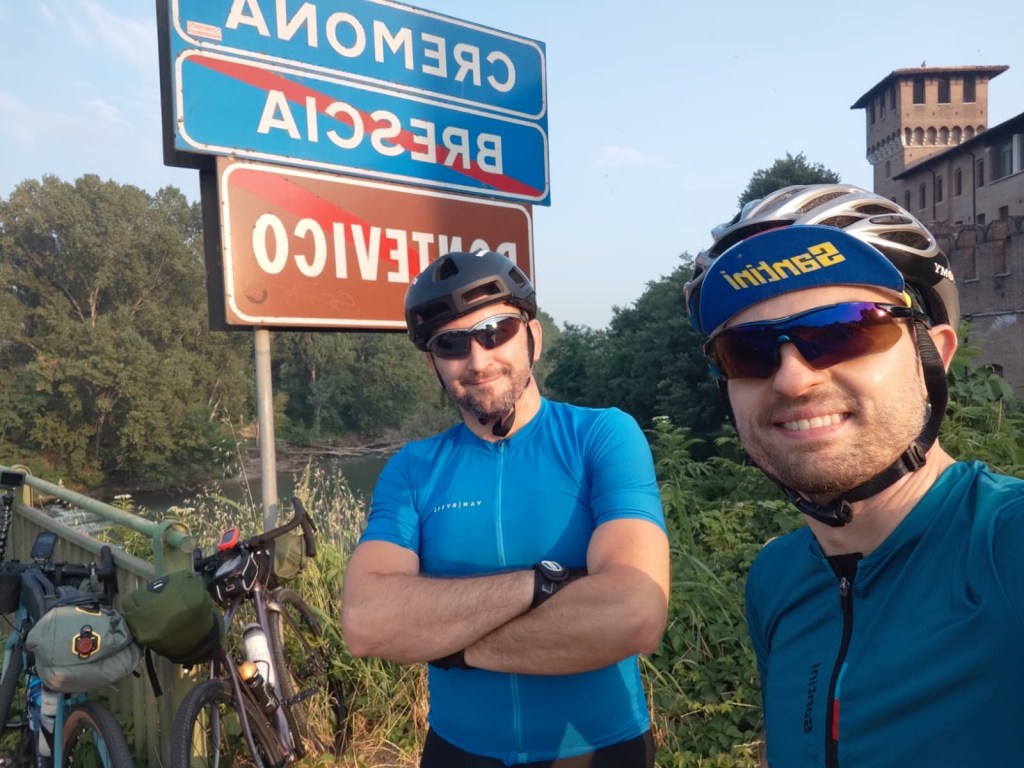
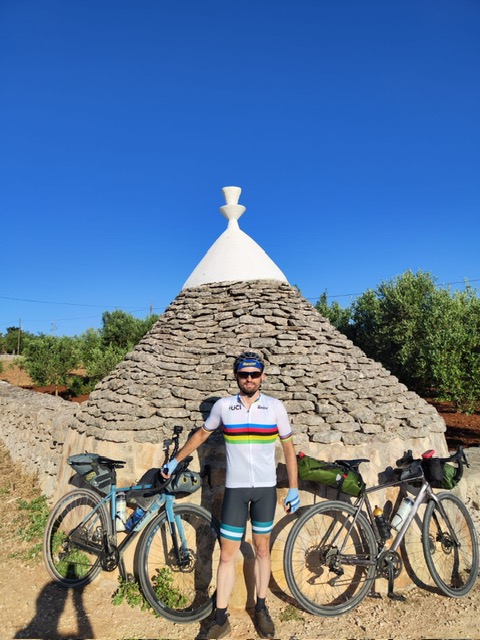
    Fabio B. (left) and Ernesto G. (right) of northern Italy, on their summer 2025 bike ride through Italy.

    Ernesto G. and Fabio B., both of Brescia, Italy, are long-time bikers. After taking a successful long-distance bike trip in 2023 (843 miles/1,357 kilometers and 16,000 meters of elevation) throughout Italia, they enjoyed it so much that they set their sights on a new trip that covered 976 miles/1,571 kilometers and 18,000 meters of elevation.

    These guys aren’t just weekend warriors. They brought athleticism to their trips, with Ernesto swimming competitively in the past and also doing trail running, ski mountaineering, and climbing as well as other long-distance bike trips in the past.

    “Cycling is my favorite exercise,” Ernesto says. “I have a strong desire to explore new places, and doing it by bike makes me feel alive and happy.”

    That sense of wanderlust is also what led him to pursue the recent long distance bike trips through his home country. He says he loves geography and wants to get to know as many places as possible.

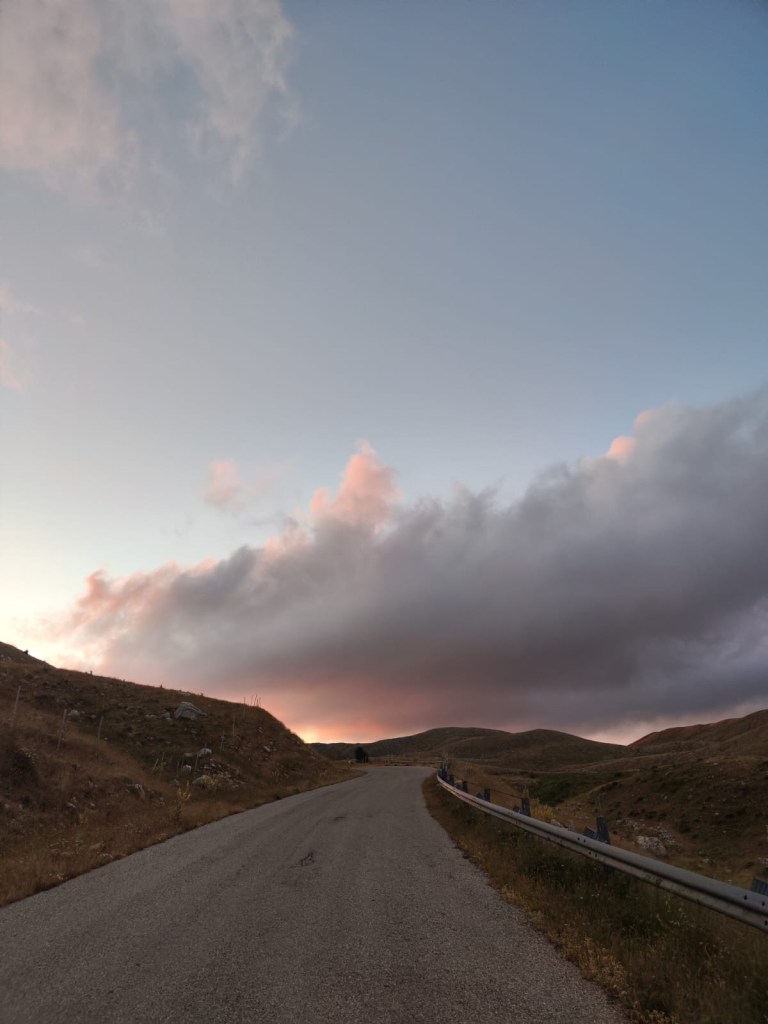
    An early morning view during a bike ride through Italy.

    Of course, planning a bike trip that would take Ernesto and Fabio from the town of Bagnolo Mella near their hometown of Brescia all the way to Lecce in south Italy is not something they could just wake up and do spontaneously. Ernesto says that trip planning involved the use of Google Maps, Google Street View, Basecamp, and various other online tools to create a route. Using those apps, he could target roads that are better and safer for bikers.

    The pair planned in advance to leave nothing to chance and to enjoy overnight stays with showers and comfortable beds. “Cycle tourism is also practiced by those who don’t plan anything in advance, sleeping in tents without a daily destination but only a route to follow,” he says. That wasn’t their plan, but it may work for others. “You have to experience cycle tourism according to your own personality,” he says.

    In his newest trip, he and Fabio wanted to go straight toward south Italy and reach some specific destinations, including new cities, mountains, and valleys they did not visit before. Most of the time they planned to avoid big cities, although they weren’t completely off the planning table.

    Starting the Trip

    The trip took about two weeks, with an average of 104 kilometers/65 miles each day. Although they initially biked longer distances, they eventually reduced that amount due to elevation gains.

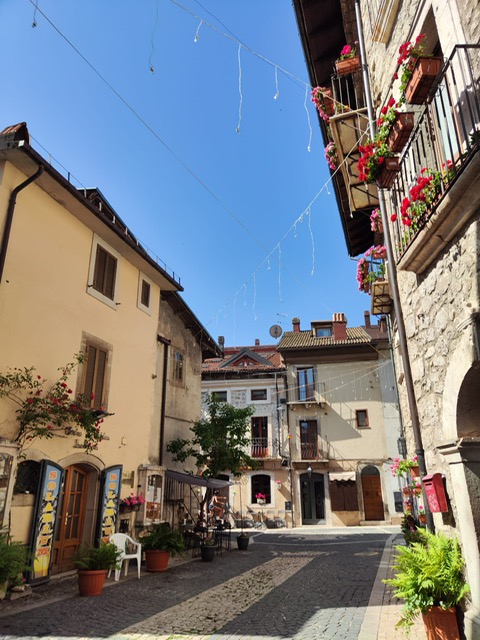
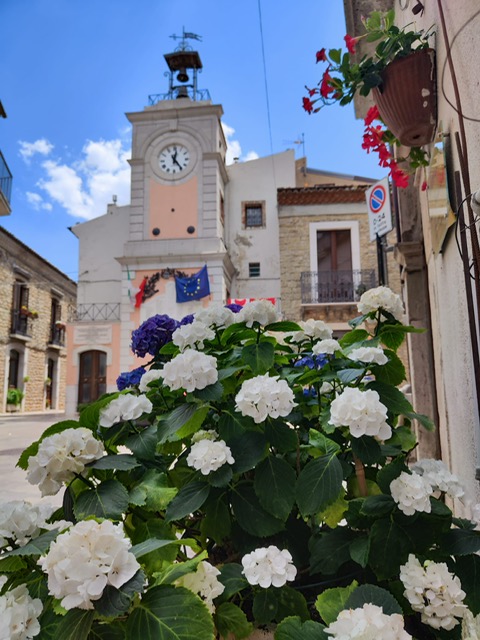
    The bike ride took them through towns that were charming and quaint like much of Italy, but much less crowded.

    Enjoying the scenery, usually at a relaxed pace, was a highlight of the bike ride.

    “We stopped to enjoy the views many times to photograph landscapes and towns,” Ernesto says.

    Since the trip was during the summer, the heat was a challenge. Sometimes the temperature would reach the mid-30s Celsius or near 100 Fahrenheit. They would often leave their overnight stay in the wee hours of the morning to get ahead of the heat. “There was a strong heat in Italy during those days, but luckily it was too hot just the first day and on the coast,” he says.

    On the type of route they followed, encounters with stray dogs also were a potential threat. However, they only saw them in two or three places.

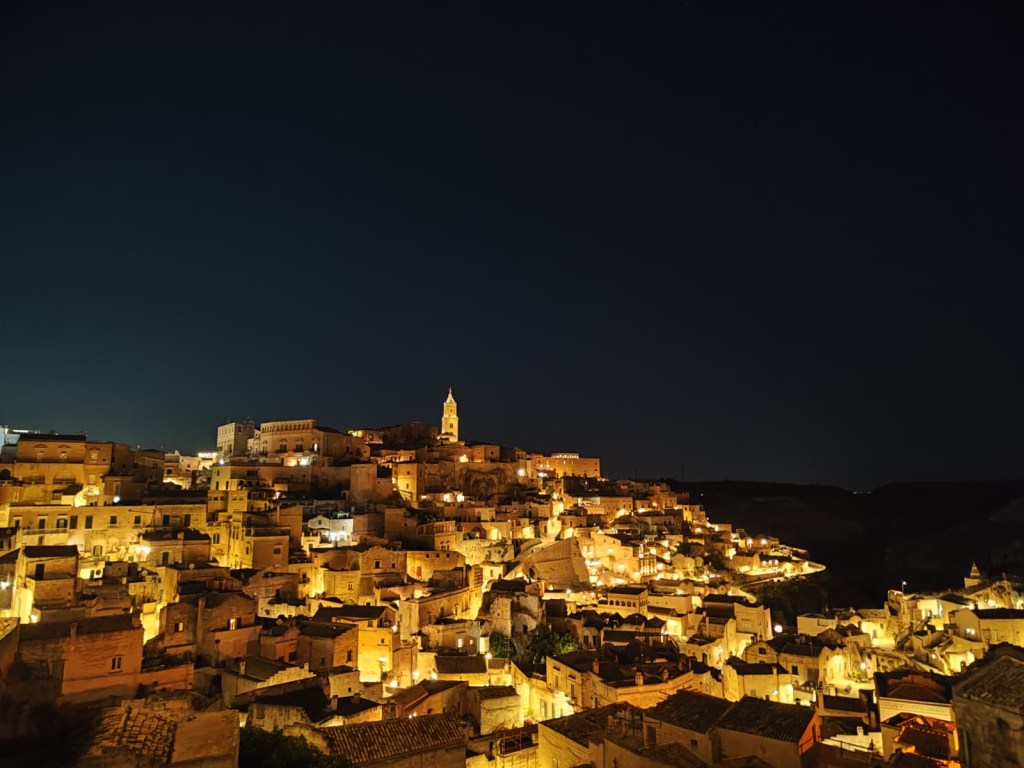
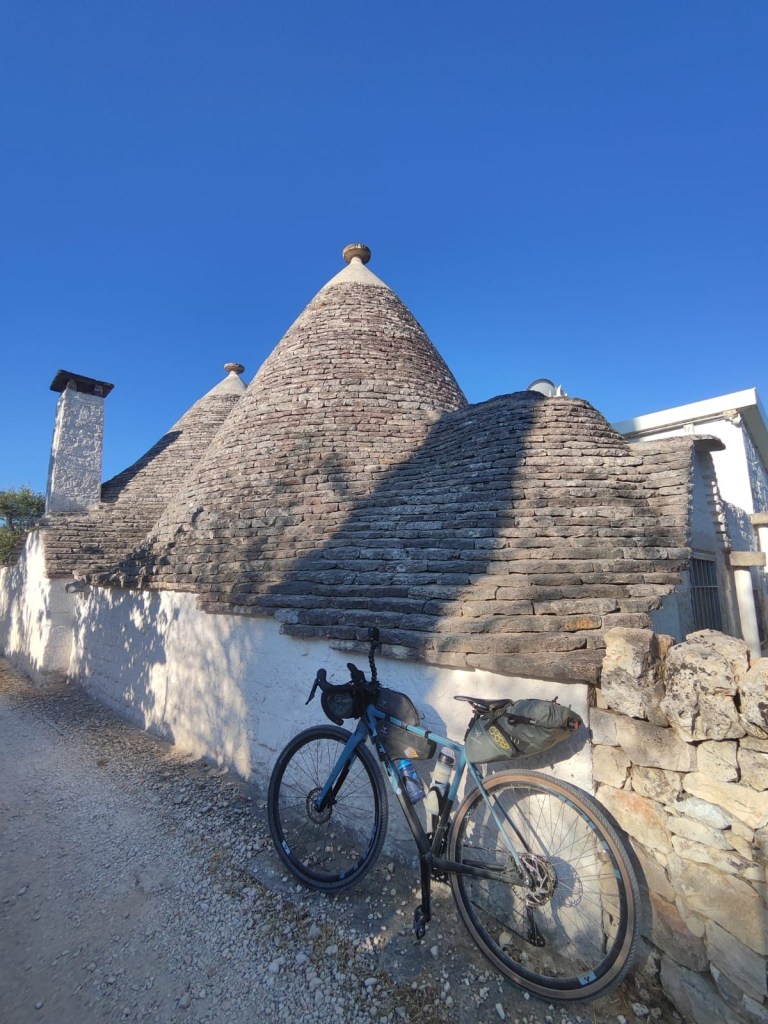
    The bike trip took Ernesto and Fabio through some famous Italian destinations, including Pisa with its Leaning Tower of Pisa; Matera, known as the oldest city in Italy; and Alberobello, which has a series of homes called trulli, with domed roofs that date back to the mid-14th century. Both Matera and Alberobello are UNESCO World Heritage sites.

    When the tiring but exhilarating trip was over, Fabio and Ernesto returned home by train.

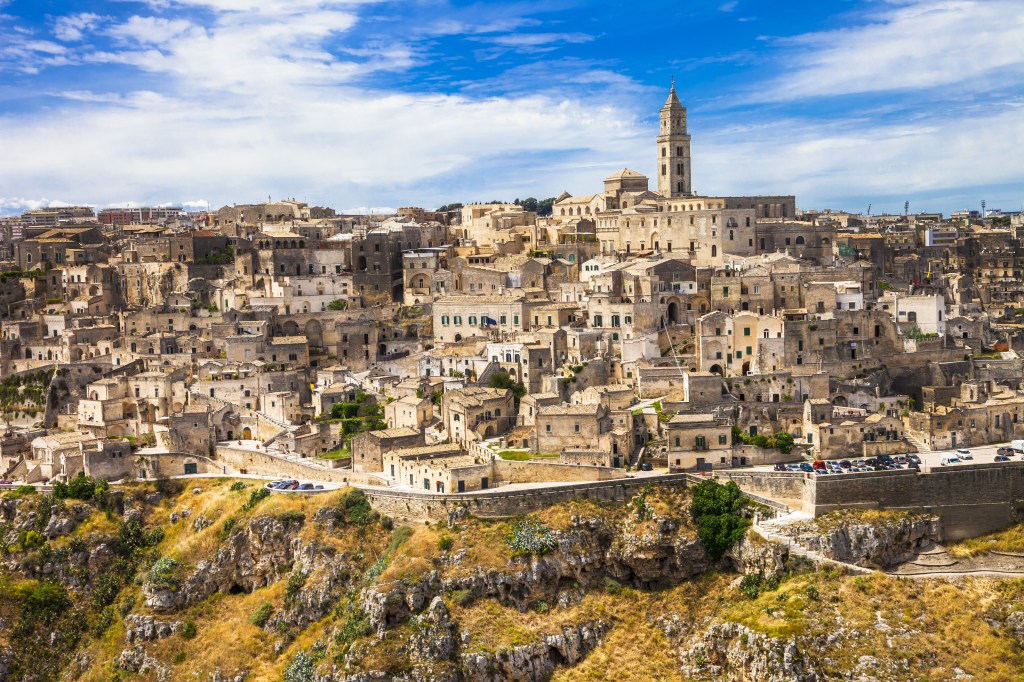
    A nighttime view of Matera, Italy’s oldest city.

    Reflecting on the Journey

    One surprising point for Ernesto was the diversity of dialects he found in their home country. “I was impressed at how dialects drastically change in just a few kilometers,” he says.

    Although Italian is the main language of Italy, the country actually has several dozen recognized languages and dialects. Ask any Italian you meet, and they most likely know both Italian and another language or dialect (or at least a few words of it) they’ve used in their hometown and with family members.

    There were also several towns among their favorites:

    Berceto, in the Emilia Romagna region, located in the Apennine Mountains. “It’s a little old town in the mountains with beautiful views and fresh, clean air,” Ernesto says.

    Castiglione della Pescaia, in the region of Tuscany on the coast. The town has a medieval castle to visit, narrow streets, and sea views.

    Lecce in the Puglia region, with its Baroque style, Roman Amphitheater, Cathedral, Bell Tower, and more. “All places definitely worth a visit,” Ernesto says.

    Pitigliano in the Tuscany region. This medieval-style town was built on volcanic tuff and has well-kept alleys and squares as well as a Roman aqueduct fountain.

    Barrea in the Abruzzo region, located on Lake Barrea. “Its mountains, old town, castle, and narrow streets make it a must-see,” Ernesto says

    More long-distance bike trips are slated for the future, Ernesto says. The next trip is planned for Italy’s Dolomites region in north Italy, with future trips in south Italy, including the regions of Campania, Calabria, and Sicily.

    “Traveling by bike makes me feel so good,” he says. “It gives me freedom. I think I’ll always travel by bike because I’m basically an explorer.”

    Advice for Future Bikers

    If you are thinking of a long-distance bike trip in Italy or elsewhere, Ernesto shares some advice:

    1. Start with shorter trips to get used to the pace of longer distance rides.
    2. Train for at least five to six months before your departure.
    3. Learn how to create routes and not just blindly rely on navigation apps. “Study maps and check roads on Google Street View,” he advises.
    4. Pack lightly.
    5. Invest in a good navigation advice; one pick he likes is the Garmin Edge 1040, which is a GPS created for biking.
    The trulli, famous dwellings in Alberobello.

  • 12 Facts About Italian Food in Italy That May Surprise You

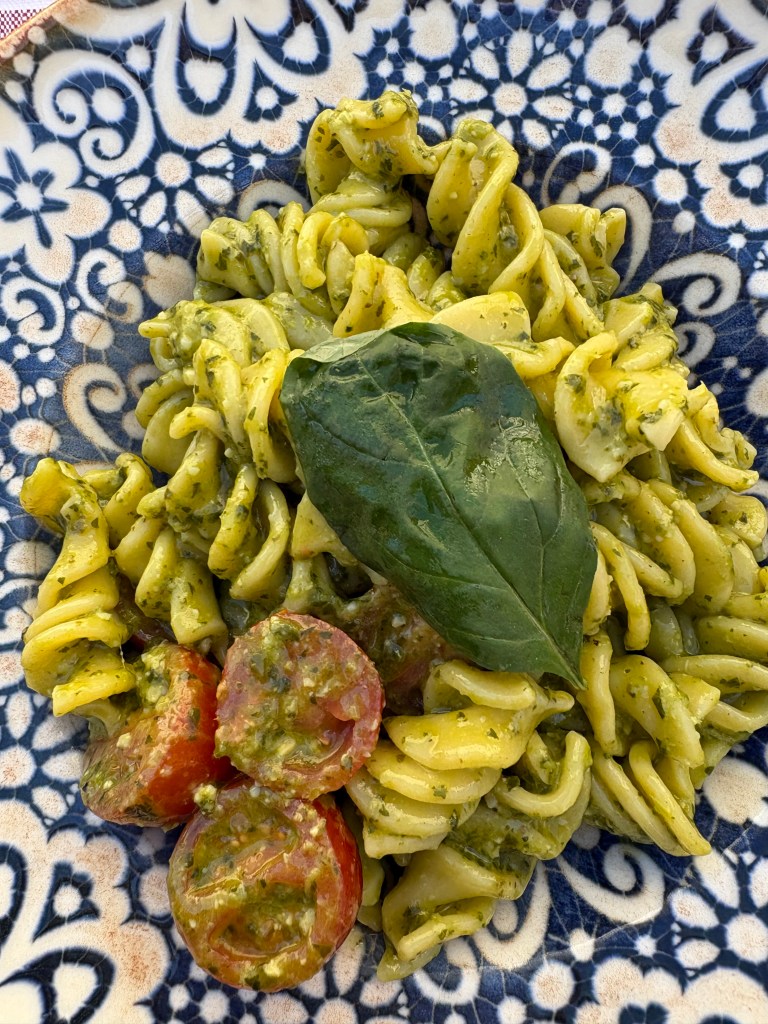
    An amazing pesto pasta dish in Florence, Italy.

    Many people outside of Italy looooovvvveee Italian food, including here at Italy Dreams. Our favorite food was pizza growing up–OK, so maybe it was Pizza Hut pizza, which would make real Italians shudder (hey, we were in the D.C. suburbs, not New York or New Jersey!). And pasta and risotto dishes are a regular part of the meal rotation at Casa di Italy Dreams.

    In any case, traveling to Italy is eye-opening when it comes to Italian food, as you start to learn what cibo Italiano (Italian food) actually is versus Italian-American food.

    We gleaned many of these tips during a 2025 visit to Italy, while others were discovered online. And we’d be happy to continue the food conversation in the future.

    You’re welcome for the yummy food pictures throughout. 🙂

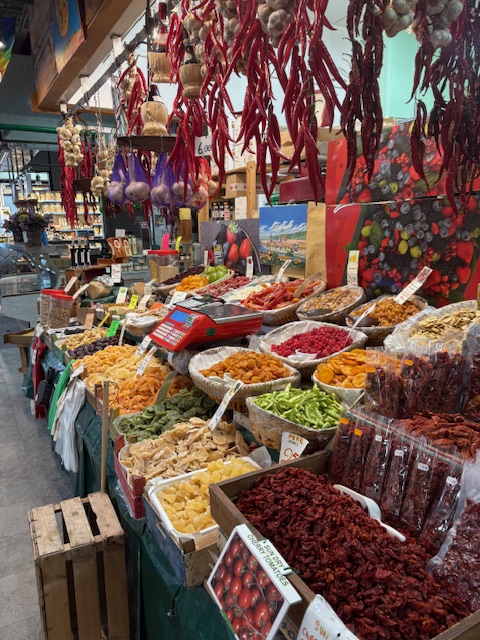
    Mercato Centrale (Central Market) in Florence, Italy.

    The Big Picture

    1. Italian food differs drastically by region.

    When we say “Italian food,” we’re making a huge generalization. That’s because Italian food can differ drastically by region. Italy has 20 different regions, each with its own distinct food, wine, cheese, bread and desserts. Heck, food can sometimes even differ by town. Pizza and pasta may be popular throughout the country, but there are even variations there. Risotto, for example, is an Arborio rice-based dish popular in northern Italy. Couscous is famous in the island region of Sicily (see tip 12).

    We’ve found the book “Rick Steves Italy for Food Lovers,” by Rick Steves and Fred Plotkin, to be particularly useful in understanding different regional foods. You’ll discover where cannoli originally are from (Sicily), where cinghiale (wild boar) is most common (Tuscany), and lots more.

    2. Eating local is a way of life.

    In the U.S., we like to tout that we’re eating local if we’re eating a dish with produce grown within our state or region. In Italy, eating local takes on a whole different meaning. The whole meal may come from the town where you’re eating the meal. The person preparing the meal may have even picked the produce or helped raise the chickens. It’s no wonder that Italian cuisine is known to be so yummy, with such fresh and in-season ingredients.

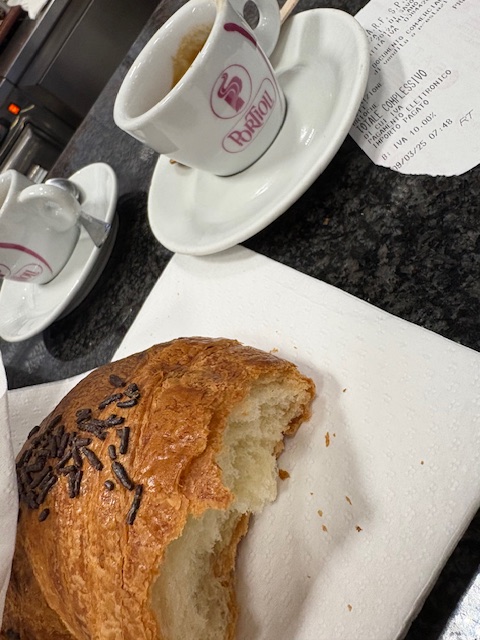
    A crossaint and an espresso is a typical Italian breakfast option.

    Eating Breakfast/Colazione

    3. Breakfast is light.

    Let’s face it, Italians as a whole stay slim for all the food that they eat. One secret may be that they keep their breakfast, or colazione, light. Un cornetto e un espresso–or a crossiant and an espresso–is a common Italian breakfast. Some may add yogurt or fruit as well.

    4. A latte will get you milk, not coffee.

    The word latte means milk in Italian. For Starbucks fans like us, latte means something different, right? It’s what you order when you want a coffee-and-milk combo. So, don’t walk into an Italian food establishment or bar and ask for a latte unless you want just milk. And you may want to study other phrases for ordering coffee, as saying the wrong phrase could lead you to an alcohol-infused drink (which, hey, you may still enjoy).

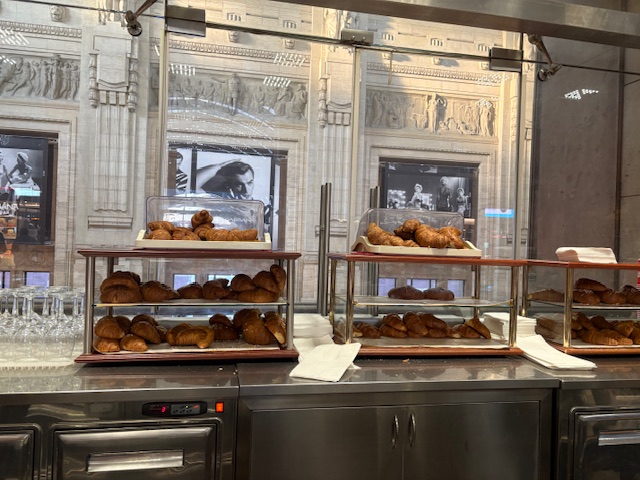
    Breakfast pastries at a shop in one of Milan’s train stations.

    5. Italians don’t nurse a coffee all day.

    Like many Americans, we at Italy Dreams find it comforting to nurse our coffee for awhile, like it’s a baby that needs affection. Italians–not so much. Those espressos are small and meant to be consumed rapidly. Keep in mind that they also pack a caffeine punch. So, what they lose in “coffee nursing” time, they still make up for with a caffeine jolt.

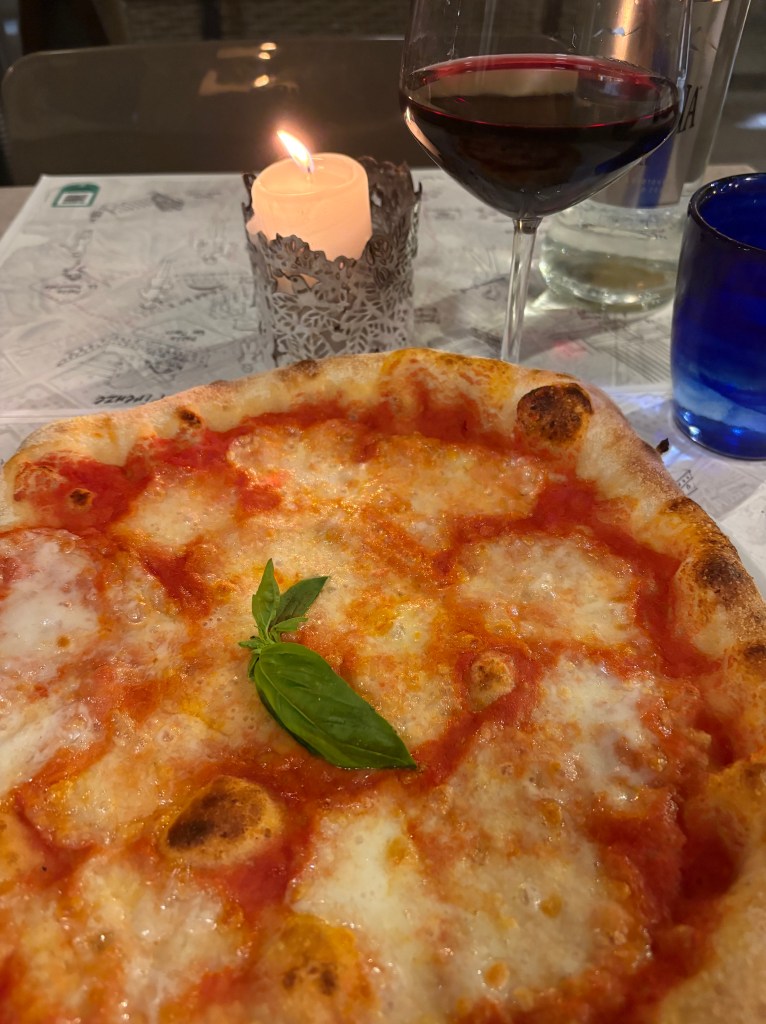
    We hear that Italians drink beer when they have pizza–but this combo of pizza and vino was still a delight.

    Pizza & Pasta

    6. Italians eat a lot of pasta.

    This fact may not be too surprising. After all, pasta is perhaps Italy’s best-known food. However, did you know that the average Italian eats 50 pounds of pasta (23 kilograms) a year? That compares to 20 pounds a year in the U.S. on average per person–which is still a heck of a lot of pasta.

    The cool thing is that Italians have so many different ways to prepare pasta–and so many different types. Just go to a supermarket or other market of choice while you’re there to see what we mean.

    7. Italians like their pasta al dente–and they eat it with a fork.

    Al dente means “to the tooth.” The end result is pasta that’s still a little firm when eaten. Overcooked pasta is not common. And don’t cut your pasta with a fork and knife! They will use a fork to eat their pasta, thankyouverymuch.

    One quick kind-of-related story: We once taught English to a group of Italians here in the U.S. and mentioned that we put olive oil in the water as we cooked pasta. The look of horror on their faces could have stopped a ghost. We learned that day that salt goes in the water to cook pasta, and the olive oil goes on the pasta afterwards.

    8. Don’t look for pepperoni pizza or Hawaiian pizza in Italy.

    Italians in Italy aren’t seeking out pineapple on their pizza. They also aren’t fans of pepperoni pizza like we are here in the U.S. However, you can get peperoni pizza (notice only one “p”), which will get you a pizza with bell peppers. You also can get pizza diavola, or Devil’s Pizza, which uses spicy salami that resembles pepperoni as we know it.

    9. You’re not at Olive Garden anymore, Toto, so there’s no dipping bread in oil and vinegar.

    You may get bread with your Italian meal, but Italians commonly use it to dip into the sauce and oil leftover from the pasta or other dish they’ve eaten. This practice is called fare la scarpetta, which means to make a little shoe. Cute.

    There’s not usually garlic bread either. Sorry.

    A pasta dish in Florence, Italy.

    10. You also won’t find spaghetti with meatballs.

    However, you can order meatballs as a separate dish called polpette.

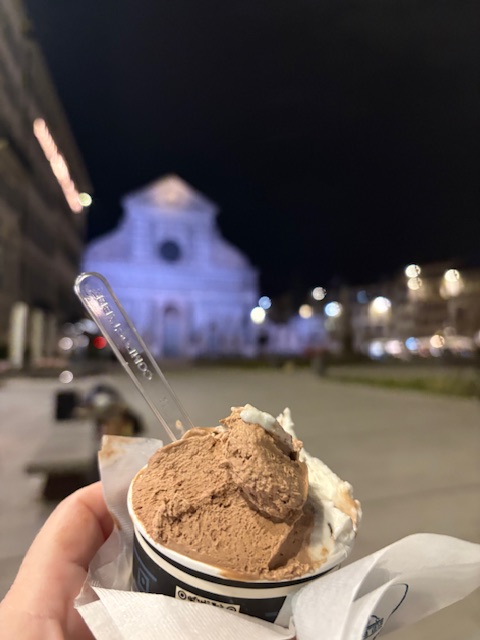
    Gelato outside Santa Maria Novella in Florence. Yummm……

    Miscellaneous

    11. Gelato isn’t the same as ice cream.

    There’s a lot of gelato around Italy, and for good reason. It’s soooooo good. But it’s not the same as ice cream. Gelato is actually made with more milk than regular ice cream and doesn’t include eggs. It’s also denser. Make sure to look for gelato that has more natural colors versus bright colors (which could mean that the gelato was dyed).

    12. There’s a Couscous Fest in Italy that you might want to attend.

    When you think of couscous, you think of the Middle East, right? Yet couscous is actually a specialty in Sicily (among its many food specialties). There’s a Cous Cous Fest each year in Palermo, Sicily, each year attracting more than 200,000 visitors. It also brings in musical guests and has become a huge celebration.

    Hungry yet?

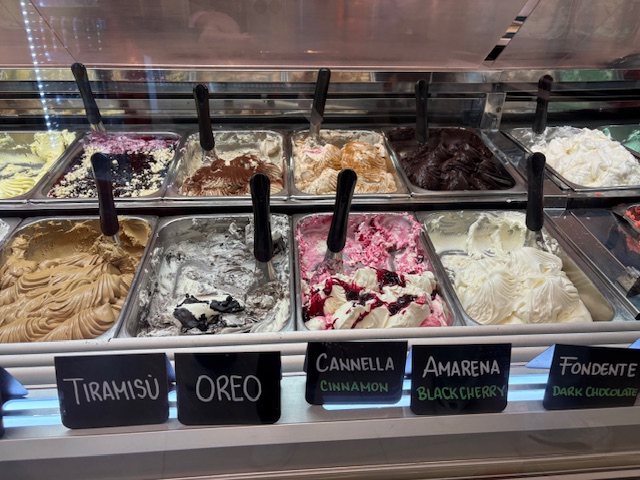
    Gelato as seen in a shop in Florence, Italy.

  • Here’s How Sicily Is Different From the Rest of Italy–in the Best Ways Possible

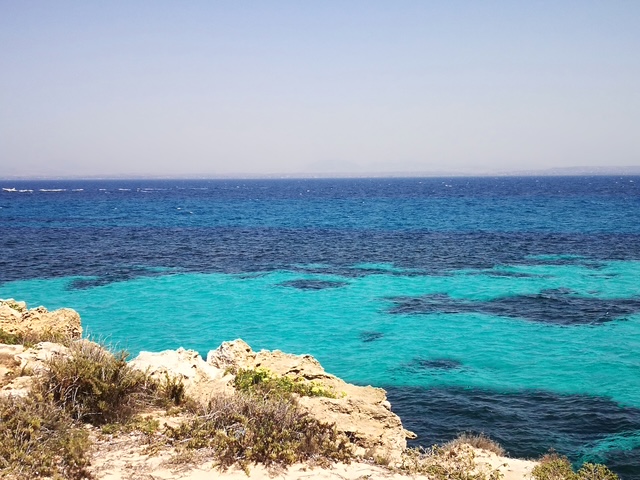
    Sea views in Sicily. Picture shared by Stefania Lampedecchia. (@Slampe78).

    Sicily, or Sicilia as it’s called in Italian, is the soccer ball-shaped southern island of Italy. Tourism to Sicily has increased in recent years, In fact, the island welcomed 5.5 million tourists in 2023, which was a 14.5% increase from 2022, according to this Reuters article. For comparison, the island’s total population is 4.8 million.

    Italy is already well known for attracting visitors for its history, architecture, food (oh, the food), scenic views, and people. Still, just what is it that draws more and more visitors to Sicily? And how does it compare to visiting other parts of Italy? Italy Dreams wanted to explore these questions a little further to help give you guidance for your next trip planning to Sicily. Andiamo!

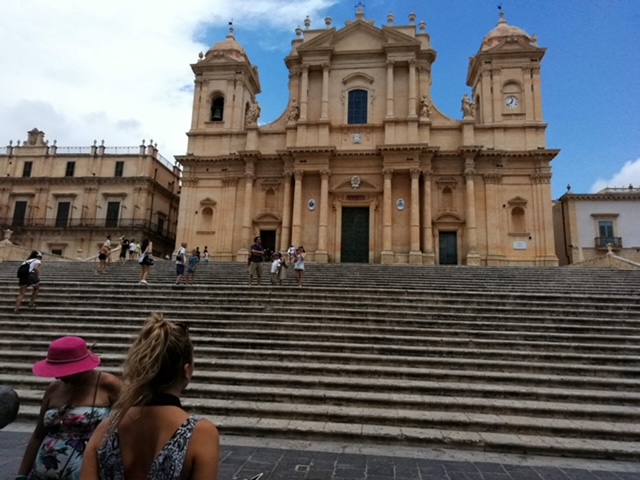
    The town of Noto in Sicily. PIcture shared by Stefania Lampedecchia. (@Slampe78).
    1. Sicily blends together an amazing mix of cultures.

    Over time, Sicily was conquered by a massive mix of civilizations, including the Arabs, Greeks, Normans, Romans, the Spanish, and more.

    “The result is a fascinating Mediterranean mosaic, a cultural ‘cocktail’ that is worth the journey,” says Daniele Panzarin, CEO of the Venice-based destination marketing company (DMC) Target Travel, which specializes in tailored and luxury travel experiences around Italy.

    So, you’ll see this blend of cultures in Greek ruins in places like the Temple of Segesta, the Middle Eastern couscous dishes found around the island but especially in Trapani, and more. And Italian influences? Yes! There are many of those, too, of course. Yet you’ll often find people from Sicily identify first as Sicilian because of their unique history and heritage.

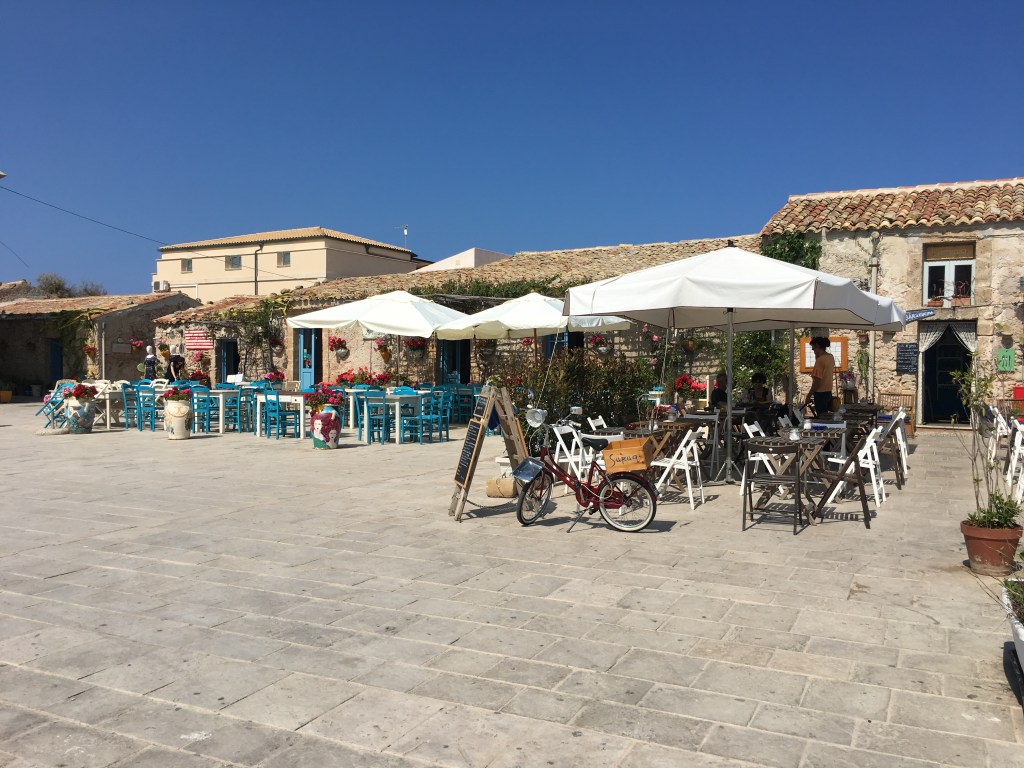
    Marzamemi, a coastal town in eastern Sicily.

    2. You’ve got all types of geography in a relatively small space.

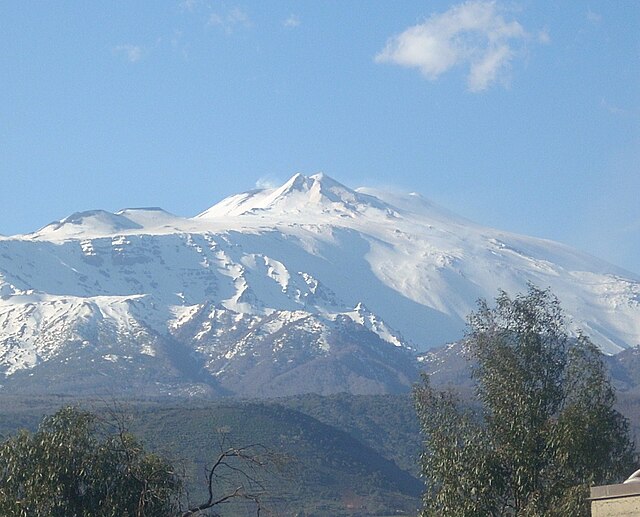
    Whether you want mountains or lovely beaches, small towns or bigger cities, you can find it in Sicily. For good measure, there’s a volcano thrown in there as well–the famous Mount Etna. “Locals simply call it ‘a Muntagna,’ or ‘the Mountain,’” Panzarin says. “It’s the island’s symbol, its heartbeat and soul, ever-present in the lives of Sicilians.”

    You may be able to find this blend in other Italian regions, but it’s often surprising to people that so much geographical diversity is available in a relatively small space. If you were to drive straight through from east to west, it would take you about 3 ½ hours or north to south in 2 ½ hours, for context.

    “Compared to other regions, Sicily really offers everything: culture, great food, ancient history, beautiful natural landscapes, the sea, and volcanoes,” says Manuela Mocci, operator of Byways of Italy, a Rome-based DMC that creates customized Italy travel itineraries. Plus, friendly people, she adds.

    Arrive hungry! The food experience in Sicily is world-famous.

    3. The food experience is off the charts.

    Let’s be fair. The food experience anywhere in Italy will likely be off-the-charts delicious. This may not be that different from elsewhere in Italy, but the quantity and quality in Sicily can still be a shock.

    “You can eat delicious food all over Italy, but in Sicily the portions are huge, and the variety is just as impressive,” Mocci says. We won’t judge if you choose to eat a huge portion!

    There’s also a major connection to eating local. “Sicilian cuisine is a celebration of authenticity and deep ties to the land,” Panzarin says. “It’s always been a zero-kilometer cuisine, and often even less. Many trattorias and restaurants cook with produce from their own gardens or from local farmers.”

    Here are just some of the Sicilian foods you can try (we’ll explore these in more detail in a future article):

    • Arancine, or rice balls
    • Sfincione, a thick and spongy pizza often served as street food
    • Cannoli, the famous dessert item stuffed with fresh ricotta and topped with chocolate chips or pistachio (heaven help us, those must be so good)
    • Marsala dessert wine (Sicily has many wineries for various types of wine)
    • Pistachios, which are grown near Mount Etna
    • Blood oranges
    • Granita, a shaved ice dessert that’s sometimes also eaten for breakfast in the summer
    • Couscous alla Trapense (a couscous dish)
    • Pasta con le sarde, or pasta with sardines and fennel (as you may imagine, there are many fish and seafood dishes here)
    • Pasta alla norma, a pasta with tomato sauce and fried eggplant
    • All sorts of sweet treats with funny names, just too numerous to list here

    Hungry yet? We are!

    Street food is well-known in Sicily. “It’s an authentic, affordable, and delicious way to experience Sicilian flavors, much more common than in many Italian regions,” Mocci says.

    Faro di Punta Secca/Lighthouse of Punta Secca, Sicily. Shared by Stefania Lampedecchia.

    4. There are lots of smaller islands that you can explore.

    When you think of Sicily, you probably think of the main island. Yet did you know that there are several islands that you can visit? They include the Aeolian Islands (made of seven islands, each with its own unique character), Ustica, the Egadi Islands, the Pelagie Islands, and Pantelleria. These islands are accessible by boat or ferry with varying distances from Sicily. For instance, Ustica is 60 kilometers from Palermo (on Sicily’s west coast), while Pantelleria is a six-hour ferry ride from Trapani. If you want a more remote experience, consider checking out one of these islands.

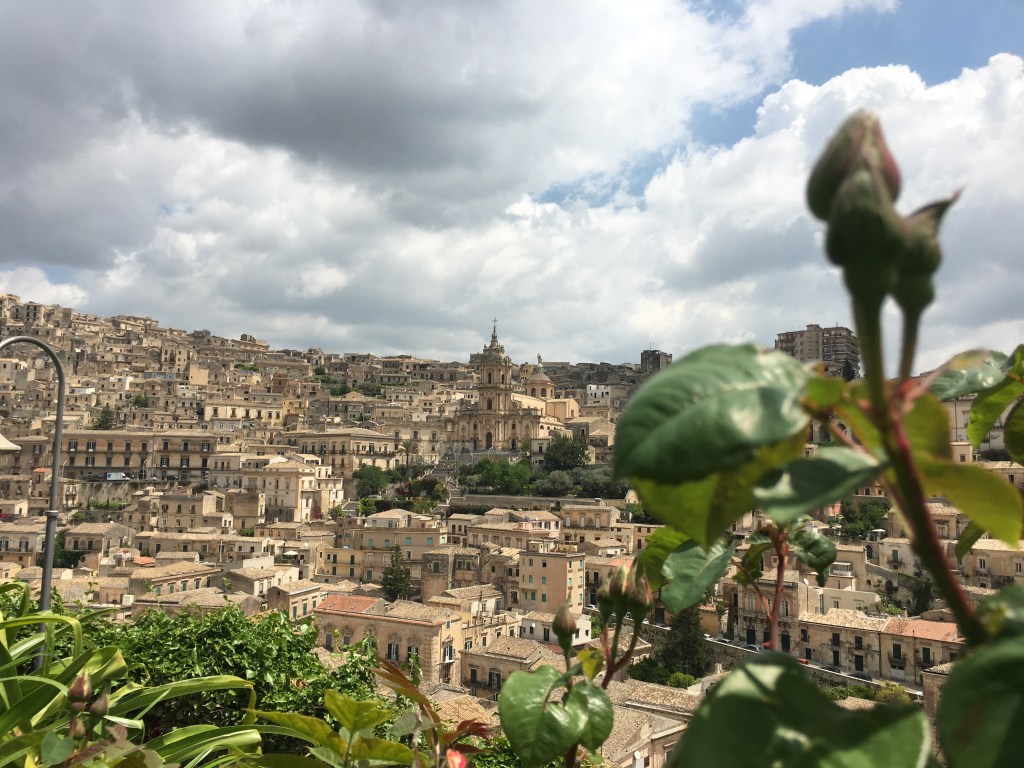
    Modica, Sicily. Picture shared by Target Travel.

    Tips for Your Sicily Visit

    Now that you know more about Sicily and perhaps you’re searching online for flights there, we wanted to share a few tips for trip planning. Here are a few suggestions to ensure you’ll have a great trip to Sicily:

    • Consider joining a tour. Although Sicily is safe and you can explore it on your own, there’s something to be said about relying on expert guidance. “A thoughtfully planned itinerary or a local guide allows you to experience its soul through art, history, and cuisine,” Panzarin says. Doing a tour also can save you planning time, if you don’t have the time or patience to map out an itinerary for yourself and your travel companions.
    • Think about weather. Just like anywhere in the world, weather is a factor for your visit. Most agree that the best times to visit are mid-September, October, and the spring months. July and August can be tough because of how hot it gets. However, this doesn’t mean you should rule out a winter visit. “Traveling from November to March can still be a good option because prices are lower, there are fewer crowds, and the weather is still mild,” Mocci says. Just find out the schedule in advance of any must-see destinations, as sites often have fewer hours in off-season.
    • Consider renting a car outside of the cities. Highway driving in Sicily is usually easy, so it’s common for visitors to rent a car and explore more. However, travel experts often advise against renting a car when in bigger cities like Palermo and Catania as driving there can be chaotic. Driving also can be a challenge in some mountainous areas with hairpin turns. You can use trains or buses to some extent in Sicily, but options may be limited compared with other Italian regions. A private drive is another option, although it will cost more.
    • Learn a little bit of Italiano. This is always helpful when traveling in Italy for obvious reasons. Yet compared to big cities like Florence, Rome, or Venice, knowing a little Italian can be even more helpful. In some Sicilian small towns, English may be less common. “Locals will appreciate the effort, and small towns are amazing,” Mocci says. The Sicilian language is also widely spoken in Sicily; it has its own distinct grammar and pronunciation from Italian.
    • Consider using guidebooks in addition to online videos and articles for Sicily info. Rick Steves Sicily and the Lonely Planet Sicily guide are particularly useful.
    • Have fun! “People are generally more open, friendly, and curious towards visitors,” Mocci says. “This attitude is very present, most locals are welcoming, helpful, and generally interested in others.”

    In future articles, we’ll share more details about Sicily’s specific destinations and, of course, the food. Ci vediamo in Sicilia/see you in Sicily!

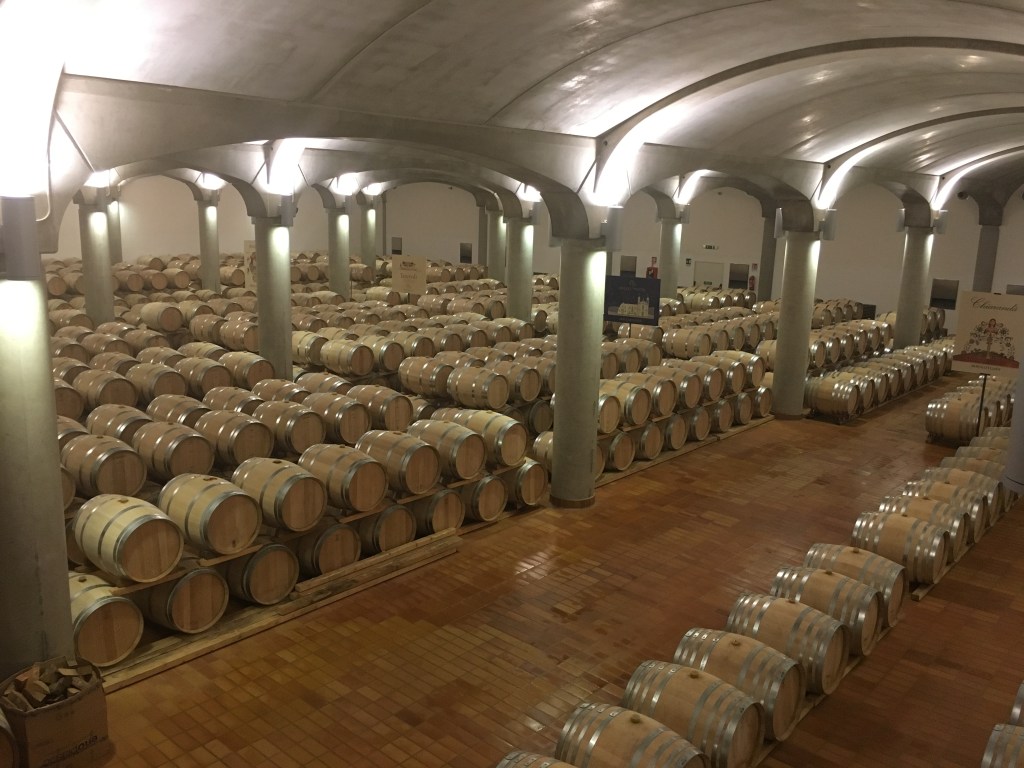
    Donnafugata Cellars in Marsala, Sicily. Picture shared by Target Travel.

  • Here Are 5 Places Where Italians Go on Vacation in Italy

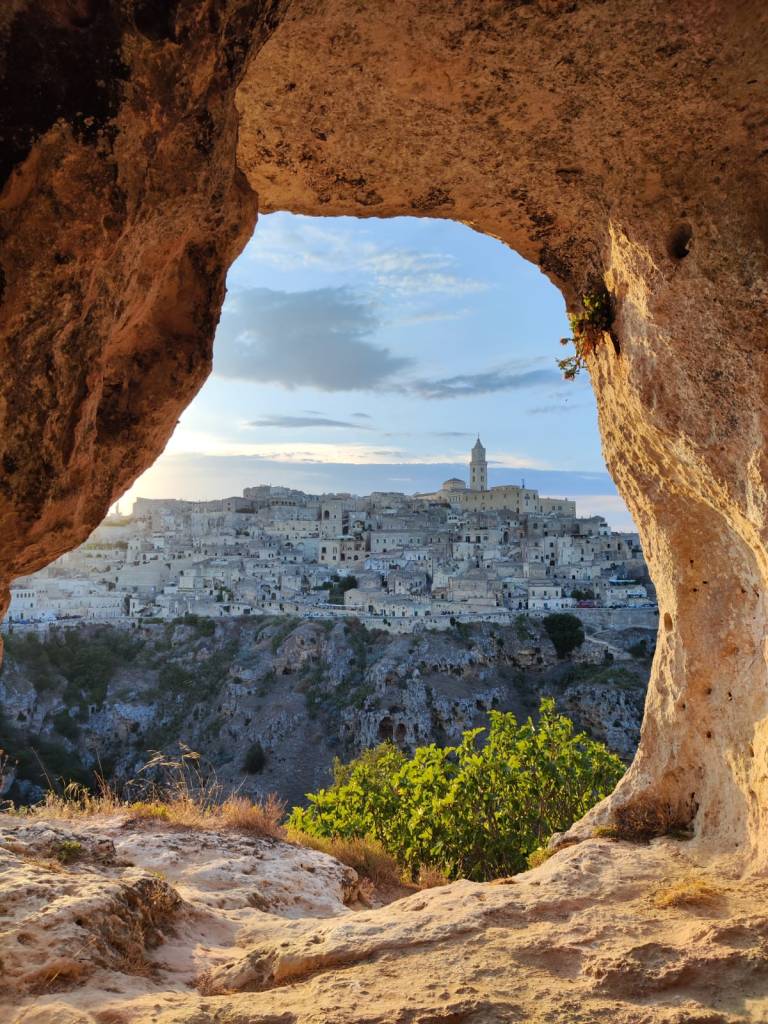
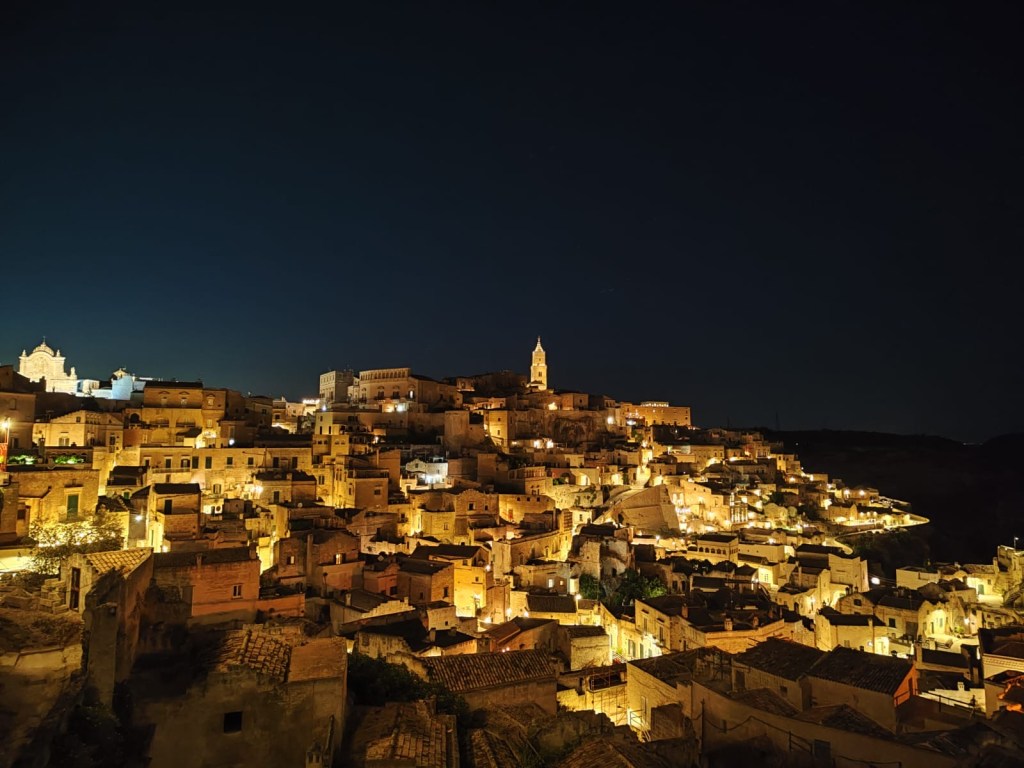
    Beautiful Matera in the Basilicata region of south Italy. It’s one of the oldest continuously occupied cities of the world.

    Did you know that 70% of tourists to Italy go to just 1% of the country–namely, Florence, Rome, and Venice? Of course, these cities have a wealth of history, food, and culture (we even shared some foodie facts from our Florence visit in this post).

    Yet let’s face it, getting stuck in the heat and crowds is NOT fun.

    So, in the spirit of Italy Dreams’ mission, we share here five destinations in Italy that are popular among Italians themselves. That’s not to say you won’t find other U.S., British, or other foreign tourists in these beautiful places–but there will be far fewer compared to places like Florence, Rome and Venice.

    Andiamo! Let’s go!

    A nighttime view of the historic town of Matera, Italy.

    Matera

    If you like history, the town of Matera will take you in the way back machine–as in waaaaaayyyyy back. It’s the oldest city in Europe, and one of the oldest continuously inhabited areas of the world–we’re talking history that goes back to 7500 B.C. The 2004 movie “The Passion of the Christ” used Matera as a backdrop.

    This history and the city’s unique look naturally drives visitors to this Southern Italian town, located in the region of Basilicata. Matera is about 2 hours from Naples, depending on how you get there.

    Here are just some of the things that native Italian visitors do in Matera–and that you can do, too:

    Visit the Sassi di Matera, or stones of Matera, which are declared a UNESCO World Heritage Site. This is an ancient settlement area with alleyways, caves (providing great views of the town itself), gardens, and tunnels.

    Check out The Bread Museum (I Segreti del Pane di Matera). Discover what makes bread from Matera so special and how it ties into the area’s history. It will make you hungry–good thing you’re in Italy!

    Get a stunning view of Matera’s caves from the Pascoli Square Belvedere (Pascoli Square Belvedere). Named for the 19th-century Matera poet Giuseppe Pascoli, you’ll find a balcony that provides a lovely view of the Matero Cathedral, Civita Caves, and part of the stone districts of Matera.

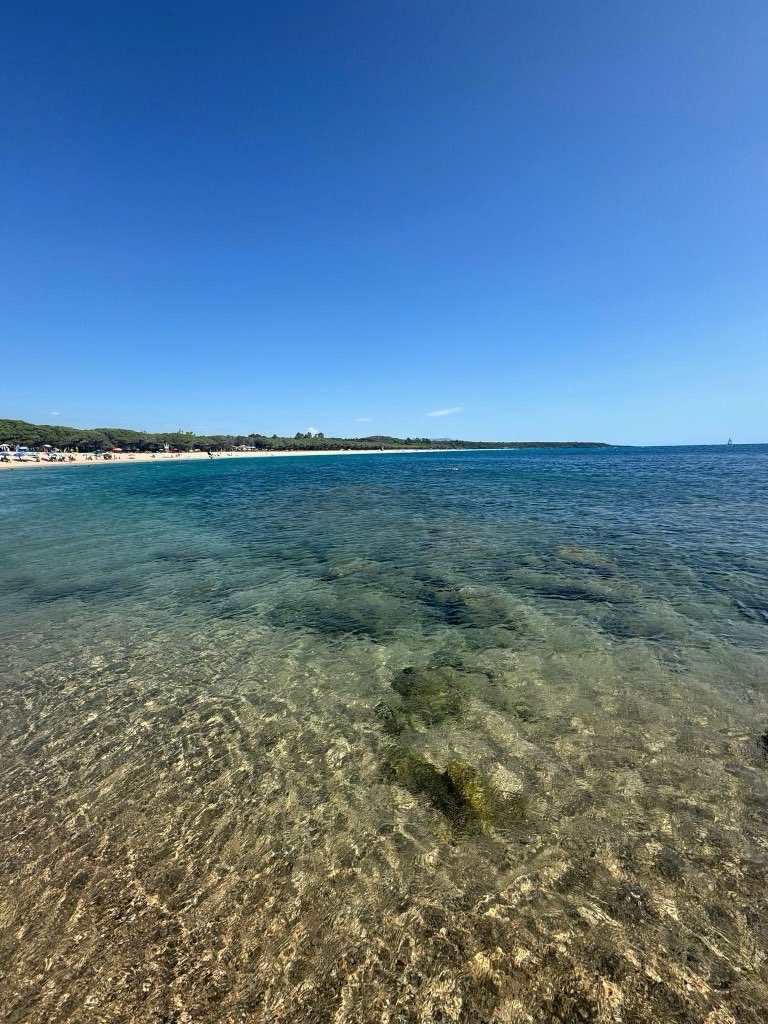
    A beautiful beach in Sardinia, Italy.

    Sardinia

    We’re sure you’ve heard of Sicily, but have you heard of Sardinia? Think of this island region of Italy as Sicily’s wilder sister. It’s located in the Mediterranean Sea, south of the French island of Corsica and west of Italy’s mainland.

    Sardinia is the second largest island in the Mediterranean, second only to Sicily, and has a population of 1.7 million. That may sound like a lot, but it’s actually one of the most sparsely populated regions of Italy.

    Life’s just a little different in Sardinia, Italy.

    So, just what can you do in Sardinia? Here’s the scoop:

    Eat a lot of Pecorino cheese. Despite its many kilometers/miles of coastline, Sardinia is actually better known for sheep farming than it is for fishing. All of that sheep farming leads to a lot of Pecorino cheese, made from sheep. Other foods you might enjoy in Sardinia include malloreddus, a type of Sardinian gnocchi; pane carasau, a crispy bread; and seadas, a fried pastry with cheese and honey.

    Go to the beach. With about 1,200 miles (yes!) of coastline, Sardinia is a natural choice if you consider yourself a beachgoer. Spiaggia di Maria Pia (hailed as a family-friendly choice), Golfo di Orosei (with gorgeous coves), and Spiaggia della Pelosa are just a few possible choices.

    Take a wine tasting tour in Sardinia. After all, wine is just one factor in what makes Sardinia one of the Blue Zone areas of the world–areas with longer longevity and good health. In Sardinia, that’s due to a healthy diet, physical activity that’s a part of daily life, social connections, and of course, some vino.

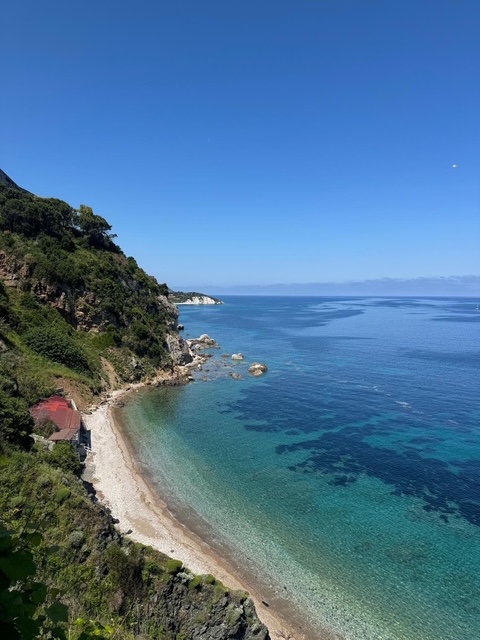
    A stunning beach on Isola d’Elba/Elba Island.

    Isola d’Elba

    This beautiful-sounding name translates to Elba Island in English. It’s located off the coast of the Tuscany region, which is already well-known for wine, Florence, and Pisa. Visitors typically get there by taking a ferry from the town of Piombino (about an hour, depending on where you’re going on the island).

    Isola d’Elba is a great choice if you want a quiet destination with history, says Alessandro N. of Brescia, Italy, who was there earlier this year (he also provided the island photos with this article and the photos of Sardinia). He says the mix of history along with natural landscape made it a laidback destination.

    The town of Portoferraio on Isola d’Elba.

    Here are some other things you can do in Isola d’Elba:

    Follow Napoleon’s footsteps on the island. Napoleon was exiled to Isola d’Elba for 9 months in 1814, but he left a big mark on the island. Visit the Mercy and Napoleon Relics Museum and the Villa Dei Mulini, for instance–the latter of which was his primary residence while spending time there.

    Take a bike ride, buy yourself some bread and fresh fruit, and check out a few of the seaside towns. This lovely-sounding plan is recommended by the website Italy Segreta (Italy Secret), in its article “A Local’s Guide to Elba Island.” You may want to check out their site for a few more tips.

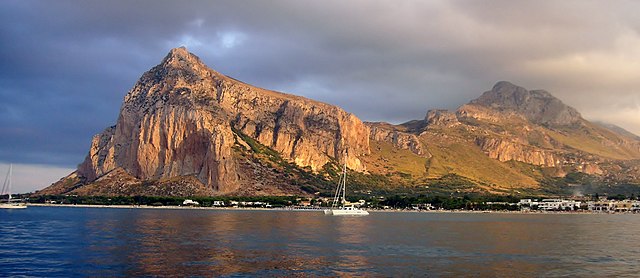
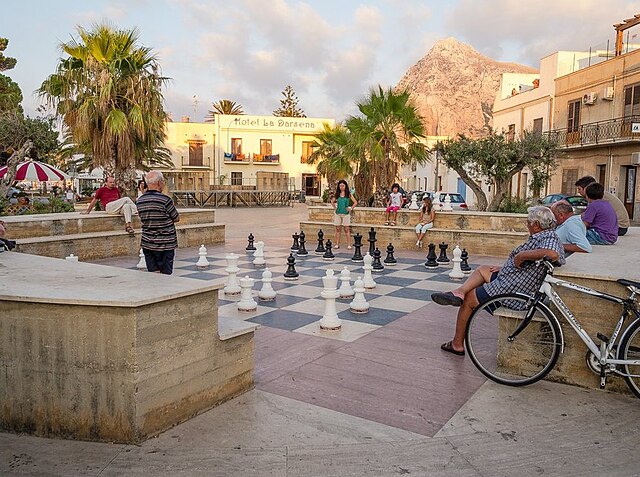
    San Vito Lo Capo in Sicily, Italy (picture used from Wikimedia Commons).

    San Vito Lo Capo

    Sicily has many idyllic beach areas, but one local favorite is San Vito Lo Capo. Located about 2 hours from Palermo, San Vito Lo Capo features stunning beaches and lots of nature. We read that it gets busy in the summer, so we’re not billing it as a complete escape from tourism (including in August, when many Italians take off for a few weeks). However, a little bit of crowding may be worth the visit.

    A chess match in San Vito Lo Capo, Sicily (picture taken from Wikimedia Commons).

    Here are just some of the things you can do in San Vito Lo Capo in Sicily:

    Take part in all types of water activities, like boating, snorkeling, or, of course, just lounging on the beach.

    Indulge in typical Sicilian dishes. One cool thing about Sicily is that it blends together different cultural influences from around the world. This is especially clear in its food, where you can enjoy dishes like couscous, tuna, and caldo freddo (a type of Sicilian ice cream) during your visit.

    Visit the San Vito Sanctuary, a monument and symbol of the town The site WeArePalermo provides more background about the sanctuary’s history–and a well-written, amusing guide to San Vito Lo Capo.

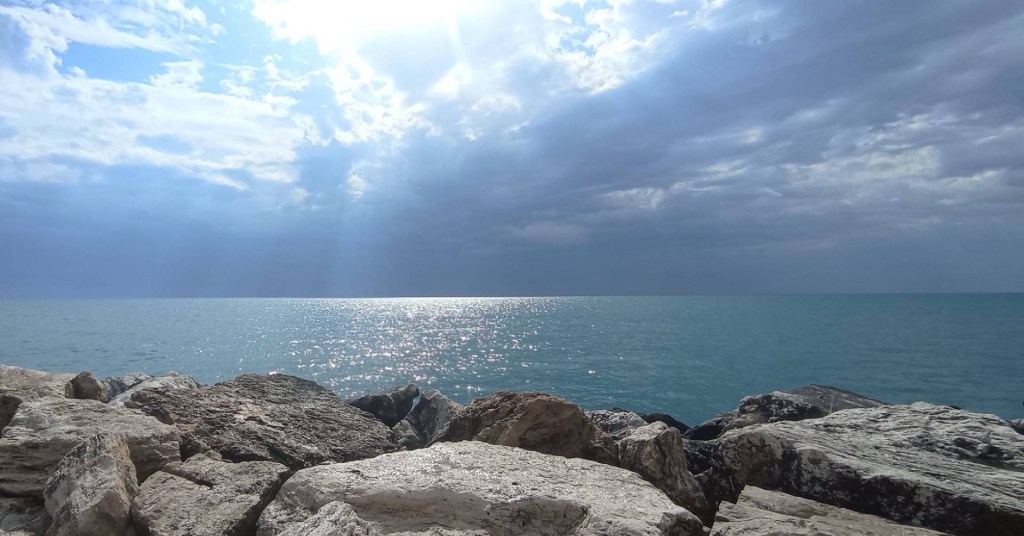
    Seaside views at San Benedetto del Tronto, Italy.

    San Benedetto del Tronto

    If you want a mix of seaside views, seaside cuisine, and an artsy feel, your next destination should be the underrated San Benedetto del Tronto, located in the Italian region of Marche on the country’s eastern coast.

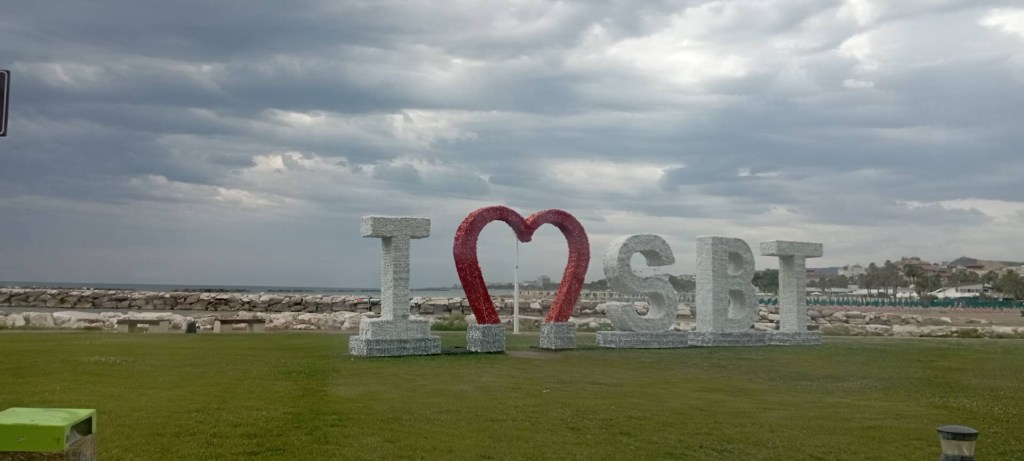
    Find this and other sculptures and artwork in San Benedetto del Tronto, Italy.

    Here are a few things to do when you’re in SBT:

    Visit the Museum of Art on the Sea (Museo del Mare), an open-air museum on the pier with sculptures and paintings. Take pics, and talk with your travel partners about which artworks are your faves.

    Explore the boardwalk by foot or bike. It’s nearly 6 kilometers (nearly 3.7 miles), so you’ll have plenty to see and do.

    Enjoy a meal! San Benedetto del Tronto has some great seafood, according to Verena, a resident of Val Badia, Italy. She was in SBT recently and recommends the Brodetto alla sambenedettese, a type of fish stew that’s typical of the region. (Verena also provided the photos we’re sharing of San Benedetto del Tronto).

    For any of these places, do your homework in advance. These towns and regions may not be bombarded with tourists like the big cities, but they can still get busy, especially in the summer. Check online for best times to visit and any other tips.

    Buon viaggio!
  • 8 Tips to Be a Respectful Tourist in Italy and the Rest of Europe

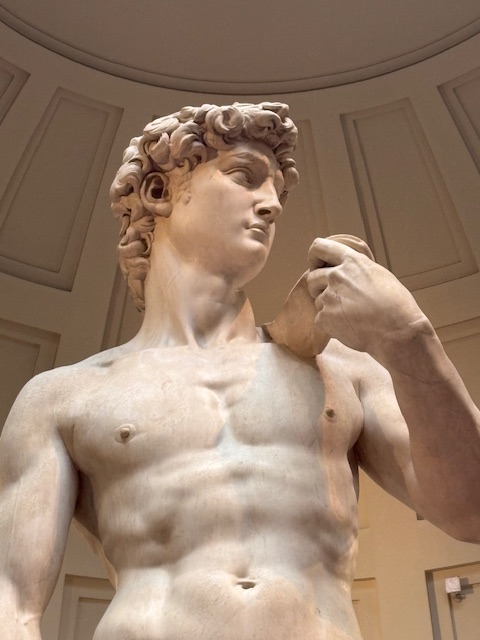
    Michelangelo’s David at the Accademia Gallery in Florence is one of the most popular art sights in Italy. It also may be where you see visitors become disrespectful tourists. Our article shares how you can be respecful when visiting Italy.

    It hit us when we were at the Accademia Gallery in Florence, viewing the famous 500-year-old David sculpture by Michelangelo.

    There was a throng of people around the sculpture, and several of them were taking selfies. Now, all of us (or most of us) do selfies from time to time. Yet there was a casualness to their attitude, as if they were taking a picture of themselves outside their hometown donut shop before continuing on with their day. They would take their selfie and be on their way to the next priceless art piece in the museum, with little thought or care to the history or detail of this famous piece of art.

    It’s partly that attitude–a seeming lack of respect–that’s led several cities in Italy and around Europe to revolt against overtourism in recent years. In June 2025, locals in Italy, Portugal, and Spain targeted tourists with water guns to bring attention to their large numbers. Protesters in Venice spoke out against overtourism and the lavish wedding of Amazon founder Jeff Bezos. Tourists bombarded the small town of Sirmione along Lake Garda in north Italy in May 2025, with videos of that overtourism going viral.

    A whopping 70% of tourists to Italy visit only 1% of the country–namely, Rome, Florence, and Venice.

    With that background in mind, let’s break down what you can do to be a more respectful tourist in Italy. The locals will say grazie!

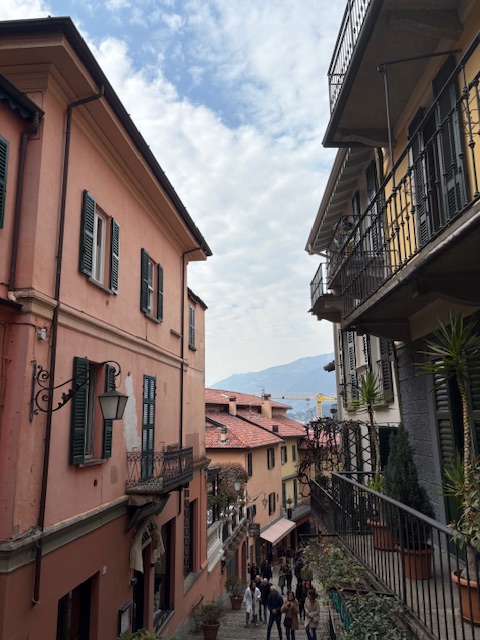
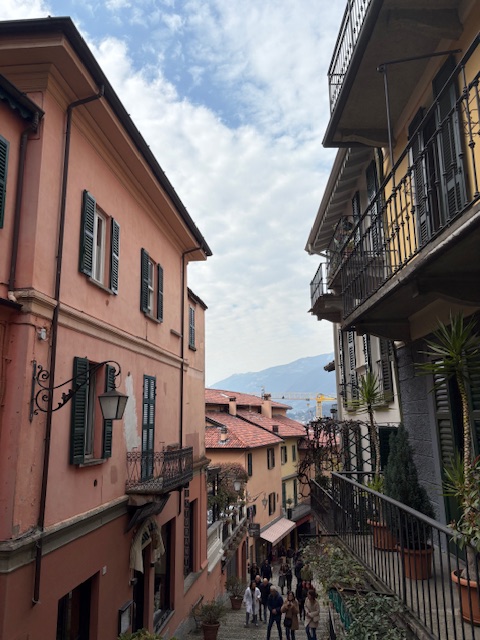
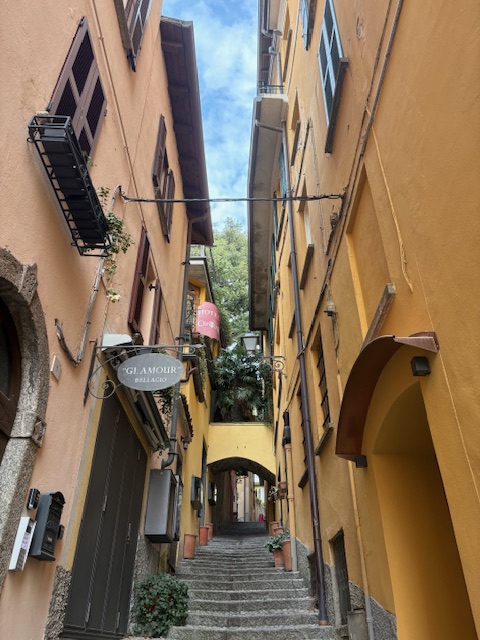
    Tourists make their way through the hilly streets of Bellagio on Lake Como, in north Italy.

    8 Tips to Be a More Respectful Tourist in Italy and Europe

    1. Learn a little Italian. Italians are tickled when you try to speak a little Italian, even it’s as simple as buongiorno, ciao, or grazie. (Pasta seems to be part of the universal language, hahaha.) Even if they speak English back to you, which definitely might happen, speaking a few words of Italian shows that you are making an effort to be respectful of the country’s culture.
    2. Think historically. Italy is not Disney World or Epcot. The history in Italy, just like in many parts of Europe, is very real and delicate. As you walk on the cobblestone streets (hopefully in comfortable shoes) or tour through old buildings or churches, aim to preserve that history by keeping your hands to yourself, throwing away garbage in garbage cans, and following any other rules shared by signs or tour guides.
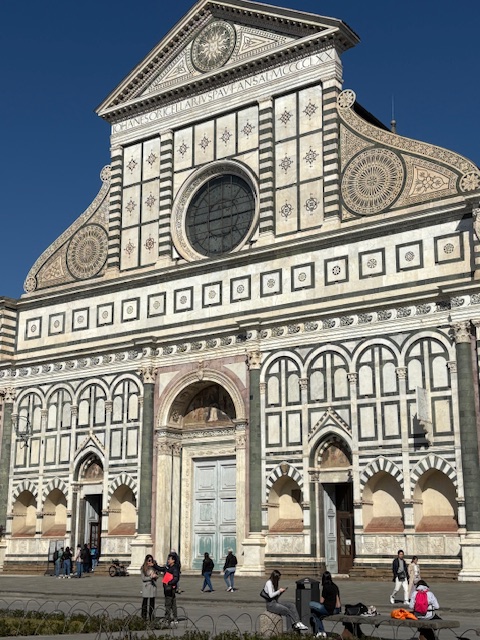
    Small groups of tourists seen outside Santa Maria Novella Church in Florence.

    3. Watch what you wear. Many churches in Italy will want your shoulders and knees to be covered upon entering. Plus, some will enforce no sandals. Tour leader Renata De Masi of Tuscany observes that many young people don’t dress appropriately when touring around Italy’s more delicate sites. Solutions: Even in Italy’s hot summer, always have a sweater with you to cover up when needed. Wear closed-toed shoes, or at least have a pair with you for days that you’re visiting churches.

    4. DON’T take a selfie. “Italy has an immense artistic heritage,” De Masi says. “There are several occasions when taking a selfie has cost the integrity of artworks and museum displays.” This doesn’t mean you can’t ever take a selfie in Italy. Just be mindful in historical areas of any rules that limit selfies and/or flash photography.

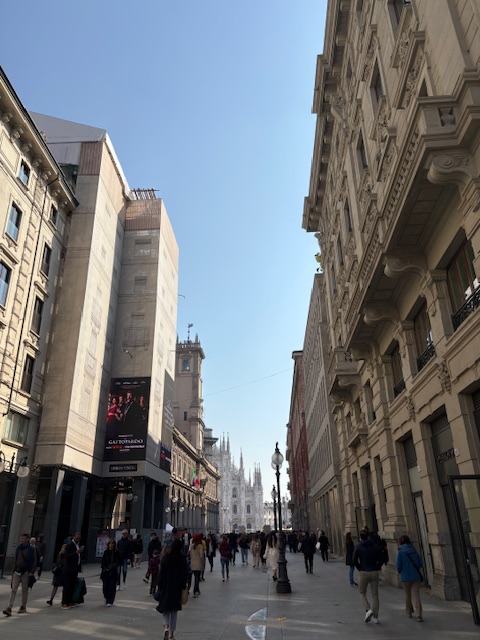
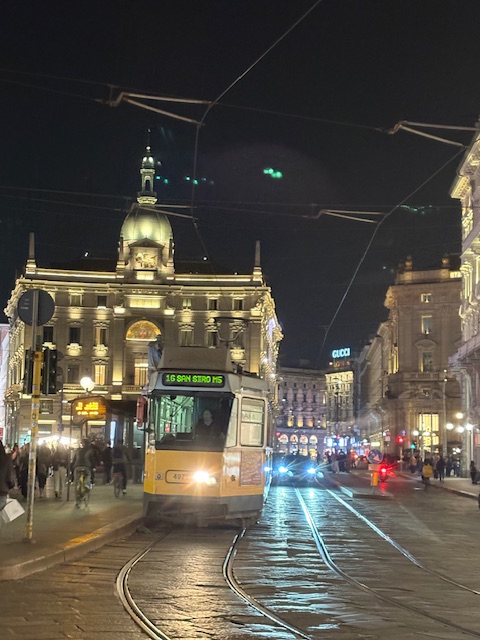
    A busy street in Milan.

    5. Stay out of the way of locals. If you’re from a big city, have you ever had your commute hampered by tourists? Maybe you’re driving through your city and there are tourists in the middle of the road trying to capture that perfect view. Or, they’re standing in the middle of the sidewalk to figure out where the ice cream shop is while you’re scurrying to work? We’ve all been there, and it’s the same in Europe’s big cities. Take up your tourist space when needed, but be super mindful of locals who are living their lives and don’t have the same leisure time that you do while traveling through their country.

    6. Go beyond the big cities. We can’t emphasize this tip enough. As we’ve learned more about Italy’s 20 regions, we’ve seen the allure that each area holds. And yet–we hear again and again about Rome, Florence, Venice, and Milan. Don’t get us wrong, those are all wonderful places to visit. Yet we also know Italian people visiting out-of-the-way locations in their country and encountering few to zero tourists while there. Have you thought about spending time in the region of Umbria? Or Sardinia? Le Marche? Abruzzo? They all have wonderful things to see. Our next article will cover several places where Italians like to visit in their own country–and they will be less tourist-focused then the other well-known destinations. Make sure to subscribeto our blog to check out that article, so you can plan your next less hectic trip to Italia.

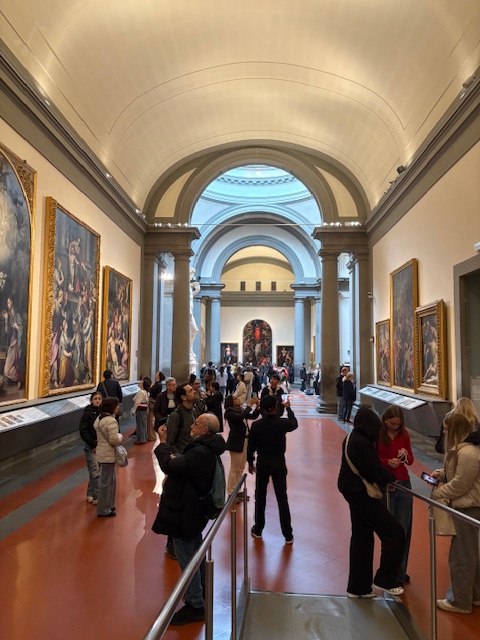
    Tourists inside the Accademia Gallery in Florence. Note that these were crowds in early March–not the summer, when tourism is especially crowded.

    7. Watch your manners–and your volume. We often hear that Europeans are more polite than Americans. Whether or not that’s always true, we can tell you that using please/per favore, thank you/grazie, and good morning/buongiorno can go a long way toward creating goodwill. While you’re at it, watch your volume when you’re speaking in public. Speaking at a softer volume will help you blend in better.

    8. Read up on local transportation rules. This may be a way that we tourists aren’t intentionally disrespectful, just uninformed. Yet knowing some local transportation rules can help make your time in Italy more efficient and easier. Here are a few tips shared by De Masi:

    a. Avoid a fine on public transportation by validating your paper ticket. This is something that many tourists don’t know so they don’t do it. Here’s a quick video to show you how to validate your train ticket.

    b. Consider using contactless payment methods for public transportation when available.

    c. If you plan to drive in Italy, make sure to get an International Driving Permit in advance of your trip. It’s required. Ifdriving, do some research on local traffic signs as they won’t always translate easily in English. For instance, “ZTL” indicates areas with limited traffic and usually are in city centers. This may limit these areas to only authorities or delivery drivers. Cities will track cars entering these areas by using camera technology and issue heavy fines to offenders.

    d. Know that tourist buses may not be allowed to park near historic destinations. If you’re on a tourist bus, you may need to walk 10 or 15 minutes to where you’re going. Wear good shoes, have water, and be ready to walk!

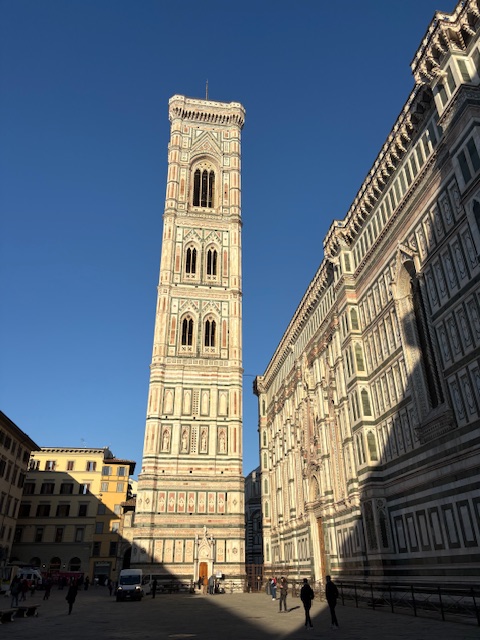
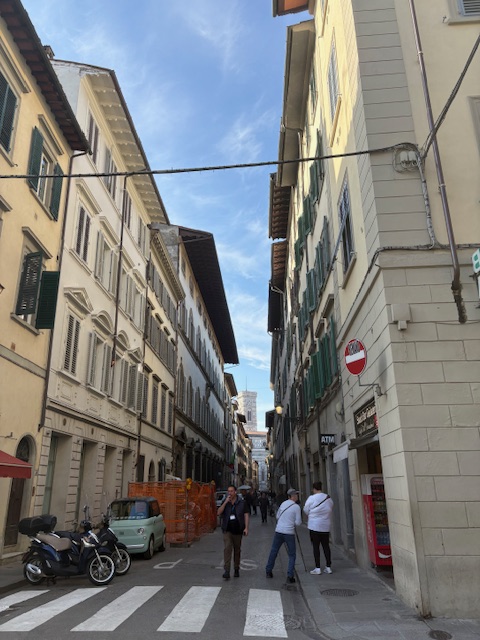
    The view along a Florence street.

      Want more info on how to be a respectful tourist in Italy? There are several videos on YouTube that you may find helpful. When in doubt, ask your local hotel representatives or tour guides for help. Buon viaggio!
    1. Target Travel Wows the World With Italian Custom Tours

      Stunning Matera in the Italian region of Basilicata. Matera is a UNESCO World Heritage Site and famous for caves and ancient history. All pictures with this story are shared by Target Travel.

      How would you like to see the historical sights of Rome, Italy, at sunrise—where you can beat the crowds and capture some amazing pictures?

      Or, what about a food-focused tour of Italy where you literally follow a food from where it’s grown or produced to where it’s ultimately enjoyed on someone’s table?

      Or, take a local market tour and cooking class with an Italian chef?

      Those types of unique ideas and many more are what Target Travel offers.

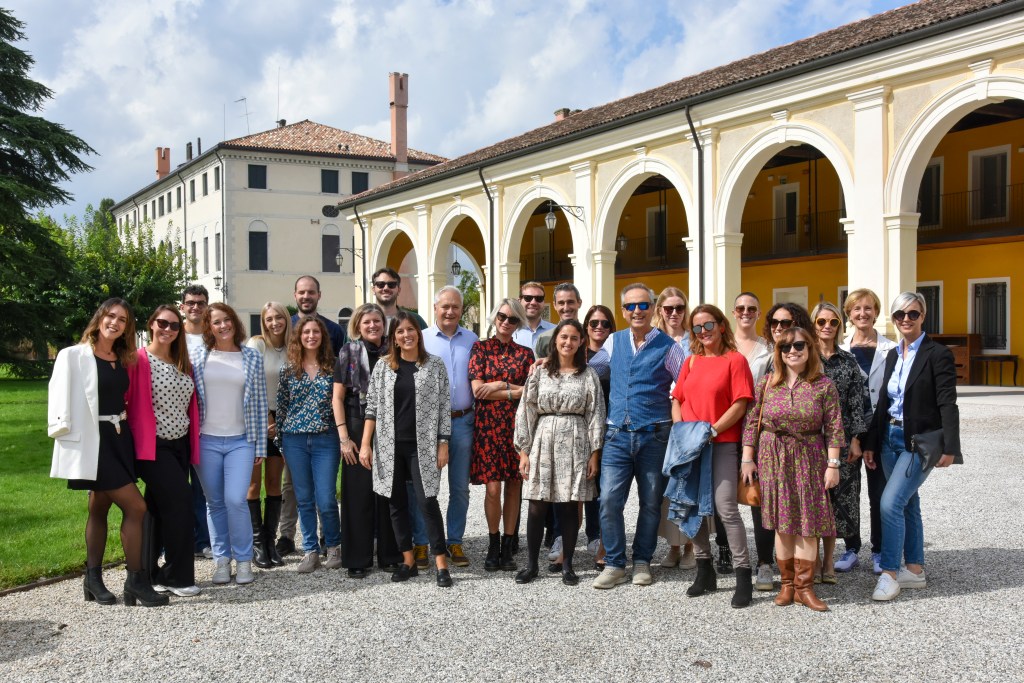
      The team at Target Travel.

      Target Travel is a family-run, Venice-based DMC (Destination Management Company) that’s been tailoring tours and experiences since 1985, founded by CEO Daniele Panzarin.

      What sets Target Travel apart from many other DMCs is the feeling of being at home when working with them. You can truly sense the pride they take in helping people discover the most authentic and unique side of Italy.

      With a team of 26 professionals, the company proudly retains the spirit of a boutique destination management company—with deep experience and a warm, family-like atmosphere, where strong interpersonal relationships are always the foundation of everything they do.

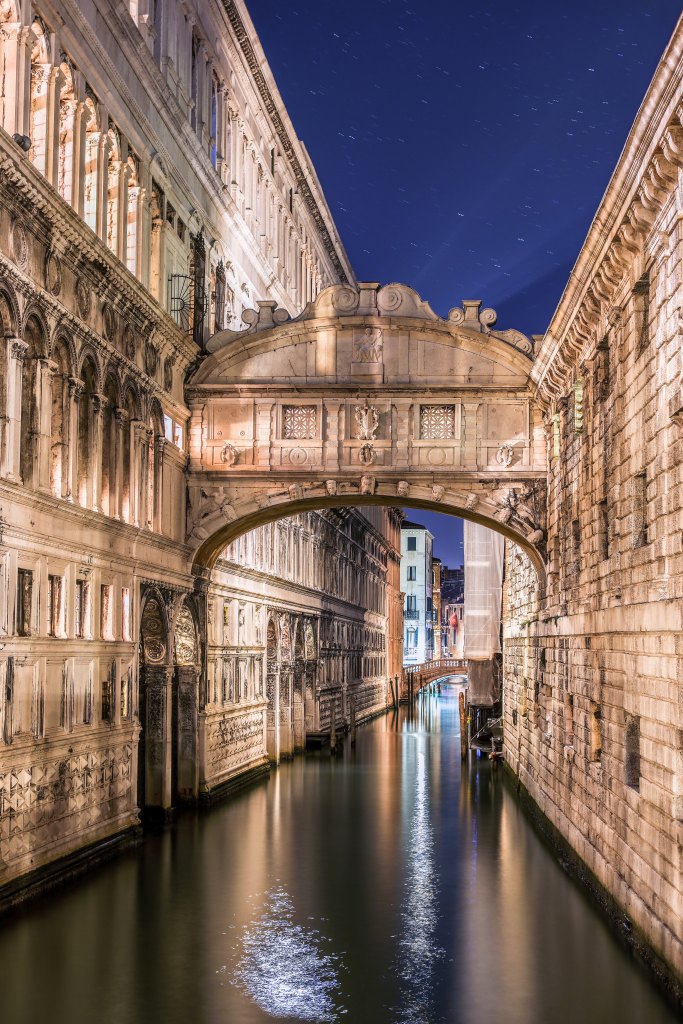
      The Bridge of Sighs, Venice Italy.

      2025 is a special year because Target Travel is celebrating its 40th anniversary—a significant milestone that adds even more prestige to the company.

      Target Travel focuses on bespoke tours (tailored tours for couples or families, for instance) and custom small groups (12 to 15 people) looking for unique tourism experiences around Italy. The type of traveler interested in Target Travel tours is usually a U.S.-based premium or luxury traveler wanting to visit Italy. In all situations, the experience is tailor-made for the visitors.

      Taormina, Sicily, Italy.

      What Makes Target Travel Different

      If you’ve visited Italy already, then you’re acutely aware of the large crowds in the country’s popular tourist destinations, such as Florence, Rome, and Venice. These crowds are present even outside of the summer, when tourism reaches its peak in Europe.

      While you may still visit these larger cities on a tour with Target Travel, you’ll have the chance to see lesser known parts of these popular destinations. This could include a private viewing of paintings, a cooking class and a visit to a local market with a chef, or a tour to historic sights at sunrise before the crowds gather.

      Of course, Target Travel also can take you to smaller cities and towns for unique experiences and fewer crowds.

      Alberobello in the Puglia region of Italy. The town of Alberobello is famous for its white buildings.

      “There are so many wonderful regions in Italy and nowadays, everybody says, ‘I want to go off the beaten path. I want to eat and travel like a local,’” says Lisa Zennaro, sales manager at Target Travel. “It’s fancy and trendy right now. But this is something that Target Travel has been doing since the beginning, when the company was founded.”

      That long history also gives reassurance to travelers that Target Travel has the right expertise under its belt, both for its Italy knowledge but also for its administrative acumen. They’ll handle the small details so you as a traveler don’t need to worry about them.

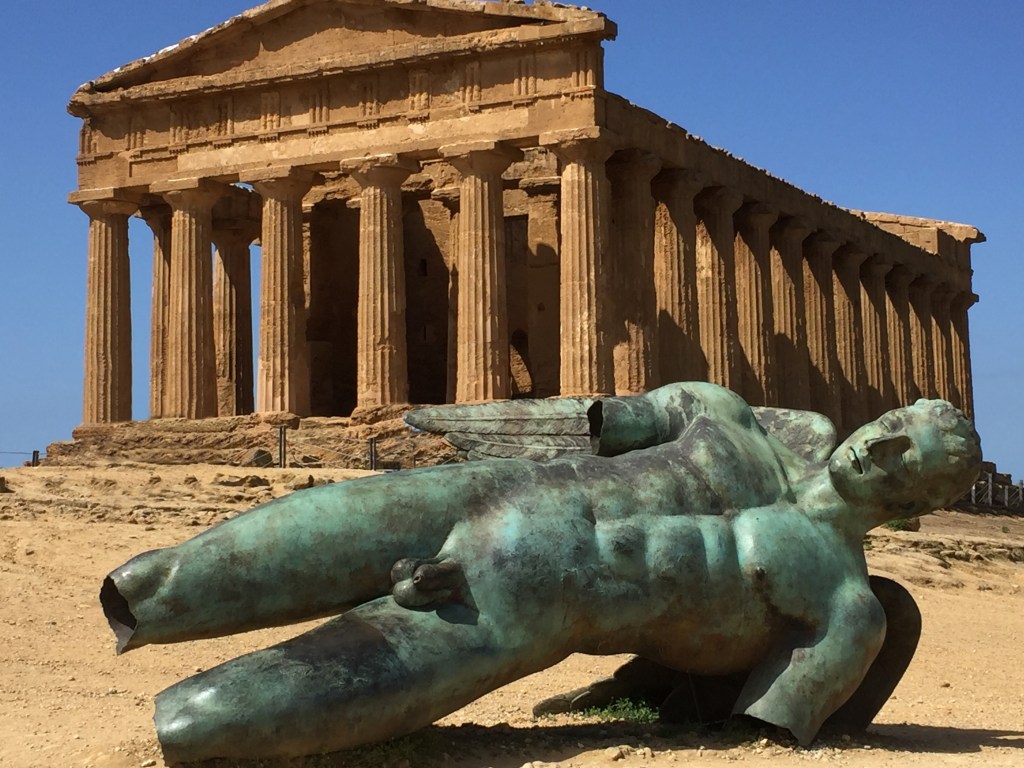
      Valley of the Temples in Agrigento, Sicily, Italy.

      Where Will You Travel in Italy With Target Travel?

      Although Target Travel can tailor experiences and itineraries for free independent travelers (like couples and families) and small groups, it also has typical tours that it offers to popular destinations. Here’s a sampling of what Target offers from around Italy:

      • Italy’s Vibrant South tour covers Sicily and the region of Calabria in 13 days. You’ll fly into Palermo in Sicily and then make your way all around the country’s well-known island, including Marsala (famous for its wine), the Valley of the Temples, the luxe town of Taormina, and Calabrian coastal towns.
      • The Reign of Art and Gastronomy in Milan and Turin guides you in nine days to Milan’s famous Fashion District, the Turin Cathedral with the Chapel of the Holy Shroud, and the Truffle Fair, among other highlights.
      • The Experiential Women’s Journey traverses north Italy and Florence over 13 days. You’ll try wines in the Chianti region of Tuscany and take a bike tour from Siena to Montalcino, explore the highlights of Florence, learn all about cheese-making at the Museum of Parmigiano Reggiano (trying some delicious cheese), and see close up how Venetian masks are made in Venice!
      • Discovering Puglia takes a nine-day tour around south Italy’s beautiful Puglia region, starting in the Baroque city of Lecce (often called the Florence of the south), the fishing village of Gallipoli, Ostuni (famous for its white houses), Matera (one of the world’s oldest cities), and much more before flying out of Rome.
      • Umbria You Didn’t Expect offers a five-day tour around central Italy’s Umbria region, including the olive groves of Panicale, the medieval gates and buildings (and chocolate!) of Perugia, the 15th century paintings in Foligno, and a tour of one of Umbria’s finest farmhouses, specializing in cattle.
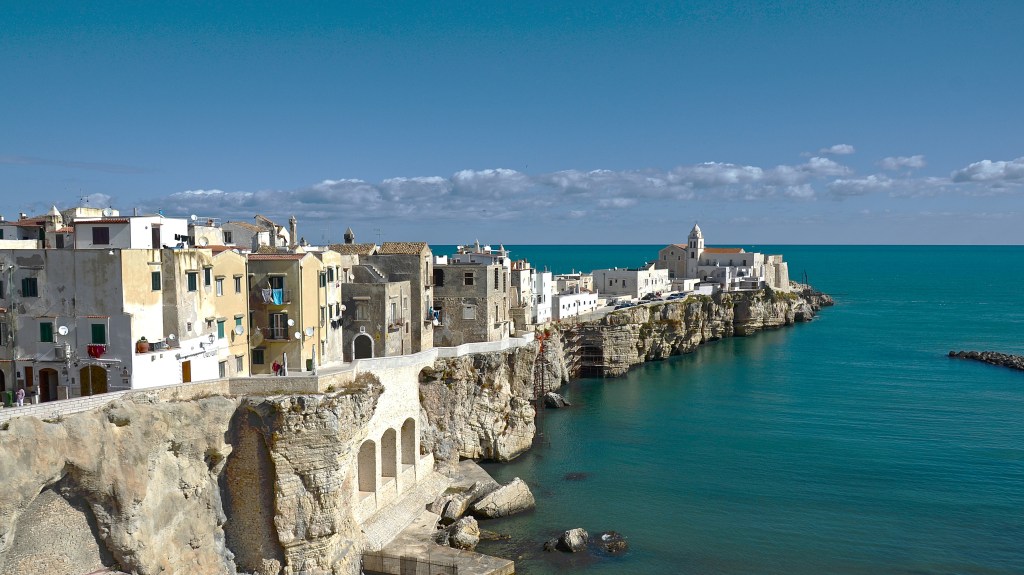
      Vieste, Puglia, in south Italy. All pictures provided by Target Travel.

      Of course, you can use these itineraries for inspiration and work with your travel agent to tailor your wonderful trips to Italy.

      Target Travel works with travel agencies and independent travel advisors. Those in the travel industry who want to work with the company can find them online at Target.Travel.

      Buon viaggio!
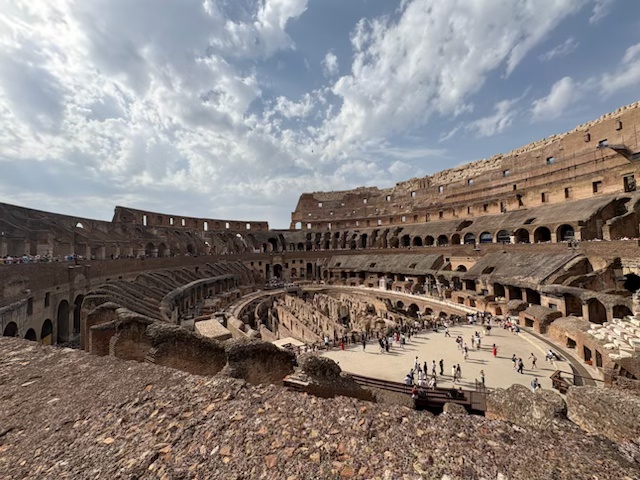
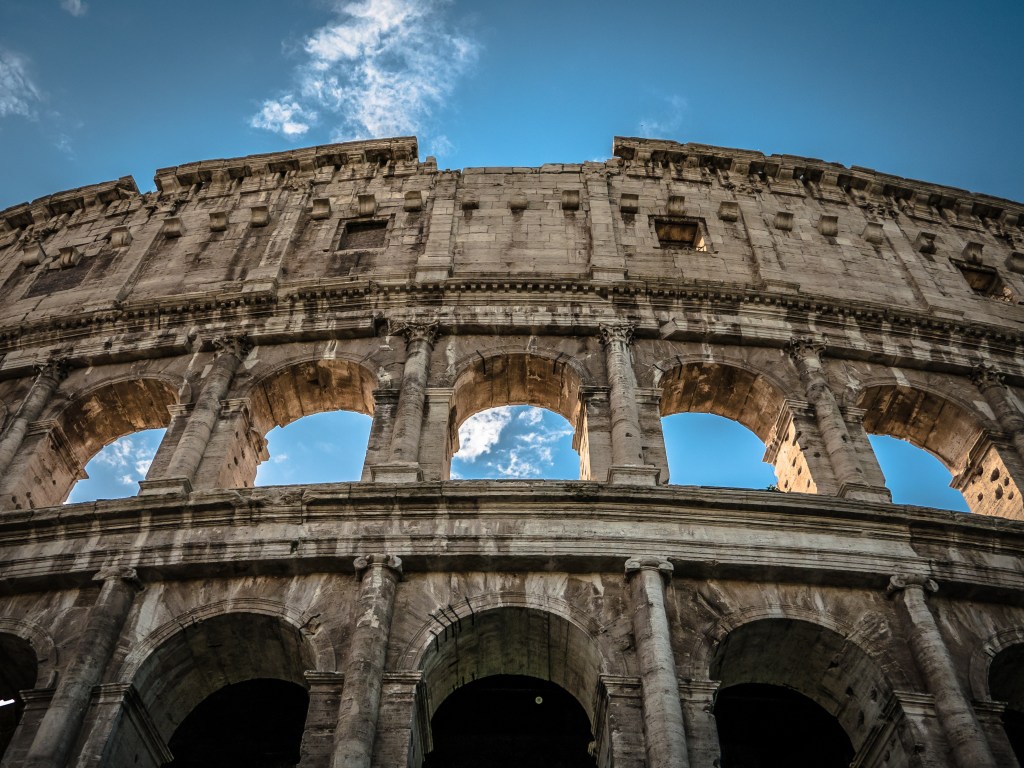
      The Colosseum in Rome, Italy.

    2. Here’s Your Day Trip Plan From Milan to Lake Como, Italy

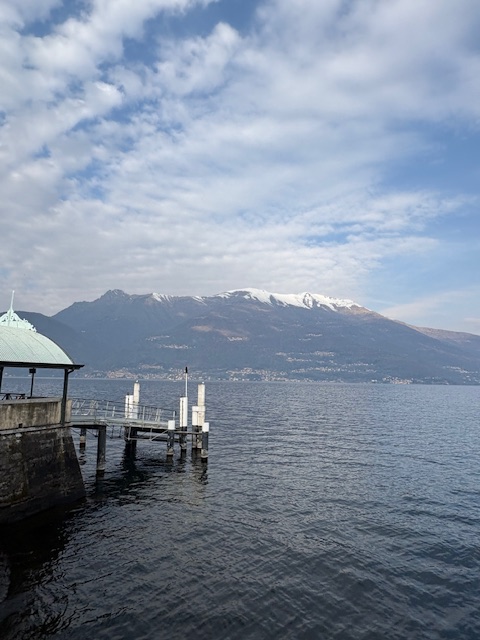
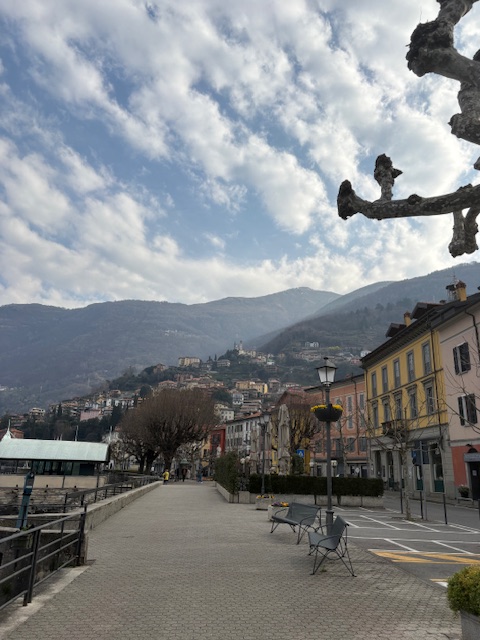
      Bellano, Italy, on Lake Como on a Sunday morning, before the crowds came in.

      If you’re visiting Milan, Italy, and want to take a day trip to Lake Como–home to George and Amal Clooney and gorgeous lake views–we’ve got good news for you. Many of the lake towns are just over an hour away by train.

      Surprisingly, the cosmopolitan feel of Milan quickly fades away via train as you reach mountain views. You even start imagining yourself just hopping over the border to Switzerland for some Toblerone chocolate. In fact, the train ride from Lake Como to Lugano, Switzerland, is just 40 minutes.

      Yet for the purposes of our journey, we’re going to stay in Italy and tell you how you can reach three towns surrounding Lake Como for an enjoyable day trip. This is a trip we at Italy Dreams did in early 2025. For context, I’m a female solo traveler but I find it easier to use “we” when writing.

      Cool buildings in Bellagio on Lake Como in Italy.

      Here’s our first set of tips to help you plan:

      Pick two to three cities around Como that you want to visit for the day. Our itinerary takes you through Bellano, Bellagio, and Varenna in that order, but there are many other towns you can visit, including the town of Como. Bellano seemed to be a good starting point. There are countless online articles online and guidebooks (we always find Rick Steves‘ information helpful) to help you choose destinations.

      Buy your train ticket online in advance on a site like Italia Rail. If you’re looking to visit more than one town in a day, it’s helpful to plan in advance what time you want to leave Milan and reach your first lake destination. You’ll also want to keep in mind the time it’ll take you to get from where you’re staying to the train station. There are a handful of different train stations in Milan that will take you to Lake Como, so make sure you show up at the right station.

      Pay attention to the train station signage. It will tell you what time the train is leaving and what platform to use. Note: Many Italian trains require you to validate your ticket while at the station, but we didn’t have to do this with our ticket for some reason. If in doubt, ask at the train station before you board the train.

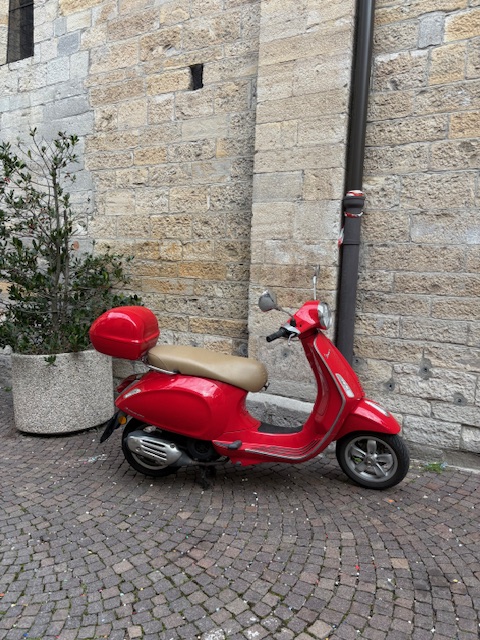
      A Vespa spotted in Bellano, Italy.

      Things to Do in Bello Bellano

      We arrived in bello Bellano (population: 3,400) on a quiet, cool Sunday morning around 9 a.m. Not quite sure where to go, we followed a few other people getting off the train who appeared to be walking toward the lake. There was a small farmers market with a mix of food products and crafts, and it was the perfect place to take those photos and videos that make you say, “Look, I’m at Lake Como!” You could see how busy the area might get in the summer.

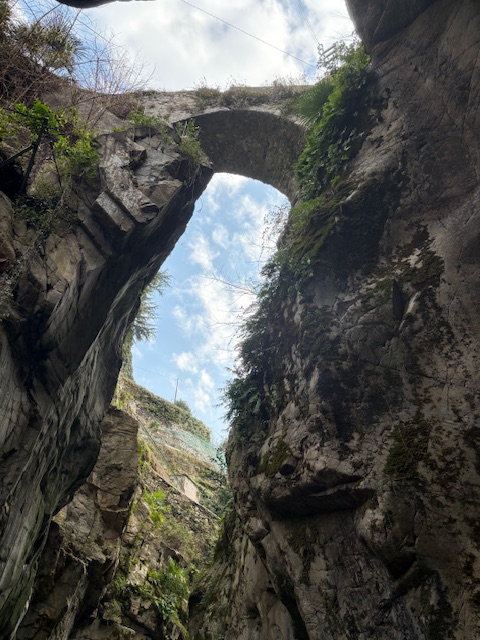
      This view of Orrido di Bellano reminded us of Natural Bridge State Park in Virginia.

      As it was still a little early for shops to be open, we headed toward a gorge called Orrido di Bellano. If you’ve ever been to Natural Bridge State Park in Virginia, it’ll remind you of that. It’s a natural gorge created a whopping 15 million years ago that’s led to the formation of gorges, ravines, and caves. It’s not something you’re expecting to see on your Lake Como visit but it’s definitely a beautiful sight.

      Some tips to visit Orrido di Bellano:

      Wear good walking shoes. It’s very hilly and you’ll find yourself going over some pedestrian bridges.

      Take lots of pictures but hold on to your camera or phone tightly. You don’t want it to fall in the gorge!
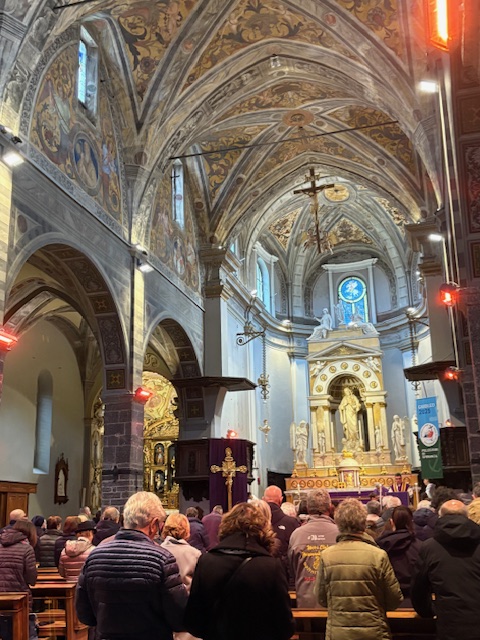
      Churchgoers on Sunday morning in Bellano, Italy.

      It took us 30 to 45 minutes to make our way through Orrido di Bellano, after which we stumbled upon a church with a Sunday service. We entered quietly (or so we hope!) to listen to some of the service in Italian. It was interesting to see people dressed in winter casual clothing, many still wearing their jackets. There were other tourists like us there toward the back.

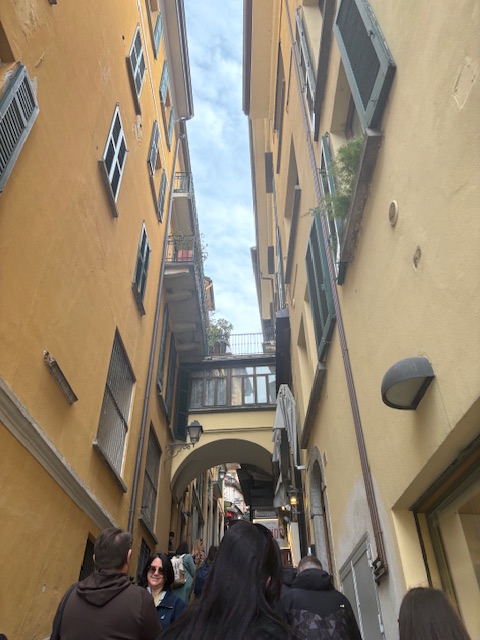
      We tried our best in Bellagio to get pics without too many tourists.

      Taking the Ferry to Bello Bellagio

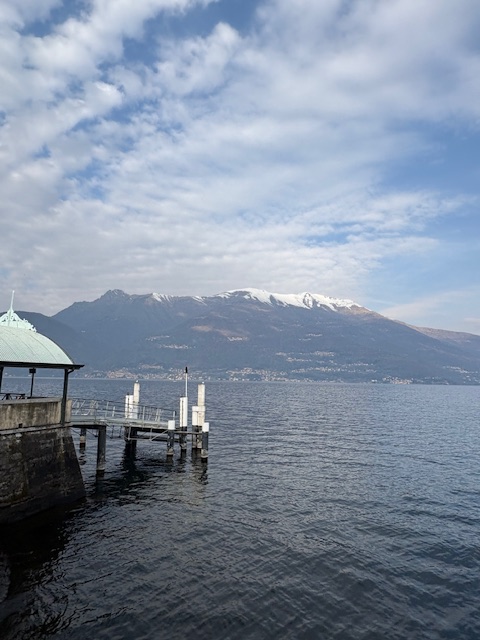
      If you look at Lake Como on a map (it looks like a thin person with long legs running), then you can imagine why taking a ferry is an easier way to get to some destinations compared with driving or even a train. With Bellagio across the water from Bellano, it made sense to hop on the popular ferry, which would be about a 30 minute ride.

      Depending on where you’re visiting around Lake Como, you may also find yourself hopping on the train again but just for a few minutes’ ride to your next destination. Again, do your research on a short train ride versus the ferry and which works best.

      If you can, buy your ferry ticket in advance because otherwise you may find yourself waiting in a potentially long line–and you might even miss the ferry that you want to take. For reasons we can’t recall, we couldn’t buy our ticket online that day and waited in a line.

      At this point in our trip–it was about 11 am–we could feel the crowds. Don’t get us wrong, it was still a beautiful view along the ferry ride, breathing in fresh air and taking pictures (again, hold on tight to your phone!). Yet as the crowd descended on historical, tiny Bellagio, it began to feel like too many people. Overtourism is a real thing in many European destinations, so try to visit at the beginning or end of the day when there are fewer people.

      Lunch in Bellagio was molto buono–and very cheesy!

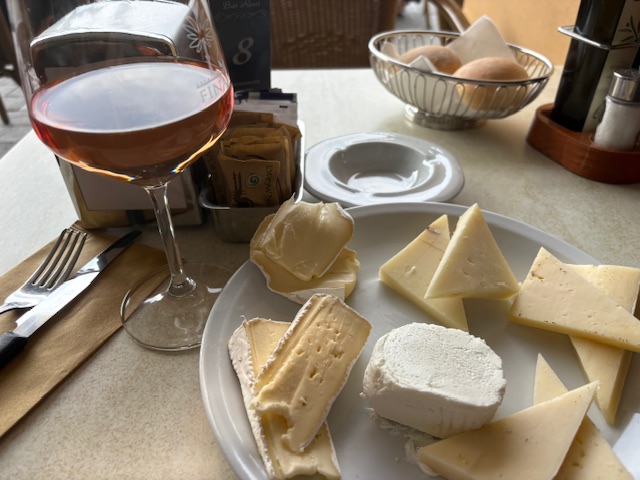
      Even with the crowds, there was still the charm of Bellagio’s shops, architecture, and scenic vistas. It would have been amazing to spend the night there and see the town first thing in the morning (#futuregoals). We ate lunch at the waterfront restaurant Bar Pasticcheria Rossi–charcuterie board and a rose vino, perfect for Sunday afternoon. After that, it was a stroll by the water and waiting again for the ferry.

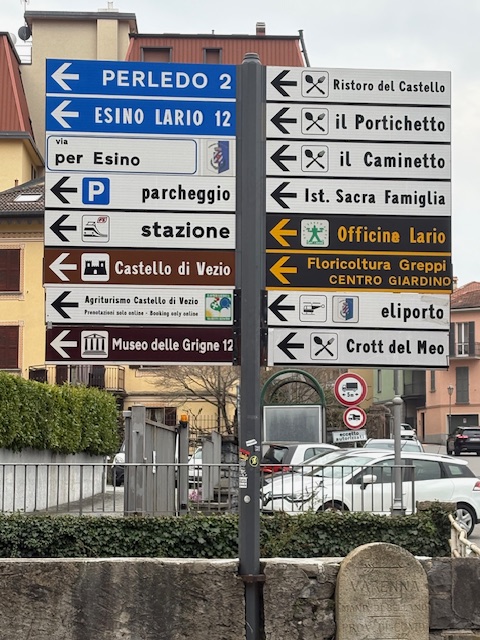
      Oh, the places you can go in Lake Como. Note that “Stazione” on the sign means train station.

      Vrooming to Varenna

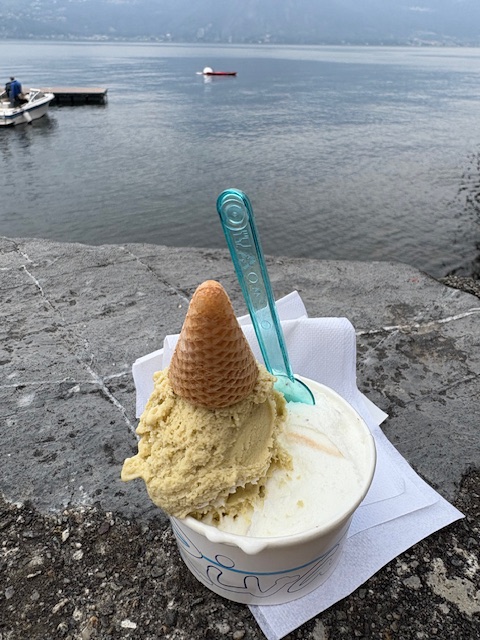
      The next destination was Varenna, a few minutes away and another popular small town. When you get off the ferry, you’ll likely make your way to the right and walk a few minutes to the congregation of shops right on the water. Again, we could feel the crowds and found the best way to cope was enjoying some gelato by the water from Riva Gelateria…because what would a visit to Lake Como be without gelato?!

      If we were in the mood to check out Every.Shop.in.Town, we could have broadened the time we spent in Bellagio and Varenna–but this was the day before we’d return to the U.S. and we had pretty much gotten the souvenirs we wanted. So, well-fed, we made our way to the train station around 4 p.m. to take a 5 p.m. train back to Milano’s Centrale Train Station.

      Don’t turn down the chance to have gelato when you’re in Italy–this one was enjoyed in Varenna.

      We weren’t the only ones with that idea. As it got closer to 5 p.m., there were many people waiting. The train itself was standing room only (and we were one of the standing ones, as other people had clearly boarded in other Como towns). There’s probably no good way to get around the packed train. If you’re going to pack a lot into your day trip, just know in advance that others will have the same idea. Still, getting to the Como area as early as you can is never a bad move.

      We definitely would do another day trip to Como if we weren’t able to spend the night there. We would likely venture to try other towns around the lake, like the actual town of Como. A trip back to Orrido di Bellano would always be welcome!