Tag: North Italy

  • Here’s What It’s Like to Bike From North Italy to Munich, Germany, in 5 Days

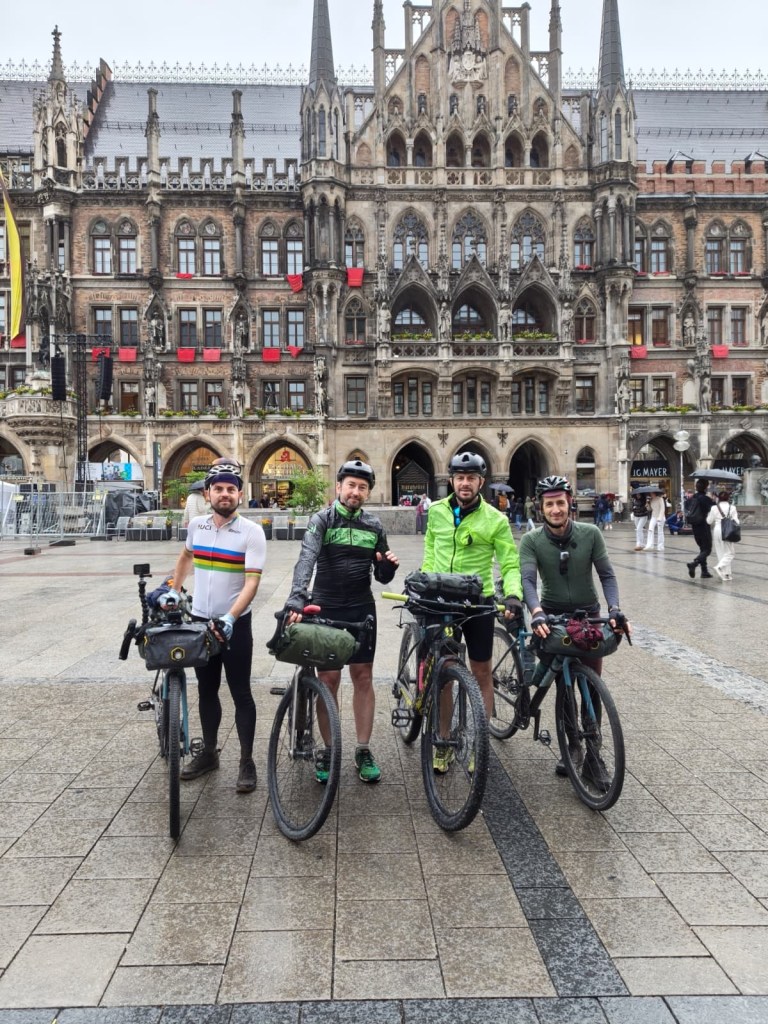
    Ernesto G, Fabio B, Giorgio M, and Fabio D in Munich, Germany after their 565-kilometer bike ride from north Italy.

    There’s something about long-distance biking that makes you feel like a superhero.

    Yet there’s also the comical thrill you feel when you tell family and friends about your long-distance bike plans and they respond with, “Are you crazy??!!”

    So says Ernesto G., of Brescia, in northern Italy. Last year, Ernesto shared with Italy Dreams the story of his bike trip from northern to southern Italy, along with his adventure buddy Fabio B.

    This summer, Ernesto and Fabio ventured on a five-day journey from the Brescia area all the way to Munich, Germany–traveling 565 kilometers (351 miles) in 5 days.

    The trip, which they completed with friends Fabio D. and Giorgio M., took them through northeastern Italy, a small part of Switzerland, Austria, and finally Germany–where they treated themselves to liters of beer at the famous Hofbrauhaus in Munich at the end.

    Ernesto shares more details of the journey with Italy Dreams.
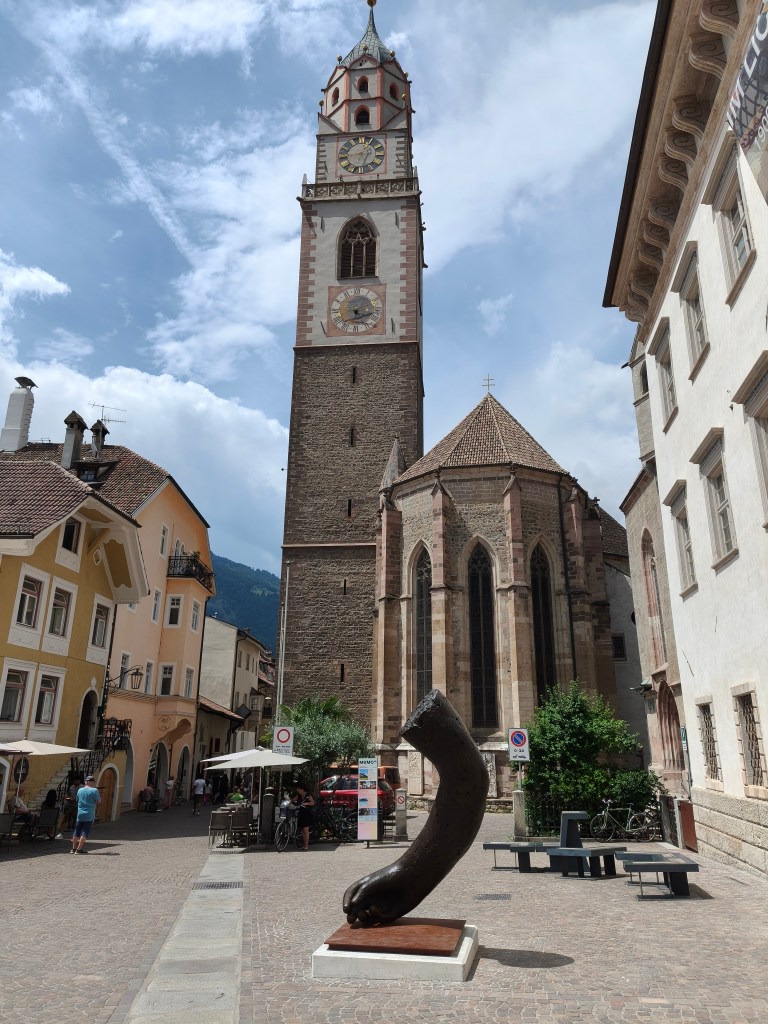
    Merano, Italy.

    The Idea Begins

    Ernesto is no stranger to longer athletic challenges, having swimmed competitively in the past and along with trail running, ski mountaineering, and climbing as well as other long-distance bike trips.

    With memories from the bike trip to southern Italy fresh in his mind, he wondered in December 2025 why there was no bike trip planned for 2026. That led him to consider a long-distancce trip with beautiful scenery including going through the Alps.

    Although he originally planned to go solo, Fabio D., Fabio B., and Giorgio all wanted to be part of the adventure.

    Of course, that meant training had to begin asap as the trip was planned for late May/early June.
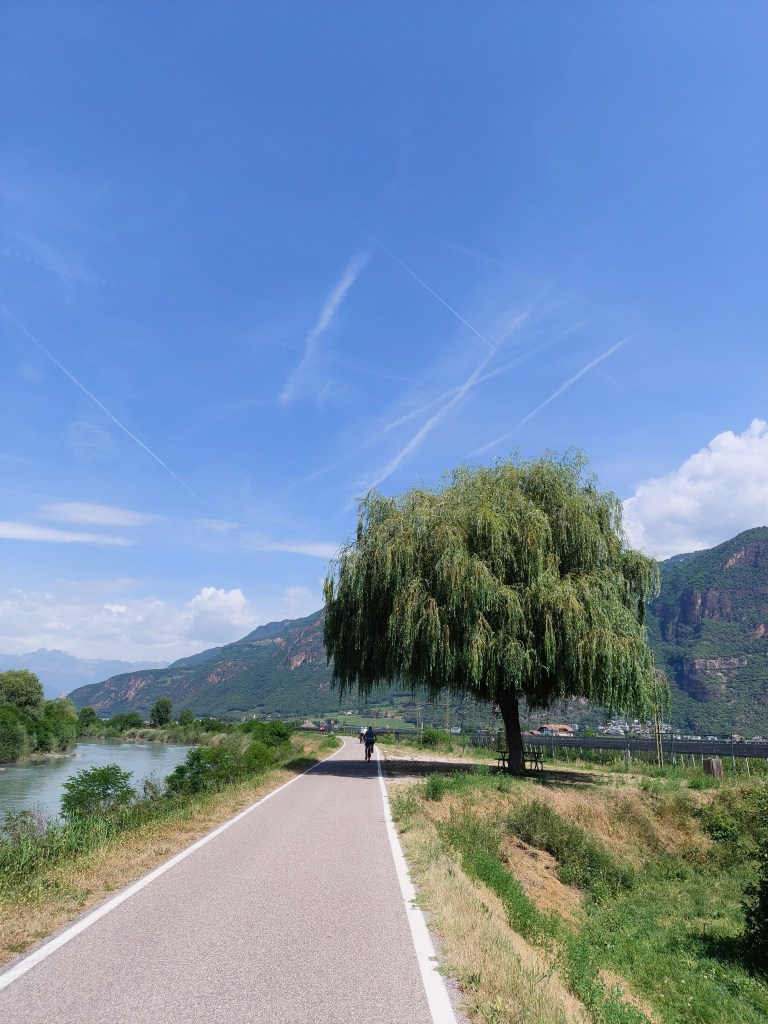
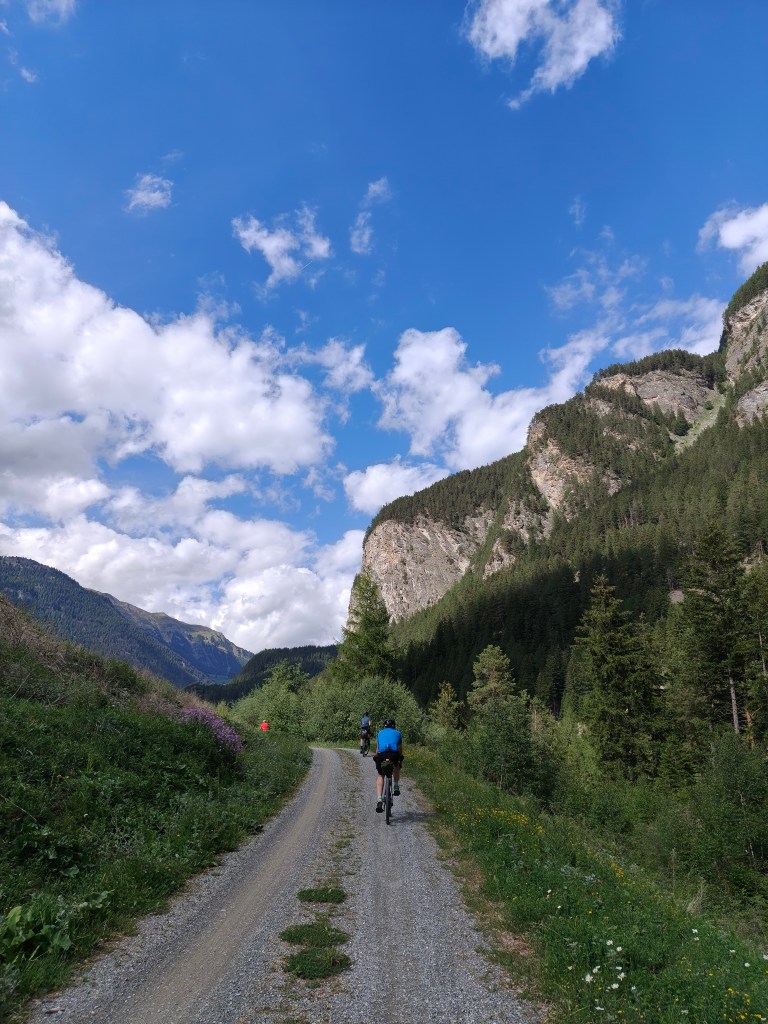
    On the Adige bike path going towards Bolzano.

    Ernesto and friends began to train almost every Saturday as they could, with the workouts getting progressively harder. There also were bike workouts during the week along with Ernesto maintaining his regular swim workout schedule three times a week.

    Just like his previous trips, Ernesto did some serious trip route planning with the help of online tools and apps.

    Before they knew it, it was time for their trip.
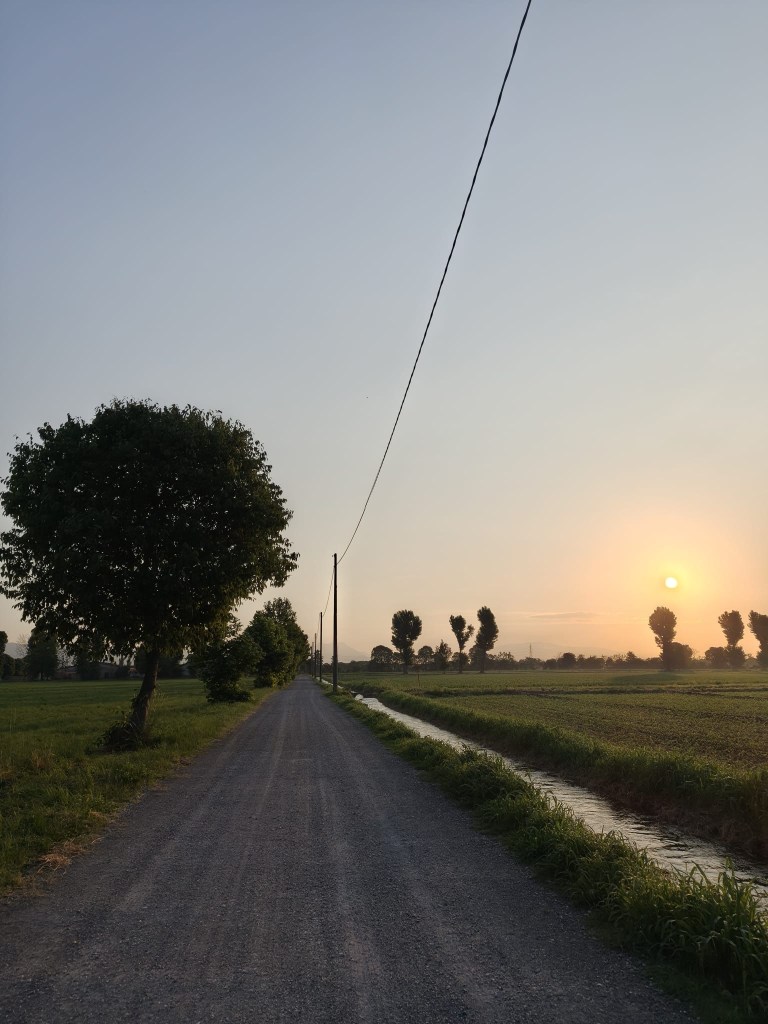
    A bike trail in Italy’s Po Valley.

    The Adventure Begins

    The bikers began most days around 7 am or 8 am, a sharp contrast to the 4:45 am start times to beat the heat while in south Italy last summer.

    Over the five days, they averaged 113 kilometers (70 miles) per day, with their longest day 146 km and their shortest 97 km.

    “We spent between five and seven hours in the saddle, but each stage took about eight to nine hours total, including breaks,” he says.

    There was one important break time each day: “We always stopped for lunch at a restaurant,” he says. That also gave the crew time to soak up the local culture and scenery.
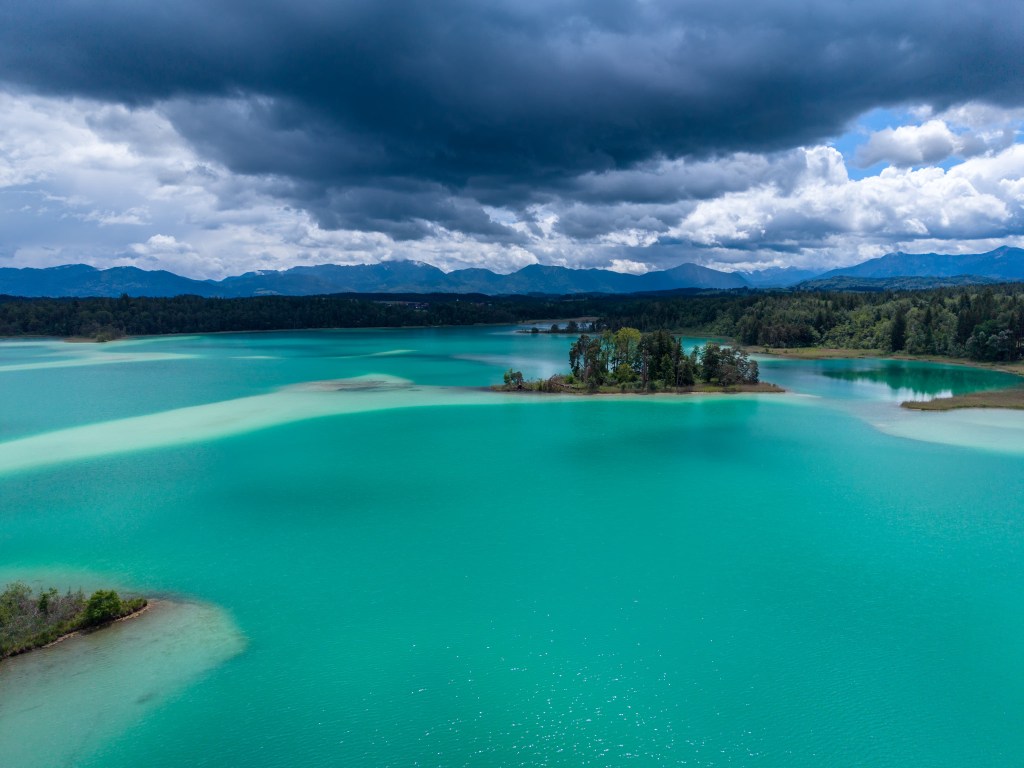
    Großer Ostersee in Germany.

    In the evening, they stayed at bed-and-breakfasts or hotels. Surprisingly, two of the five places they stayed offered bike repair services, tire inflation, and bike cleaning. One of their favorite hotels was in Laces in the Trentino-Alto Adige region of Italy, which had an outdoor pool and stunning views of the Alps.

    The bikers didn’t encounter any flat tires or other bike maintenance issues.

    Ernesto had purchased a Dji Mini 5 Pro drone and used it during the ride, which added another “passenger” to the trip. He kept it in a front bag from Apidura, and he watched many tutorial videos in advance so he’d know how to use the drone while cycling or while stopped. The end result? Many great pictures and videos taken with the drone.
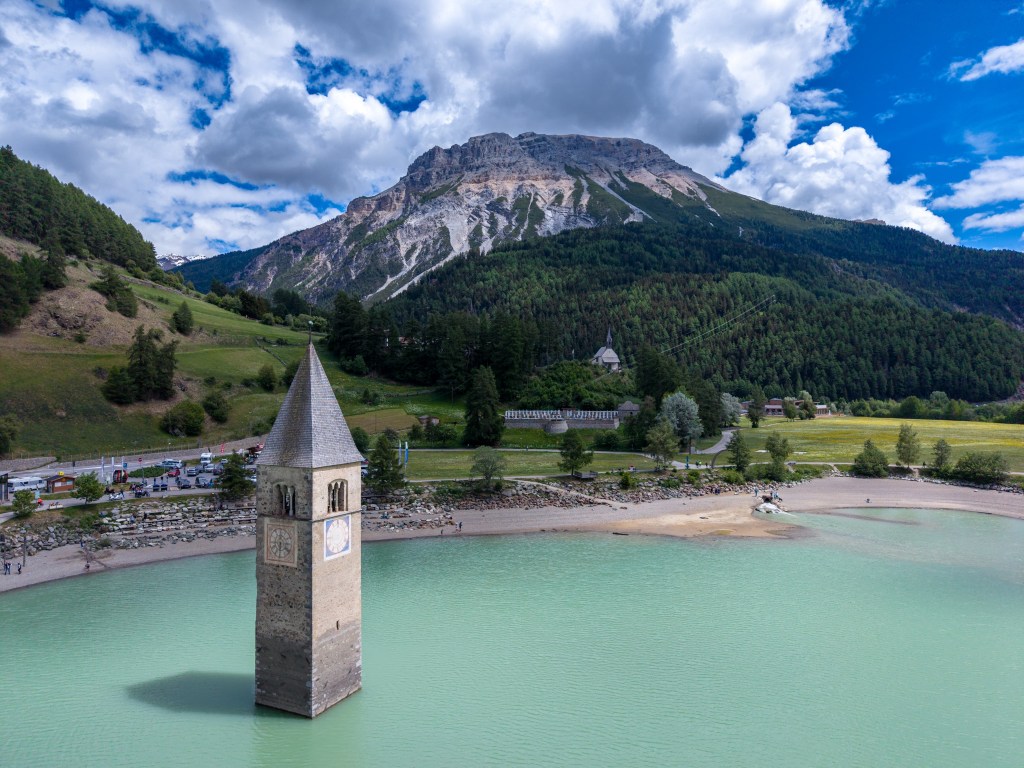
    Lake Resia in Italy.

    Watching the Scenery Change

    The bikers traveled through the Lombardy, Veneto, and Trentino-South Tyrol regions of Italy. They started in the Po Valley, which Ernesto describes as having wide-open fields and mountains visible in the distance.

    Next came the southern part of famous Lake Garda, surrounded by olive trees, veinyards, and lemon trees.

    The Adige River area had a stunning bike trail and small villages and vineyards that continued all the way to the city of Bolzano and to the Alps.

    Reaching Val Venosta, an area well-known for its apples, they entered the alps with mountain ranges of 3,000 to 3,900 meters (9800 feet and more).

    They were still in Italy at this part of the journey, but it more closely resembled Austria than Italy, and German is widely spoken there.
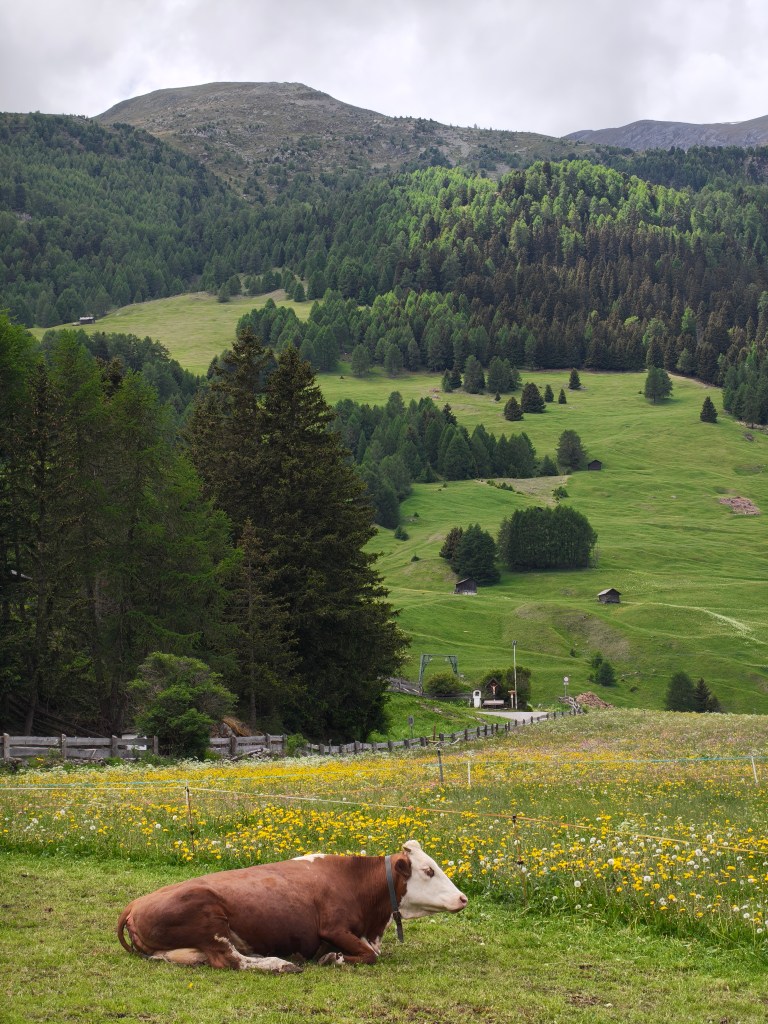
    Italy on the border with Austria.

    Although they crossed high elevations during the trip, this didn’t intimidate them too much as they were ready for them.

    Upon reaching Austria and the heart of the Alps, the bikers had peaceful views of glaciers and mountains, clear rivers, fields, and Gothic churches and villages.

    The same held true in Germany, where the Alps gave way to hills, pastures, and lakes all the way to Munich.

    Ultimately, the group traveled through:

    –Desenzano del Garda, Italy

    –Peschiera del Garda, Italy

    –Rovereto, Italy

    –Trento, Italy

    –Bolzano, Italy

    –Merano, Italy

    –Lake Resia, Italy

    –Prutz, Austria

    –Imst, Austria

    –Garmisch Partenkirchen, Germany

    –Starnberg, Germany

    –Munich, Germany

    They went through Switzerland as well but only for a few kilometers.
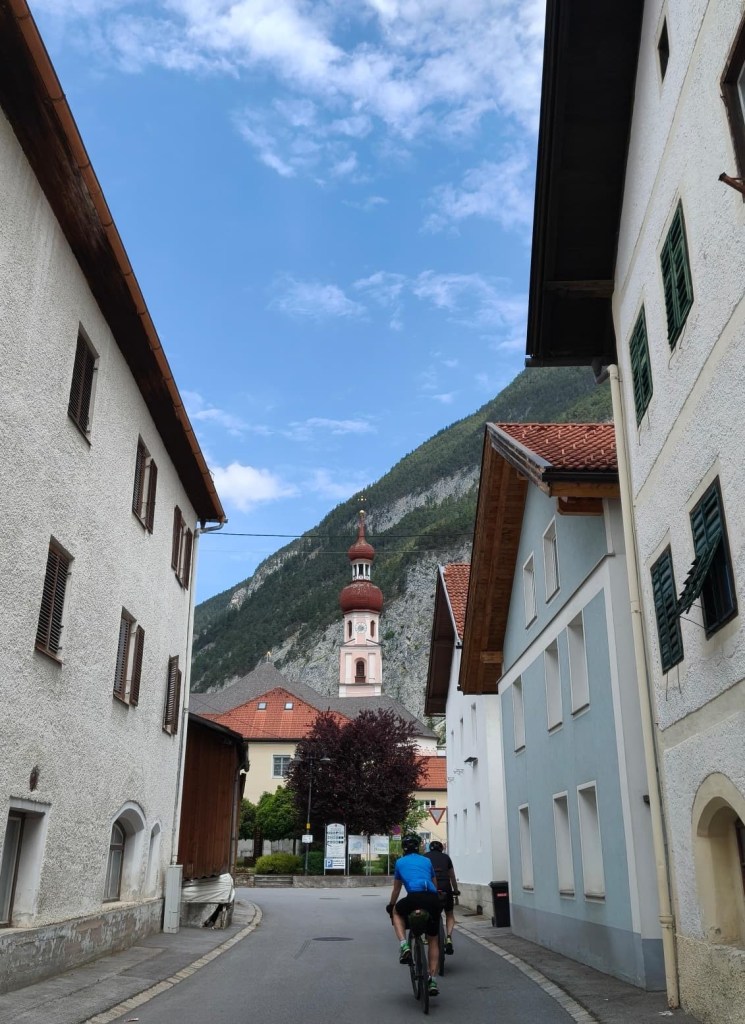
    Austria

    Reaching Munich

    Upon reaching Munich on day 5, the crew arrived at Marienplatz in the center of Munich, went to their hotel, took showers, and then had beer and dinner at the legendary Hofbrauhaus. Dinner was pork knuckle and pretzels.

    “I was impressed by the size of Hofbrauhaus, how quickly they serve beer, the German-style decor, and how quickly you can drink a liter of beer,” Ernesto says.

    They returned home the next day–but not by bike!
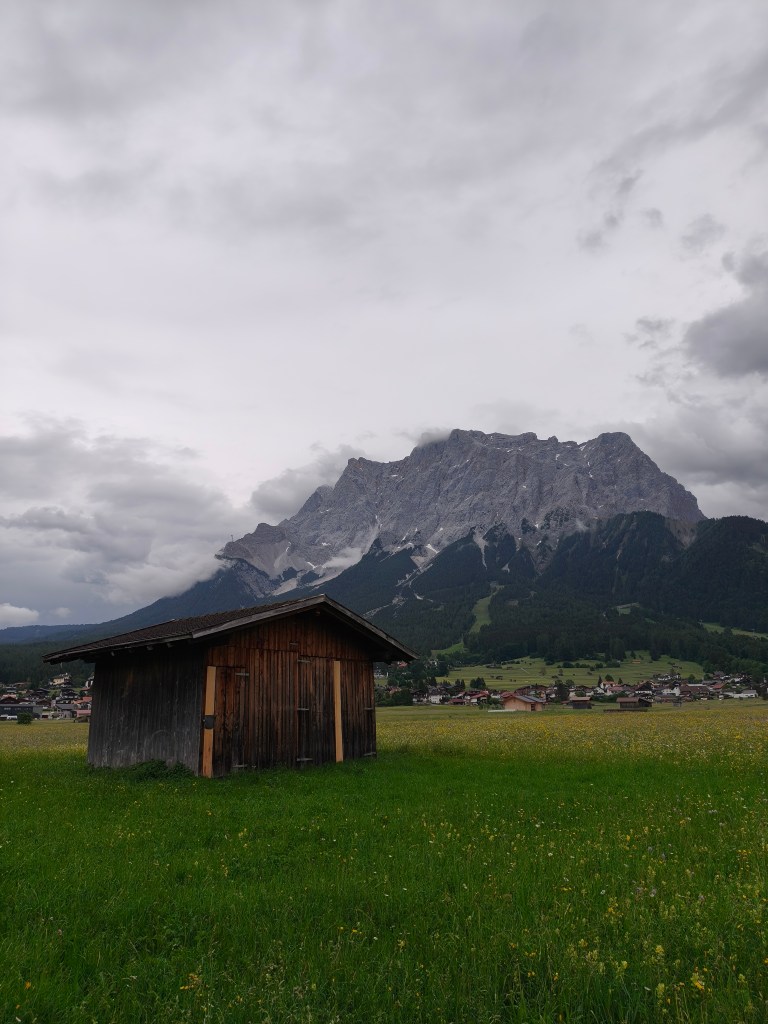
    Austria on the border with Germany, with Zugspitze Mountain in Germany in the background.

    Comparing Southern Versus Northern Italy

    When asked how last year’s sojourn into southern Italy compared to this year’s trip, Ernesto shares a few thoughts.

    “Italy is long and narrow, with a wide variety of climates and landscapes. Last year, the dialects, accents, cultures, and landscapes changed several times from stage to stage. On the latest trip, from Bolzano onward, the culture and food were very similar all the way to Bavaria in Germany,” he says.

    Still, he says he loved the majesty of the Alps.

    The freedom and exploration of new cultures are what keep Ernesto and his biking buddies on the road for these long-distance trips.

    “This kind of trip fills you with excitement from the moment you plan it on the map until you’re actually biking,” he says. “The feeling of reaching faraway places under your own power feels great. It makes you feel like a superhero.”

    While plans for the next long-distance ride are still in progress, it will most likely lead them to the city of Reggio Calabria in southern Italy, across from Sicily.
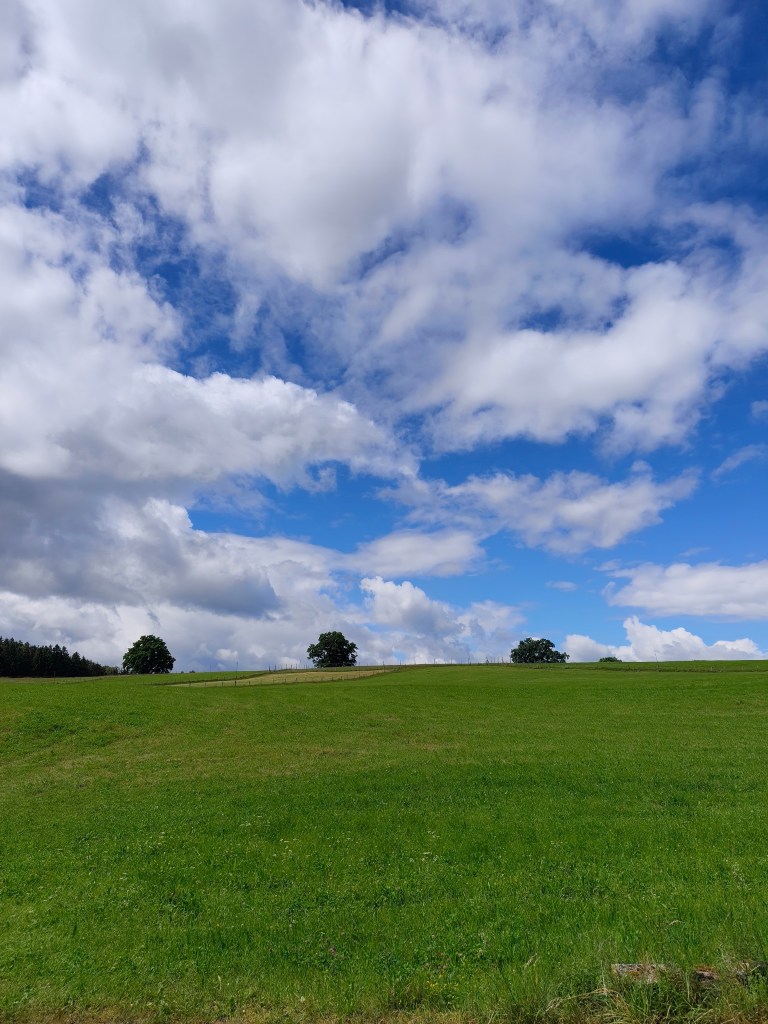
    Germany

    Tips for Long-Distance Biking Through Italy

    If you’re considering a long-distance biking adventure through Italy–or really, anywhere–here are a few tips shared by Ernesto:

    –Train gradually but consistently to prepare your body.

    –Start with three- to four-day trips to make sure you like them.

    –Pack as light as you can.

    –Buy a good bike GPS. He uses the Garmin Edge 1040.

    –Learn how to perform basic bike maintenance.

    –Have your bike inspected and serviced before setting off.

    Buon viaggio!
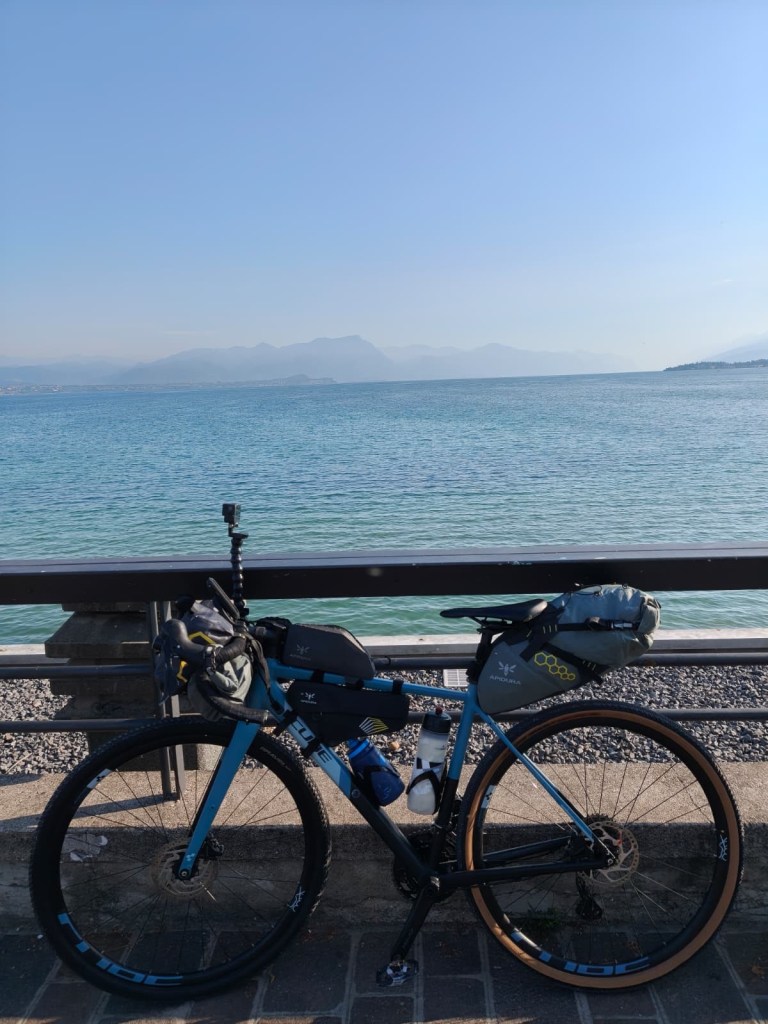
    Bike in Desenzano del Garda, Italy.
    Switzerland

  • 10 Fun Facts About Cortina and the Dolomites in Italy

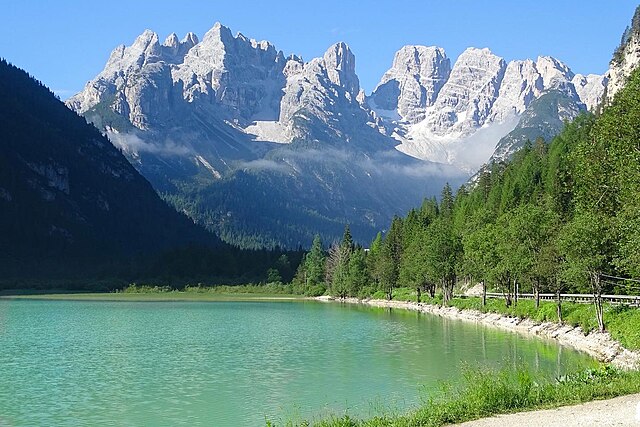
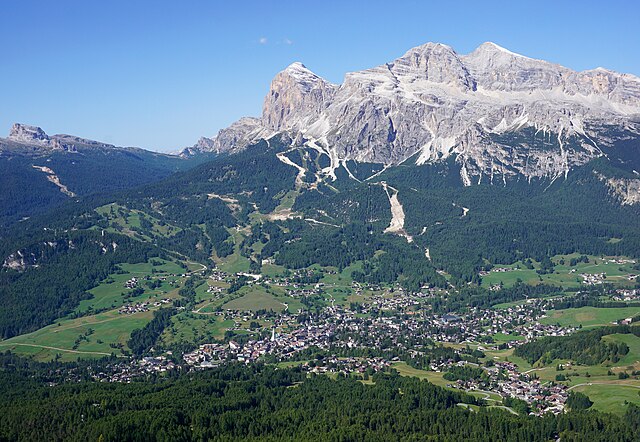
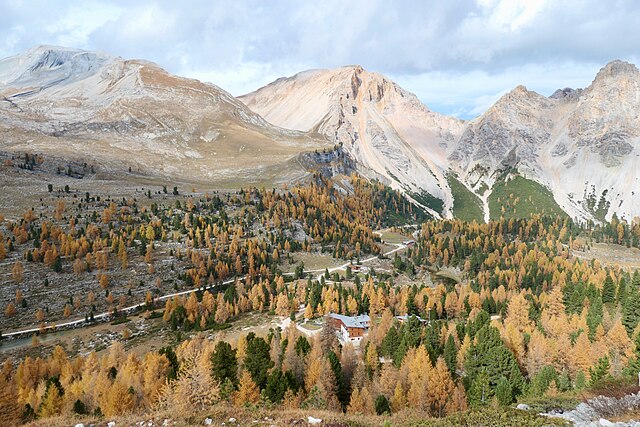
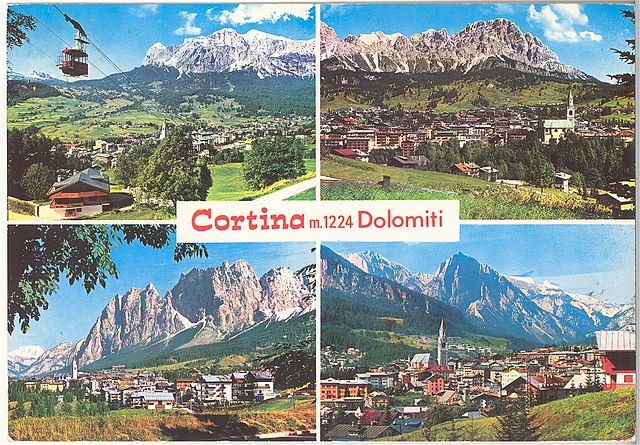
    The beautiful Dolomites in northeastern Italy. All pictures in this story taken from Wikimedia Commons.

    With the Winter 2026 Olympics around the corner, the world turns its eyes to Milan and Cortina, Italy. Although the name “Milan Cortina 2026 Olympic Winter Games” makes it sound like these two areas are close to each other, they are actually more than 255 miles apart—basically, an almost five-hour drive. In fact, this year’s Winter Games will be the most geographically widespread of any prior Olympics.

    We shared some fun facts about Milan in a previous post, so we wanted to give some equal exposure to Cortina d’Ampezzo (called Cortina for short) and the beautiful Dolomite Mountains, where Cortina is located.

    Andiamo!/let’s go

    1. Cortina is called “Queen of the Dolomites” and “Pearl of the Dolomites.” It’s famous as a luxury ski resort area.
    2. Cortina previous hosted the Olympics Winter Games in 1956.
    3. The movies “For Your Eyes Only” and “The Pink Panther” were filmed in Cortina.
    4. Olympics events that will be held in Cortina include Alpine skiing, the biathalon, bobsledding, curling, and luge. In addition to Milan and Cortina, some Olympics events will take place in the towns of Valtellina and Val di Fiemme in northern Italy, along with a closing ceremony in Verona.

    5. There’s a lot to do in Cortina. In addition to those famous winter activities, there’s golfing, mountain biking, horseback riding, and kayaking. If you’re a little less adventurous, you can browse more than 250 shops.

    6. The Dolomites (called Dolomiti in Italian) are part of the Italian Alps. Just like you’ve heard of the Swiss Alps, the Italian Alps are famous and include the Dolomites, the Aosta Valley, South Tyrol (a German-speaking region) and Piedmont. In addition to Switzerland and Italy, the Alps also span Austria, Germany, France, Liechtenstein, Monaco, and Slovenia.

    7, The Dolomites are part of the UNESCO World Heritage sites because of beautiful rock cathedrals and natural beauty. One nearby resident said when you climb to the top of a peak in the Dolomites, you can see the world from a completely new perspective.

    8. The Dolomites stay busy! Do some research online, and you’ll see that many recommend that visiting from June to August is an ideal time for spectacular hiking views. However, this is also peak season, when you’ll explore there along with many other visitors. You also will face higher prices. Of course, winter is the best time to visit if you’re into skiing and other winter sports. Perhaps a visit in the fall or spring is best to enjoy some of the views without the full impact of crowds.

    9. It’s not all pasta, all the time in Cortina and the Dolomites. Much of the famous local cuisine features German influences and includes knödel (a type of bread dumpling with herbs), Schlutzkrapfen (a ravioli dish), Spinatspatspazlen mit Schinken-Käsesauce, which is spinach spaetzle with ham and cheese sauce. We’ll let you google the pronunciation of that one as we’re not sure how to say it! Another famous dish in the Dolomites is Spaghetti Bolognese mit Speck, or bolognese spaghetti with a type of local ham. Another dish recommended to us? Turtres, a type of fried dough filled with spinach and ricotta. Find a recipe for them here. And don’t forget to try any local cheeses!

    10. The locals are multilingual. There’s more than just Italian spoken in the Dolomites. German and Italian are spoken by most people from the Dolomites, in addition to the ancient romance language of Ladin. Still, if you’re visiting a local tourist area and speak English, you should be in good shape to communicate with others.

      Buon viaggio!

    1. Here’s Your Day Trip Plan From Milan to Lake Como, Italy

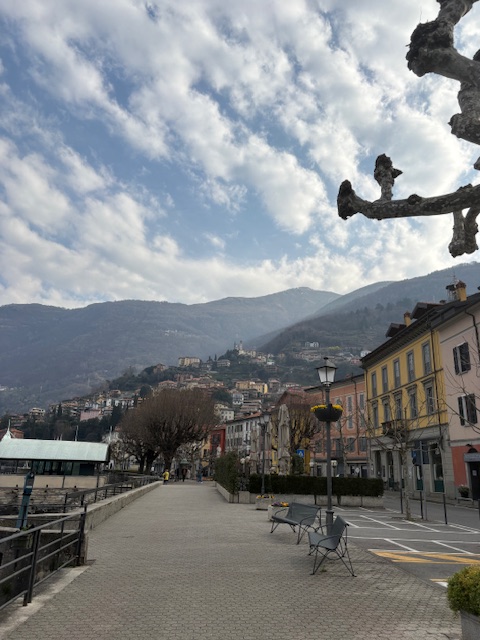
      Bellano, Italy, on Lake Como on a Sunday morning, before the crowds came in.

      If you’re visiting Milan, Italy, and want to take a day trip to Lake Como–home to George and Amal Clooney and gorgeous lake views–we’ve got good news for you. Many of the lake towns are just over an hour away by train.

      Surprisingly, the cosmopolitan feel of Milan quickly fades away via train as you reach mountain views. You even start imagining yourself just hopping over the border to Switzerland for some Toblerone chocolate. In fact, the train ride from Lake Como to Lugano, Switzerland, is just 40 minutes.

      Yet for the purposes of our journey, we’re going to stay in Italy and tell you how you can reach three towns surrounding Lake Como for an enjoyable day trip. This is a trip we at Italy Dreams did in early 2025. For context, I’m a female solo traveler but I find it easier to use “we” when writing.

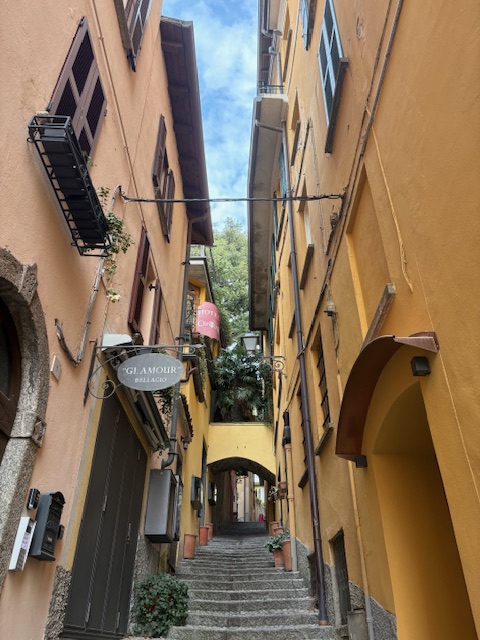
      Cool buildings in Bellagio on Lake Como in Italy.

      Here’s our first set of tips to help you plan:

      Pick two to three cities around Como that you want to visit for the day. Our itinerary takes you through Bellano, Bellagio, and Varenna in that order, but there are many other towns you can visit, including the town of Como. Bellano seemed to be a good starting point. There are countless online articles online and guidebooks (we always find Rick Steves‘ information helpful) to help you choose destinations.

      Buy your train ticket online in advance on a site like Italia Rail. If you’re looking to visit more than one town in a day, it’s helpful to plan in advance what time you want to leave Milan and reach your first lake destination. You’ll also want to keep in mind the time it’ll take you to get from where you’re staying to the train station. There are a handful of different train stations in Milan that will take you to Lake Como, so make sure you show up at the right station.

      Pay attention to the train station signage. It will tell you what time the train is leaving and what platform to use. Note: Many Italian trains require you to validate your ticket while at the station, but we didn’t have to do this with our ticket for some reason. If in doubt, ask at the train station before you board the train.

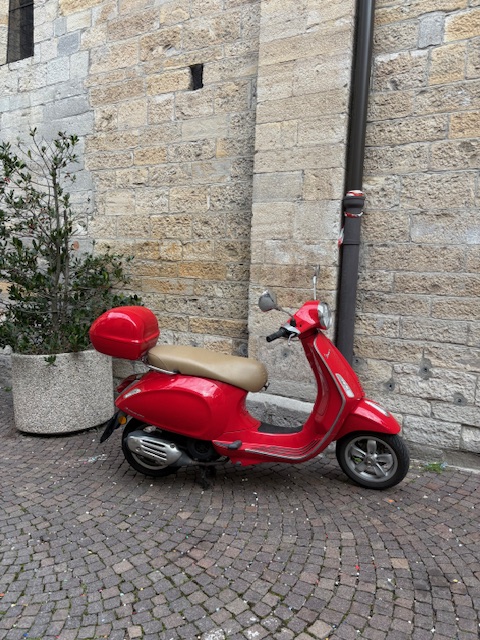
      A Vespa spotted in Bellano, Italy.

      Things to Do in Bello Bellano

      We arrived in bello Bellano (population: 3,400) on a quiet, cool Sunday morning around 9 a.m. Not quite sure where to go, we followed a few other people getting off the train who appeared to be walking toward the lake. There was a small farmers market with a mix of food products and crafts, and it was the perfect place to take those photos and videos that make you say, “Look, I’m at Lake Como!” You could see how busy the area might get in the summer.

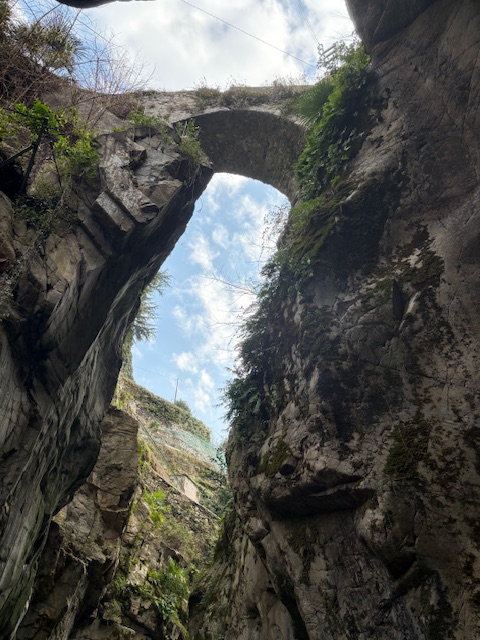
      This view of Orrido di Bellano reminded us of Natural Bridge State Park in Virginia.

      As it was still a little early for shops to be open, we headed toward a gorge called Orrido di Bellano. If you’ve ever been to Natural Bridge State Park in Virginia, it’ll remind you of that. It’s a natural gorge created a whopping 15 million years ago that’s led to the formation of gorges, ravines, and caves. It’s not something you’re expecting to see on your Lake Como visit but it’s definitely a beautiful sight.

      Some tips to visit Orrido di Bellano:

      Wear good walking shoes. It’s very hilly and you’ll find yourself going over some pedestrian bridges.

      Take lots of pictures but hold on to your camera or phone tightly. You don’t want it to fall in the gorge!

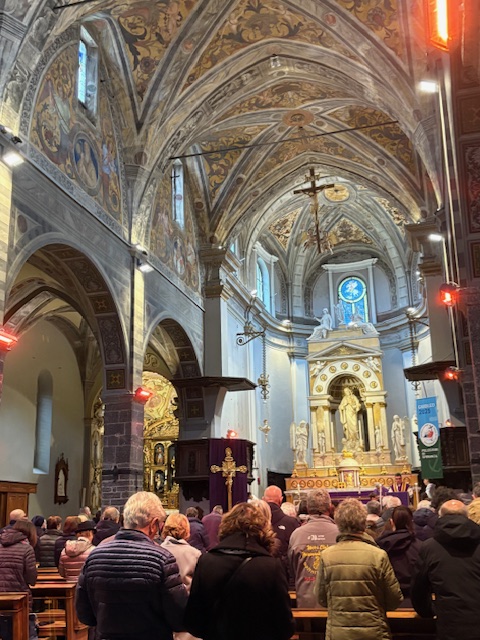
      Churchgoers on Sunday morning in Bellano, Italy.

      It took us 30 to 45 minutes to make our way through Orrido di Bellano, after which we stumbled upon a church with a Sunday service. We entered quietly (or so we hope!) to listen to some of the service in Italian. It was interesting to see people dressed in winter casual clothing, many still wearing their jackets. There were other tourists like us there toward the back.

      We tried our best in Bellagio to get pics without too many tourists.

      Taking the Ferry to Bello Bellagio

      If you look at Lake Como on a map (it looks like a thin person with long legs running), then you can imagine why taking a ferry is an easier way to get to some destinations compared with driving or even a train. With Bellagio across the water from Bellano, it made sense to hop on the popular ferry, which would be about a 30 minute ride.

      Depending on where you’re visiting around Lake Como, you may also find yourself hopping on the train again but just for a few minutes’ ride to your next destination. Again, do your research on a short train ride versus the ferry and which works best.

      If you can, buy your ferry ticket in advance because otherwise you may find yourself waiting in a potentially long line–and you might even miss the ferry that you want to take. For reasons we can’t recall, we couldn’t buy our ticket online that day and waited in a line.

      At this point in our trip–it was about 11 am–we could feel the crowds. Don’t get us wrong, it was still a beautiful view along the ferry ride, breathing in fresh air and taking pictures (again, hold on tight to your phone!). Yet as the crowd descended on historical, tiny Bellagio, it began to feel like too many people. Overtourism is a real thing in many European destinations, so try to visit at the beginning or end of the day when there are fewer people.

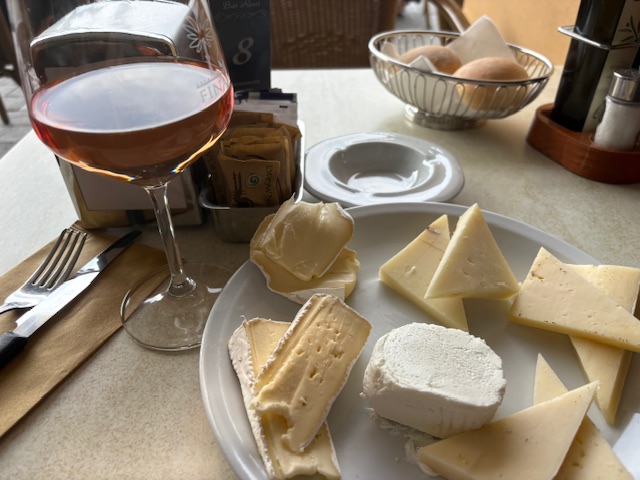
      Lunch in Bellagio was molto buono–and very cheesy!

      Even with the crowds, there was still the charm of Bellagio’s shops, architecture, and scenic vistas. It would have been amazing to spend the night there and see the town first thing in the morning (#futuregoals). We ate lunch at the waterfront restaurant Bar Pasticcheria Rossi–charcuterie board and a rose vino, perfect for Sunday afternoon. After that, it was a stroll by the water and waiting again for the ferry.

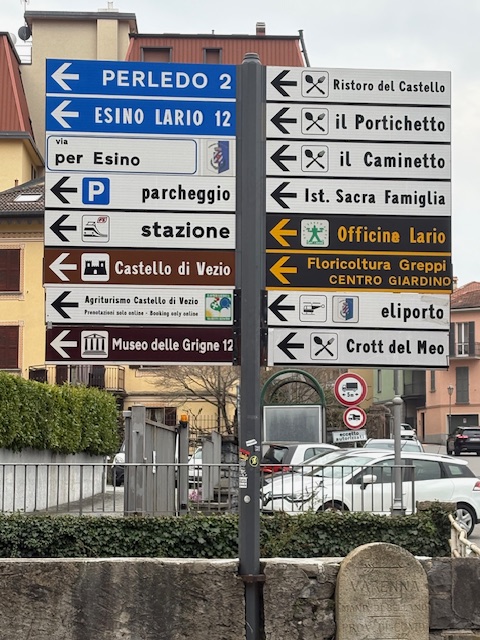
      Oh, the places you can go in Lake Como. Note that “Stazione” on the sign means train station.

      Vrooming to Varenna

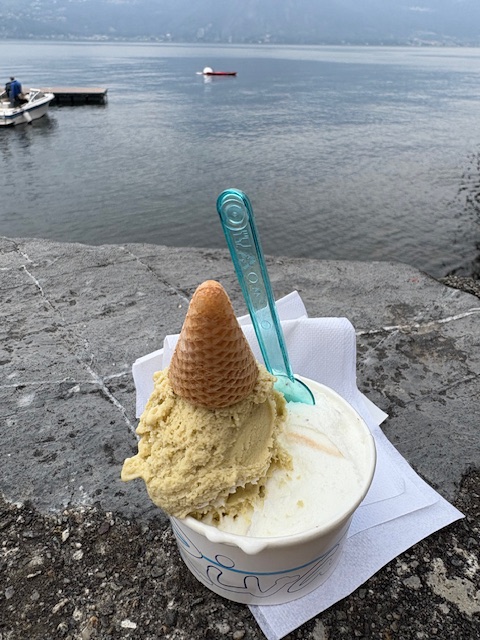
      The next destination was Varenna, a few minutes away and another popular small town. When you get off the ferry, you’ll likely make your way to the right and walk a few minutes to the congregation of shops right on the water. Again, we could feel the crowds and found the best way to cope was enjoying some gelato by the water from Riva Gelateria…because what would a visit to Lake Como be without gelato?!

      If we were in the mood to check out Every.Shop.in.Town, we could have broadened the time we spent in Bellagio and Varenna–but this was the day before we’d return to the U.S. and we had pretty much gotten the souvenirs we wanted. So, well-fed, we made our way to the train station around 4 p.m. to take a 5 p.m. train back to Milano’s Centrale Train Station.

      Don’t turn down the chance to have gelato when you’re in Italy–this one was enjoyed in Varenna.

      We weren’t the only ones with that idea. As it got closer to 5 p.m., there were many people waiting. The train itself was standing room only (and we were one of the standing ones, as other people had clearly boarded in other Como towns). There’s probably no good way to get around the packed train. If you’re going to pack a lot into your day trip, just know in advance that others will have the same idea. Still, getting to the Como area as early as you can is never a bad move.

      We definitely would do another day trip to Como if we weren’t able to spend the night there. We would likely venture to try other towns around the lake, like the actual town of Como. A trip back to Orrido di Bellano would always be welcome!