Tag: travel

  • Kapuhala Sicily Amazes Guests With Tranquility, Sicilian Heritage, and Vegan Meals

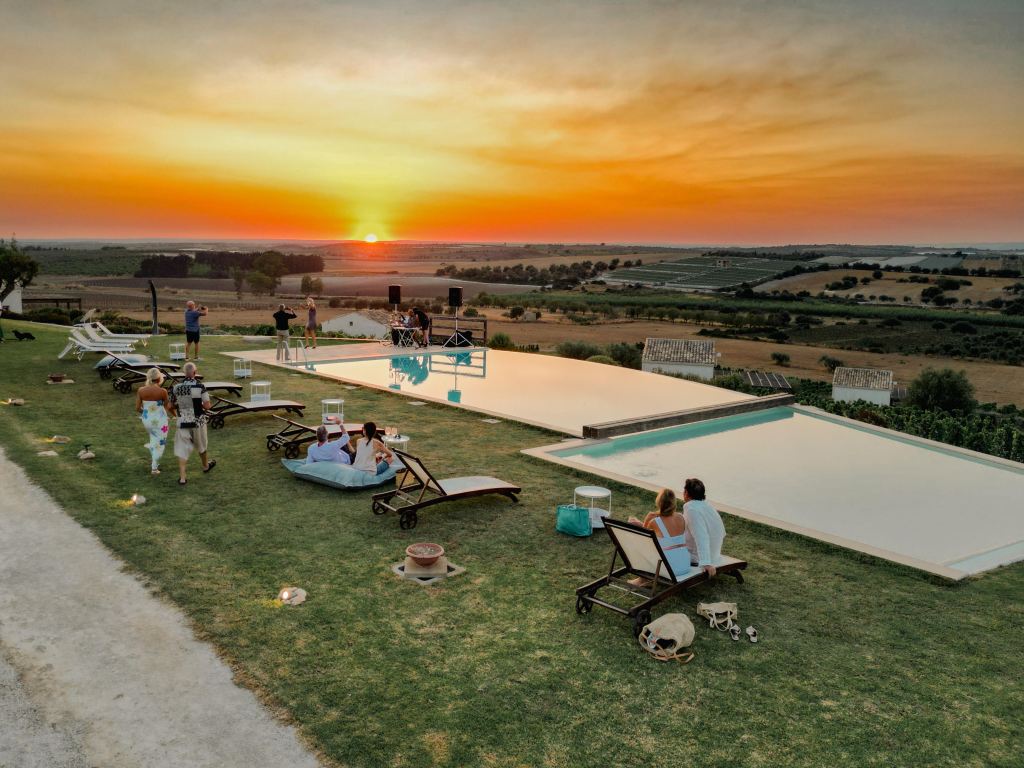
    Drinks and a sunset view at Kapuhala Sicily, a resort near Noto. All pictures shared courtesy of Kapuhala Sicily.

    If you’re dreaming of Sicily and want some wellness with your getaway, then look no further than Kapuhala Sicily, located near Noto and Marzamemi in the southeast corner of the Italian island.

    Kapuhala Sicily was created as a sustainable, wellness-focused resort by chef Crystal Lee and her husband, Stefano Passarello, whose father is from the area. Crystal is originally from Hong Kong but trained in Milan to be a chef.

    “We’d been going to Sicily for 20 years and absolutely love it,” Crystal says. “When the resources and land became available, we decided to build something there.”

    Kapuhala Sicily debuted in June 2020, almost a year after the couple opened Kapuhala Koh Samui, an eco-friendly resort in Thailand. They divide their time between the two properties. Kapuhala means “holy tree” in Hawaiian.

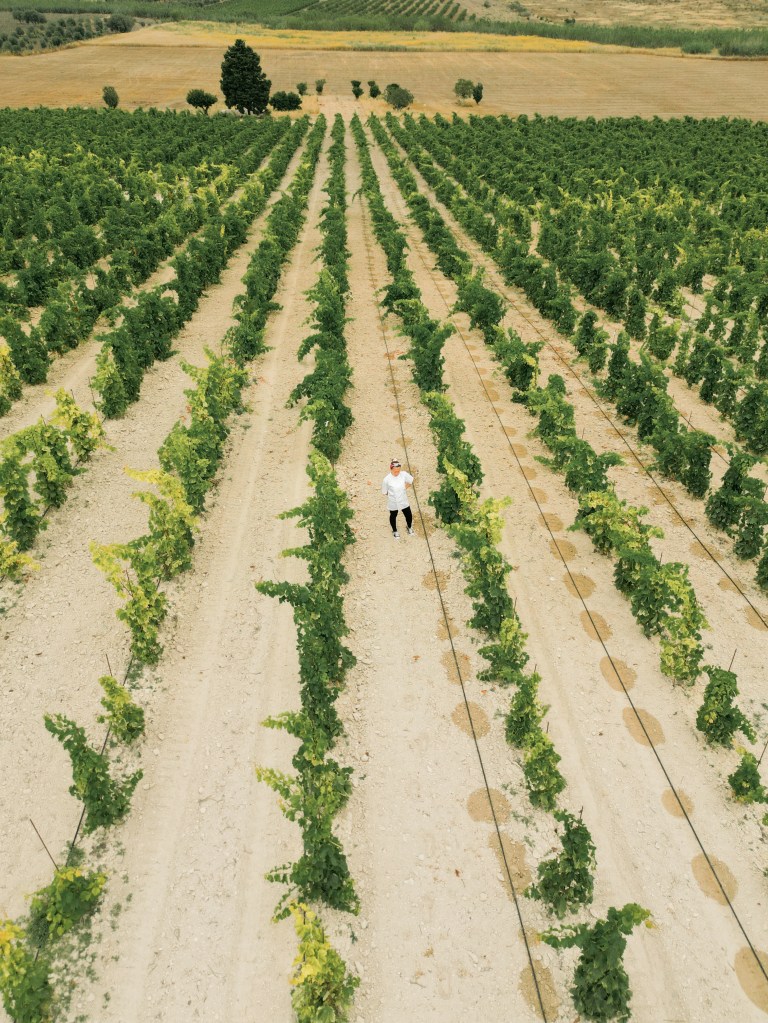
    Relax among the vineyards at Kapuhala Sicily.

    “Ahhhhhh”–What to Expect When You Visit Kapuhala Sicily

    If you’re visiting Sicily for Kapuhala Sicily, you’ll make your way through the countryside of the Valle di Noto region–an area Crystal describes as famous for its natural beauty, olive groves, and traditional Sicilian heritage.

    Upon driving up to the resort, you’ll find 60 acres of vineyards, olive groves, and organic gardens–with much of the food served at the resort grown onsite or sourced from local farmers. The owners of Kapuhala Sicily also were able to revitalize 300 trees that would have otherwise been uncultivated.

    Kapuhala Sicily can accommodate up to 30 guests in total in small individual homes and in buildings once used for wine-making; most of the places to stay there can host up to four people at a time. Each unit has a private bathroom, and some units have kitchenettes.

    Kapuhala Sicily focuses on sustainability, wellness, heritage architecture, and plant-based cuisine. It also follows many of the “blue zone” principles for living longer and staying healthy. Sardinia, another island in Italy, happens to be one of the world’s blue zones, and one area of Sicily is considered an emerging blue zone.

    Chef Crystal Lee operates Kapuhala Sicily along with her partner, Stefano Passarello.

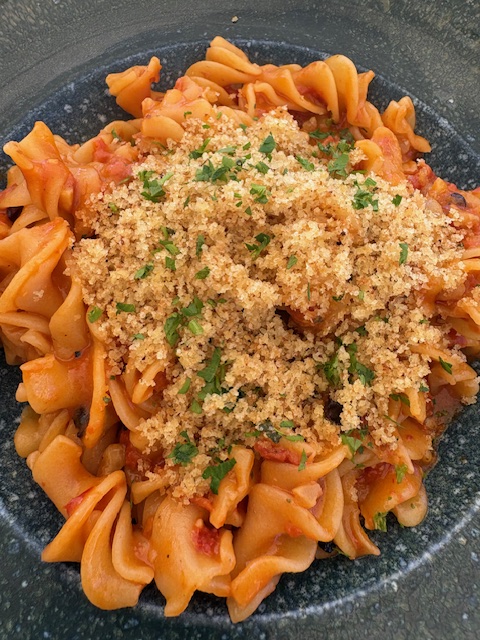
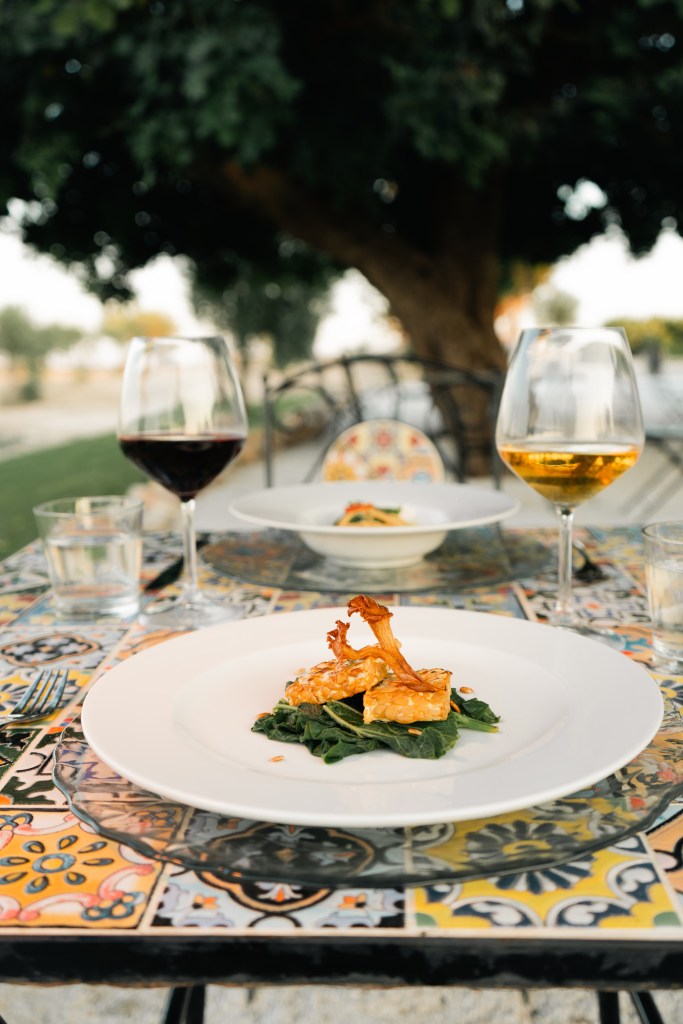
    Italy is already famous for its cuisine–it was just recognized by UNESCO this December–yet Kapuhala Resort takes plant-based cuisine to another level. How about spaghetti with Sicilian curry, tenerumi (a summer squash-like vegetable in Sicily) and tomato confit? Si, per favore! With some of the dishes, you may be fooled into thinking you’re eating the traditional meat version, only to realize the vegan option is just as tasty.

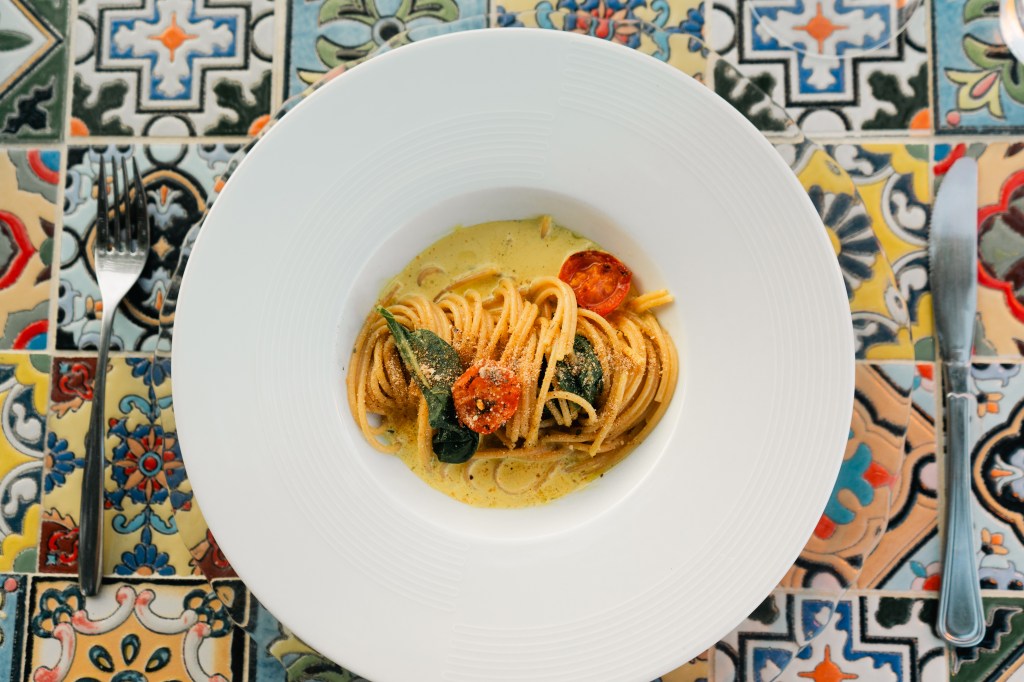
    Spaghetti with Sicilan curry served at Kapuhala Sicily resort, located in the southeastern corner of the island.

    In addition to the great food, there’s lots more to enjoy at Kapuhala Sicily, including:

    –Wine tastings

    –A pool

    –A botanic yoga studio

    –Sunset views

    –Nature walks

    –Doing absolutely nothing!

    –Day trips just a short drive away, like Noto (famous for its baroque architecture–see our article here), Marzamemi (a former fishing village that’s popular to visit), and nearby beaches

    Yet there’s nothing wrong with just enjoying your time at Kapuhala.

    “Kapuhala Sicily isn’t just a hotel but a lifestyle-oriented retreat. It’s a place designed for people who value sustainable living, plant-based food, mindful living, nature, and authentic local heritage,” Crystal says.

    It’s also considered a “heritage farmstay” because guests have the chance to connect with the land and rural Sicilian traditions.

    7 Tips to Plan Your Visit to Kapuhala Siciliy

    If you’re hopping on your favorite travel website right now to book your stay at Kapuhala Sicily, here are a few tips to keep in mind:

    Plan to rent a car while you’re in the area. There’s not much public transportation.

    Slow wayyyyyyy down. Keep your type A side tucked away in your suitcase while you’re vacationing, both in SIcily in general but also specifically at Kapuhala. “It’s about relaxation, wellness, a connection with nature, and simplicity,” Crystal explains.

    Stay open to vegan cuisine. You may be surprised by how much you like it!

    Bring comfortable shoes. It’s hard to get around the countryside in high heels, Crystal says.

    Plan your local trips to include beach visits, local historical towns and the countryside. Crystal calls this a “balanced Sicily experience.” Staying for a few days in the area gives you a better chance to get to know the resort’s part of Sicily without feeling rushed.

    Check online to make sure the resort will be open before you book. Like many other accomodations in the area, Kapuhala Sicily is generally open from April to the end of September, which is the main tourism season for Sicily.

    Staying elsewhere in Sicily but still want to check out Kapuhala? You can visit their restaurant, Vivi Vinu, for an apertivo or dinner.

    Buon viaggio!

  • Find the Sweet Scent of Italy With These Two New Perfumes

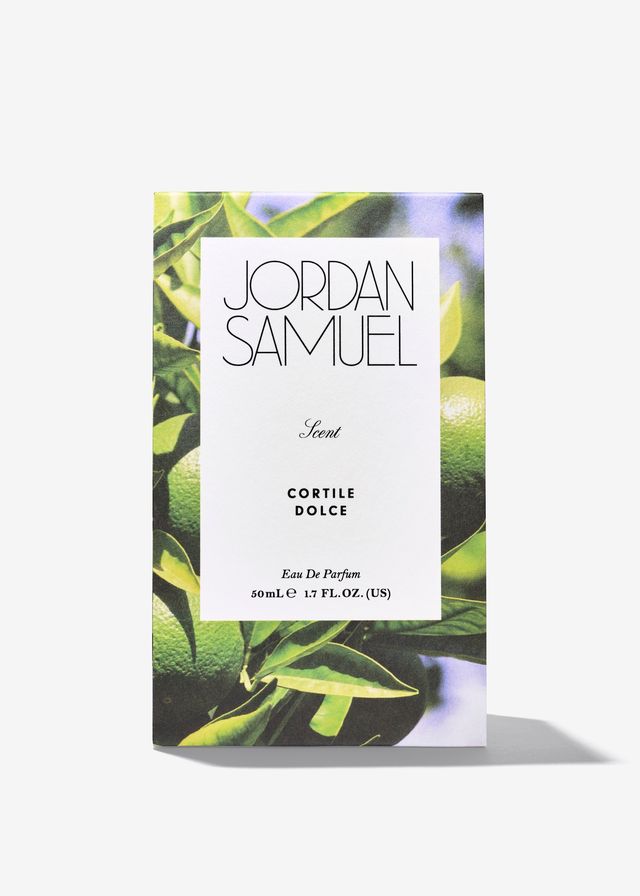
    Cortile Dolce and Ferragosto, two perfumes that will transport you to Italy.

    If you’re looking for a permanent vacation to Italy, we’ve got some sweet-smelling suggestions for you.

    Two new perfumes from Jordan Samuel Scent will transport you to Sicily and Capri in Italy without ever leaving your living room sofa.

    The unisex scents are sold by New York City’s Jordan Samuel Pacitti and his eponymous Jordan Samuel Skin. Pacitti, a former professional ballet dancer and esthetician, worked with famous Italian perfumer Luca Maffei to create the scents (more on their collaboration below).

    So, just what do the perfumes smell like? Once we describe them, we’ll have you booking your flight to southern Italy in no time–and spraying on the scents.

    “Our fragrances really are a transportive vacation in a bottle,” Pacitti says.

    Cortile Dolce and Ferragosto

    Cortile Dolce, which means Sweet Courtyard in English, brings together sweet, soft, and citrusy scents that define Sicily–a region that Pacitti has gotten to know through several visits all around the island.

    Cortile Dolce’s scent notes include:

    –Lime leaf (Sicily is famous for its citrus)

    –Jasmine, which fluorishes on the island

    –Cedarwood, a grounding scent you may experience along seaside cliffs

    –A touch of sweetness, which promotional info for Cortile Dolce describes as “a taste of la dolce vita” and “silk-spun notes of almond granita and brioche buns”

    –White amber, which “hints at the spirit of the Italian isle”


    Then, there’s Ferragosto, named for the Italian national holiday on August 15 that leads many Italians to their famous beaches. The fragrance is inspired by the island of Capri near Italy’s Amalfi Coast.

    With Jordan Samuel Scent’s lovely Ferragosto, here’s your scent combination:

    –Fig skin and sap, just like those from the gardens of Villa San Michele in Capri

    –Apricot, famous on the island, and “juicy, sun-drenched, and just shy of too sweet”

    –Cardamom, the famous spice that adds structure to the fragrance without stealing the show

    –Cut grass accord, described as “the hum of heat rising from the terraced hillsides near Chiesa di San Michele with summer, like an anchor clinging to the air”

    –Sandalwood, wrapping it all up in a soft-focus haze

    Jordan Samuel Pacitti and master perfumer Luca Maffei.

    The Scent Story and the Italian Connection

    You can probably feel Pacitti’s passion for Italy just from the descriptions above. Yet what led him on his Italy scent journey?

    Pacitti had aIways been fascinated by fragrances. In his early adulthood, he was a ballet dancer living and traveling around the world for his career. After several years of dancing and putting on and removing makeup for shows, his skin became more sensitive.

    After two serious injuries, he realized that it was likely time to bow out of his dancing career and pivot to something new. He had always loved the beauty industry and its associated products, which led him toward skin care. He earned his aesthetic license and starting practicing hands-on within the skincare world.
    Pacitti decided to start his own skincare line, which led to the creation of Jordan Samuel Skin. His cleansers, serums, eye gels, and more often have names that give a nod to his ballet background, such as The Performance Eye Gel and The Matinee Gel Moisturizer.

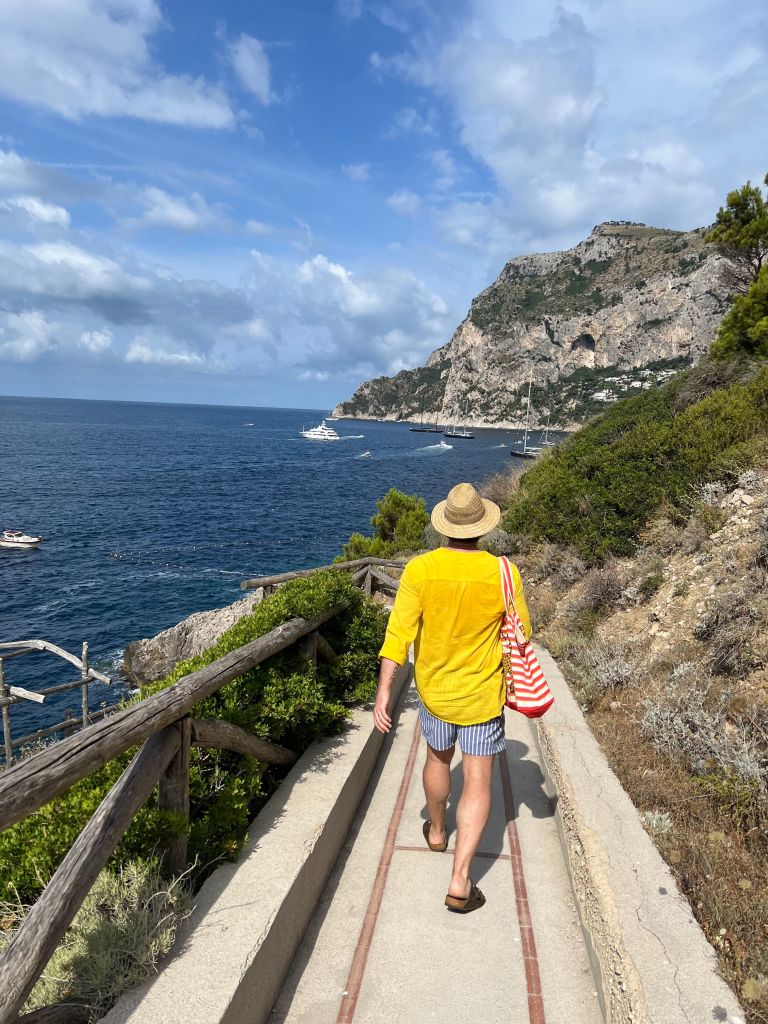
    Jordan in Capri, which serves as the inspiration for his Ferragosto fragrance.

    That inches us closer to the fragrance and Italy connection.

    “I used to make fragrances myself, but I always wanted to work with a perfumer,” Pacitti tells Italy Dreams. “I knew that in addition to the skincare line, we one day were going to have fragrance or fragrances.”

    Yet after several attempts, it wasn’t happening just yet.

    In 2022, after Pacitti and his partner returned to the U.S. from a trip to Italy, they brought with them several half-ounce fragrance samples that were, incidentally, mostly created by master perfumer Luca Maffei.

    Realizing that Maffei was the common demonitator for the favorite fragrances he had purchased, Pacitti reached out to him online to discuss a potential collaboration. He didn’t hear back.

    Meanwhile, with momentum still behind him, Pacitti worked with other Italian contacts to get his Italian-inspired fragrances off the ground. As an Italian-American himself, Pacitti has fallen hard for the country’s beauty and spirit, leading to many trips there.

    “I wanted the perfumer to add their essence and bring it to life with what I had said,” Pacitti says. He continued to work with his contacts to get the scent combinations just right, although he initially was not in contact with the perfumer.

    As the fragrances continued to evolve, Pacitti eventually realized who was working with his contacts to develop them–Luca Maffei.

    “It was truly a serendipitious-like moment,” Pacitti says. The two are now collaborators and friends.

    Cortile Dolce became available via the Jordan Samuel Skin website in December 2024, and Ferragosto became available in October of this year (2025). The fragrance is available for sale in the U.S.

    Jordan in Lipari, Sicily, Italy.

    A Love for Italy: Pacitti’s Picks

    As evident through this story, Jordan Samuel Skin’s Cortile Dolce and Ferragosto are both a testament to business expansion as well as love letters to Italy–a place he actually had not traveled to prior to 2012.

    “I’ve been all over Asia, to Turkey, Belgium, France, and Denmark, but it was so strange that for being Italian-American and wanting to go to Italy, I just thought, ‘We’ll get there one day.’”

    And that he did. Here’s how he describes the country now:

    “Something that’s always fascinated me with Italy is it’s such a small country, but then from top to bottom, you can experience so many different dialects and types of food cultures and other patterns…It’s just so wildly different and extreme and beautiful. That also is why outside of being personally obsessed with it, I feel like it’s the most beautiful muse because each area tells its own story through food, scent, and the people.

    With Pacitti’s extensive travels throughout the country, we asked him for a few of his favorite travel locations:

    Rome, which he calls his “absolute favorite place in the world.” He and his partner have vacationed there but also have worked there for several weeks at a time and know the city well.

    Sicily, where he had a great time in southeastern Sicily but then later visited Palermo on the west coast and realized that both areas of the island were amazing

    The Aeolian Islands off the coast of Sicily, which he visited with his partner and his parents. “We all want to go back,” he says. “It’s clean, beautiful, not busy, and affordable.” Plus, there was some terrific seafood.

    Torino/Turin, the northern city where his perfumes are manufactured

    Check out Jordan Samuel Skin’s product line here, and check out his fragrance shere.

    Follow Jordan Samuel Skin on Instagram (@jordansamuelskin) or TikTok (@jordansamuelskin).


  • Discover Your Italy Helps You Get Off-the-Beaten Path

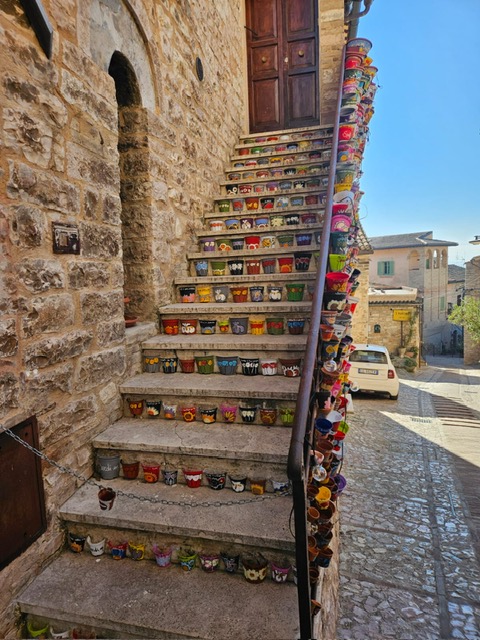
    Steps seen in the Umbria region of Italy, a lesser known destination you may get to know on a tour with Discover Your Italy. Photo shared by Aurelio V.

    Want to watch art restoration in progress behind the scenes in Florence? How about trying freshly pressed olive oil in southern Italy? Or taking a trek on top of the expansive Dolomites with a mountain guide?

    If you’re looking to discover Italy beyond the tourism check-off list like these activities, then get in touch with Discover Your Italy: Fuori Itinerario.

    Their name says it all. “Fuori Itinerario” means off-the-beaten path in Italian, and that says a lot about the types of travel that they offer.

    Discover Your Italy is based in Umbria, which itself is a region of Italy off-the-beaten path and less touristy than many other areas of the country. The tourism company also has an office in Milan, says Sara Caligiuri, a marketing specialist with the firm.

    The company was started by Matteo Della Grazia and Daniella Mencarelli, a husband-and-wife team who are passionate travelers and want to share the authentic beauty of Italy.

    A quiet view of Italy’s Lake Como, in northern Italy.

    Going Off-the-Beaten Path

    Discover Your Italy works with clients to find out their preferences so they can craft a custom itinerary for them, Caligiuri says.

    “It’s not just about the beautiful landmarks that everyone knows, but also the hidden gems,” Caligiuri says. “We are experts in Italy. Having a lot of connections is key for us. It’s important to know the suppliers and to have contacts with artisans and locals so we can craft authentic experiences.”

    The company specializes only in Italy so the knowledge of their country is deep.

    “Every itinerary is designed by the people who live in Italy, and everything that we recommend is because we personally know it. We don’t sell pre-packaged tours; everything that we sell is tailor -made and completely customized to the precise needs of the client,” Caligiuri explains.

    Discover Your Italy has many English-speaking/American clients, including many multigenerational travelers. What they’re looking for is comfort and expertise. “They don’t want to have a complication, they just want to enjoy their experience,” she says.

    Some, but not all, may have already seen the big cities like Florence or Rome or Venice and want something more in-depth. “We’ll combine cultural highlights with hands-on local experiences,” Caligiuri says.

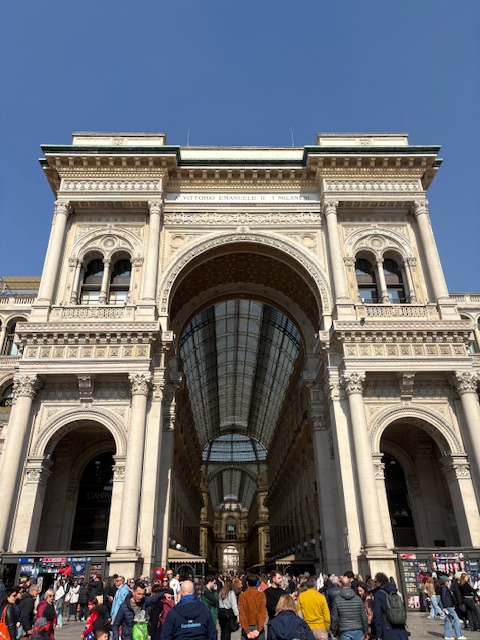
    The famous Galleria in Milan.

    Oh, the Places You’ll Go!

    Just where will a travel itinerary with Discover Your Italy take you? You can go where your heart desires, but here are a few examples of regions you might visit with the company’s assistance:

    • Umbria, located right in the heart of Italy and close to Tuscany. Although it’s similar to Tuscany, it doesn’t have the crowds or fame. In fact, Umbria has many hidden gems. Perugia, the Umbria-based hometown for Discover Your italy, is famous for its Eurochocolate Festival in November (yum).
    • Abruzzo, about 2 hours from Rome and filled with national parks and coastline.
    • Basilicata, which is home to Matera, the oldest city in Europe.
    • Le Marche, famous for mountains, beaches, history, and art but lesser known than other regions.

    Yet if you’re looking to visit one of Italy’s more famous cities or regions, you’re still in luck when you work with Discover Your Italy. A private guide can take you and your travel companion through highlights in Florence, Rome, Venice, Sicily, the Dolomites, and lots more.

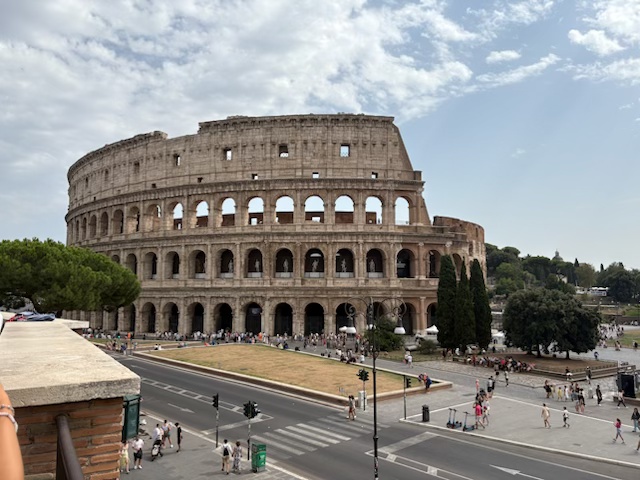
    Rome’s famous Colloseum. Picture shared by Jessica Caceres.

    In addition to customizable travel plans, other advantages of traveling with Discover Your Italy include:

    • Stays in boutique hotels
    • A private meet-and-greet when you arrive in Italy
    • Restaurant suggestions
    • Exclusive amenities
    • Pre-departure tips
    A restaurant view in Florence, Italy.

    Tips for Planning Your Trip to Italy

    Ready to buy that flight ticket to Italia now? Here are a few tips to keep in mind as you prepare for your Italy trip and once you’re onsite, as shared by Caligiuri:

    • Consider working with a tour company like Discover Your Italy to plan your trip. Italy has so much to offer, it can be overwhelming to plan. It also can be time-consuming. Planning on your own could cost you more and put you in danger of falling for tourist traps. Even planning transportation to different cities can get complex at times. “It’s important to know the behind the scenes, where the real Italian experiences are,” she explains.
    • Add less, not more. Tours to Europe/Italy often involve packing in many cities in just 10 to 14 days. Yet traveling at this rhythm can make it harder to really get to know each place. That’s why Discover Your Italy advocates for taking your time in just a handful of regions per trip, or even remaining in just one region. “You can really get to see a lot without getting stressed,” Caligiuri says.
    • Book six or seven months in advance. As you likely know, Italy is a popular travel destination. Booking in advance within a six- or seven-month timeframe helps you find the accomodations and travel plans you want.
    • Focus on understanding the culture from a local perspective. This will broaden your experience of Italy and help you appreciate how much the country differs even region by region.
    • Stay curious and stay open. “Italy has a lot of layers. We have history, art, food, nature, and landscapes. We have a lot of offerings for different kinds of people and interests,” Caligiuri says. By staying curious and open, you can experience the country’s different layers.
    • If you decide to work with Discover Your Italy for your Italy trip, let them know if you have any niche interests. Those special interests may become a part of your visit. If you or someone in your group enjoys fishing, for example, you may find yourself fishing while on your trip.

    For more information on Discover Your Italy, visit their website.

    You also can discover more about Discover Your Italy’s travel expertise in our article “Here’s Why to Visit Italy in the Winter and Off-Season.”

    Happy travels/buon viaggio!

  • Here’s What to See and Do in Noto, Sicily

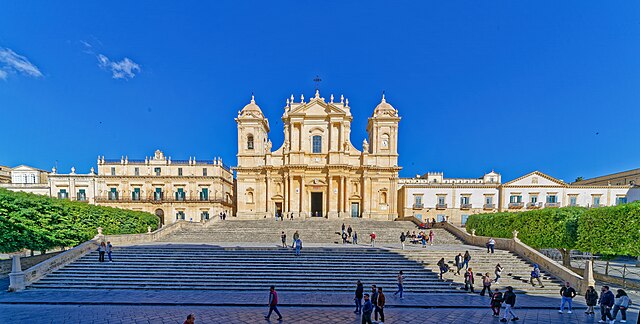
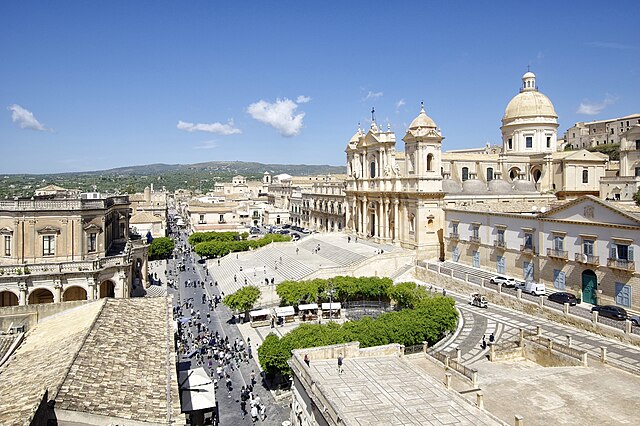
    Beautiful Noto, Sicily, Italy, with its Baroque architecture. Picture from Wikimedia Commons.

    Whether you’re lured to Noto, Sicily, Italy, by its Baroque architecture or its famous appearance in season 2 of “White Lotus,” there’s plenty to see and do in this charming town, located in southeastern Sicily.

    In his Sicily travel guidebook, European travel guru Rick Steves says that Noto may well be “Sicily’s most pristine small city.”

    Let’s quickly fill you in on Noto’s history and then guide you to things to see and do.

    Like much of Sicily, Noto’s earlier influences came from a mish-mash of cultures, including the Muslims, Normans, and Romans. If you fast forward a few centuries–specifically to the year 1693–a major earthquake hit and destroyed the city, which at that time was called Netum.

    In the 1700s, the city was rebuilt at a new site a few kilometers away and constructed in Sicilian Baroque style. That paved the way for the beautiful, classic Baroque look that defines Noto today. In fact, the Baroque background led Noto to become recognized as a UNESCO World Heritage site.

    Now, the city is a growing destination for those visiting Sicily, whether they are spending more time in Catania (an hour away by car), Siracuse (Syracuse) or even coming from Palermo a couple of hours away. Noto can make for a beautiful day trip, or you might choose to stay there for a few days to explore and use the town as a “basecamp” to explore nearby cities like Siracusa, Ragusa, and Modica.

    Here’s the scoop on things to see and do in Noto bello.

    Picture shared by Stefania Lampedecchia. (@Slampe78).

    Cattedrale di Noto

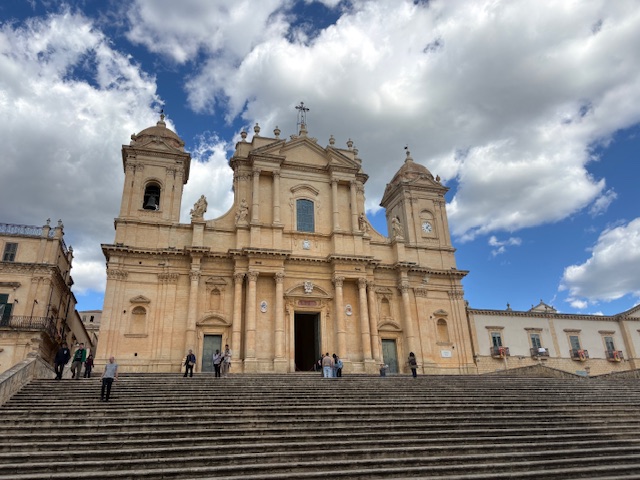
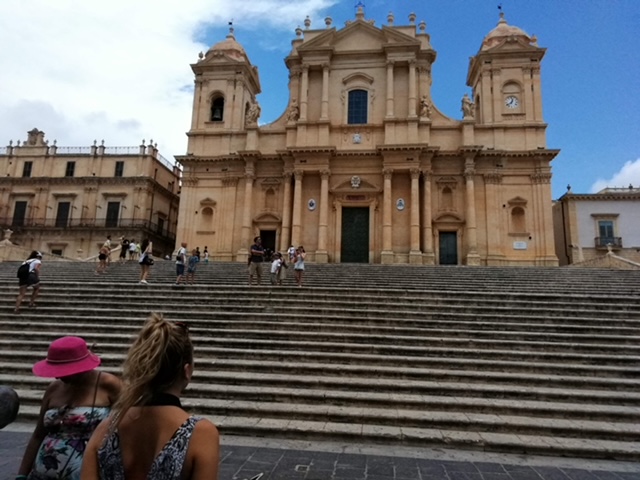
    The most iconic sight in Noto is Cattedrale di Noto, often just called the Duomo or Chiesa Madre (Mother Church). The wide staircase outside of the Duomo is great for pictures. Find lots of frescoes and gold carvings on the inside.

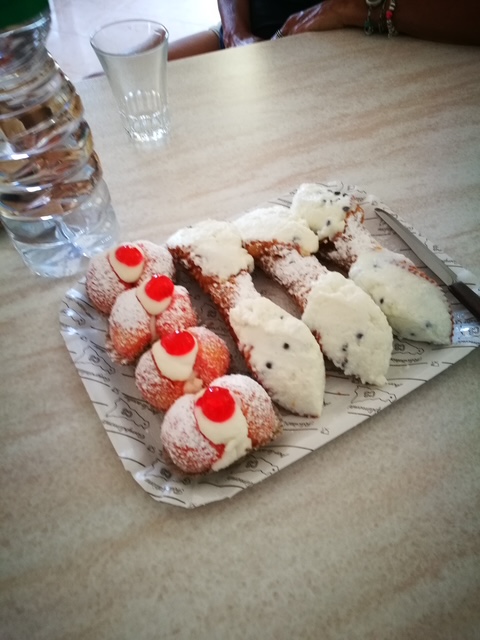
    Don’t forget to enjoy lots of food when you’re in Noto or anywhere in Sicily. Picture shared by Stefania Lampedecchia. (@Slampe78).

    Eat

    Sicily is known for an amazing food culture, just like the rest of Italy. So, it’s probably no surprise that one major item on your Noto to-do list is sampling lots of restaurants and types of food.

    As you enjoy the places below, keep in mind that Sicily grows a ton of fresh produce as well as items like almonds. Your next plate may feature tomatoes from nearby Pachino or blood oranges or almonds fresh from Sicilia.

    Here are some specific Noto food recommendations and remember–gelato is calorie-free in Italy :-).

    Ristorante Manna Noto, featuring Mediterranean food in a modern bistro style. “The dining experience was spectacular, from the service to the dishes,” says Brianna Buffo, who visited Noto in May 2025. She said one person in her group had celiac disease, and the restaurant was very accommodating.

    Trattoria Fontana d’Ercole, where visitor Azmi Anees had fresh pasta alla norma that featured fried egglant and ricotta.

    Caffe Sicilia, a well-known pastry shop in the area that’s been featured in an episode of “Chef’s Table” on Netflix. Enjoy almond pastries, cannoli, and much more, yum…

    –If you’re staying local and want a unique experience, Buffo recommends Via Delle Palme, a husband-and-wife chef team that will prepare a meal where you are staying. Buffo says the meal she enjoyed included fresh and seasonally harvested ingredients perfectly paired with wine–and homemade limoncello for the finale. She also said that the chefs, Buccio Cappello and Giuliana Pucci, were “kind, lovely people.”

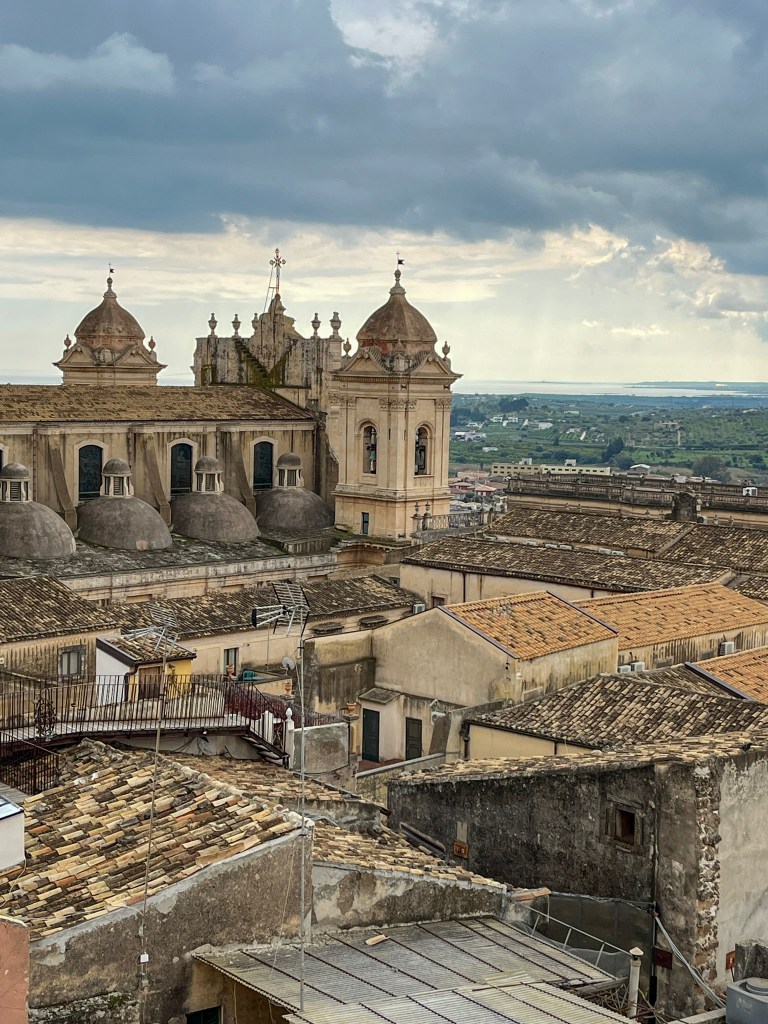
    The view from Chiesa di Montevergine. Picture shared by Chris Cavanaugh.

    Wander Around Noto

    Of course, if you’re on vacation in any town in Italy, you’ll do yourself a favor by wandering a bit and soaking up in the atmosphere. Although Noto has gained more tourists in recent years, it doesn’t have the hustle and bustle of a Florence, Rome, or Venice. Take advantage of that calmer feel to check out some of Noto’s top sights, including:

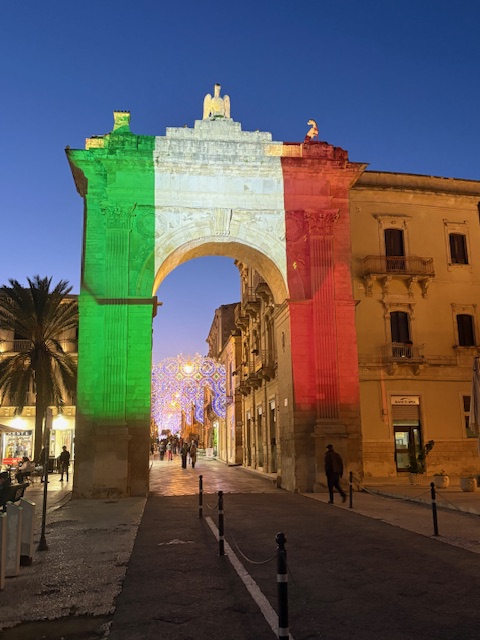
    –Porta Reale, or the Royal Gate

    –Palazzo Nicolaci

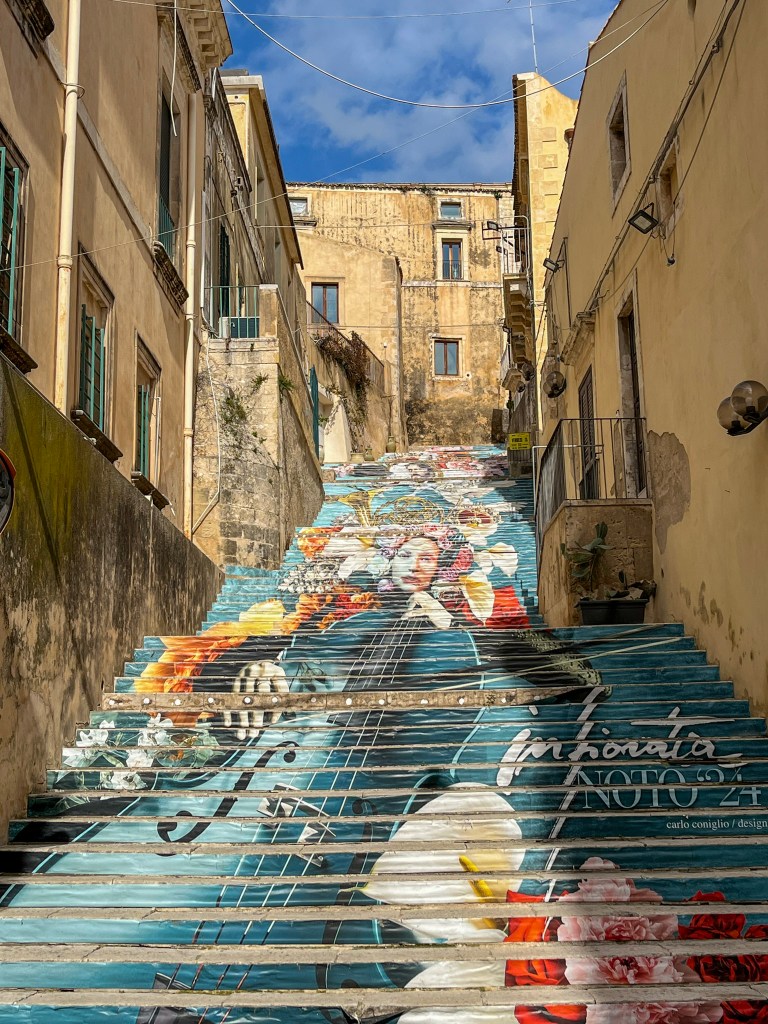
    –Street art. “I enjoyed wandering the city streets to look at the art on the stairs by artist Carlo Coniglio and others,” says Chris Cavanaugh, travel expert and founder of the online travel publication Spritzience.com. (Some of the pictures in this article were shared by Cavanaugh.)

    –Corso Vittorio Emanuele

    –Chiesa di Montevergine, where you can hike up a spiral staircase to the top of the bell tower for city views, Cavanaugh says.

    –Shopping! We found these two interesting articles (here and here) with several shopping recommendations in Noto.

    Street art on the stairs in Noto. Image shared by Chris Cavanaugh.

    Infiorata di Noto/Flower Festival

    If you’re in Noto in mid-May, you may be lucky enough to witness its annual flower festival with unique floral mosaics. Called the Infiorata, the festival takes place the third Sunday in May each year.

    “It was a beautiful sight and added another layer of fun and conversation as we strolled the city,” Buffo says.

    Noto Antica

    Check out Noto Antica, or ancient Noto, to see the ruins of the original town demolished by the 1693 earthquake. It’s about 20 minutes away from downtown Noto.

    Look at these cute boxes at Teatro Comunale Tina Di Lorenzo. Picture shared by Chris Cavanaugh.

    Teatro Comunale Tina Di Lorenzo

    Check out Teatro Comunale Tina Di Lorenzo for its marvelous boxes and a painted ceiling to admire, Cavanaugh of Spritzience recommends. The theater seats 308 and is used often for opera, concerts, ballet, and shows.

    Cantina Marilina

    Want to check out a local vineyard and winery? Cantina Marilina is a great, famiy-run option where you can enjoy lunch as well as vino.

    Kapuhala, a farm-based resort near downtown Noto.

    Kapuhala: A Unique Place to Stay

    You’ve got many choices of places to stay if you’re in Noto or southeast Sicily. One place we were told about while researching this article is Kapuhala, a family-run, eco-conscious resort in Noto that has a farm-to-table restaurant, a yoga studio, two vineyards, and olive trees. It’s considered agri-turismo, or a farm stay. It’s close to both Noto and Marzamemi.

    Noto views. Picture from Wikimedia Commons.

    Nearby Places to Visit from Noto

    OK, so you’re on the Noto train with us and ready to visit. Here are some other nearby destinations you may want to check out:

    Catania, which has lots to see and is home to a major airport (when you fly into Sicily, you’ll fly into Catania on its east coast or Palmero on its west coast)

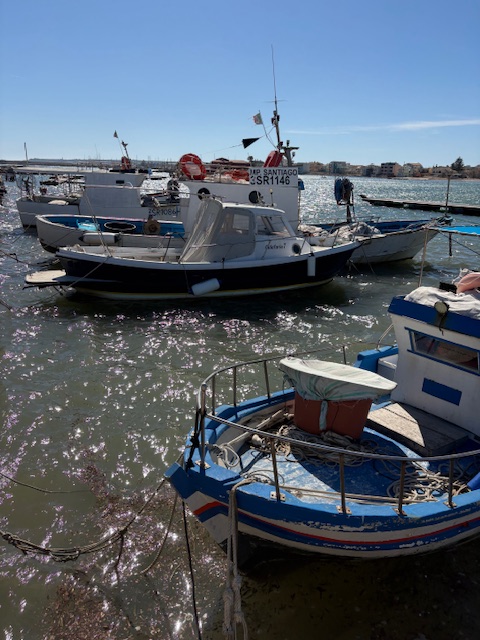
    Marzamemi, a small village where you can grab a bite to eat, shop a little, and discover the area’s tuna processing heritage

    Vendicari Nature Reserve, for peaceful nature, bird watching, and a beach experience (bring your own towels, snacks and other supplies)

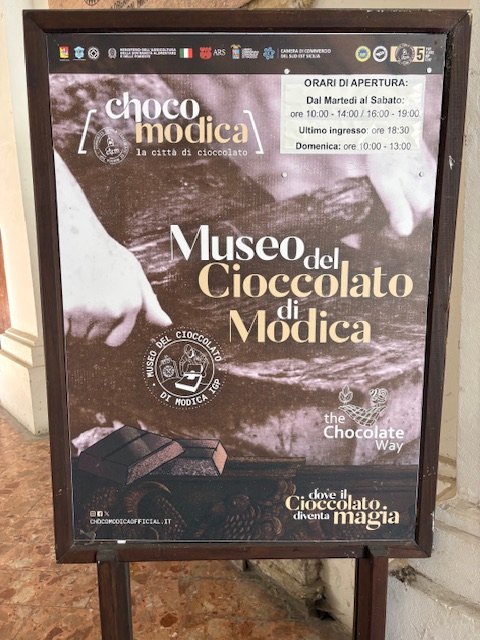
    Modica, a town also known for beautiful Baroque architecture and a chocolate museum (yum)

    Siracusa/Syracuse, popular for its history and scenery and includes the stunning island of Ortigia

    Ragusa, with more historical architecture and the Ragusa Archaeological Museum

    Buon viaggio!

  • Here’s Why to Visit Italy in the Winter and Off-Season

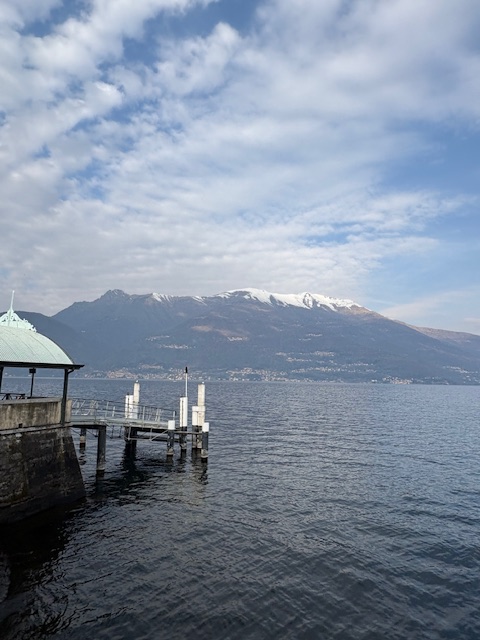
    Snowy mountains as seen from Lake Como, Italy, in early March. The winter can be a great time to visit Italy.

    Italy says “Buongiorno!” to about 70 million tourists this year (2025), with most arriving in the summer months. If you’ve been to Florence, Venice, or Rome that time of year, then you know what it feels like to have thousands of new friends who all want to visit the same places as you, right?

    If you’re an astute traveler, you may be asking yourself what it’s like to visit Italy other times of the year, such as in the winter or off-season. The good news: There are some real advantages if you’re willing to brave a little cold.

    Let’s take a look at why you should consider visiting Italy in the winter or off-season months. Then we’ll suggest a few choice destinations for those quieter months.

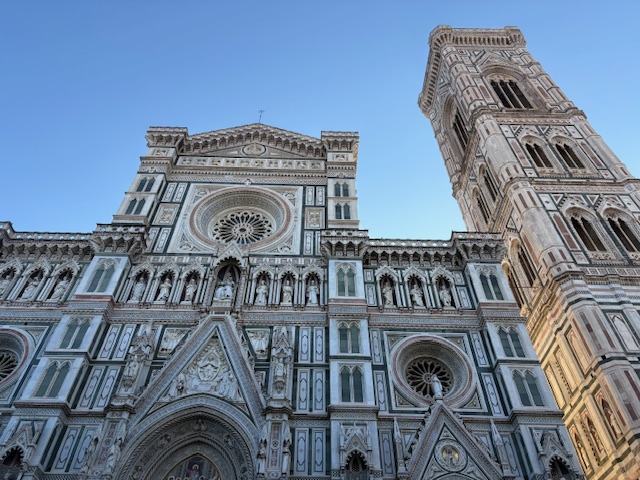
    Florence’s Duomo/Cathedral looks impressive any time of the year.

    Why to Visit Italy in the Winter or Off-Season

    You’ll have more destinations to yourself

    We’re not saying you’ll be the only tourist there, but most destinations will have fewer people. Enjoy the so-called la dolce vita with fewer visitors! It’ll make it a lot easier to book museums, hotels, etc.

    Enjoy cooler temps

    Let’s face it, Italy can get hot in the summer. Walking around Rome, Sicily, and even Milan in June, July, or August can get uncomfortable. Although many places have air conditioning, it’s not as chilly cold by default as in the U.S. The solution? Bring a coat, scarf, and gloves, and come in the winter!

    Plus, keep in mind that Italy has a diverse climate depending on where you go. For instance, Milan’s temps can average in the 40s (Fahrenheit) in the winter, compared with average temps in the 50s (Fahrenheit) in places like Puglia and Sicily.

    We visited Florence, Milan, and Lake Como in early March and got around most days with the requisite jacket and scarf. One day in Milan even reached near 70 and was sunny.

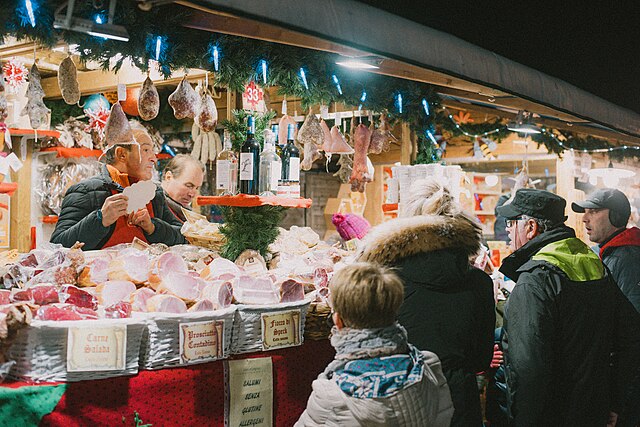
    A Christmas market in Trento, Italy. Picture from Wikimedia Commons.

    Christmas markets!

    Whether you’re familiar with European Christmas markets from previous in-person visits or just Hallmark movies, this shopping experience is a real pleasure. Find dozens of vendors with hand-crafted Christmas items that are perfect as unique gifts for others or souvenirs for yourself.

    Here are a few Italian areas famous for their Christmas markets, according to the tourism operator Discover Your Italy-FuorITinerario:

    –Trento in north Italy

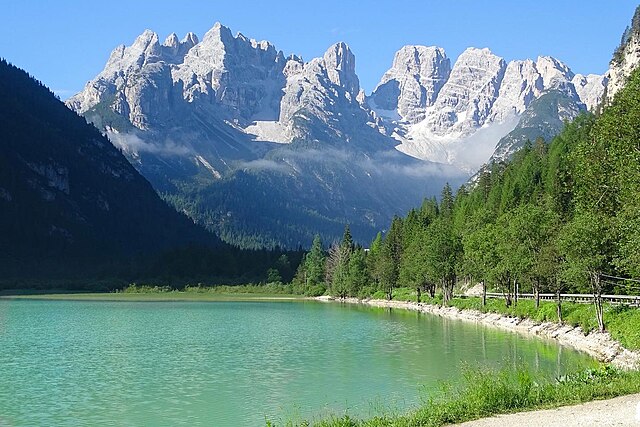
    –the Dolomites, a chain of mountains in north Italy

    –Florence, which features a German-style market

    –Arezzo in Tuscany, which takes on the feel of a Tyrolean village

    –Rome, where you can find a festive market feel in Piazza Navona

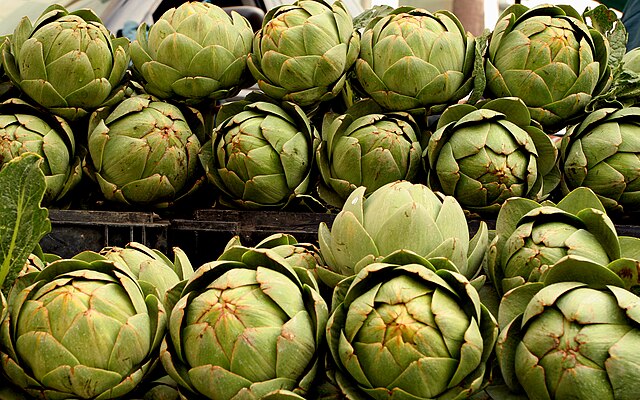
    Artichokes are one vegetable that some Italian residents enjoy more in the winter.

    You can try different types of foods

    It’s no secret that Italy is known for terrific food. With eating in Italy a hyper-local experience, it’s probably also not a surprise that food changes seasonally there based on what’s available at certain times of the year.

    So, the special dishes you may have in the summer could have a completely different feel in the winter or other times off-season. One Rome resident we spoke to sung the praises of artichoke dishes in the winter. Root vegetables like potatoes as well as greens are commonly in season in the winter, and citrus season in Sicily (like blood oranges and regular oranges) goes through the winter and spring–just like here in our home state of Florida.

    The Dolomites in northern Italy welcome visitors in the winter and year-round.

    Pursue winter sports

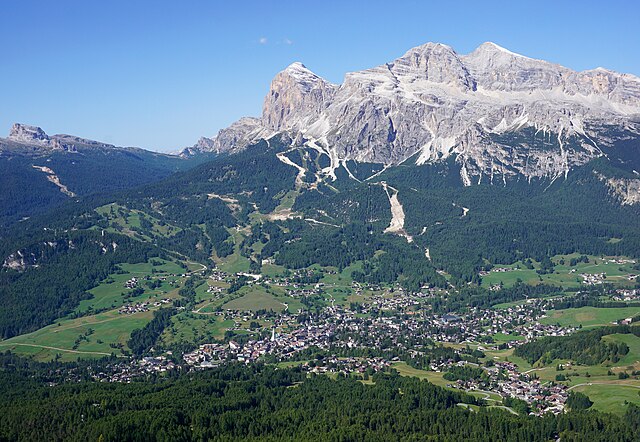
    If you’re into skiing, snoeshowing, ice skating, or other winter sports, then visiting Italy in the winter is an obvious choice. You’ve got your pick of mountainous destinations (see below). The Winter Olympics held in 2026 in and around Milan and the town of Cortina will further shine a spotlight on Italy as a winter destination.

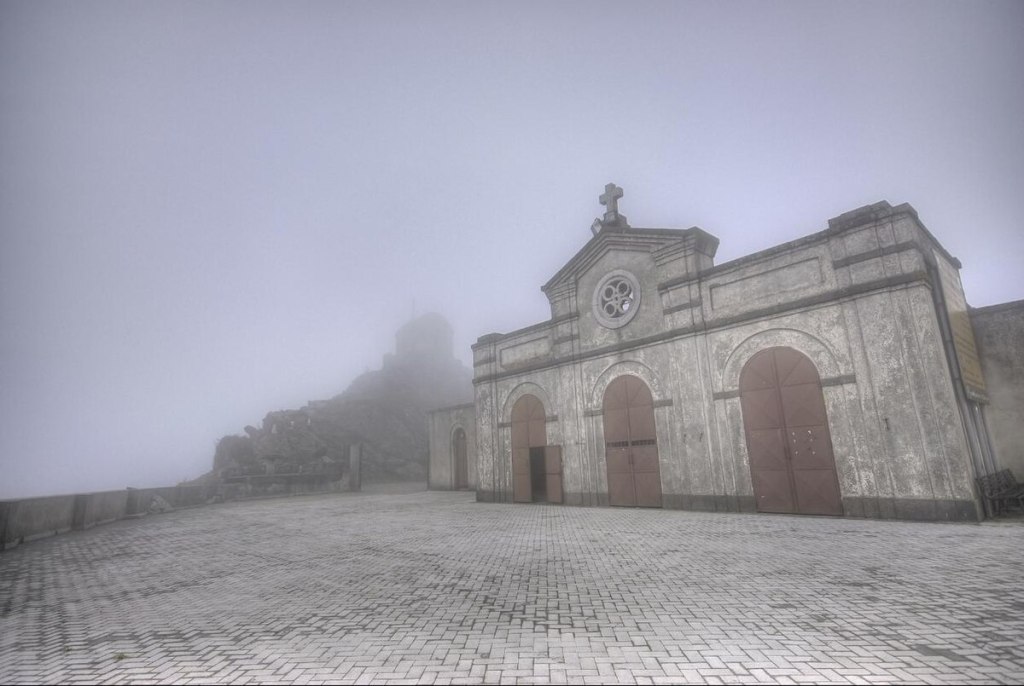
    You’ll need to find different angles for pictures in the winter and off-season in Italy. This picture, taken in Sicily, is from Wikimedia Commons.

    Get new perspectives for pics

    A view of Italy in the summer, with historic buildings drenched with sun and everything colorful? That’s low-hanging fruit. Yet how do make those same buildings look interesting on a rainy, cold day? If you’re into photography, visiting Italy in the winter can become a fun photographic challenge. If you’re creative enough without using filters on your phone, you can still have blockbuster pics from your trip.

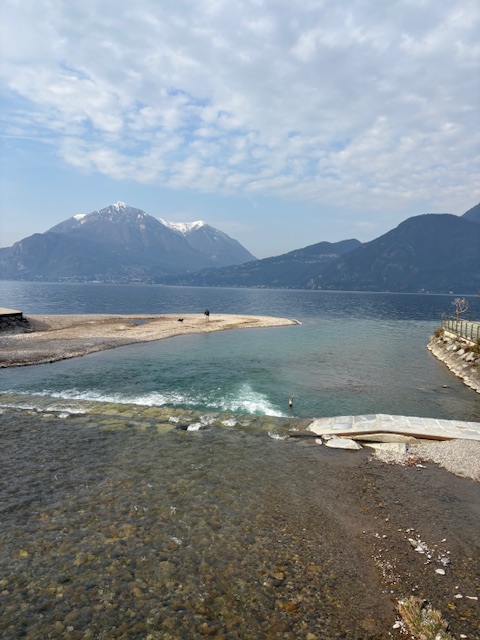
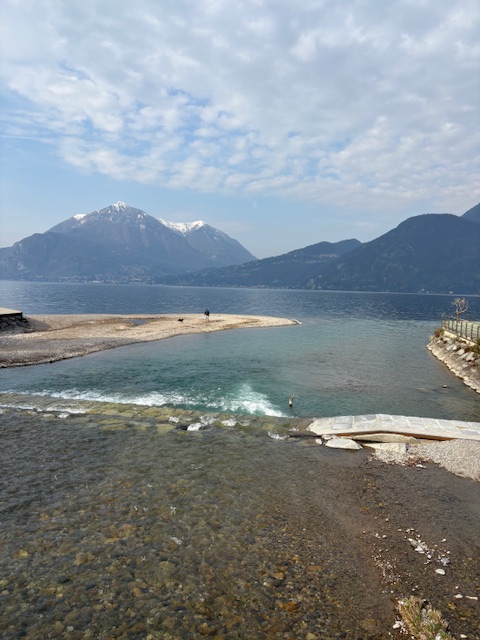
    Bellano, Italy, on Lake Como, in early March.

    6 Places to Visit in Italy in the Winter

    Here are six specific destinations to consider in Italy for the winter or off-season. Don’t be afraid to explore areas outside the typical big-city destinations.

    The Dolomites

    This mountain chain that spans several northern Italian regions can become your winter playground for sports or relaxing by a fire. With its close proximity to Austria, both Italian and German are commonly spoken here.

    Lake Como

    This famous destination in north Italy, just an hour by train from Milan, will lead you with charm through towns like Bellano and Bellagio. Hop on a train to traverse between towns. The ferry on the lake operates year-round although it’s on a reduced schedule in the winter. Find out more about day tripping around Lake Como with our articles here and here.

    Florence

    For the heart of Renaissance art and culture, you can’t go wrong with Florence. Find Christmas markets if you visit around the holidays, or find fewer crowds if you visit in the months thereafter. You’ve probably read enough about Florence elsewhere, so we’ll just share our article about eating in Florence, here.

    You also can find Christmas markets in Rome, Venice, and Naples. Naples is well-known for its living nativity scenes, or presepi.

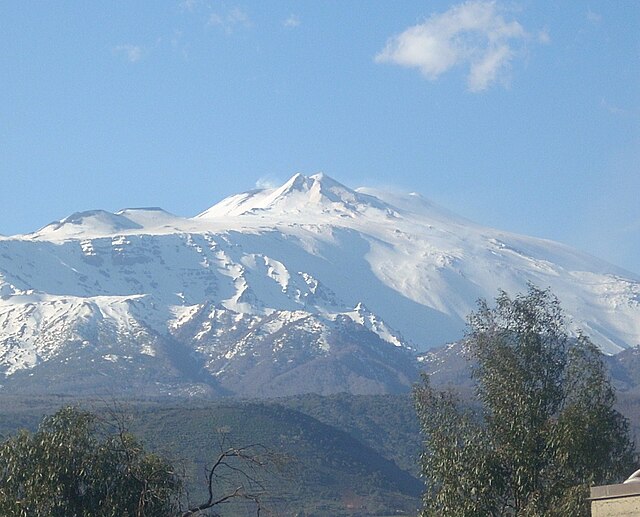
    Sicily’s Mount Etna in the winter.

    Sicily

    Sicilia in the winter? It’s definitely worth considering! Bigger cities like Palermo and Catania may have enough going on to keep you busy, but smaller resort towns like Cefalu may be pretty dead, according to the blog Adventurous Kate. Still, if you want some Sicilian culture and quieter views and don’t mind some potentially rainy weather, you still could have a great trip. Some people even go skiing on Mount Etna. Plus, you’ll find several winter festivals as well as Christmas markets.

    Cortona

    The town of Cortona in Tuscany (not to be confused with Cortina, the site of the Olympics) has medieval charm and wonderful artisan markets around Christmas, according to Discover Your Italy. You can even find a Floating Christmas Tree. “This area is perfect for travelers seeking a quieter, heartfelt experience rich in culture and tradition,” Discover Your Italy reports.

    Beautiful Bormio, Italy. Picture from Wikimedia Commons.

    Bormio and Vatellina

    Yet another recommendation from Discover Your Italy, find skiing and spas in the Alps-based towns of Bormio and Vatellina in Lombardy in north Italy. The towns combine famous ski slopes with Roman-era stone pools, hydrotherapy, salt rooms, and a UNESCO railway that takes you from Tirano into Switzerland.

    Buon viaggio!

  • Byways of Italy Brings You Closer to the Good Life in Italy

    Enjoy views of the Coliseum in Rome or any other sights you wish with a Byways of Italy tour. Picture shared by Jessica Caceres.

    If you’ve ever dreamed of getting to know Italy up close and personal but you’re not sure where to start, then the Rome-based company Byways of Italy is a great place to start.

    Byways of Italy is a tour operator and destination marketing company (DMC) that creates customized travel itineraries and provides experiences at Italy’s iconic destinations as well as lesser-known gems, says founder Manuela Mocci.

    The company began in 2021 in response to a growing demand from travelers looking to rediscover Italy after the COVID-19 pandemic. It focuses most frequently on cultural and food and wine experiences along with a commitment to conscious, responsible travel, Mocci says.

    Florence, Italy.

    What Makes Byways of Italy Different?

    Byways of Italy’s travel advisors work closely with clients to create a customized travel experience.

    “I would say that clients choose us because of the balanced mix in our proposals, combining the most well-known spots with off-the-radar day trips offered at the right pace, and the dedication we bring from the start,” Mocci says.

    The company’s typical client will be a couple or family that’s from Australia, the U.S., Canada, or Latin America. Although Byways doesn’t usually work with large groups, they make an exception for multigenerational families.

    “Our correspondence with clients sometimes lasts months or even over a year, allowing us to get to know their preferences, build trust, and carefully curate every detail of their journey,” Mocci explains.

    A view of Lake Como in northern Italy.

    Although travel options abound online, many people still want the value of working with local experts.

    “Younger travelers often want unique experiences that are hard to find online, and they don’t have much time to dedicate to planning,” Mocci says. “Older travelers can feel overwhelmed by the amount of information available on the web and are looking for someone they can trust to provide guidance and support when needed.”

    A classic view of Venice, Italy. Picture shared by Jessica Caceres.

    Where Can You Go With Byways of Italy?

    Instead of asking, “Where can you go with Byways of Italy?”, perhaps the better question to ask is, “Where do you want to go?”

    Do you want to take a relaxing bike ride along Lake Garda? Live the luxe life on a yacht cruise on Sardinia’s coastline and enjoy an onboard fish lunch? Or, do you just want to meander in the countryside of the region of Marche and sample authentic food and wine while you stay at a local agriturismo (a farm-based home that usually offers activities like tours or cooking classes)?

    All of this and more are possible with the help of Byways of Italy. That’s because it specializes in customized tours.

    “We add special touches to make each trip one-of-a-kind, especially for occasions such as honeymoons and anniversaries,” Mocci says.

    Mercato Centrale in Florence, italy.

    However, Byways also offers classic tours to help you get to know Italy better. Here are a few popular highlights:

    The 10-Day Italy Tour features Milan, Venice, Florence, and Rome. Activities you can enjoy include a guided tour of Milan’s Duomo (cathedral), a private boat tour on famous Lake Como, a sightseeing tour of Venice with a Venetian apertif, a visit to a glass factory in Murano, a guided tour of Florence’s famous art museums, and a walking tour of Rome’s main monuments. Of course, no classic Italy tour is complete without wine tasting in the Tuscan countryside!

    A Journey of Self-Discovering in Tuscia. Get off the beaten path for this 7-night/8-day tour in Tuscia, located in the Lazio region near the border with Umbria and Tuscany. This remote area helps you enjoy less crowded ancient Italian towns and connect with yourself and your loved ones. Take a guided tour of Tuscania, relish in the thermal baths in the town of Viterbo, spend a day at a family-run winery, and visit the Palazzo Farnese to take in its awe-inspiring frescoes.

    Northwest Sardinia. For something truly different, book yourself a Byways of Italy tour to Northwest Sardinia. Sardinia is an island off of Italy’s western coast and is one of Italy’s 20 regions. It has famous beaches but still has many parts that are less discovered compared with Italy’s bigger cites. This 10-day/9-night tour includes a visit to Alghero, which has a strong Catalan influence; a panoramic road trip to the colorful and historica town of Bosa, featuring the area’s vineyards; and a visit to the small village of Castelsardo.

    Some of the other tours via Byways of Italy include:

    –Milan and the lakes of North Italy

    –Sorrento and the Amalfi Coast

    –3 Days in the Tuscany Countryside

    –Procida, a fishing island in the Gulf of Naples

    Rome’s Coliseum. Picture shared by Jessica Caceres.

    Tips for Planning Your Trip to Italy

    As you plan your trip to Italy, there are some general travel tips you should follow, Mocci recommends:

    Begin to plan your trip 6 to 8 months in advance so you have more options and better prices.

    Keep a running list of useful information and points of interest about your destination, such as attractions, museums, bars/restaurants, streets, etc.

    Buy those museum tickets ahead of time. “During high season, tickets for the most famous museums sell out quickly and need
    to be booked in advance. This will help you save some time,” Mocci says.

    Double check schedules in advance. Some museums and cultural sites may be closed when you least expect it, especially in small towns or outside of peak season.

    Don’t overplan. “Leave space for unexpected discoveries and improvisation, and make sure to leave time to rest, enjoy a coffee in a nice bar, or take a leisurely walk through the center,” Mocci says.

    Mocci shares some final wise thoughts: “Travel isn’t about ticking
    boxes, it’s about finding experiences that feel meaningful to you,” Mocci says. “What one traveler enjoys might not suit another, and that’s what makes every trip personal.”

    To contact Byways of Italy about your Italian trip, find them online at BywaysofItaly.com. You can also message them through the following contact form on their website.

    Beautiful Bellagio in Lake Como, Italy.

  • Here’s What It’s Like to Bike Nearly 1,000 Miles Through Italy

    Viewing Italy’s scenery by bike, including the Leaning Tower of Pisa in Pisa.

    Imagine gliding your way through Italy’s smaller, quieter towns by bike, avoiding the hustle and bustle of packed cities. You get to enjoy fresh air, bellissimi panorami (beautiful views), and local cuisine.

    That’s exactly what two residents of northern Italy did in summer 2025. Read on to find out what type of planning this special trip took, what were some of the highlights, and how seeing Italy by bike made them appreciate their country even more.

    Fabio B. (left) and Ernesto G. (right) of northern Italy, on their summer 2025 bike ride through Italy.

    Ernesto G. and Fabio B., both of Brescia, Italy, are long-time bikers. After taking a successful long-distance bike trip in 2023 (843 miles/1,357 kilometers and 16,000 meters of elevation) throughout Italia, they enjoyed it so much that they set their sights on a new trip that covered 976 miles/1,571 kilometers and 18,000 meters of elevation.

    These guys aren’t just weekend warriors. They brought athleticism to their trips, with Ernesto swimming competitively in the past and also doing trail running, ski mountaineering, and climbing as well as other long-distance bike trips in the past.

    “Cycling is my favorite exercise,” Ernesto says. “I have a strong desire to explore new places, and doing it by bike makes me feel alive and happy.”

    That sense of wanderlust is also what led him to pursue the recent long distance bike trips through his home country. He says he loves geography and wants to get to know as many places as possible.

    An early morning view during a bike ride through Italy.

    Of course, planning a bike trip that would take Ernesto and Fabio from the town of Bagnolo Mella near their hometown of Brescia all the way to Lecce in south Italy is not something they could just wake up and do spontaneously. Ernesto says that trip planning involved the use of Google Maps, Google Street View, Basecamp, and various other online tools to create a route. Using those apps, he could target roads that are better and safer for bikers.

    The pair planned in advance to leave nothing to chance and to enjoy overnight stays with showers and comfortable beds. “Cycle tourism is also practiced by those who don’t plan anything in advance, sleeping in tents without a daily destination but only a route to follow,” he says. That wasn’t their plan, but it may work for others. “You have to experience cycle tourism according to your own personality,” he says.

    In his newest trip, he and Fabio wanted to go straight toward south Italy and reach some specific destinations, including new cities, mountains, and valleys they did not visit before. Most of the time they planned to avoid big cities, although they weren’t completely off the planning table.

    Starting the Trip

    The trip took about two weeks, with an average of 104 kilometers/65 miles each day. Although they initially biked longer distances, they eventually reduced that amount due to elevation gains.

    The bike ride took them through towns that were charming and quaint like much of Italy, but much less crowded.

    Enjoying the scenery, usually at a relaxed pace, was a highlight of the bike ride.

    “We stopped to enjoy the views many times to photograph landscapes and towns,” Ernesto says.

    Since the trip was during the summer, the heat was a challenge. Sometimes the temperature would reach the mid-30s Celsius or near 100 Fahrenheit. They would often leave their overnight stay in the wee hours of the morning to get ahead of the heat. “There was a strong heat in Italy during those days, but luckily it was too hot just the first day and on the coast,” he says.

    On the type of route they followed, encounters with stray dogs also were a potential threat. However, they only saw them in two or three places.

    The bike trip took Ernesto and Fabio through some famous Italian destinations, including Pisa with its Leaning Tower of Pisa; Matera, known as the oldest city in Italy; and Alberobello, which has a series of homes called trulli, with domed roofs that date back to the mid-14th century. Both Matera and Alberobello are UNESCO World Heritage sites.

    When the tiring but exhilarating trip was over, Fabio and Ernesto returned home by train.

    A nighttime view of Matera, Italy’s oldest city.

    Reflecting on the Journey

    One surprising point for Ernesto was the diversity of dialects he found in their home country. “I was impressed at how dialects drastically change in just a few kilometers,” he says.

    Although Italian is the main language of Italy, the country actually has several dozen recognized languages and dialects. Ask any Italian you meet, and they most likely know both Italian and another language or dialect (or at least a few words of it) they’ve used in their hometown and with family members.

    There were also several towns among their favorites:

    Berceto, in the Emilia Romagna region, located in the Apennine Mountains. “It’s a little old town in the mountains with beautiful views and fresh, clean air,” Ernesto says.

    Castiglione della Pescaia, in the region of Tuscany on the coast. The town has a medieval castle to visit, narrow streets, and sea views.

    Lecce in the Puglia region, with its Baroque style, Roman Amphitheater, Cathedral, Bell Tower, and more. “All places definitely worth a visit,” Ernesto says.

    Pitigliano in the Tuscany region. This medieval-style town was built on volcanic tuff and has well-kept alleys and squares as well as a Roman aqueduct fountain.

    Barrea in the Abruzzo region, located on Lake Barrea. “Its mountains, old town, castle, and narrow streets make it a must-see,” Ernesto says

    More long-distance bike trips are slated for the future, Ernesto says. The next trip is planned for Italy’s Dolomites region in north Italy, with future trips in south Italy, including the regions of Campania, Calabria, and Sicily.

    “Traveling by bike makes me feel so good,” he says. “It gives me freedom. I think I’ll always travel by bike because I’m basically an explorer.”

    Advice for Future Bikers

    If you are thinking of a long-distance bike trip in Italy or elsewhere, Ernesto shares some advice:

    1. Start with shorter trips to get used to the pace of longer distance rides.
    2. Train for at least five to six months before your departure.
    3. Learn how to create routes and not just blindly rely on navigation apps. “Study maps and check roads on Google Street View,” he advises.
    4. Pack lightly.
    5. Invest in a good navigation advice; one pick he likes is the Garmin Edge 1040, which is a GPS created for biking.
    The trulli, famous dwellings in Alberobello.

  • 12 Facts About Italian Food in Italy That May Surprise You

    An amazing pesto pasta dish in Florence, Italy.

    Many people outside of Italy looooovvvveee Italian food, including here at Italy Dreams. Our favorite food was pizza growing up–OK, so maybe it was Pizza Hut pizza, which would make real Italians shudder (hey, we were in the D.C. suburbs, not New York or New Jersey!). And pasta and risotto dishes are a regular part of the meal rotation at Casa di Italy Dreams.

    In any case, traveling to Italy is eye-opening when it comes to Italian food, as you start to learn what cibo Italiano (Italian food) actually is versus Italian-American food.

    We gleaned many of these tips during a 2025 visit to Italy, while others were discovered online. And we’d be happy to continue the food conversation in the future.

    You’re welcome for the yummy food pictures throughout. 🙂

    Mercato Centrale (Central Market) in Florence, Italy.

    The Big Picture

    1. Italian food differs drastically by region.

    When we say “Italian food,” we’re making a huge generalization. That’s because Italian food can differ drastically by region. Italy has 20 different regions, each with its own distinct food, wine, cheese, bread and desserts. Heck, food can sometimes even differ by town. Pizza and pasta may be popular throughout the country, but there are even variations there. Risotto, for example, is an Arborio rice-based dish popular in northern Italy. Couscous is famous in the island region of Sicily (see tip 12).

    We’ve found the book “Rick Steves Italy for Food Lovers,” by Rick Steves and Fred Plotkin, to be particularly useful in understanding different regional foods. You’ll discover where cannoli originally are from (Sicily), where cinghiale (wild boar) is most common (Tuscany), and lots more.

    2. Eating local is a way of life.

    In the U.S., we like to tout that we’re eating local if we’re eating a dish with produce grown within our state or region. In Italy, eating local takes on a whole different meaning. The whole meal may come from the town where you’re eating the meal. The person preparing the meal may have even picked the produce or helped raise the chickens. It’s no wonder that Italian cuisine is known to be so yummy, with such fresh and in-season ingredients.

    A crossaint and an espresso is a typical Italian breakfast option.

    Eating Breakfast/Colazione

    3. Breakfast is light.

    Let’s face it, Italians as a whole stay slim for all the food that they eat. One secret may be that they keep their breakfast, or colazione, light. Un cornetto e un espresso–or a crossiant and an espresso–is a common Italian breakfast. Some may add yogurt or fruit as well.

    4. A latte will get you milk, not coffee.

    The word latte means milk in Italian. For Starbucks fans like us, latte means something different, right? It’s what you order when you want a coffee-and-milk combo. So, don’t walk into an Italian food establishment or bar and ask for a latte unless you want just milk. And you may want to study other phrases for ordering coffee, as saying the wrong phrase could lead you to an alcohol-infused drink (which, hey, you may still enjoy).

    Breakfast pastries at a shop in one of Milan’s train stations.

    5. Italians don’t nurse a coffee all day.

    Like many Americans, we at Italy Dreams find it comforting to nurse our coffee for awhile, like it’s a baby that needs affection. Italians–not so much. Those espressos are small and meant to be consumed rapidly. Keep in mind that they also pack a caffeine punch. So, what they lose in “coffee nursing” time, they still make up for with a caffeine jolt.

    We hear that Italians drink beer when they have pizza–but this combo of pizza and vino was still a delight.

    Pizza & Pasta

    6. Italians eat a lot of pasta.

    This fact may not be too surprising. After all, pasta is perhaps Italy’s best-known food. However, did you know that the average Italian eats 50 pounds of pasta (23 kilograms) a year? That compares to 20 pounds a year in the U.S. on average per person–which is still a heck of a lot of pasta.

    The cool thing is that Italians have so many different ways to prepare pasta–and so many different types. Just go to a supermarket or other market of choice while you’re there to see what we mean.

    7. Italians like their pasta al dente–and they eat it with a fork.

    Al dente means “to the tooth.” The end result is pasta that’s still a little firm when eaten. Overcooked pasta is not common. And don’t cut your pasta with a fork and knife! They will use a fork to eat their pasta, thankyouverymuch.

    One quick kind-of-related story: We once taught English to a group of Italians here in the U.S. and mentioned that we put olive oil in the water as we cooked pasta. The look of horror on their faces could have stopped a ghost. We learned that day that salt goes in the water to cook pasta, and the olive oil goes on the pasta afterwards.

    8. Don’t look for pepperoni pizza or Hawaiian pizza in Italy.

    Italians in Italy aren’t seeking out pineapple on their pizza. They also aren’t fans of pepperoni pizza like we are here in the U.S. However, you can get peperoni pizza (notice only one “p”), which will get you a pizza with bell peppers. You also can get pizza diavola, or Devil’s Pizza, which uses spicy salami that resembles pepperoni as we know it.

    9. You’re not at Olive Garden anymore, Toto, so there’s no dipping bread in oil and vinegar.

    You may get bread with your Italian meal, but Italians commonly use it to dip into the sauce and oil leftover from the pasta or other dish they’ve eaten. This practice is called fare la scarpetta, which means to make a little shoe. Cute.

    There’s not usually garlic bread either. Sorry.

    A pasta dish in Florence, Italy.

    10. You also won’t find spaghetti with meatballs.

    However, you can order meatballs as a separate dish called polpette.

    Gelato outside Santa Maria Novella in Florence. Yummm……

    Miscellaneous

    11. Gelato isn’t the same as ice cream.

    There’s a lot of gelato around Italy, and for good reason. It’s soooooo good. But it’s not the same as ice cream. Gelato is actually made with more milk than regular ice cream and doesn’t include eggs. It’s also denser. Make sure to look for gelato that has more natural colors versus bright colors (which could mean that the gelato was dyed).

    12. There’s a Couscous Fest in Italy that you might want to attend.

    When you think of couscous, you think of the Middle East, right? Yet couscous is actually a specialty in Sicily (among its many food specialties). There’s a Cous Cous Fest each year in Palermo, Sicily, each year attracting more than 200,000 visitors. It also brings in musical guests and has become a huge celebration.

    Hungry yet?

    Gelato as seen in a shop in Florence, Italy.

  • Here’s How Sicily Is Different From the Rest of Italy–in the Best Ways Possible

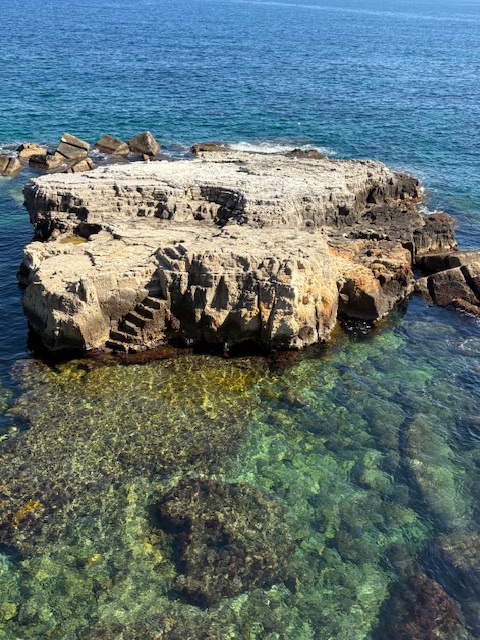
    Sea views in Sicily. Picture shared by Stefania Lampedecchia. (@Slampe78).

    Sicily, or Sicilia as it’s called in Italian, is the soccer ball-shaped southern island of Italy. Tourism to Sicily has increased in recent years, In fact, the island welcomed 5.5 million tourists in 2023, which was a 14.5% increase from 2022, according to this Reuters article. For comparison, the island’s total population is 4.8 million.

    Italy is already well known for attracting visitors for its history, architecture, food (oh, the food), scenic views, and people. Still, just what is it that draws more and more visitors to Sicily? And how does it compare to visiting other parts of Italy? Italy Dreams wanted to explore these questions a little further to help give you guidance for your next trip planning to Sicily. Andiamo!

    The town of Noto in Sicily. PIcture shared by Stefania Lampedecchia. (@Slampe78).
    1. Sicily blends together an amazing mix of cultures.

    Over time, Sicily was conquered by a massive mix of civilizations, including the Arabs, Greeks, Normans, Romans, the Spanish, and more.

    “The result is a fascinating Mediterranean mosaic, a cultural ‘cocktail’ that is worth the journey,” says Daniele Panzarin, CEO of the Venice-based destination marketing company (DMC) Target Travel, which specializes in tailored and luxury travel experiences around Italy.

    So, you’ll see this blend of cultures in Greek ruins in places like the Temple of Segesta, the Middle Eastern couscous dishes found around the island but especially in Trapani, and more. And Italian influences? Yes! There are many of those, too, of course. Yet you’ll often find people from Sicily identify first as Sicilian because of their unique history and heritage.

    Marzamemi, a coastal town in eastern Sicily.

    2. You’ve got all types of geography in a relatively small space.

    Whether you want mountains or lovely beaches, small towns or bigger cities, you can find it in Sicily. For good measure, there’s a volcano thrown in there as well–the famous Mount Etna. “Locals simply call it ‘a Muntagna,’ or ‘the Mountain,’” Panzarin says. “It’s the island’s symbol, its heartbeat and soul, ever-present in the lives of Sicilians.”

    You may be able to find this blend in other Italian regions, but it’s often surprising to people that so much geographical diversity is available in a relatively small space. If you were to drive straight through from east to west, it would take you about 3 ½ hours or north to south in 2 ½ hours, for context.

    “Compared to other regions, Sicily really offers everything: culture, great food, ancient history, beautiful natural landscapes, the sea, and volcanoes,” says Manuela Mocci, operator of Byways of Italy, a Rome-based DMC that creates customized Italy travel itineraries. Plus, friendly people, she adds.

    Arrive hungry! The food experience in Sicily is world-famous.

    3. The food experience is off the charts.

    Let’s be fair. The food experience anywhere in Italy will likely be off-the-charts delicious. This may not be that different from elsewhere in Italy, but the quantity and quality in Sicily can still be a shock.

    “You can eat delicious food all over Italy, but in Sicily the portions are huge, and the variety is just as impressive,” Mocci says. We won’t judge if you choose to eat a huge portion!

    There’s also a major connection to eating local. “Sicilian cuisine is a celebration of authenticity and deep ties to the land,” Panzarin says. “It’s always been a zero-kilometer cuisine, and often even less. Many trattorias and restaurants cook with produce from their own gardens or from local farmers.”

    Here are just some of the Sicilian foods you can try (we’ll explore these in more detail in a future article):

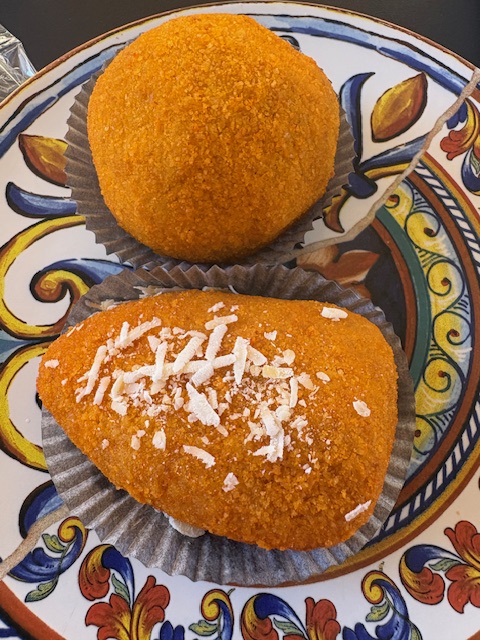
    • Arancine, or rice balls
    • Sfincione, a thick and spongy pizza often served as street food
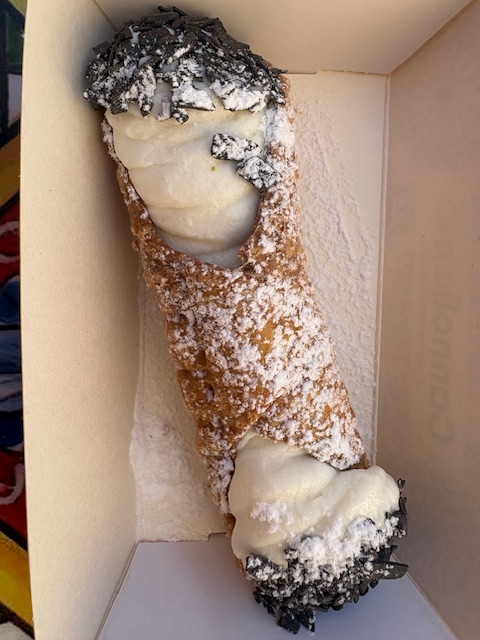
    • Cannoli, the famous dessert item stuffed with fresh ricotta and topped with chocolate chips or pistachio (heaven help us, those must be so good)
    • Marsala dessert wine (Sicily has many wineries for various types of wine)
    • Pistachios, which are grown near Mount Etna
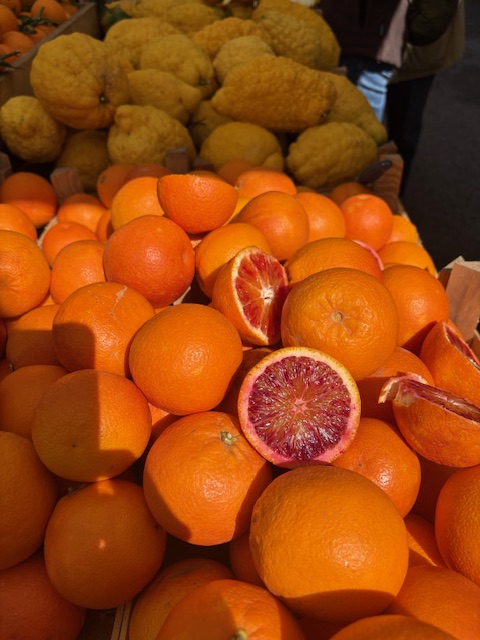
    • Blood oranges
    • Granita, a shaved ice dessert that’s sometimes also eaten for breakfast in the summer
    • Couscous alla Trapense (a couscous dish)
    • Pasta con le sarde, or pasta with sardines and fennel (as you may imagine, there are many fish and seafood dishes here)
    • Pasta alla norma, a pasta with tomato sauce and fried eggplant
    • All sorts of sweet treats with funny names, just too numerous to list here

    Hungry yet? We are!

    Street food is well-known in Sicily. “It’s an authentic, affordable, and delicious way to experience Sicilian flavors, much more common than in many Italian regions,” Mocci says.

    Faro di Punta Secca/Lighthouse of Punta Secca, Sicily. Shared by Stefania Lampedecchia.

    4. There are lots of smaller islands that you can explore.

    When you think of Sicily, you probably think of the main island. Yet did you know that there are several islands that you can visit? They include the Aeolian Islands (made of seven islands, each with its own unique character), Ustica, the Egadi Islands, the Pelagie Islands, and Pantelleria. These islands are accessible by boat or ferry with varying distances from Sicily. For instance, Ustica is 60 kilometers from Palermo (on Sicily’s west coast), while Pantelleria is a six-hour ferry ride from Trapani. If you want a more remote experience, consider checking out one of these islands.

    Modica, Sicily. Picture shared by Target Travel.

    Tips for Your Sicily Visit

    Now that you know more about Sicily and perhaps you’re searching online for flights there, we wanted to share a few tips for trip planning. Here are a few suggestions to ensure you’ll have a great trip to Sicily:

    • Consider joining a tour. Although Sicily is safe and you can explore it on your own, there’s something to be said about relying on expert guidance. “A thoughtfully planned itinerary or a local guide allows you to experience its soul through art, history, and cuisine,” Panzarin says. Doing a tour also can save you planning time, if you don’t have the time or patience to map out an itinerary for yourself and your travel companions.
    • Think about weather. Just like anywhere in the world, weather is a factor for your visit. Most agree that the best times to visit are mid-September, October, and the spring months. July and August can be tough because of how hot it gets. However, this doesn’t mean you should rule out a winter visit. “Traveling from November to March can still be a good option because prices are lower, there are fewer crowds, and the weather is still mild,” Mocci says. Just find out the schedule in advance of any must-see destinations, as sites often have fewer hours in off-season.
    • Consider renting a car outside of the cities. Highway driving in Sicily is usually easy, so it’s common for visitors to rent a car and explore more. However, travel experts often advise against renting a car when in bigger cities like Palermo and Catania as driving there can be chaotic. Driving also can be a challenge in some mountainous areas with hairpin turns. You can use trains or buses to some extent in Sicily, but options may be limited compared with other Italian regions. A private drive is another option, although it will cost more.
    • Learn a little bit of Italiano. This is always helpful when traveling in Italy for obvious reasons. Yet compared to big cities like Florence, Rome, or Venice, knowing a little Italian can be even more helpful. In some Sicilian small towns, English may be less common. “Locals will appreciate the effort, and small towns are amazing,” Mocci says. The Sicilian language is also widely spoken in Sicily; it has its own distinct grammar and pronunciation from Italian.
    • Consider using guidebooks in addition to online videos and articles for Sicily info. Rick Steves Sicily and the Lonely Planet Sicily guide are particularly useful.
    • Have fun! “People are generally more open, friendly, and curious towards visitors,” Mocci says. “This attitude is very present, most locals are welcoming, helpful, and generally interested in others.”

    In future articles, we’ll share more details about Sicily’s specific destinations and, of course, the food. Ci vediamo in Sicilia/see you in Sicily!

    Donnafugata Cellars in Marsala, Sicily. Picture shared by Target Travel.

  • Here Are 5 Places Where Italians Go on Vacation in Italy

    Beautiful Matera in the Basilicata region of south Italy. It’s one of the oldest continuously occupied cities of the world.

    Did you know that 70% of tourists to Italy go to just 1% of the country–namely, Florence, Rome, and Venice? Of course, these cities have a wealth of history, food, and culture (we even shared some foodie facts from our Florence visit in this post).

    Yet let’s face it, getting stuck in the heat and crowds is NOT fun.

    So, in the spirit of Italy Dreams’ mission, we share here five destinations in Italy that are popular among Italians themselves. That’s not to say you won’t find other U.S., British, or other foreign tourists in these beautiful places–but there will be far fewer compared to places like Florence, Rome and Venice.

    Andiamo! Let’s go!

    A nighttime view of the historic town of Matera, Italy.

    Matera

    If you like history, the town of Matera will take you in the way back machine–as in waaaaaayyyyy back. It’s the oldest city in Europe, and one of the oldest continuously inhabited areas of the world–we’re talking history that goes back to 7500 B.C. The 2004 movie “The Passion of the Christ” used Matera as a backdrop.

    This history and the city’s unique look naturally drives visitors to this Southern Italian town, located in the region of Basilicata. Matera is about 2 hours from Naples, depending on how you get there.

    Here are just some of the things that native Italian visitors do in Matera–and that you can do, too:

    Visit the Sassi di Matera, or stones of Matera, which are declared a UNESCO World Heritage Site. This is an ancient settlement area with alleyways, caves (providing great views of the town itself), gardens, and tunnels.

    Check out The Bread Museum (I Segreti del Pane di Matera). Discover what makes bread from Matera so special and how it ties into the area’s history. It will make you hungry–good thing you’re in Italy!

    Get a stunning view of Matera’s caves from the Pascoli Square Belvedere (Pascoli Square Belvedere). Named for the 19th-century Matera poet Giuseppe Pascoli, you’ll find a balcony that provides a lovely view of the Matero Cathedral, Civita Caves, and part of the stone districts of Matera.

    A beautiful beach in Sardinia, Italy.

    Sardinia

    We’re sure you’ve heard of Sicily, but have you heard of Sardinia? Think of this island region of Italy as Sicily’s wilder sister. It’s located in the Mediterranean Sea, south of the French island of Corsica and west of Italy’s mainland.

    Sardinia is the second largest island in the Mediterranean, second only to Sicily, and has a population of 1.7 million. That may sound like a lot, but it’s actually one of the most sparsely populated regions of Italy.

    Life’s just a little different in Sardinia, Italy.

    So, just what can you do in Sardinia? Here’s the scoop:

    Eat a lot of Pecorino cheese. Despite its many kilometers/miles of coastline, Sardinia is actually better known for sheep farming than it is for fishing. All of that sheep farming leads to a lot of Pecorino cheese, made from sheep. Other foods you might enjoy in Sardinia include malloreddus, a type of Sardinian gnocchi; pane carasau, a crispy bread; and seadas, a fried pastry with cheese and honey.

    Go to the beach. With about 1,200 miles (yes!) of coastline, Sardinia is a natural choice if you consider yourself a beachgoer. Spiaggia di Maria Pia (hailed as a family-friendly choice), Golfo di Orosei (with gorgeous coves), and Spiaggia della Pelosa are just a few possible choices.

    Take a wine tasting tour in Sardinia. After all, wine is just one factor in what makes Sardinia one of the Blue Zone areas of the world–areas with longer longevity and good health. In Sardinia, that’s due to a healthy diet, physical activity that’s a part of daily life, social connections, and of course, some vino.

    A stunning beach on Isola d’Elba/Elba Island.

    Isola d’Elba

    This beautiful-sounding name translates to Elba Island in English. It’s located off the coast of the Tuscany region, which is already well-known for wine, Florence, and Pisa. Visitors typically get there by taking a ferry from the town of Piombino (about an hour, depending on where you’re going on the island).

    Isola d’Elba is a great choice if you want a quiet destination with history, says Alessandro N. of Brescia, Italy, who was there earlier this year (he also provided the island photos with this article and the photos of Sardinia). He says the mix of history along with natural landscape made it a laidback destination.

    The town of Portoferraio on Isola d’Elba.

    Here are some other things you can do in Isola d’Elba:

    Follow Napoleon’s footsteps on the island. Napoleon was exiled to Isola d’Elba for 9 months in 1814, but he left a big mark on the island. Visit the Mercy and Napoleon Relics Museum and the Villa Dei Mulini, for instance–the latter of which was his primary residence while spending time there.

    Take a bike ride, buy yourself some bread and fresh fruit, and check out a few of the seaside towns. This lovely-sounding plan is recommended by the website Italy Segreta (Italy Secret), in its article “A Local’s Guide to Elba Island.” You may want to check out their site for a few more tips.

    San Vito Lo Capo in Sicily, Italy (picture used from Wikimedia Commons).

    San Vito Lo Capo

    Sicily has many idyllic beach areas, but one local favorite is San Vito Lo Capo. Located about 2 hours from Palermo, San Vito Lo Capo features stunning beaches and lots of nature. We read that it gets busy in the summer, so we’re not billing it as a complete escape from tourism (including in August, when many Italians take off for a few weeks). However, a little bit of crowding may be worth the visit.

    A chess match in San Vito Lo Capo, Sicily (picture taken from Wikimedia Commons).

    Here are just some of the things you can do in San Vito Lo Capo in Sicily:

    Take part in all types of water activities, like boating, snorkeling, or, of course, just lounging on the beach.

    Indulge in typical Sicilian dishes. One cool thing about Sicily is that it blends together different cultural influences from around the world. This is especially clear in its food, where you can enjoy dishes like couscous, tuna, and caldo freddo (a type of Sicilian ice cream) during your visit.

    Visit the San Vito Sanctuary, a monument and symbol of the town The site WeArePalermo provides more background about the sanctuary’s history–and a well-written, amusing guide to San Vito Lo Capo.

    Seaside views at San Benedetto del Tronto, Italy.

    San Benedetto del Tronto

    If you want a mix of seaside views, seaside cuisine, and an artsy feel, your next destination should be the underrated San Benedetto del Tronto, located in the Italian region of Marche on the country’s eastern coast.

    Find this and other sculptures and artwork in San Benedetto del Tronto, Italy.

    Here are a few things to do when you’re in SBT:

    Visit the Museum of Art on the Sea (Museo del Mare), an open-air museum on the pier with sculptures and paintings. Take pics, and talk with your travel partners about which artworks are your faves.

    Explore the boardwalk by foot or bike. It’s nearly 6 kilometers (nearly 3.7 miles), so you’ll have plenty to see and do.

    Enjoy a meal! San Benedetto del Tronto has some great seafood, according to Verena, a resident of Val Badia, Italy. She was in SBT recently and recommends the Brodetto alla sambenedettese, a type of fish stew that’s typical of the region. (Verena also provided the photos we’re sharing of San Benedetto del Tronto).

    For any of these places, do your homework in advance. These towns and regions may not be bombarded with tourists like the big cities, but they can still get busy, especially in the summer. Check online for best times to visit and any other tips.

    Buon viaggio!