Tag: travel-tips

  • Here’s What It’s Like to Visit Sicily’s Marzamemi and Vendicari Nature Reserve

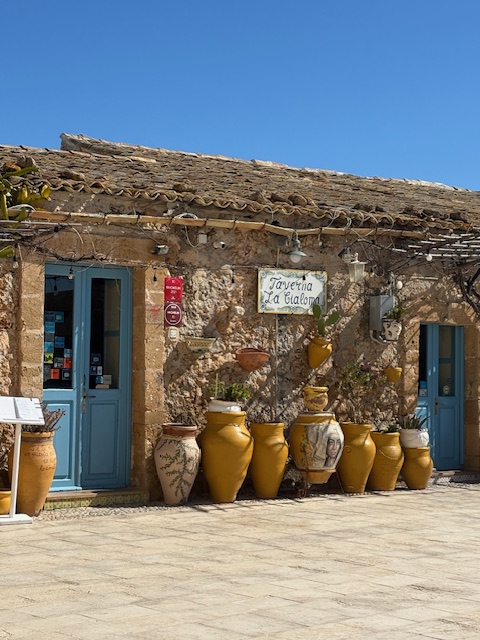
    Lovely sun, colors, and decor in Marzamemi, Sicily, located south of Noto in Italy.

    If you’re interested in Italy’s island region of Sicily, you’ve probably heard a ton about Catania, Palermo, and Taormina.

    Yet it’s even more interesting to dig into smaller (but still popular) areas around the island, which is how I’d categorize Marzamemi and Vendicari Nature Reserve.

    Both are located in southeastern Sicily, south of Catania and south of the famous Baroque town of Noto. If you’re renting a car (which you will have to do to reach these areas without a local driver), you’re 20 to 30 minutes or so from Noto to each location.

    Yet they both offer an intriguing glimpse of life in this tucked-in corner of traditional Sicily–Marzamemi revealing history related to commercial tuna fishing and Vendicari Nature Reserve offering a quiet retreat, bird watching, and also some tuna fishing history.

    Here’s what we experienced during our visit in early 2026–and some tips for your own trip planning. Note that I was traveling solo but I use “we” in my article to avoid saying “I” constantly.
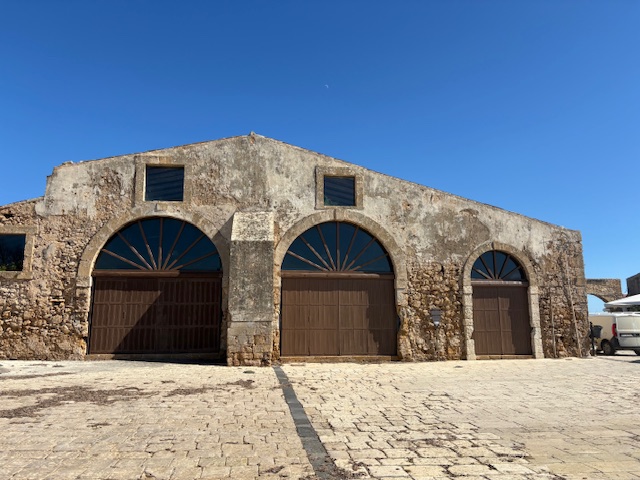
    Marzamemi, Sicily.

    Marveling at the Sea and Sicilian Food at Marzamemi

    If you want to see the sea (pun intended), feel a breeze, and try Sicilan seafood in a colorful setting, then head on over to Marzamemi. Although not as large or flashy as Ortigia, it was a picturesque afternoon diversion.

    Although the visit was short, I’d say it was one of my favorite parts of my southeastern Sicily trip.

    Much of today’s Marzamemi is what remains of an old tonnara, or tuna processing plant. Yet the full fishing village has roots dating back to the 1000s when Sicily was under Arab rule (Sicily has been conquered by many different groups, which is why you find a mix of Arab, Spanish, Norman, Greek, and other cultures in its architecture and food). The name Marzamemi is thought to be linked to the Arabic “marsa al hamem,” meaning Turtle Dove Cove.

    The present-day view of Marzamemi is said to date back to the mid-16th to mid-18th centuries and includes San Francesco di Paola Church, the old fishermens’ homes, the tuna manufacturing plant, along with a courtyard. The brownish rustic buildings have turquoise and yellow splashes of color, giving them their authenic Mediterranean-by-the-sea look.

    Living in southwest Florida, I couldn’t resist comparing Marzamemi to our local commercial fishing village of Cortez right on the Gulf. Both have completely different looks but share some similar history, and both welcome visitors to try local fish and seafood.
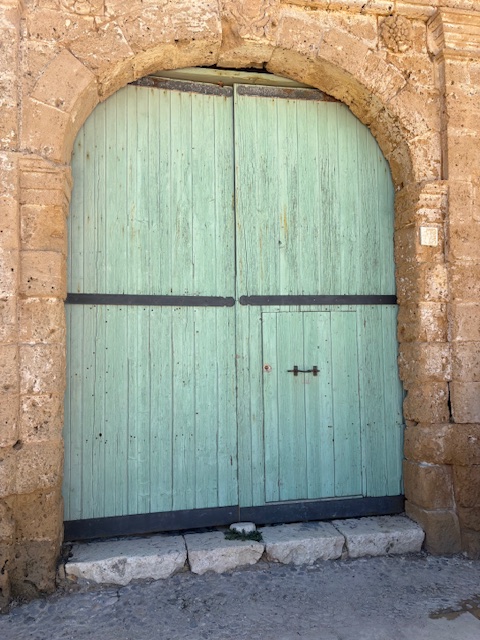
    Love this colorful door in Marzamemi.

    The GPS first took me to a large parking area that looked nothing like the Marzamemi I follow on Instagram (@Marzememi_Sicily). To avoid the same problem, use “Tonnara di Marzamemi” in your GPS as that should take you much closer to the main village area.

    After parking, I began to stroll, at first along the Ionian Sea (it was windy!) and then closer to the restaurants and shops. I wandered aimlessly for my first stroll, noticing the cats and the colors. I have so many pics of stray cats in Sicily.
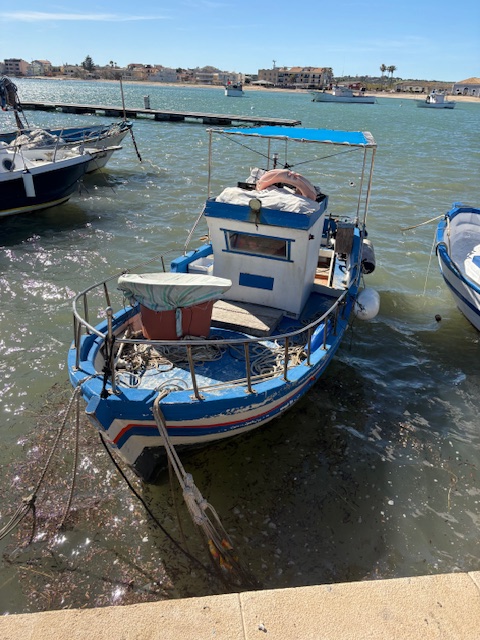
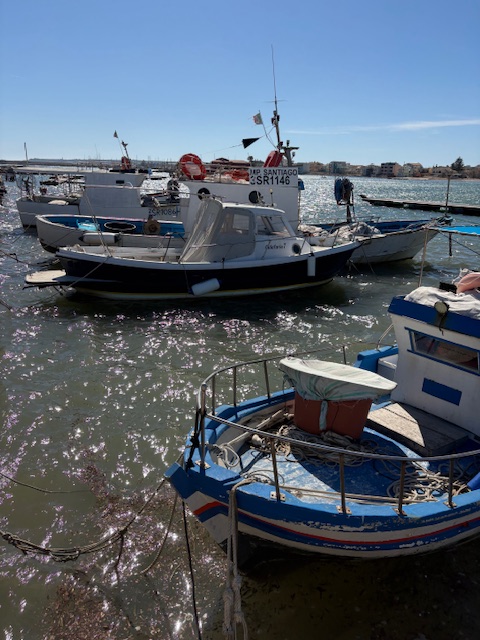
    Enjoy some boat watching in Marzamemi in southeastern Sicily, Italy.

    I then strolled out onto a pier that had a metal cross toward the end. This provided a great view of the beautiful Ionian Sea and some colorful boats. On one side of the pier toward the land, I could see a group of workers. When Cyclone Harry hit Sicily in January 2026 and caused more than $1 billion (USD) in damage, Marzamemi received some water damage. I’m not sure if they were repairing post-storm damage.
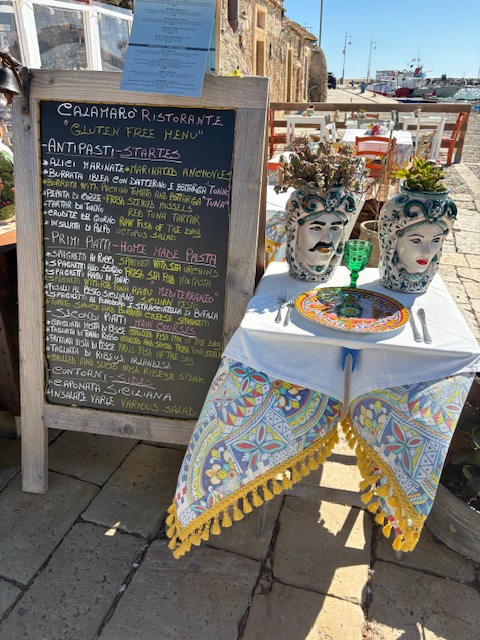
    A breezy day at Calamaro Portodimare Ristorante/Calamaro Restaurant in Marzamemi.

    As I was there during lunchtime on a weekday, the gift shops were closed. If you really want to shop till you drop, you may want to save your visit for a Friday, Saturday, or Sunday, when Marzamemi gets even more visitors and gift shops are likely to be open.

    Instead, I was more focused on the food. I chose Calamaro Portodimare Ristorante for its scenic view, and I sat beside a few other tourists taking their time with their meals. The overall restaurant pace to get the meal and the check was pretty laidback.

    For lunch I chose the Sapori Siculi, a vegetarian pasta dish with Sicilian pesto (yum), sun dried tomatoes, garlic, basil, pine nuts, raisins and almonds, and something called muddica atturrata. That’s apparently a Sicilian version of toasted breadcrumbs.
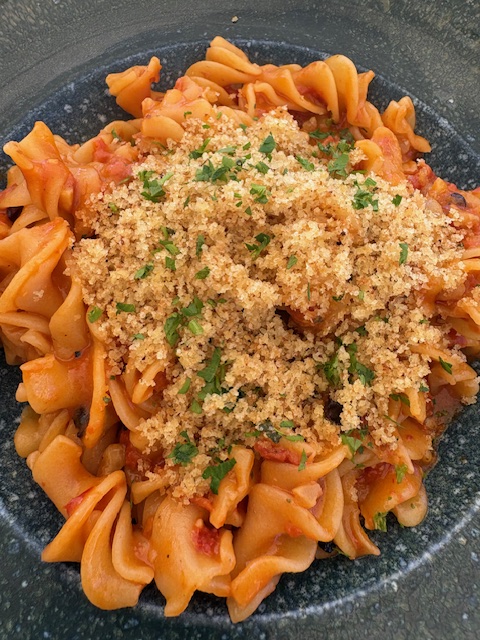
    Sapori Siculi at our chosen restaurant in Marzamemi. Yum or should we say molto buono?!

    There are mixed reviews online of the restaurant but I must say, it was perhaps my favorite pasta dish of the whole trip. The combination of a scenic view on a breezy day while watching the cats and the sea definitely helped.
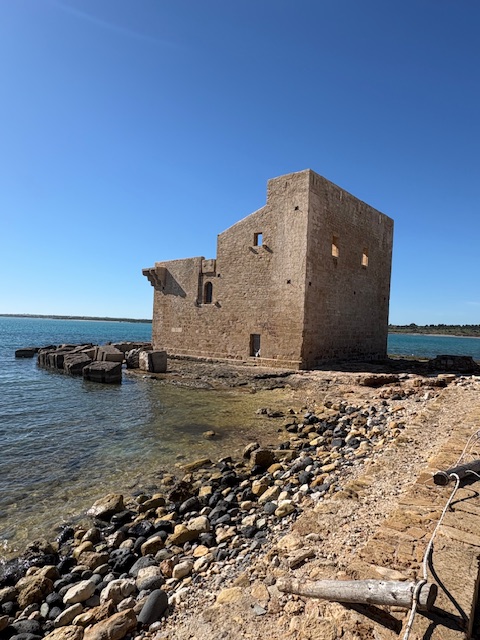
    Part of the tonnara (tuna processing plant) left at Vendicari Nature Reserve in southeastern Sicily.

    Finding Peace at Vendicari Nature Reserve

    If you like nature photography, an outdoor stroll, or perhaps just a quiet place to reflect, then consider visiting Vendicari Nature Reserve just minutes away from Marzamemi. In Italian, it’s called Riserva Naturale Orientata Oasi Faunistica di Vendicara.

    The reserve has more than 3,700 acres of beach area and protected wetlands as well as five separate entrances. This website from Trails of Sicily has some interesting history about Vendicari, from its B.C. origins to the presence of its Greek ruins to the tuna processing plant to plans in the not-so-distance past to build an oil refinery or turn it into a tourist complex (!). Thankfully, it became a protected reserve in the 1980s.

    If you’re looking to just wander, no worries. Choose the first entrance you find on your GPS and enjoy.

    If you want a more specific experience, research in advance where you want to go and find the entrance that’s closest.

    For my visit, I chose the main entrance called the Vendicari entrance. It took me down a dirt-and-rock road, but there were signs that assured me I was going the right way.
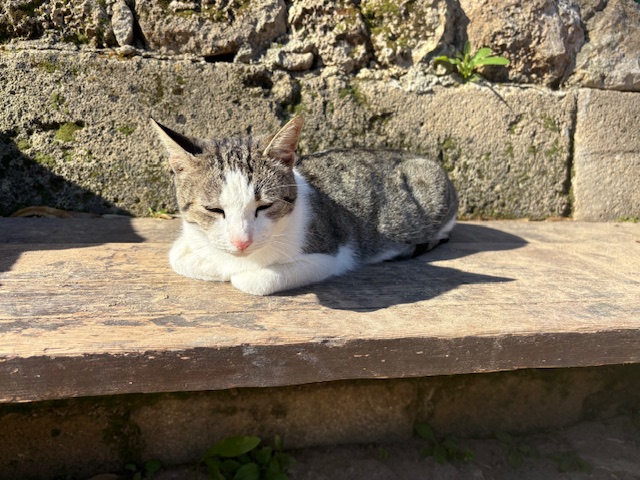
    One of the lovely cats seen during the visit to Vendicari and Marzamemi.

    I paid the admission fee and asked the friendly man working there about the stray cats that were hanging out near the entrance. He told me how he helped keep watch over them and in fact, the two that I saw were actually mother and daughter. I took pics of the cats and of him with the cats, using my beginning Italian to chat with him.

    I decided to wander a bit, which led me to a bird watching area where you can see flamingoes from afar (flamingoes! we have those in Florida, too). There’s plenty of other bird watching there, including herons and black cormorants.
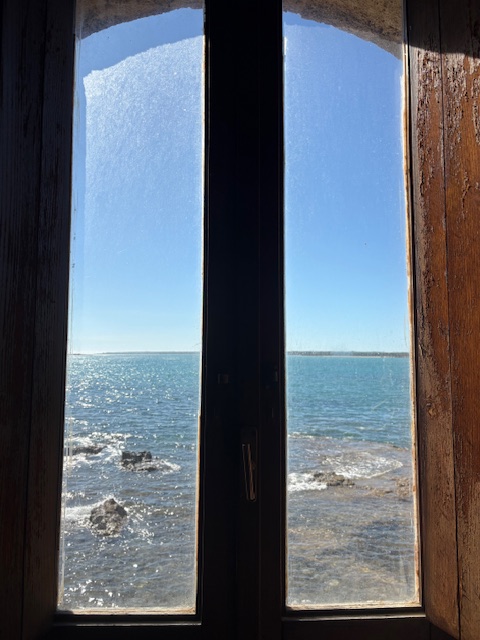
    Sea view from the small museum at Vendicari Nature Reserve.

    Then, I walked along a boardwalk area that took me on a trail beside the sea and eventually ended up in the ruins of an old tuna processing plant (Tonnara of Vendicari, which was open from 1655 to 1944).

    There’s also a small museum area where you can learn more about the tuna processing plant and some of the other happenings at Vendicari.

    FYI, the restrooms are right beside the museum.
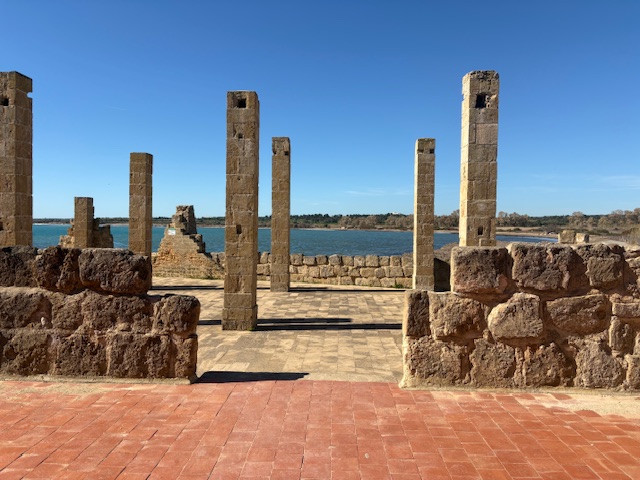
    More of the tonnara area at Vendicari.

    Vendicari Nature Reserve has several beach areas, including Eloro Beach and Calamosche Beach. Since my visit took place in February and not summer, I can’t give you much tea on the beaches.

    From what I read online, the beaches are somewhat less crowded than nearby Lido di Noto or San Lorenzo. However, being in a park area, Vendicari’s beaches don’t have chairs or other beach amenities you’d find elsewhere.

    I actually felt right at home in Vendicari as it reminded me of some of Florida’s state parks, particularly Fort De Soto Park in St. Petersburg. Fort De Soto also combines history (an old fort), nature, and a beach area.

    With more time or repeat visits, I would have explored other trails.
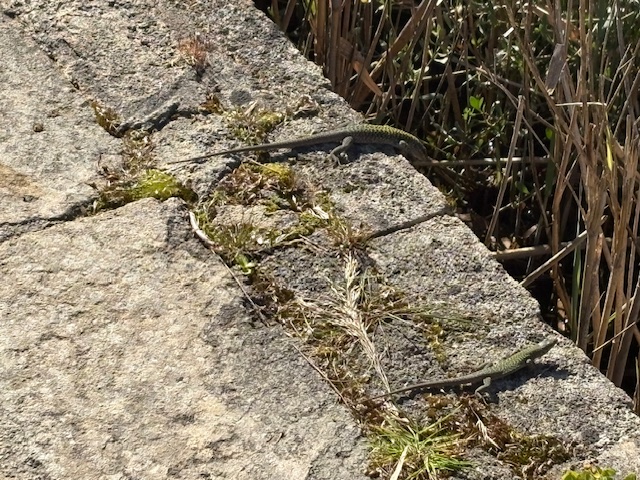
    One more similarity with the Florida vibe–this little guy! (See picture above.) He was similar to the geckos we often see in the Sunshine State.
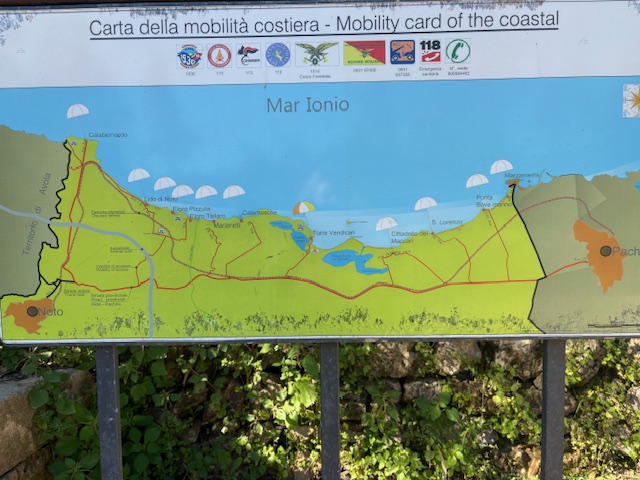
    Coastal map at Vendicari Nature Reserve. Some of the English translations on their signs are clunky so you may have to do some decoding. “Mar Ionio” on the sign above means Ioanian Sea.

    Tips for Your Visit to Marzamemi and Vendicari

    Make a half-day or a full-day trip out of your visit to Marzamemi and Vendicari. These two are close to each other, so it would be easy to take your nature walk at Vendicari and then enjoy a meal at Marzamemi, or vice versa. If you really like to take your time strolling, you could probably turn these two destinations into a full-day experience. If you’re going to Vendicari for beach time, then you could do a beach day there followed by an evening meal at Marzamemi.

    Plan what time of the day you want to go. Because it’s a park, Vendicari is open during the daytime but closed in the evening. Marzamemi is open during the day and into the evening so you can choose when to visit. We think an evening visit is a great idea as it’s surely more lively, but you may not feel as open to that if you’re a little nervous driving in the dark in a foreign country. If you’re stayiing in a nearby beach area–say, San Lorenzo–this is less of a concern as you’re just minutes away. If you’re staying in Noto, you may not feel confident about nighttime driving (or at least I didn’t), especially if you plan to have a glass of vino or two during your Marzamemi visit. If you’re staying in Noto and want to see a different town in the evening, consider checking out the nearby beach town of Avola.

    -Expect to pay a small entrance fee for Vendicari. At the time of our visit, it was 3.5 Euros, or about $4 U.S. For comparison, that’s the typical fee to enter a state park in our home state of Florida.

    Bring sunscreen, water, and maybe a hat to explore Vendicari. This is the same advice we dispense on our Florida travel blogs. Many parts of the walking trails are in the sun, and it can get hot at certain times of the year. If you’re going for a beach day, bring everything you need, including snacks and drinks as they aren’t for sale at the park. Pay attention to where you’re going so you know how to get back. Visit early if you’re going in the summer to avoid the midday heat.

    Enjoy your visit to Marzamemi and Vendicari/buon viaggio! Got questions? Leave a comment and let us know.
  • Italy Dreams’ Visit to Eastern Sicily–Details Coming Soon!

    Beautiful Marzamemi in southeastern Sicily.

    Buongiorno! Italy Dreams shares stories and inspiration from all across Italy, but don’t be surprised if we focus more on Sicily for awhile. After all, we just returned from a 10-day trip to southeastern Sicily, and we have a lot to share.

    Going off-season (late February) made the trip especially interesting. It was easier to enjoy some popular spots, but it also meant getting some skeptical glances in smaller areas–especially as a woman traveling solo.

    Stay tuned for a story later this week about one of our favorite small towns in southeastern Sicily, followed by more tidbits and tips to help you on your own Sicily adventure, particularly if you visit places like Noto and Ortygia in southeastern Sicily.

    Subscribe to our blog so you don’t miss a story! And if you can’t wait to read our articles, check out the video we made here about our trip. It’s geared toward students learning English.

    Arrivederci!

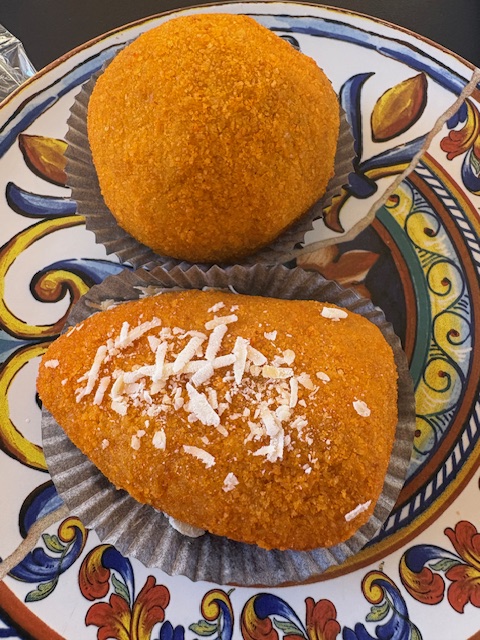
    Arancini, or rice balls, in Sicily.

  • Access Italy Welcomes Visitors to Experience Italia With Passion

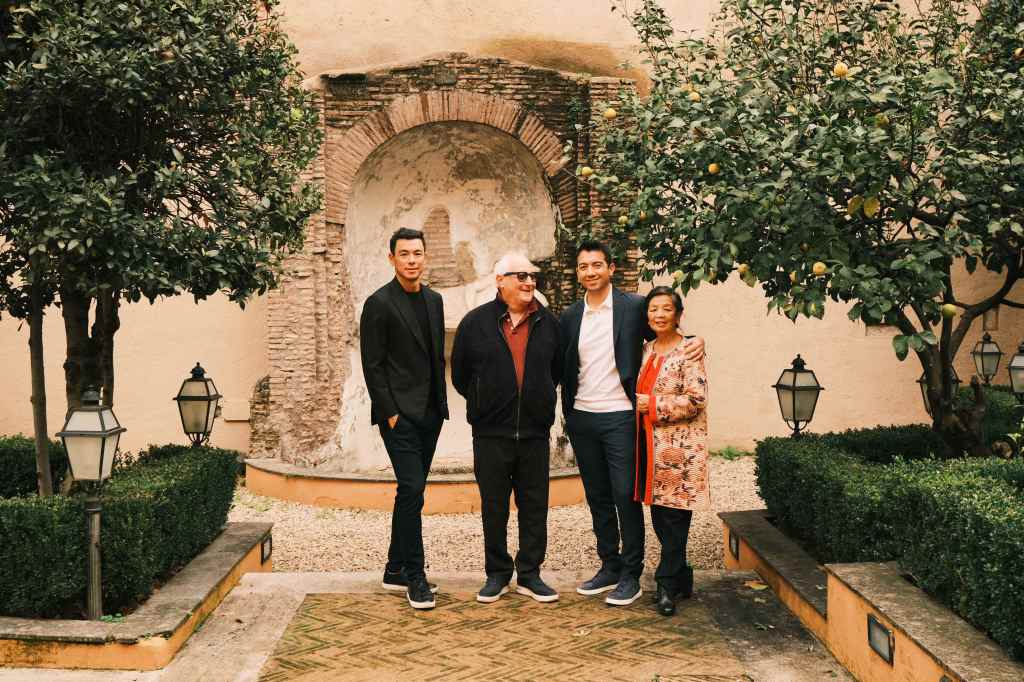
    The Amorico family of Access Italy. All photos used in this article are courtesy of Access Italy.

    “Italy isn’t a destination you conquer. It’s one you’re welcomed into,” says Simone Amorico, co-founder of the Rome-based Access Italy, a destination management company.

    “At Access Italy, we’re here to make that welcome feel warm, personal, and unforgettable.”

    He must be on to something when you consider that Oprah Winfrey trusts Simone and his brother/co-founder Marco as well as their father Angelo to plan her Italy trips.

    So do Sylvester Stallone, Stanley Tucci (Mr. Italy himself), Emily Blunt, Jessica Alba, and several other well-known celebs.

    Although Simone discreetly declines to answer questions about his celebrity clients, you can tell they must be happy with the results from the smiling photos these famous folks have posted on social media.

    “What we can say is that what people are really searching for is connection: with the place, with the people they meet, and with the moment they’re living,” Simone explains about his company’s clientele.

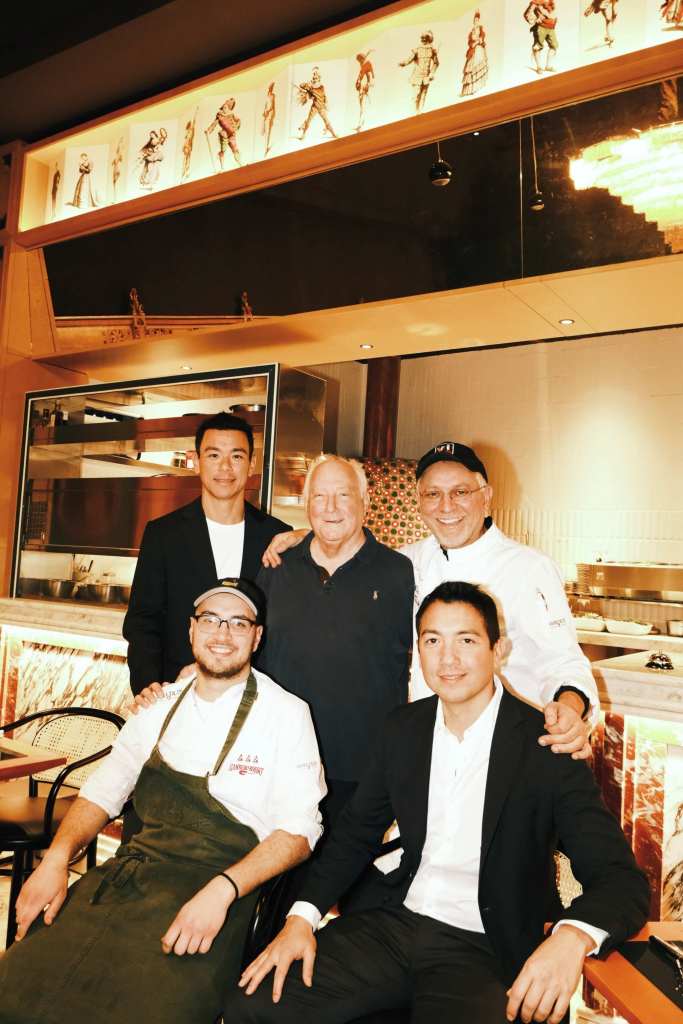
    Courtesy of Access Italy.

    What Access Italy Offers

    For Access Italy and its staff of 40, their sweet spot is an itinerary designed exactly around the client’s wishes.

    “Every viaggio (trip) is tailor-made, seamless, and designed around the people traveling, never around a template,” Simone explains.

    The company began in 2009 by Angelo Amorico; Simone and Marco now lead the firm along with their father. The 40 team members are destination experts, travel designers, and local insiders.

    Simone says that their personal relationships with artisans, historians, winemakers, families, and hotels across the country bridge together thoughtful travelers with these locals.

    The vast majority of the guests working with Access Italy are American.

    “They share the same mindset. They don’t want to just see Italy, they want to live it,” Simone says. “They travel with intention, preferring quality over quantity and meaningful moments over rushed checklists.”

    Team members usually work with 2 to 8 guests when designing a trip and sometimes groups of 10 to 14, including extended family. Travel groups may be couples, families, or small groups of friends.

    With a focus on tailored, luxury travel, the travel designers at Access Italy will speak with guests about their exact needs and desires for the trip. This could mean coordinating a completely private visit to a famous museum, choosing upscale Italian hotels and villas, or organizing a Michelin-star dinner with your travel partners.

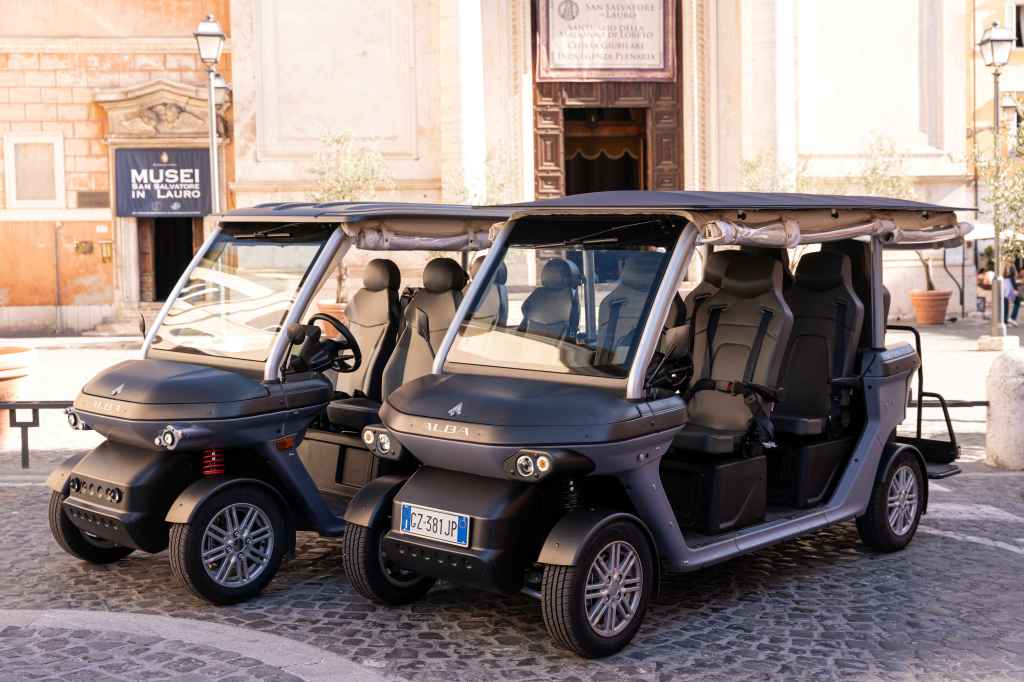
    Courtesy of Access Italy.

    Of course, don’t forget other classic Italian experiences like:

    –Cooking classes or even a home cooking class with the Amorico family

    –Early-morning visits to famous sites

    –Personalized shopping tours

    –Yacht excursions

    –Private events

    Access Italy also can lead you to fewer crowds at the busiest destinations. Again, just ask Oprah. Here’s a testimonial from her shared on the Access Italy website:

    “If you’re ever in Italy, call these guys! Angelo has been showing me the best of Italy for 30 years now. His sons were toddlers and now Simone and Marco have joined the business. We were in and out of the Coliseum in an hour! Same for the Vatican. Their company is aptly named, cause they have real ACCESS!”

    (Find pics of Oprah and bestie Gayle King’s time in Italy, along with some pics of Angelo, at the link here from Oprah Daily.)

    Another fun way to discover just how a trip with Access Italy might work is a description on the company website of the Anderson family experience. The Andersons collaborated with the company to plan their southern Italian trip in 2023.

    The top areas that Access Italy visits with clients include Rome, Tuscany, the Amalfi Coast/Capri, Venice, Lake Como, Puglia, and Sicily.

    For places a little more off-the-beaten path, their travel designers will direct guests to places like Piedmont (in northeastern Italy), the Dolomites (where the recent Winter Olympics were held), Umbria in central Italy, and the island region of Sardinia.

    “We often combine iconic destinations with lesser-known regions to create balance and surprise,” Simone says.

    Courtesy of Access Italy.

    5 Tips to Plan Your Trip to Italy, Courtesy of Access Italy

    If you’re dreaming of Prosecco and pasta after reading this article, then Simone has a few tips to help you with your Italy plans:

    1. Don’t cram everything into one trip. “Italy is about depth, not checklists,” Simone says.
    2. Balance cities with countryside. “It changes the rhythm of the trip,” he explains.
    3. Take to heart recommendations on when to go to specific destinations. Timing matters as much as where you’re going.
    4. Leave room in your trip for the unexpected.
    5. Contact Access Italy to set up your trip. “Save time and energy. We plan, you Prosecco,” Simone says.

    Find Access Italy online here and their contact page here. You can also find them on Instagram here and on Facebook with the name Access Italy.

    Buon viaggio!

    Courtesy of Access Italy.

  • 10 Fun Facts About Cortina and the Dolomites in Italy

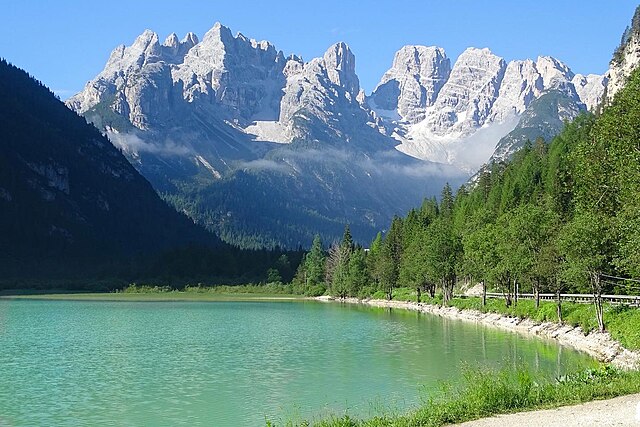
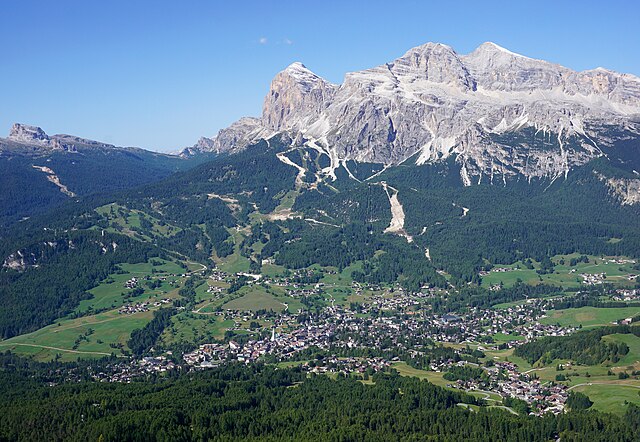
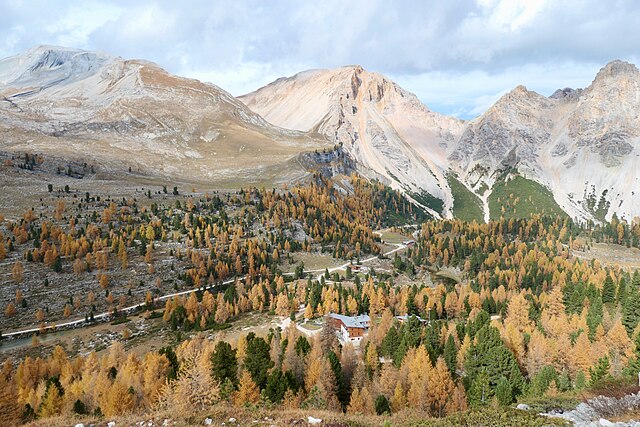
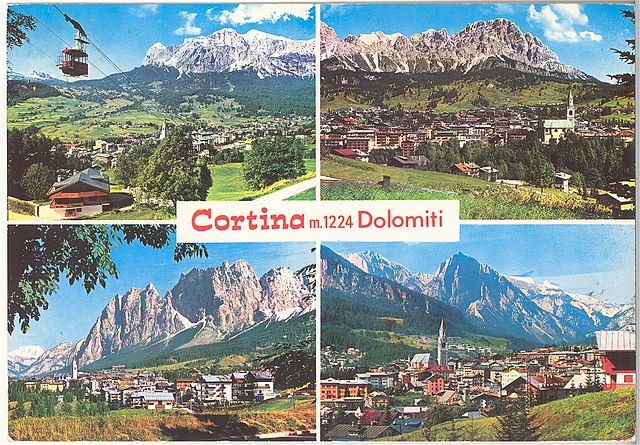
    The beautiful Dolomites in northeastern Italy. All pictures in this story taken from Wikimedia Commons.

    With the Winter 2026 Olympics around the corner, the world turns its eyes to Milan and Cortina, Italy. Although the name “Milan Cortina 2026 Olympic Winter Games” makes it sound like these two areas are close to each other, they are actually more than 255 miles apart—basically, an almost five-hour drive. In fact, this year’s Winter Games will be the most geographically widespread of any prior Olympics.

    We shared some fun facts about Milan in a previous post, so we wanted to give some equal exposure to Cortina d’Ampezzo (called Cortina for short) and the beautiful Dolomite Mountains, where Cortina is located.

    Andiamo!/let’s go

    1. Cortina is called “Queen of the Dolomites” and “Pearl of the Dolomites.” It’s famous as a luxury ski resort area.
    2. Cortina previous hosted the Olympics Winter Games in 1956.
    3. The movies “For Your Eyes Only” and “The Pink Panther” were filmed in Cortina.
    4. Olympics events that will be held in Cortina include Alpine skiing, the biathalon, bobsledding, curling, and luge. In addition to Milan and Cortina, some Olympics events will take place in the towns of Valtellina and Val di Fiemme in northern Italy, along with a closing ceremony in Verona.

    5. There’s a lot to do in Cortina. In addition to those famous winter activities, there’s golfing, mountain biking, horseback riding, and kayaking. If you’re a little less adventurous, you can browse more than 250 shops.

    6. The Dolomites (called Dolomiti in Italian) are part of the Italian Alps. Just like you’ve heard of the Swiss Alps, the Italian Alps are famous and include the Dolomites, the Aosta Valley, South Tyrol (a German-speaking region) and Piedmont. In addition to Switzerland and Italy, the Alps also span Austria, Germany, France, Liechtenstein, Monaco, and Slovenia.

    7, The Dolomites are part of the UNESCO World Heritage sites because of beautiful rock cathedrals and natural beauty. One nearby resident said when you climb to the top of a peak in the Dolomites, you can see the world from a completely new perspective.

    8. The Dolomites stay busy! Do some research online, and you’ll see that many recommend that visiting from June to August is an ideal time for spectacular hiking views. However, this is also peak season, when you’ll explore there along with many other visitors. You also will face higher prices. Of course, winter is the best time to visit if you’re into skiing and other winter sports. Perhaps a visit in the fall or spring is best to enjoy some of the views without the full impact of crowds.

    9. It’s not all pasta, all the time in Cortina and the Dolomites. Much of the famous local cuisine features German influences and includes knödel (a type of bread dumpling with herbs), Schlutzkrapfen (a ravioli dish), Spinatspatspazlen mit Schinken-Käsesauce, which is spinach spaetzle with ham and cheese sauce. We’ll let you google the pronunciation of that one as we’re not sure how to say it! Another famous dish in the Dolomites is Spaghetti Bolognese mit Speck, or bolognese spaghetti with a type of local ham. Another dish recommended to us? Turtres, a type of fried dough filled with spinach and ricotta. Find a recipe for them here. And don’t forget to try any local cheeses!

    10. The locals are multilingual. There’s more than just Italian spoken in the Dolomites. German and Italian are spoken by most people from the Dolomites, in addition to the ancient romance language of Ladin. Still, if you’re visiting a local tourist area and speak English, you should be in good shape to communicate with others.

      Buon viaggio!

    1. Kapuhala Sicily Amazes Guests With Tranquility, Sicilian Heritage, and Vegan Meals

      Drinks and a sunset view at Kapuhala Sicily, a resort near Noto. All pictures shared courtesy of Kapuhala Sicily.

      If you’re dreaming of Sicily and want some wellness with your getaway, then look no further than Kapuhala Sicily, located near Noto and Marzamemi in the southeast corner of the Italian island.

      Kapuhala Sicily was created as a sustainable, wellness-focused resort by chef Crystal Lee and her husband, Stefano Passarello, whose father is from the area. Crystal is originally from Hong Kong but trained in Milan to be a chef.

      “We’d been going to Sicily for 20 years and absolutely love it,” Crystal says. “When the resources and land became available, we decided to build something there.”

      Kapuhala Sicily debuted in June 2020, almost a year after the couple opened Kapuhala Koh Samui, an eco-friendly resort in Thailand. They divide their time between the two properties. Kapuhala means “holy tree” in Hawaiian.

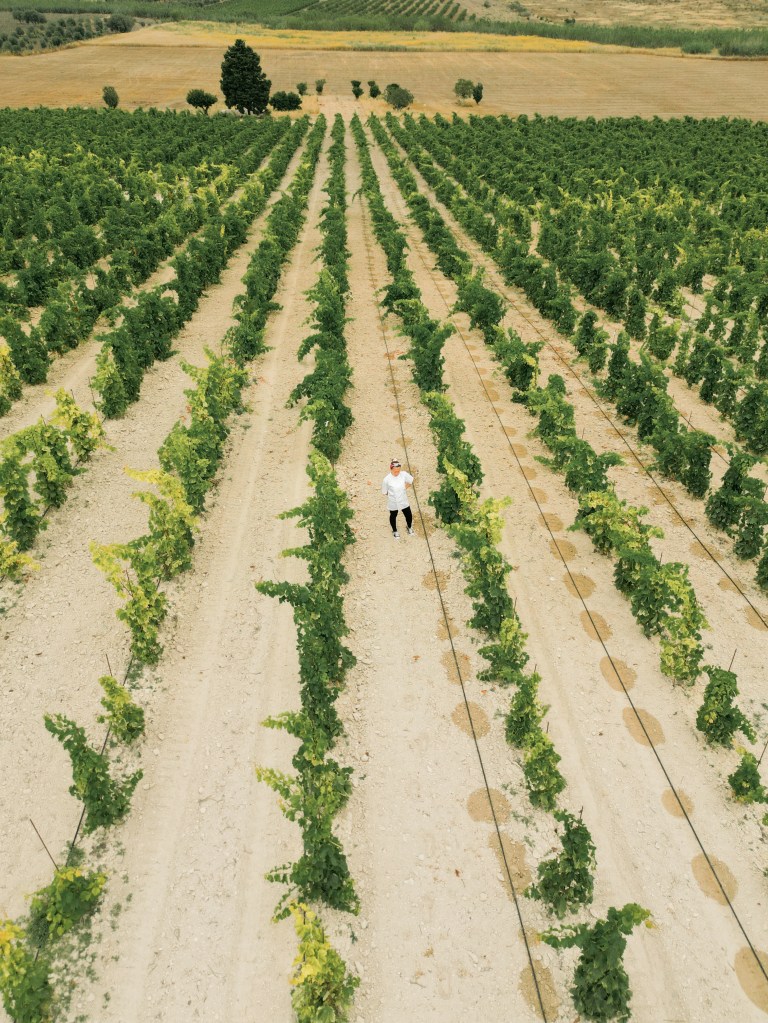
      Relax among the vineyards at Kapuhala Sicily.

      “Ahhhhhh”–What to Expect When You Visit Kapuhala Sicily

      If you’re visiting Sicily for Kapuhala Sicily, you’ll make your way through the countryside of the Valle di Noto region–an area Crystal describes as famous for its natural beauty, olive groves, and traditional Sicilian heritage.

      Upon driving up to the resort, you’ll find 60 acres of vineyards, olive groves, and organic gardens–with much of the food served at the resort grown onsite or sourced from local farmers. The owners of Kapuhala Sicily also were able to revitalize 300 trees that would have otherwise been uncultivated.

      Kapuhala Sicily can accommodate up to 30 guests in total in small individual homes and in buildings once used for wine-making; most of the places to stay there can host up to four people at a time. Each unit has a private bathroom, and some units have kitchenettes.

      Kapuhala Sicily focuses on sustainability, wellness, heritage architecture, and plant-based cuisine. It also follows many of the “blue zone” principles for living longer and staying healthy. Sardinia, another island in Italy, happens to be one of the world’s blue zones, and one area of Sicily is considered an emerging blue zone.

      Chef Crystal Lee operates Kapuhala Sicily along with her partner, Stefano Passarello.

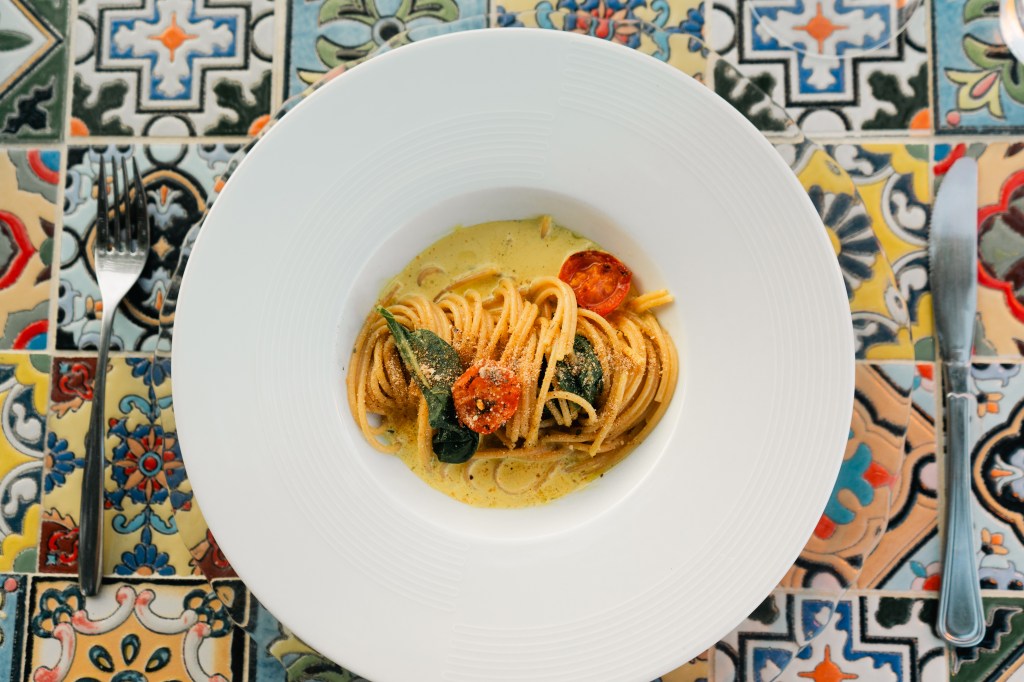
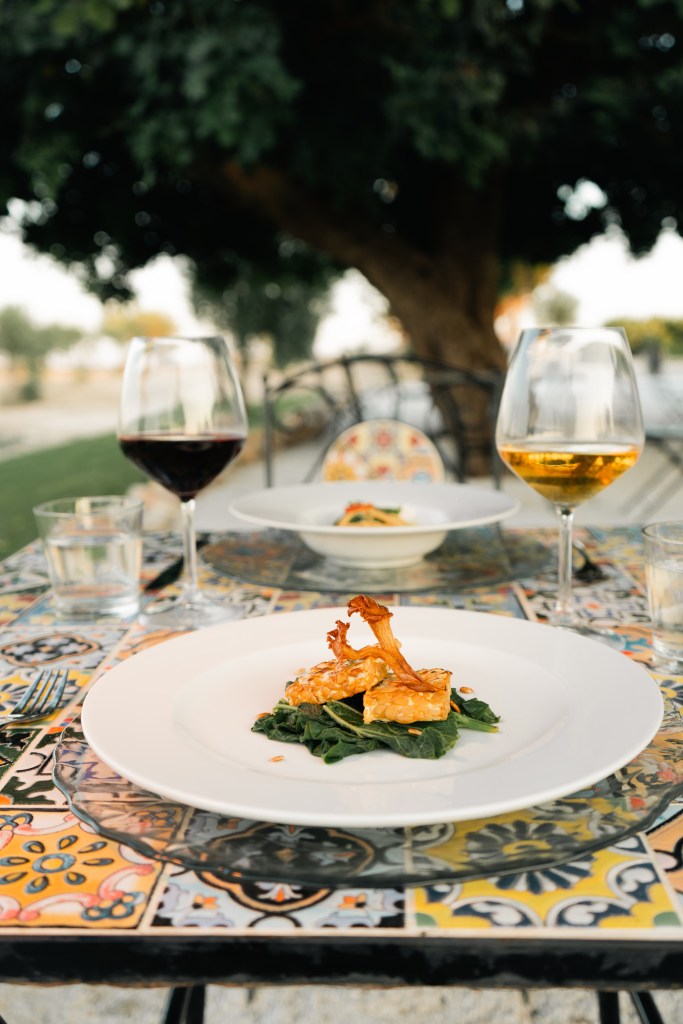
      Italy is already famous for its cuisine–it was just recognized by UNESCO this December–yet Kapuhala Resort takes plant-based cuisine to another level. How about spaghetti with Sicilian curry, tenerumi (a summer squash-like vegetable in Sicily) and tomato confit? Si, per favore! With some of the dishes, you may be fooled into thinking you’re eating the traditional meat version, only to realize the vegan option is just as tasty.

      Spaghetti with Sicilan curry served at Kapuhala Sicily resort, located in the southeastern corner of the island.

      In addition to the great food, there’s lots more to enjoy at Kapuhala Sicily, including:

      –Wine tastings

      –A pool

      –A botanic yoga studio

      –Sunset views

      –Nature walks

      –Doing absolutely nothing!

      –Day trips just a short drive away, like Noto (famous for its baroque architecture–see our article here), Marzamemi (a former fishing village that’s popular to visit), and nearby beaches

      Yet there’s nothing wrong with just enjoying your time at Kapuhala.

      “Kapuhala Sicily isn’t just a hotel but a lifestyle-oriented retreat. It’s a place designed for people who value sustainable living, plant-based food, mindful living, nature, and authentic local heritage,” Crystal says.

      It’s also considered a “heritage farmstay” because guests have the chance to connect with the land and rural Sicilian traditions.

      7 Tips to Plan Your Visit to Kapuhala Siciliy

      If you’re hopping on your favorite travel website right now to book your stay at Kapuhala Sicily, here are a few tips to keep in mind:

      Plan to rent a car while you’re in the area. There’s not much public transportation.

      Slow wayyyyyyy down. Keep your type A side tucked away in your suitcase while you’re vacationing, both in SIcily in general but also specifically at Kapuhala. “It’s about relaxation, wellness, a connection with nature, and simplicity,” Crystal explains.

      Stay open to vegan cuisine. You may be surprised by how much you like it!

      Bring comfortable shoes. It’s hard to get around the countryside in high heels, Crystal says.

      Plan your local trips to include beach visits, local historical towns and the countryside. Crystal calls this a “balanced Sicily experience.” Staying for a few days in the area gives you a better chance to get to know the resort’s part of Sicily without feeling rushed.

      Check online to make sure the resort will be open before you book. Like many other accomodations in the area, Kapuhala Sicily is generally open from April to the end of September, which is the main tourism season for Sicily.

      Staying elsewhere in Sicily but still want to check out Kapuhala? You can visit their restaurant, Vivi Vinu, for an apertivo or dinner.

      Buon viaggio!

    2. Here’s Why to Visit Italy in the Winter and Off-Season

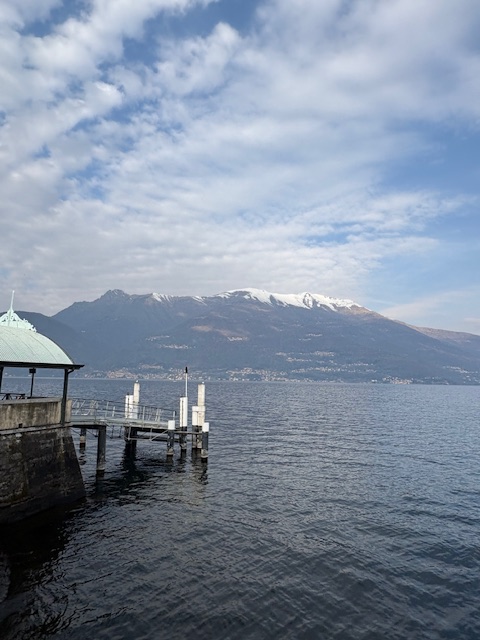
      Snowy mountains as seen from Lake Como, Italy, in early March. The winter can be a great time to visit Italy.

      Italy says “Buongiorno!” to about 70 million tourists this year (2025), with most arriving in the summer months. If you’ve been to Florence, Venice, or Rome that time of year, then you know what it feels like to have thousands of new friends who all want to visit the same places as you, right?

      If you’re an astute traveler, you may be asking yourself what it’s like to visit Italy other times of the year, such as in the winter or off-season. The good news: There are some real advantages if you’re willing to brave a little cold.

      Let’s take a look at why you should consider visiting Italy in the winter or off-season months. Then we’ll suggest a few choice destinations for those quieter months.

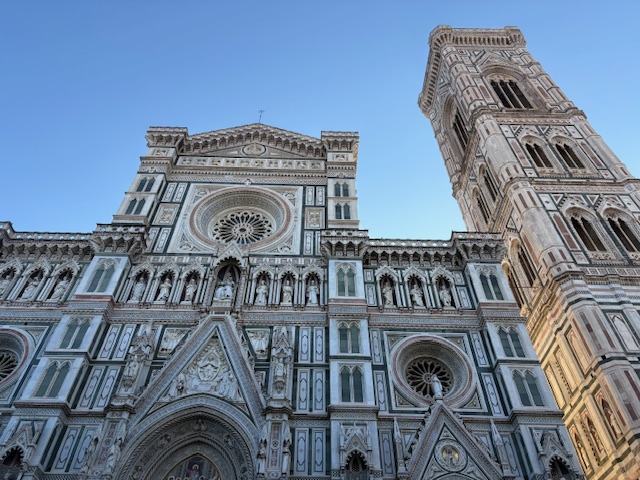
      Florence’s Duomo/Cathedral looks impressive any time of the year.

      Why to Visit Italy in the Winter or Off-Season

      You’ll have more destinations to yourself

      We’re not saying you’ll be the only tourist there, but most destinations will have fewer people. Enjoy the so-called la dolce vita with fewer visitors! It’ll make it a lot easier to book museums, hotels, etc.

      Enjoy cooler temps

      Let’s face it, Italy can get hot in the summer. Walking around Rome, Sicily, and even Milan in June, July, or August can get uncomfortable. Although many places have air conditioning, it’s not as chilly cold by default as in the U.S. The solution? Bring a coat, scarf, and gloves, and come in the winter!

      Plus, keep in mind that Italy has a diverse climate depending on where you go. For instance, Milan’s temps can average in the 40s (Fahrenheit) in the winter, compared with average temps in the 50s (Fahrenheit) in places like Puglia and Sicily.

      We visited Florence, Milan, and Lake Como in early March and got around most days with the requisite jacket and scarf. One day in Milan even reached near 70 and was sunny.

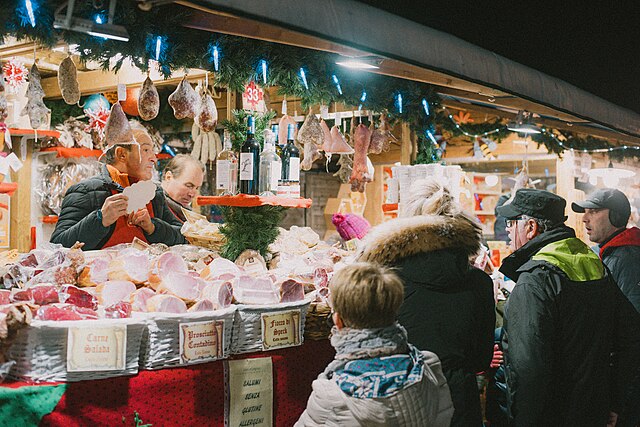
      A Christmas market in Trento, Italy. Picture from Wikimedia Commons.

      Christmas markets!

      Whether you’re familiar with European Christmas markets from previous in-person visits or just Hallmark movies, this shopping experience is a real pleasure. Find dozens of vendors with hand-crafted Christmas items that are perfect as unique gifts for others or souvenirs for yourself.

      Here are a few Italian areas famous for their Christmas markets, according to the tourism operator Discover Your Italy-FuorITinerario:

      –Trento in north Italy

      –the Dolomites, a chain of mountains in north Italy

      –Florence, which features a German-style market

      –Arezzo in Tuscany, which takes on the feel of a Tyrolean village

      –Rome, where you can find a festive market feel in Piazza Navona

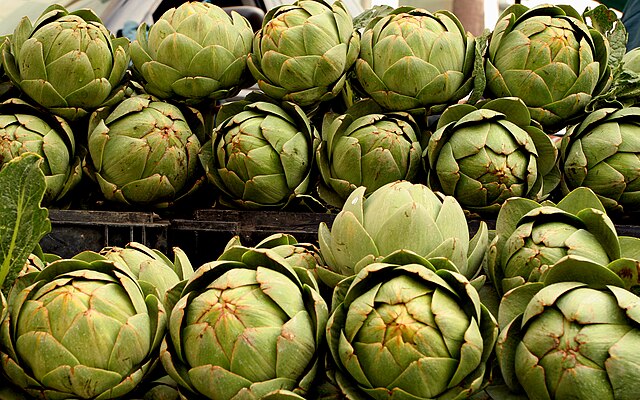
      Artichokes are one vegetable that some Italian residents enjoy more in the winter.

      You can try different types of foods

      It’s no secret that Italy is known for terrific food. With eating in Italy a hyper-local experience, it’s probably also not a surprise that food changes seasonally there based on what’s available at certain times of the year.

      So, the special dishes you may have in the summer could have a completely different feel in the winter or other times off-season. One Rome resident we spoke to sung the praises of artichoke dishes in the winter. Root vegetables like potatoes as well as greens are commonly in season in the winter, and citrus season in Sicily (like blood oranges and regular oranges) goes through the winter and spring–just like here in our home state of Florida.

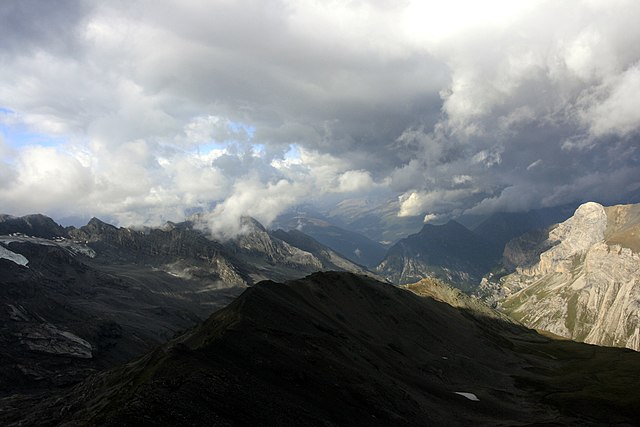
      The Dolomites in northern Italy welcome visitors in the winter and year-round.

      Pursue winter sports

      If you’re into skiing, snoeshowing, ice skating, or other winter sports, then visiting Italy in the winter is an obvious choice. You’ve got your pick of mountainous destinations (see below). The Winter Olympics held in 2026 in and around Milan and the town of Cortina will further shine a spotlight on Italy as a winter destination.

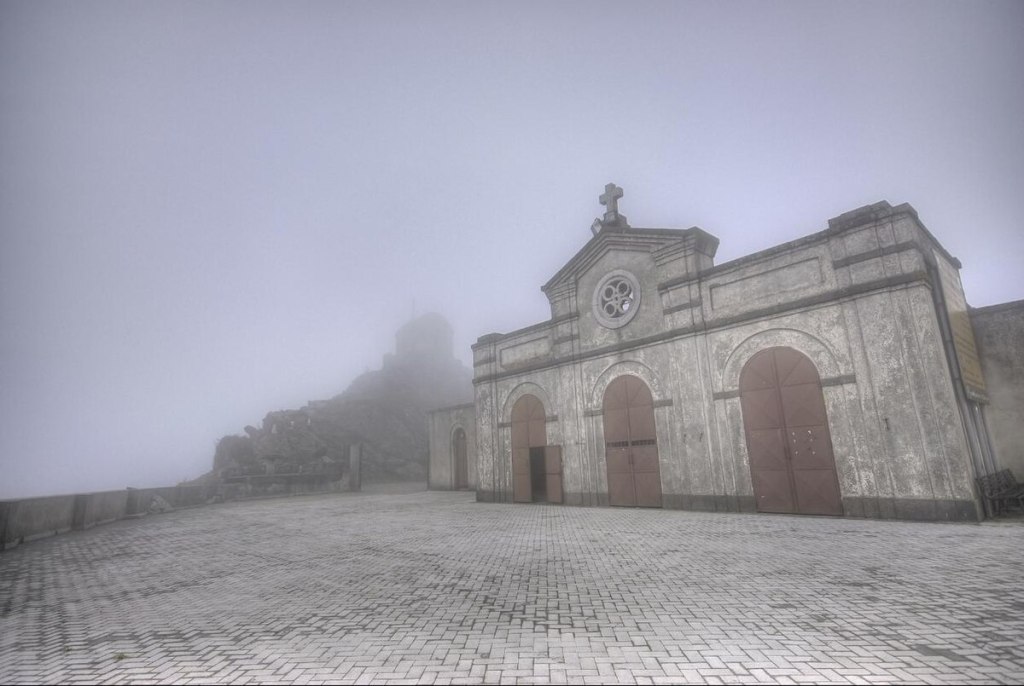
      You’ll need to find different angles for pictures in the winter and off-season in Italy. This picture, taken in Sicily, is from Wikimedia Commons.

      Get new perspectives for pics

      A view of Italy in the summer, with historic buildings drenched with sun and everything colorful? That’s low-hanging fruit. Yet how do make those same buildings look interesting on a rainy, cold day? If you’re into photography, visiting Italy in the winter can become a fun photographic challenge. If you’re creative enough without using filters on your phone, you can still have blockbuster pics from your trip.

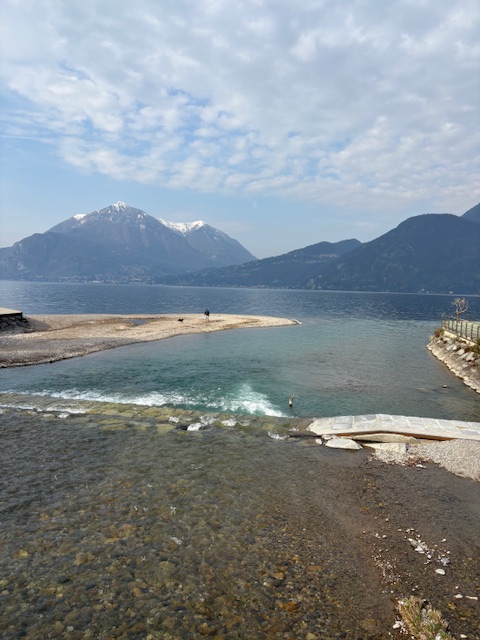
      Bellano, Italy, on Lake Como, in early March.

      6 Places to Visit in Italy in the Winter

      Here are six specific destinations to consider in Italy for the winter or off-season. Don’t be afraid to explore areas outside the typical big-city destinations.

      The Dolomites

      This mountain chain that spans several northern Italian regions can become your winter playground for sports or relaxing by a fire. With its close proximity to Austria, both Italian and German are commonly spoken here.

      Lake Como

      This famous destination in north Italy, just an hour by train from Milan, will lead you with charm through towns like Bellano and Bellagio. Hop on a train to traverse between towns. The ferry on the lake operates year-round although it’s on a reduced schedule in the winter. Find out more about day tripping around Lake Como with our articles here and here.

      Florence

      For the heart of Renaissance art and culture, you can’t go wrong with Florence. Find Christmas markets if you visit around the holidays, or find fewer crowds if you visit in the months thereafter. You’ve probably read enough about Florence elsewhere, so we’ll just share our article about eating in Florence, here.

      You also can find Christmas markets in Rome, Venice, and Naples. Naples is well-known for its living nativity scenes, or presepi.

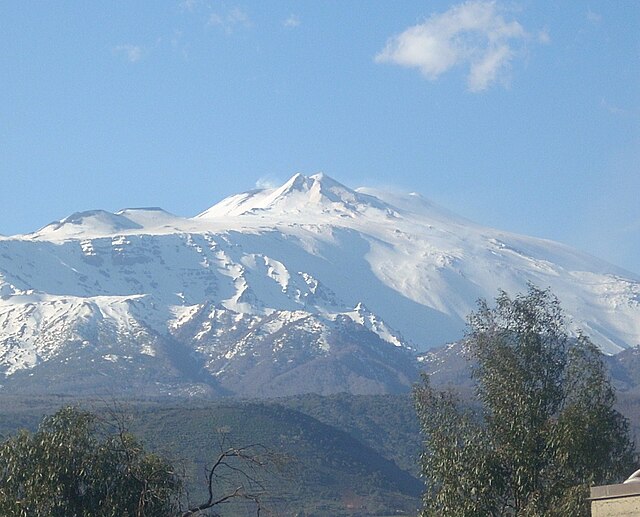
      Sicily’s Mount Etna in the winter.

      Sicily

      Sicilia in the winter? It’s definitely worth considering! Bigger cities like Palermo and Catania may have enough going on to keep you busy, but smaller resort towns like Cefalu may be pretty dead, according to the blog Adventurous Kate. Still, if you want some Sicilian culture and quieter views and don’t mind some potentially rainy weather, you still could have a great trip. Some people even go skiing on Mount Etna. Plus, you’ll find several winter festivals as well as Christmas markets.

      Cortona

      The town of Cortona in Tuscany (not to be confused with Cortina, the site of the Olympics) has medieval charm and wonderful artisan markets around Christmas, according to Discover Your Italy. You can even find a Floating Christmas Tree. “This area is perfect for travelers seeking a quieter, heartfelt experience rich in culture and tradition,” Discover Your Italy reports.

      Beautiful Bormio, Italy. Picture from Wikimedia Commons.

      Bormio and Vatellina

      Yet another recommendation from Discover Your Italy, find skiing and spas in the Alps-based towns of Bormio and Vatellina in Lombardy in north Italy. The towns combine famous ski slopes with Roman-era stone pools, hydrotherapy, salt rooms, and a UNESCO railway that takes you from Tirano into Switzerland.

      Buon viaggio!