If you’re planning to visit Italy, will you spend some time in Milan? This cosmopolitan city often gets overlooked for Florence, Rome, Venice, and other destinations.
Yet don’t rule out Milano just yet. This city of 1.3 million people (more than 3 million if you include the full surrounding area) has plenty of history and can serve as a great place to stay if you plan day trips to other destinations in northern Italy.
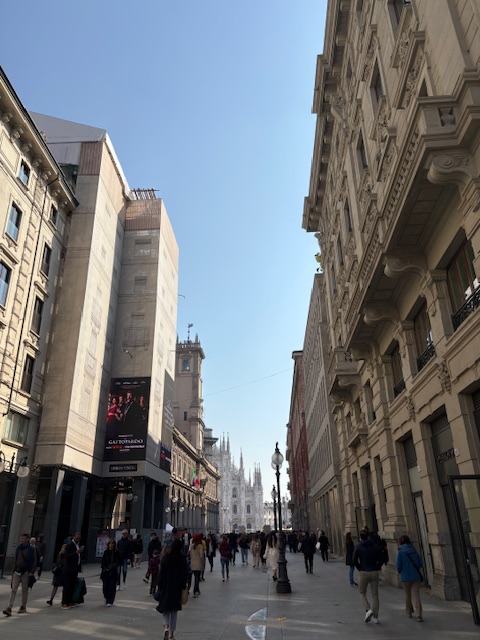
The Milan Duomo/Cathedral is never too far away from your Milan view.
To help gear you up for Milano, here are 11 fun facts about the city.
–Milan will host the 2026 Winter Olympics. The games are formally called the 2026 Olympic Winter Games Milano-Cortina and will be held from Feb. 6 to 22, 2026. However, only a few of the activities will actually take part in Milan. Many of the sports will take place mountainous areas a couple of hours away from Milan, in northeast Italy.
—Milan is the second-largest city in Italy, second only to Rome. Rome has 2.7 million people within the city itself and more than 4 million people if you include surrounding areas.
—Milano is the capital city of Lombardy, which is one of Italy’s 20 regions (similar to states in the U.S.).
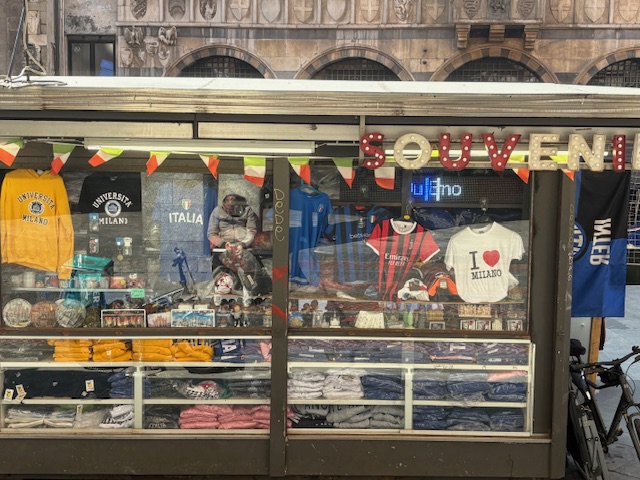
Souvenirs for sale in Milan.
—Looking for some nearby day trips? Milan is only an hour by train from the famous Lake Como (read our article here for a guide on day tripping around the lake). It’s also under an hour from the charming city of Brescia as well as Verona (yes, as in Romeo and Juliet) and Bergamo.
—“The Last Supper” painting by Leonardo DaVinci is in Milan, located at the church of Santa Maria delle Grazie. It’s highly recommended to book in advance to see the popular artwork.
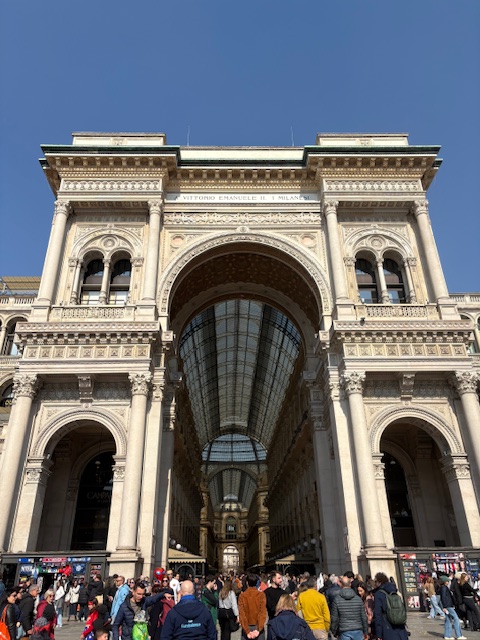
Inside Milan’s Galleria Vittoria Emanuele II.
—If you like shopping, then you’ll be impressed to know that the oldest mall in Europe and perhaps the most continuously active mall in the world is Milan’s Galleria Vittorio Emanuele II. It was designed in 1861, but it took 12 years to finish building it. You’ll find very cool architecture and some expensive shops and restaurants.
—Want good luck? Here’s something to try when you’re at the Galleria. The mall has several mosaics on the floor, in honor of Italian nobility. One of the mosaics has a bull–and legend has it that if you spin around three times on the bull’s–hmmm, cojones–it will bring you good luck. We passed on that opportunity when we were in Milan, but maybe you’ll want to try it! If anything, it’s fun to watch tourists give it a whirl.
Pasta dish made in Milan, but risotto is actually Milan’s specialty.
—Of course the Milanese (as people from Milan are called) enjoy pasta like all good Italians, but they also are known for some non-pasta dishes. These include risotto alla milanese (a rice dish with saffron) and ossobucco (braised veal shank with bone and marrow), among other classics.
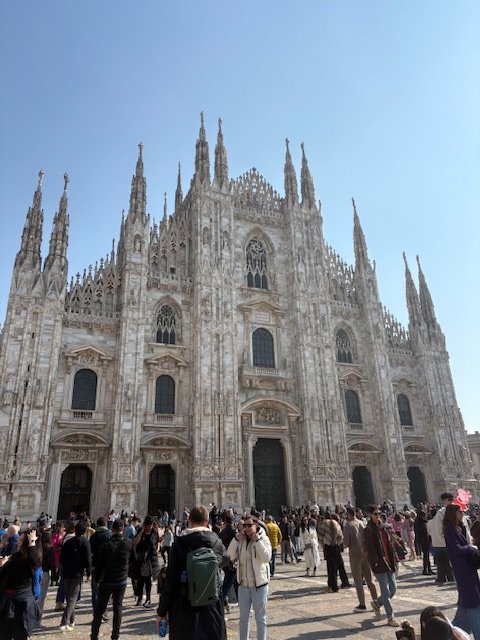
The Milan Duomo/Milan Cathedral on a busy day.
—The Milan Duomo (Cathedral), a central part of the city and its tourism, is the fifth largest Christian church in the world. It’s also said to have the most statues of any Christian church–3,400 in total, along with 135 gargoyles (that’s a lot of gargoyles!). It was built in 1386 and took a whopping five centuries to complete, with some final touches on its facade in the 1960s.
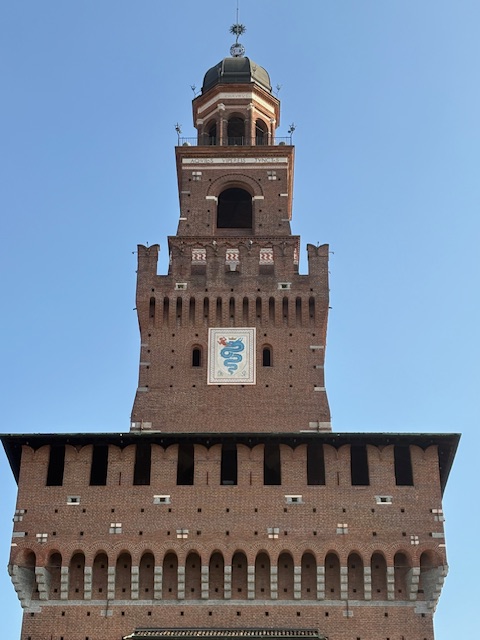
Sforzesco Castle in Milan.
—Did you know that Milan has a castle? It’s called Sforzesco Castle, or Castello Sforzesco, that was constructed in the 15th century. The castle has several art collections, including antique art and musical instruments. On a recent Milan visit, we didn’t make it to the inside but we were able to walk around the exterior along with many other people who were strolling around the city that day.
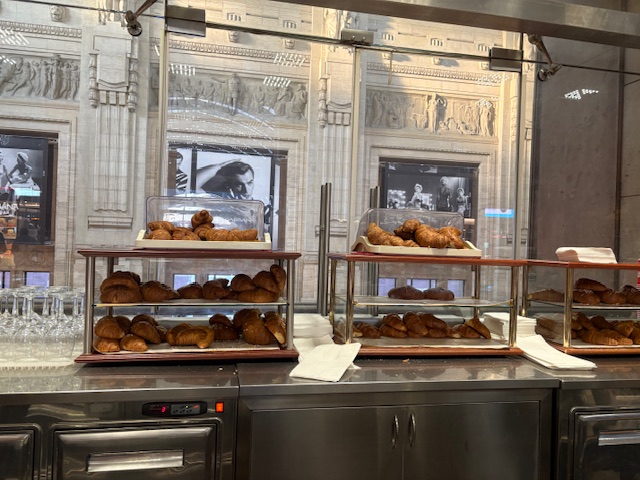
Fashion is never far away when you’re in Milan. Note the fashion ads behind the pastries for sale inside one of Milan’s train stations.
—Milan is considered the Fashion Capital of the World, but do you know which fashion businesses are located there? They include the likes of Dolce & Gabbana, Armani, Prada, Valentino, and Versace. Some of the major Italian fashion brands are now owned by global conglomerates, but they still have headquarters in Milan.
Buon viaggio/happy travels, and enjoy your trip to Milan!
Enjoy views of the Coliseum in Rome or any other sights you wish with a Byways of Italy tour. Picture shared by Jessica Caceres.
If you’ve ever dreamed of getting to know Italy up close and personal but you’re not sure where to start, then the Rome-based company Byways of Italy is a great place to start.
Byways of Italy is a tour operator and destination marketing company (DMC) that creates customized travel itineraries and provides experiences at Italy’s iconic destinations as well as lesser-known gems, says founder Manuela Mocci.
The company began in 2021 in response to a growing demand from travelers looking to rediscover Italy after the COVID-19 pandemic. It focuses most frequently on cultural and food and wine experiences along with a commitment to conscious, responsible travel, Mocci says.
Florence, Italy.
What Makes Byways of Italy Different?
Byways of Italy’s travel advisors work closely with clients to create a customized travel experience.
“I would say that clients choose us because of the balanced mix in our proposals, combining the most well-known spots with off-the-radar day trips offered at the right pace, and the dedication we bring from the start,” Mocci says.
The company’s typical client will be a couple or family that’s from Australia, the U.S., Canada, or Latin America. Although Byways doesn’t usually work with large groups, they make an exception for multigenerational families.
“Our correspondence with clients sometimes lasts months or even over a year, allowing us to get to know their preferences, build trust, and carefully curate every detail of their journey,” Mocci explains.
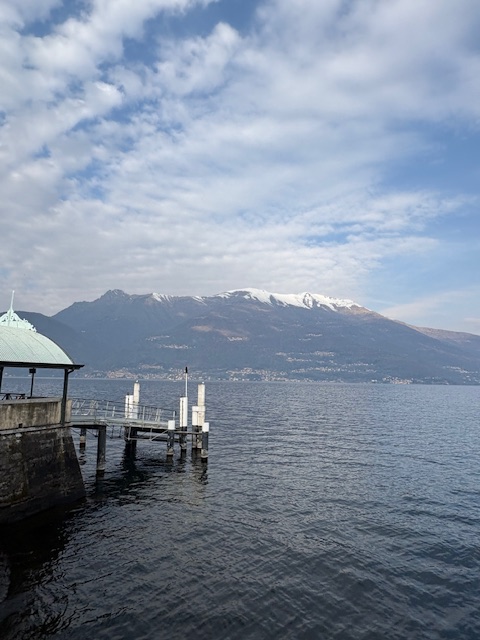
A view of Lake Como in northern Italy.
Although travel options abound online, many people still want the value of working with local experts.
“Younger travelers often want unique experiences that are hard to find online, and they don’t have much time to dedicate to planning,” Mocci says. “Older travelers can feel overwhelmed by the amount of information available on the web and are looking for someone they can trust to provide guidance and support when needed.”
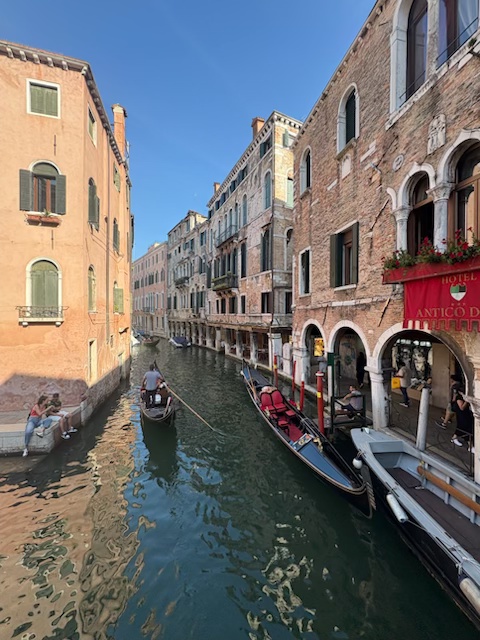
A classic view of Venice, Italy. Picture shared by Jessica Caceres.
Where Can You Go With Byways of Italy?
Instead of asking, “Where can you go with Byways of Italy?”, perhaps the better question to ask is, “Where do you want to go?”
Do you want to take a relaxing bike ride along Lake Garda? Live the luxe life on a yacht cruise on Sardinia’s coastline and enjoy an onboard fish lunch? Or, do you just want to meander in the countryside of the region of Marche and sample authentic food and wine while you stay at a local agriturismo (a farm-based home that usually offers activities like tours or cooking classes)?
All of this and more are possible with the help of Byways of Italy. That’s because it specializes in customized tours.
“We add special touches to make each trip one-of-a-kind, especially for occasions such as honeymoons and anniversaries,” Mocci says.
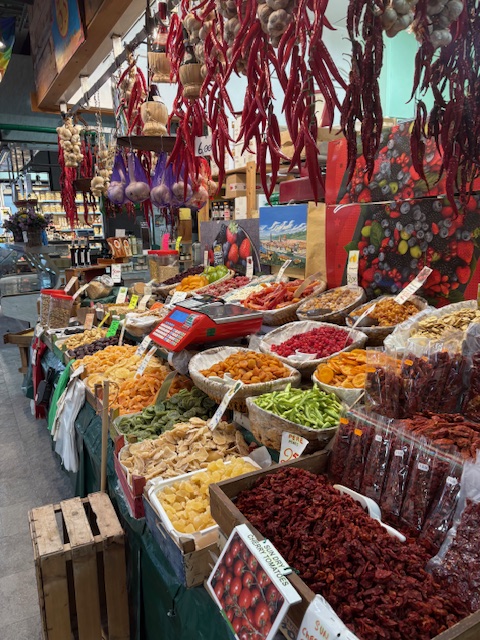
Mercato Centrale in Florence, italy.
However, Byways also offers classic tours to help you get to know Italy better. Here are a few popular highlights:
––The 10-Day Italy Tour features Milan, Venice, Florence, and Rome. Activities you can enjoy include a guided tour of Milan’s Duomo (cathedral), a private boat tour on famous Lake Como, a sightseeing tour of Venice with a Venetian apertif, a visit to a glass factory in Murano, a guided tour of Florence’s famous art museums, and a walking tour of Rome’s main monuments. Of course, no classic Italy tour is complete without wine tasting in the Tuscan countryside!
––A Journey of Self-Discovering in Tuscia. Get off the beaten path for this 7-night/8-day tour in Tuscia, located in the Lazio region near the border with Umbria and Tuscany. This remote area helps you enjoy less crowded ancient Italian towns and connect with yourself and your loved ones. Take a guided tour of Tuscania, relish in the thermal baths in the town of Viterbo, spend a day at a family-run winery, and visit the Palazzo Farnese to take in its awe-inspiring frescoes.
—Northwest Sardinia. For something truly different, book yourself a Byways of Italy tour to Northwest Sardinia. Sardinia is an island off of Italy’s western coast and is one of Italy’s 20 regions. It has famous beaches but still has many parts that are less discovered compared with Italy’s bigger cites. This 10-day/9-night tour includes a visit to Alghero, which has a strong Catalan influence; a panoramic road trip to the colorful and historica town of Bosa, featuring the area’s vineyards; and a visit to the small village of Castelsardo.
Some of the other tours via Byways of Italy include:
–Milan and the lakes of North Italy
–Sorrento and the Amalfi Coast
–3 Days in the Tuscany Countryside
–Procida, a fishing island in the Gulf of Naples
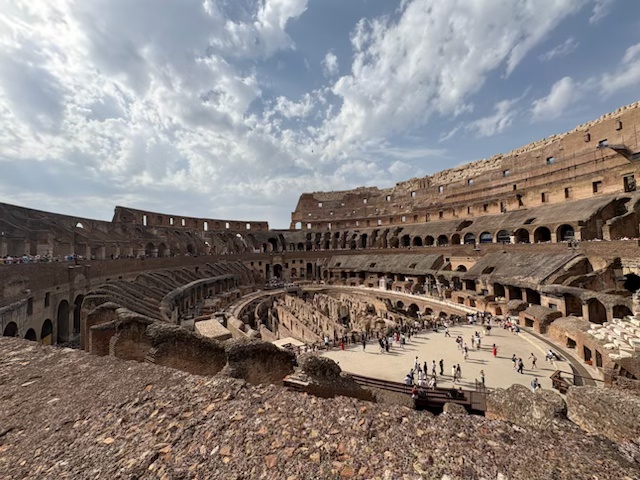
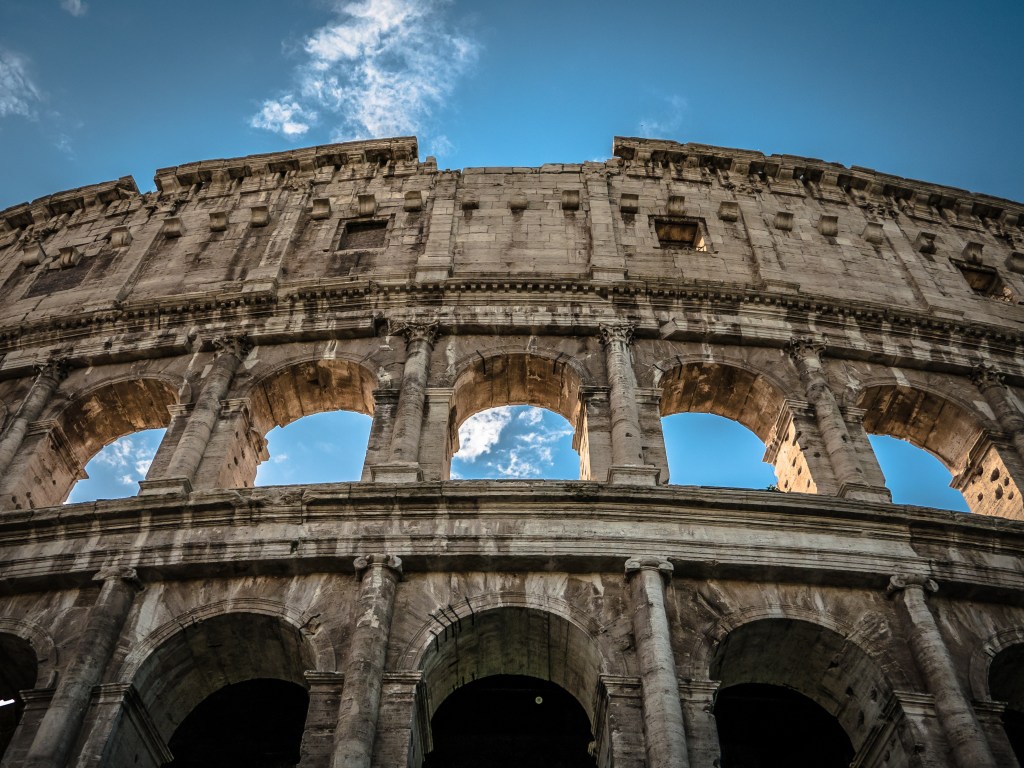
Rome’s Coliseum. Picture shared by Jessica Caceres.
Tips for Planning Your Trip to Italy
As you plan your trip to Italy, there are some general travel tips you should follow, Mocci recommends:
—Begin to plan your trip 6 to 8 months in advance so you have more options and better prices.
—Keep a running list of useful information and points of interest about your destination, such as attractions, museums, bars/restaurants, streets, etc.
—Buy those museum ticketsahead of time. “During high season, tickets for the most famous museums sell out quickly and need to be booked in advance. This will help you save some time,” Mocci says.
—Double check schedules in advance. Some museums and cultural sites may be closed when you least expect it, especially in small towns or outside of peak season.
—Don’t overplan. “Leave space for unexpected discoveries and improvisation, and make sure to leave time to rest, enjoy a coffee in a nice bar, or take a leisurely walk through the center,” Mocci says.
Mocci shares some final wise thoughts: “Travel isn’t about ticking boxes, it’s about finding experiences that feel meaningful to you,” Mocci says. “What one traveler enjoys might not suit another, and that’s what makes every trip personal.”
To contact Byways of Italy about your Italian trip, find them online at BywaysofItaly.com. You can also message them through the following contact form on their website.
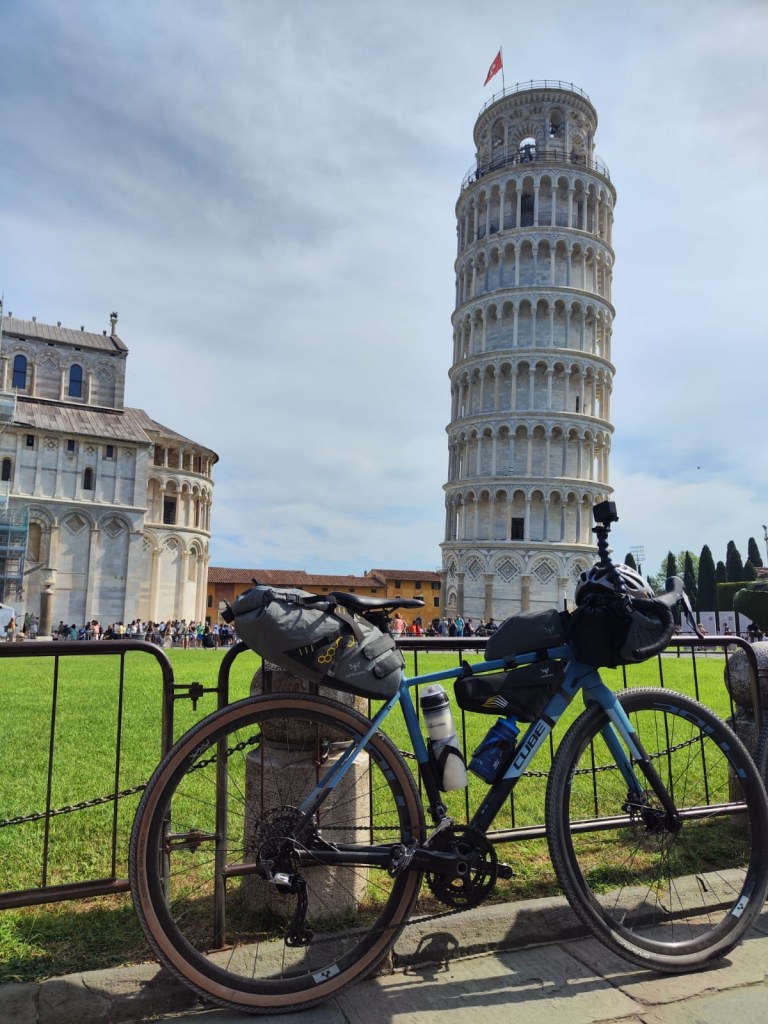
Viewing Italy’s scenery by bike, including the Leaning Tower of Pisa in Pisa.
Imagine gliding your way through Italy’s smaller, quieter towns by bike, avoiding the hustle and bustle of packed cities. You get to enjoy fresh air, bellissimi panorami (beautiful views), and local cuisine.
That’s exactly what two residents of northern Italy did in summer 2025. Read on to find out what type of planning this special trip took, what were some of the highlights, and how seeing Italy by bike made them appreciate their country even more.
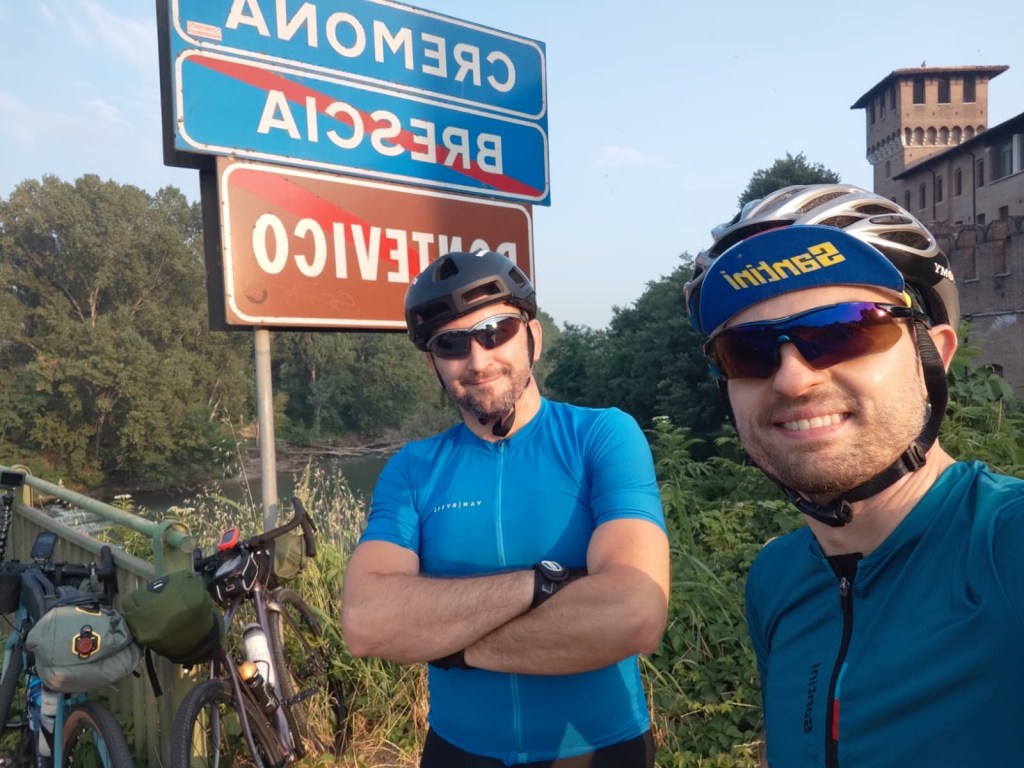
Fabio B. (left) and Ernesto G. (right) of northern Italy, on their summer 2025 bike ride through Italy.
Ernesto G. and Fabio B., both of Brescia, Italy, are long-time bikers. After taking a successful long-distance bike trip in 2023 (843 miles/1,357 kilometers and 16,000 meters of elevation) throughout Italia, they enjoyed it so much that they set their sights on a new trip that covered 976 miles/1,571 kilometers and 18,000 meters of elevation.
These guys aren’t just weekend warriors. They brought athleticism to their trips, with Ernesto swimming competitively in the past and also doing trail running, ski mountaineering, and climbing as well as other long-distance bike trips in the past.
“Cycling is my favorite exercise,” Ernesto says. “I have a strong desire to explore new places, and doing it by bike makes me feel alive and happy.”
That sense of wanderlust is also what led him to pursue the recent long distance bike trips through his home country. He says he loves geography and wants to get to know as many places as possible.
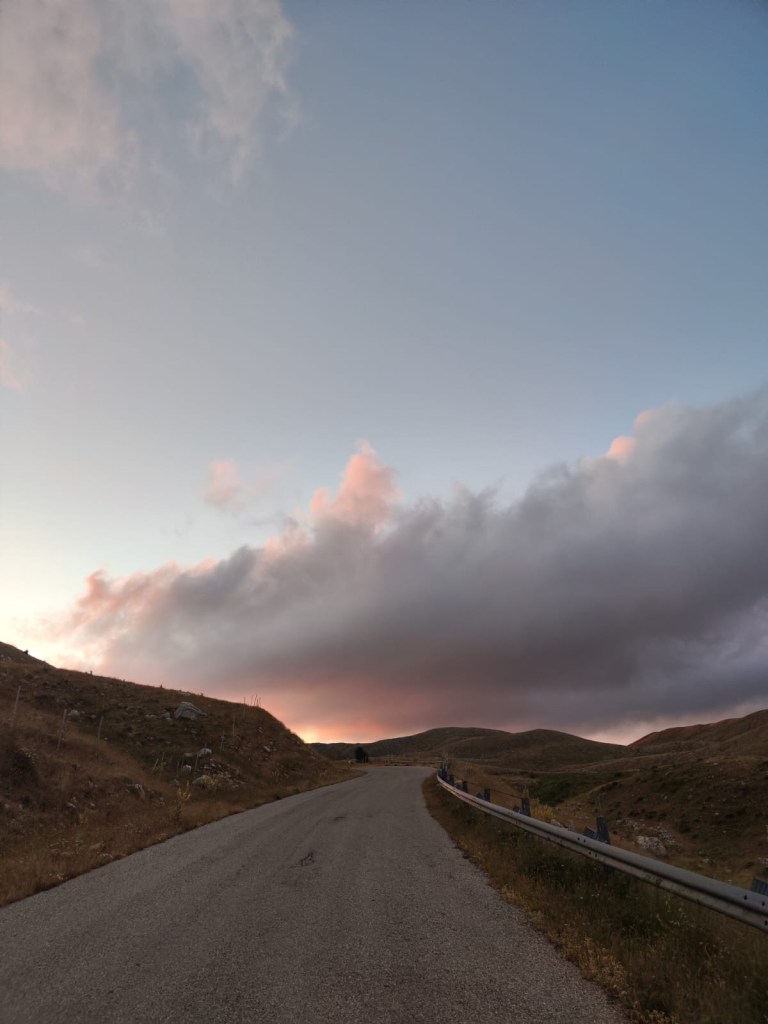
An early morning view during a bike ride through Italy.
Of course, planning a bike trip that would take Ernesto and Fabio from the town of Bagnolo Mella near their hometown of Brescia all the way to Lecce in south Italy is not something they could just wake up and do spontaneously. Ernesto says that trip planning involved the use of Google Maps, Google Street View, Basecamp, and various other online tools to create a route. Using those apps, he could target roads that are better and safer for bikers.
The pair planned in advance to leave nothing to chance and to enjoy overnight stays with showers and comfortable beds. “Cycle tourism is also practiced by those who don’t plan anything in advance, sleeping in tents without a daily destination but only a route to follow,” he says. That wasn’t their plan, but it may work for others. “You have to experience cycle tourism according to your own personality,” he says.
In his newest trip, he and Fabio wanted to go straight toward south Italy and reach some specific destinations, including new cities, mountains, and valleys they did not visit before. Most of the time they planned to avoid big cities, although they weren’t completely off the planning table.
Starting the Trip
The trip took about two weeks, with an average of 104 kilometers/65 miles each day. Although they initially biked longer distances, they eventually reduced that amount due to elevation gains.
The bike ride took them through towns that were charming and quaint like much of Italy, but much less crowded.
Enjoying the scenery, usually at a relaxed pace, was a highlight of the bike ride.
“We stopped to enjoy the views many times to photograph landscapes and towns,” Ernesto says.
Since the trip was during the summer, the heat was a challenge. Sometimes the temperature would reach the mid-30s Celsius or near 100 Fahrenheit. They would often leave their overnight stay in the wee hours of the morning to get ahead of the heat. “There was a strong heat in Italy during those days, but luckily it was too hot just the first day and on the coast,” he says.
On the type of route they followed, encounters with stray dogs also were a potential threat. However, they only saw them in two or three places.
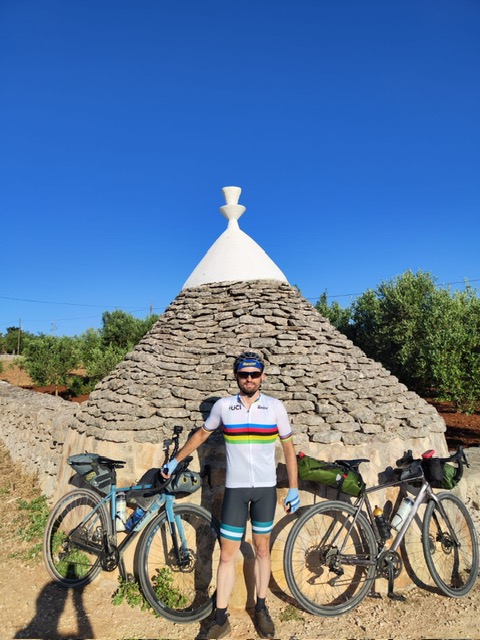
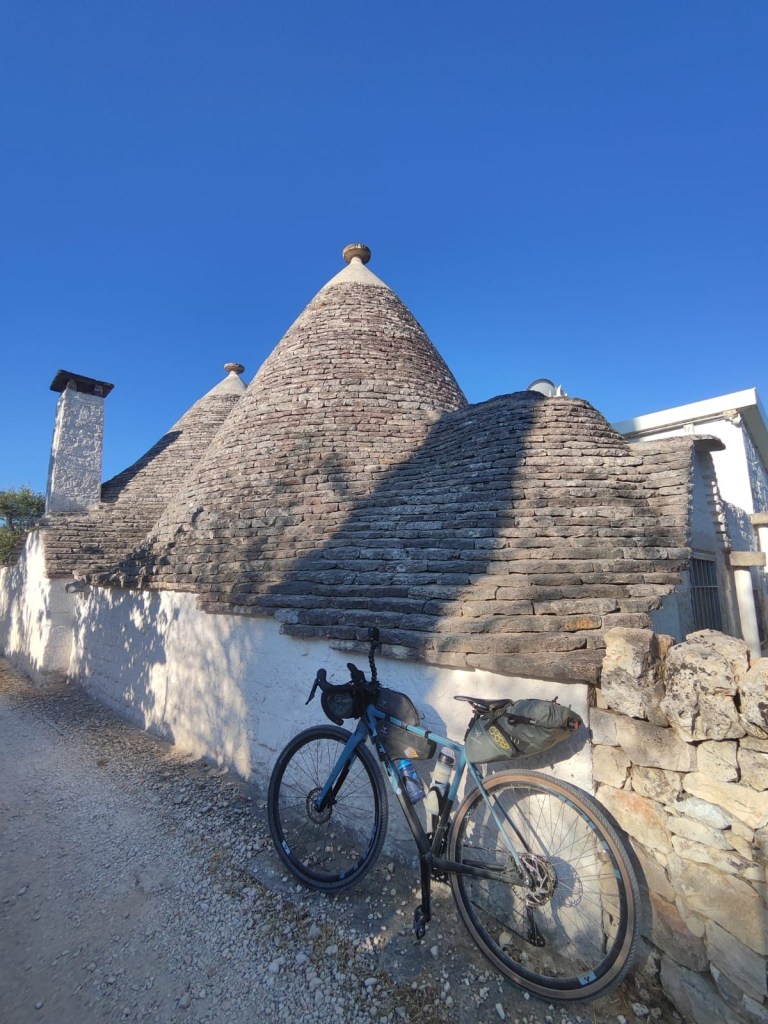
The bike trip took Ernesto and Fabio through some famous Italian destinations, including Pisa with its Leaning Tower of Pisa; Matera, known as the oldest city in Italy; and Alberobello, which has a series of homes called trulli, with domed roofs that date back to the mid-14th century. Both Matera and Alberobello are UNESCO World Heritage sites.
When the tiring but exhilarating trip was over, Fabio and Ernesto returned home by train.
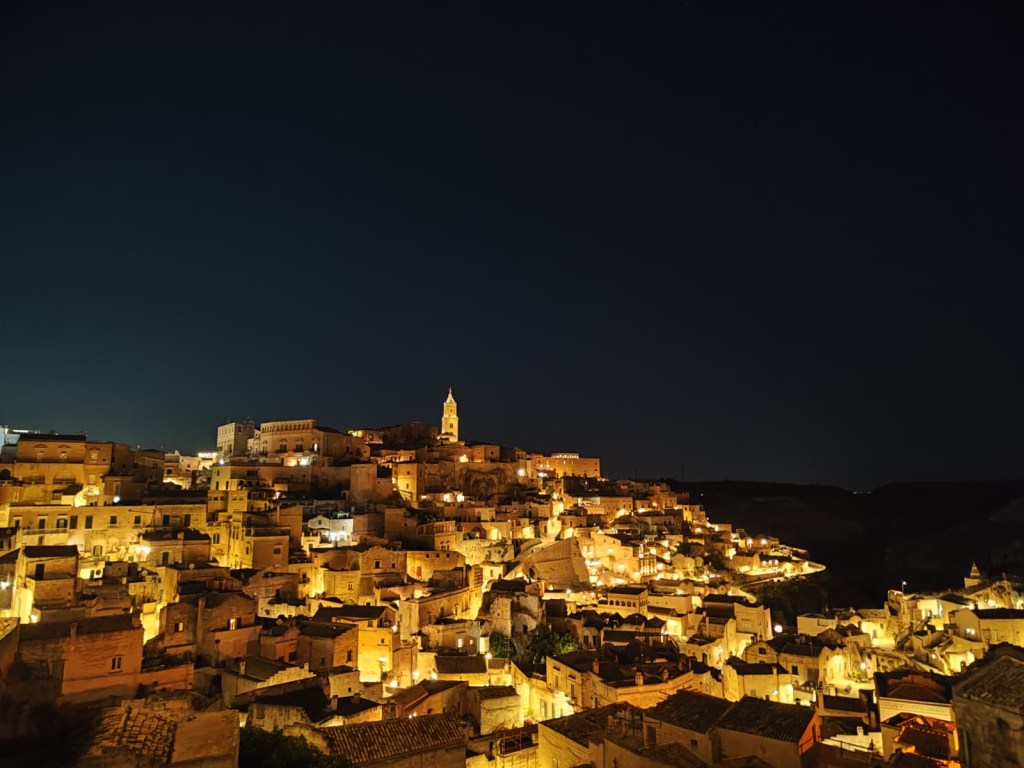
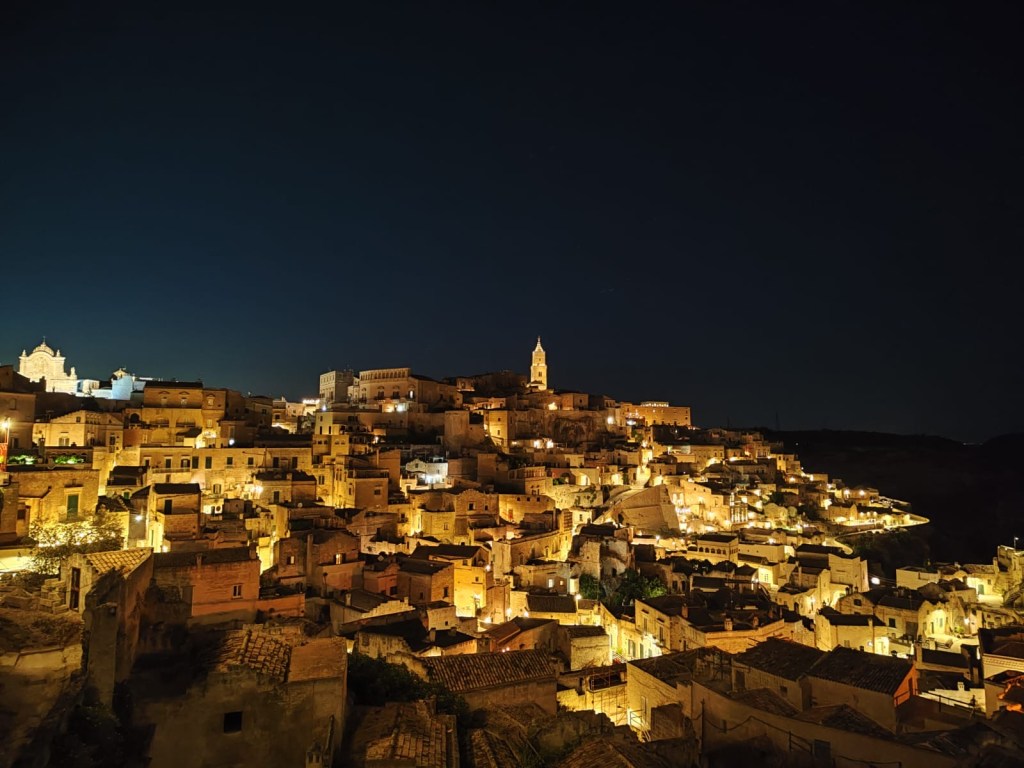
A nighttime view of Matera, Italy’s oldest city.
Reflecting on the Journey
One surprising point for Ernesto was the diversity of dialects he found in their home country. “I was impressed at how dialects drastically change in just a few kilometers,” he says.
Although Italian is the main language of Italy, the country actually has several dozen recognized languages and dialects. Ask any Italian you meet, and they most likely know both Italian and another language or dialect (or at least a few words of it) they’ve used in their hometown and with family members.
There were also several towns among their favorites:
—Berceto, in the Emilia Romagna region, located in the Apennine Mountains. “It’s a little old town in the mountains with beautiful views and fresh, clean air,” Ernesto says.
—Castiglione della Pescaia, in the region of Tuscany on the coast. The town has a medieval castle to visit, narrow streets, and sea views.
—Lecce in the Puglia region, with its Baroque style, Roman Amphitheater, Cathedral, Bell Tower, and more. “All places definitely worth a visit,” Ernesto says.
—Pitigliano in the Tuscany region. This medieval-style town was built on volcanic tuff and has well-kept alleys and squares as well as a Roman aqueduct fountain.
—Barrea in the Abruzzo region, located on Lake Barrea. “Its mountains, old town, castle, and narrow streets make it a must-see,” Ernesto says
More long-distance bike trips are slated for the future, Ernesto says. The next trip is planned for Italy’s Dolomites region in north Italy, with future trips in south Italy, including the regions of Campania, Calabria, and Sicily.
“Traveling by bike makes me feel so good,” he says. “It gives me freedom. I think I’ll always travel by bike because I’m basically an explorer.”
Advice for Future Bikers
If you are thinking of a long-distance bike trip in Italy or elsewhere, Ernesto shares some advice:
Start with shorter trips to get used to the pace of longer distance rides.
Train for at least five to six months before your departure.
Learn how to create routes and not just blindly rely on navigation apps. “Study maps and check roads on Google Street View,” he advises.
Pack lightly.
Invest in a good navigation advice; one pick he likes is the Garmin Edge 1040, which is a GPS created for biking.
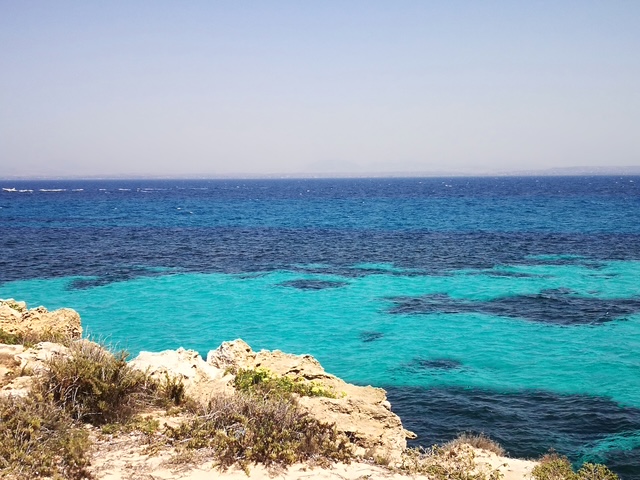
Sea views in Sicily. Picture shared by Stefania Lampedecchia. (@Slampe78).
Sicily, or Sicilia as it’s called in Italian, is the soccer ball-shaped southern island of Italy. Tourism to Sicily has increased in recent years, In fact, the island welcomed 5.5 million tourists in 2023, which was a 14.5% increase from 2022, according to this Reuters article. For comparison, the island’s total population is 4.8 million.
Italy is already well known for attracting visitors for its history, architecture, food (oh, the food), scenic views, and people. Still, just what is it that draws more and more visitors to Sicily? And how does it compare to visiting other parts of Italy? Italy Dreams wanted to explore these questions a little further to help give you guidance for your next trip planning to Sicily. Andiamo!
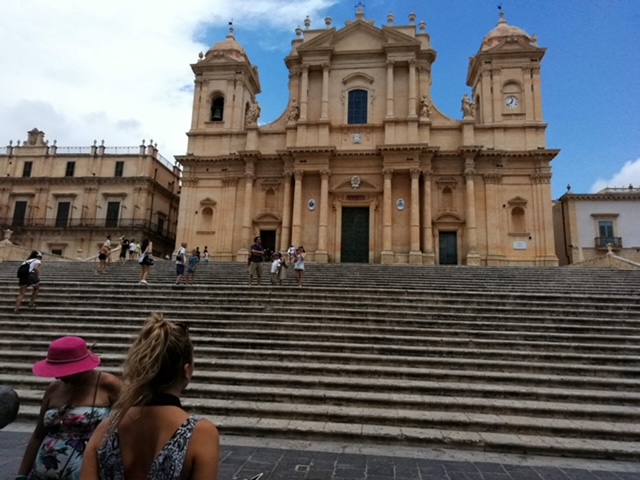
The town of Noto in Sicily. PIcture shared by Stefania Lampedecchia. (@Slampe78).
Sicily blends together an amazing mix of cultures.
Over time, Sicily was conquered by a massive mix of civilizations, including the Arabs, Greeks, Normans, Romans, the Spanish, and more.
“The result is a fascinating Mediterranean mosaic, a cultural ‘cocktail’ that is worth the journey,” says Daniele Panzarin, CEO of the Venice-based destination marketing company (DMC) Target Travel, which specializes in tailored and luxury travel experiences around Italy.
So, you’ll see this blend of cultures in Greek ruins in places like the Temple of Segesta, the Middle Eastern couscous dishes found around the island but especially in Trapani, and more. And Italian influences? Yes! There are many of those, too, of course. Yet you’ll often find people from Sicily identify first as Sicilian because of their unique history and heritage.
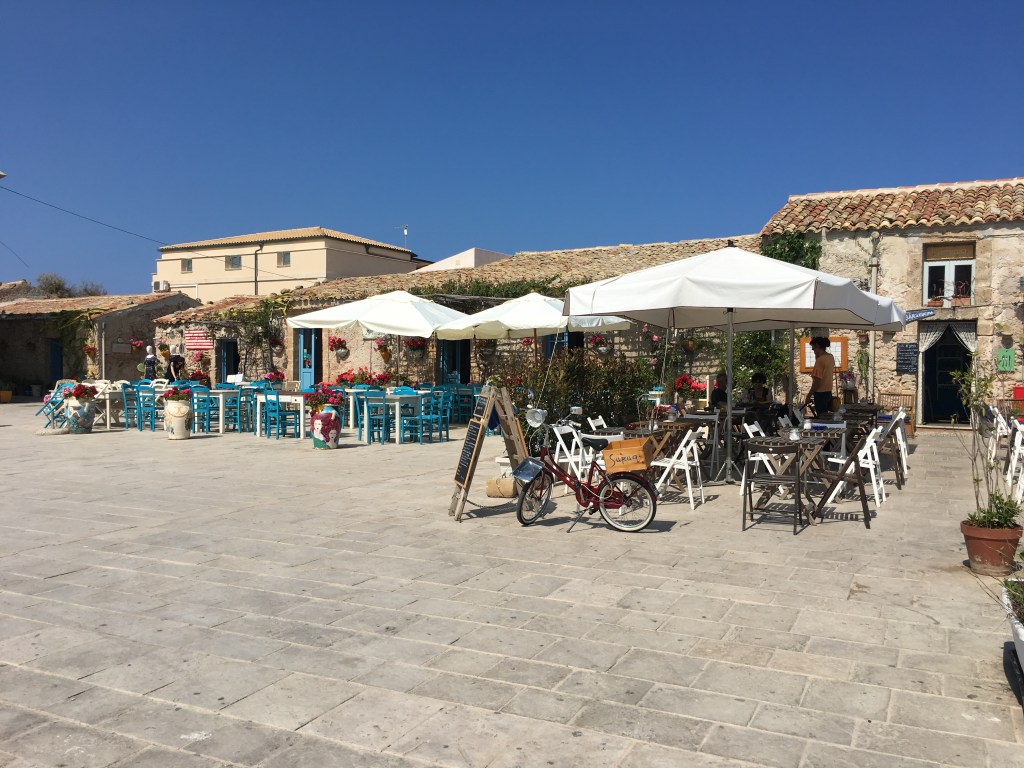
Marzamemi, a coastal town in eastern Sicily.
2. You’ve got all types of geography in a relatively small space.
Whether you want mountains or lovely beaches, small towns or bigger cities, you can find it in Sicily. For good measure, there’s a volcano thrown in there as well–the famous Mount Etna. “Locals simply call it ‘a Muntagna,’ or ‘the Mountain,’” Panzarin says. “It’s the island’s symbol, its heartbeat and soul, ever-present in the lives of Sicilians.”
You may be able to find this blend in other Italian regions, but it’s often surprising to people that so much geographical diversity is available in a relatively small space. If you were to drive straight through from east to west, it would take you about 3 ½ hours or north to south in 2 ½ hours, for context.
“Compared to other regions, Sicily really offers everything: culture, great food, ancient history, beautiful natural landscapes, the sea, and volcanoes,” says Manuela Mocci, operator of Byways of Italy, a Rome-based DMC that creates customized Italy travel itineraries. Plus, friendly people, she adds.
Arrive hungry! The food experience in Sicily is world-famous.
3. The food experience is off the charts.
Let’s be fair. The food experience anywhere in Italy will likely be off-the-charts delicious. This may not be that different from elsewhere in Italy, but the quantity and quality in Sicily can still be a shock.
“You can eat delicious food all over Italy, but in Sicily the portions are huge, and the variety is just as impressive,” Mocci says. We won’t judge if you choose to eat a huge portion!
There’s also a major connection to eating local. “Sicilian cuisine is a celebration of authenticity and deep ties to the land,” Panzarin says. “It’s always been a zero-kilometer cuisine, and often even less. Many trattorias and restaurants cook with produce from their own gardens or from local farmers.”
Here are just some of the Sicilian foods you can try (we’ll explore these in more detail in a future article):
Arancine, or rice balls
Sfincione, a thick and spongy pizza often served as street food
Cannoli, the famous dessert item stuffed with fresh ricotta and topped with chocolate chips or pistachio (heaven help us, those must be so good)
Marsala dessert wine (Sicily has many wineries for various types of wine)
Pistachios, which are grown near Mount Etna
Blood oranges
Granita, a shaved ice dessert that’s sometimes also eaten for breakfast in the summer
Couscous alla Trapense (a couscous dish)
Pasta con le sarde, or pasta with sardines and fennel (as you may imagine, there are many fish and seafood dishes here)
Pasta alla norma, a pasta with tomato sauce and fried eggplant
All sorts of sweet treats with funny names, just too numerous to list here
Hungry yet? We are!
Street food is well-known in Sicily. “It’s an authentic, affordable, and delicious way to experience Sicilian flavors, much more common than in many Italian regions,” Mocci says.
Faro di Punta Secca/Lighthouse of Punta Secca, Sicily. Shared by Stefania Lampedecchia.
4. There are lots of smaller islands that you can explore.
When you think of Sicily, you probably think of the main island. Yet did you know that there are several islands that you can visit? They include the Aeolian Islands (made of seven islands, each with its own unique character), Ustica, the Egadi Islands, the Pelagie Islands, and Pantelleria. These islands are accessible by boat or ferry with varying distances from Sicily. For instance, Ustica is 60 kilometers from Palermo (on Sicily’s west coast), while Pantelleria is a six-hour ferry ride from Trapani. If you want a more remote experience, consider checking out one of these islands.
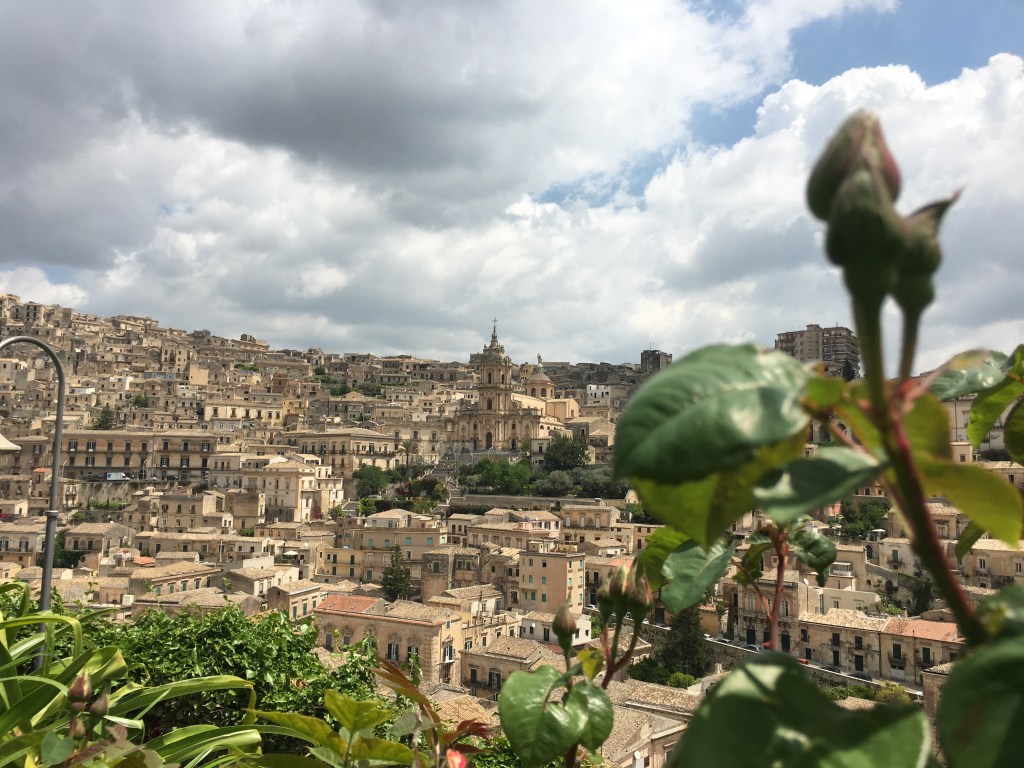
Modica, Sicily. Picture shared by Target Travel.
Tips for Your Sicily Visit
Now that you know more about Sicily and perhaps you’re searching online for flights there, we wanted to share a few tips for trip planning. Here are a few suggestions to ensure you’ll have a great trip to Sicily:
Consider joining a tour. Although Sicily is safe and you can explore it on your own, there’s something to be said about relying on expert guidance. “A thoughtfully planned itinerary or a local guide allows you to experience its soul through art, history, and cuisine,” Panzarin says. Doing a tour also can save you planning time, if you don’t have the time or patience to map out an itinerary for yourself and your travel companions.
Think about weather. Just like anywhere in the world, weather is a factor for your visit. Most agree that the best times to visit are mid-September, October, and the spring months. July and August can be tough because of how hot it gets. However, this doesn’t mean you should rule out a winter visit. “Traveling from November to March can still be a good option because prices are lower, there are fewer crowds, and the weather is still mild,” Mocci says. Just find out the schedule in advance of any must-see destinations, as sites often have fewer hours in off-season.
Consider renting a car outside of the cities. Highway driving in Sicily is usually easy, so it’s common for visitors to rent a car and explore more. However, travel experts often advise against renting a car when in bigger cities like Palermo and Catania as driving there can be chaotic. Driving also can be a challenge in some mountainous areas with hairpin turns. You can use trains or buses to some extent in Sicily, but options may be limited compared with other Italian regions. A private drive is another option, although it will cost more.
Learn a little bit of Italiano. This is always helpful when traveling in Italy for obvious reasons. Yet compared to big cities like Florence, Rome, or Venice, knowing a little Italian can be even more helpful. In some Sicilian small towns, English may be less common. “Locals will appreciate the effort, and small towns are amazing,” Mocci says. The Sicilian language is also widely spoken in Sicily; it has its own distinct grammar and pronunciation from Italian.
Consider using guidebooks in addition to online videos and articles for Sicily info. Rick Steves Sicily and the Lonely Planet Sicily guide are particularly useful.
Have fun! “People are generally more open, friendly, and curious towards visitors,” Mocci says. “This attitude is very present, most locals are welcoming, helpful, and generally interested in others.”
In future articles, we’ll share more details about Sicily’s specific destinations and, of course, the food. Ci vediamo in Sicilia/see you in Sicily!
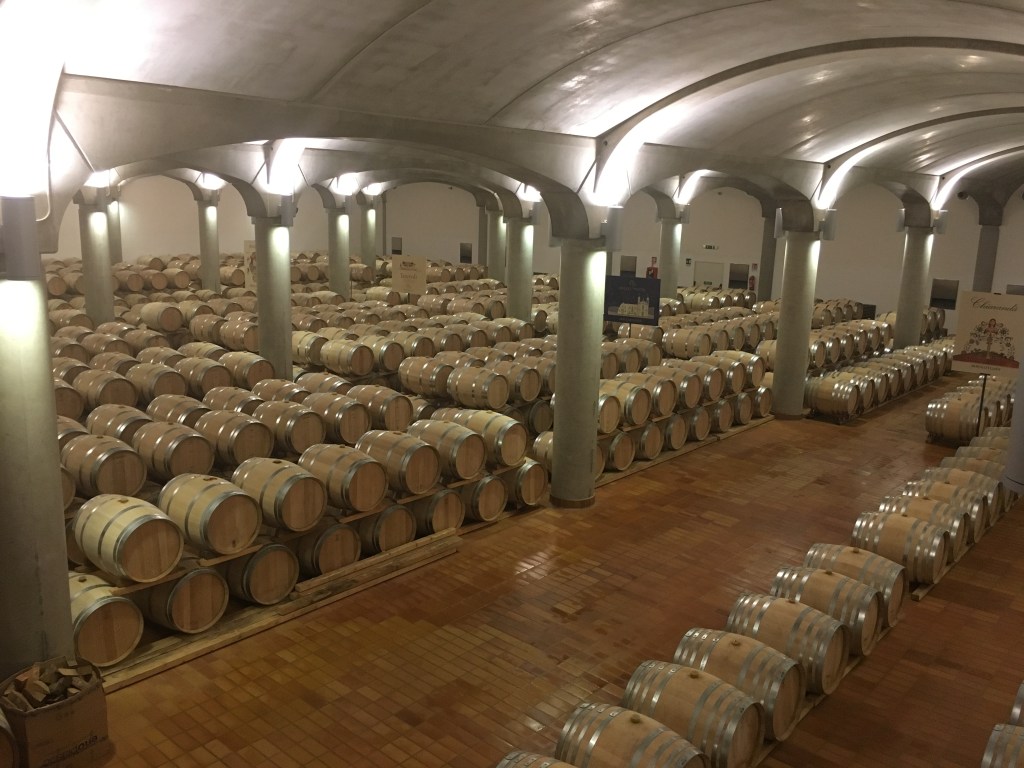
Donnafugata Cellars in Marsala, Sicily. Picture shared by Target Travel.
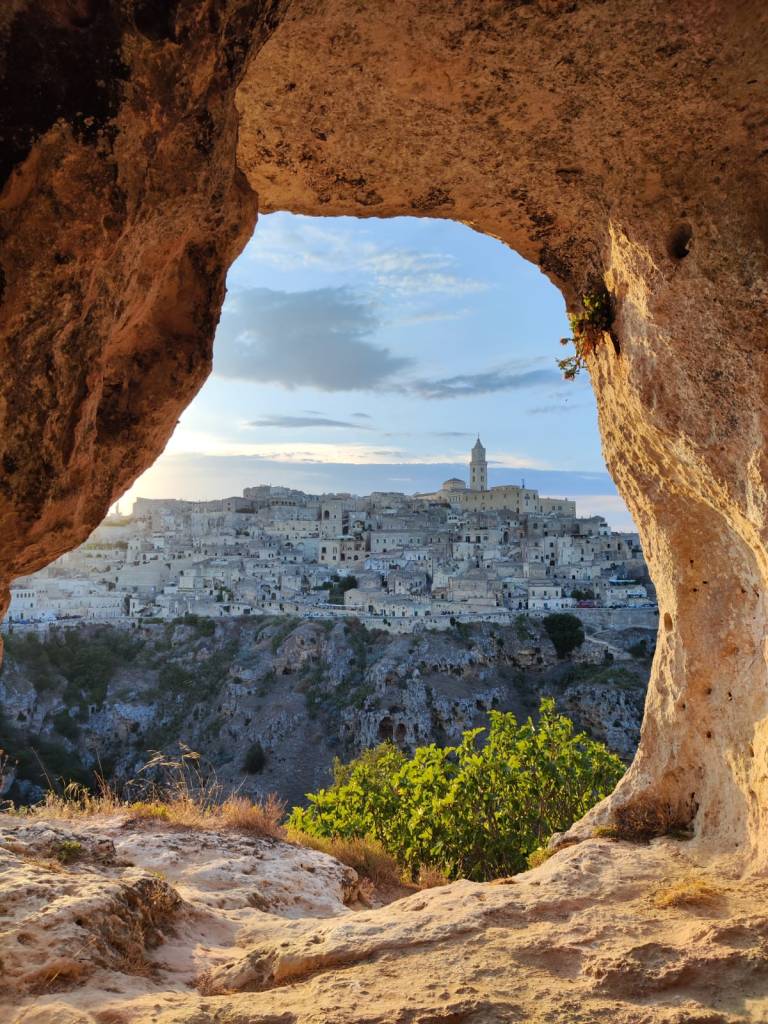
Beautiful Matera in the Basilicata region of south Italy. It’s one of the oldest continuously occupied cities of the world.
Did you know that 70% of tourists to Italy go to just 1% of the country–namely, Florence, Rome, and Venice? Of course, these cities have a wealth of history, food, and culture (we even shared some foodie facts from our Florence visit in this post).
Yet let’s face it, getting stuck in the heat and crowds is NOT fun.
So, in the spirit of Italy Dreams’ mission, we share here five destinations in Italy that are popular among Italians themselves. That’s not to say you won’t find other U.S., British, or other foreign tourists in these beautiful places–but there will be far fewer compared to places like Florence, Rome and Venice.
Andiamo! Let’s go!
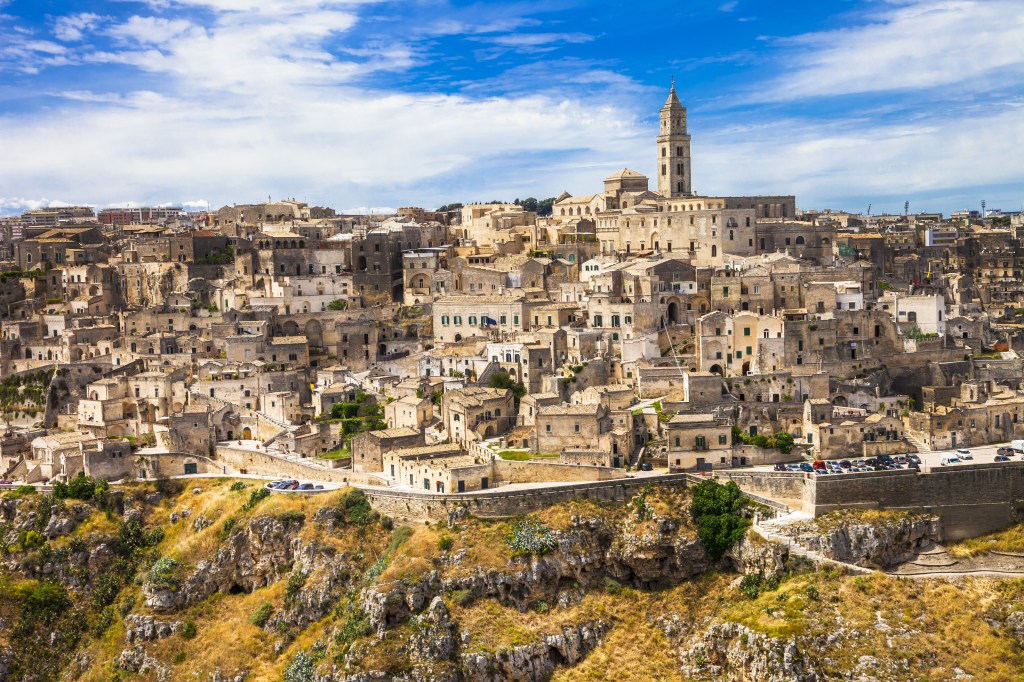
A nighttime view of the historic town of Matera, Italy.
Matera
If you like history, the town of Matera will take you in the way back machine–as in waaaaaayyyyy back. It’s the oldest city in Europe, and one of the oldest continuously inhabited areas of the world–we’re talking history that goes back to 7500 B.C. The 2004 movie “The Passion of the Christ” used Matera as a backdrop.
This history and the city’s unique look naturally drives visitors to this Southern Italian town, located in the region of Basilicata. Matera is about 2 hours from Naples, depending on how you get there.
Here are just some of the things that native Italian visitors do in Matera–and that you can do, too:
—Visit the Sassi di Matera, or stones of Matera, which are declared a UNESCO World Heritage Site. This is an ancient settlement area with alleyways, caves (providing great views of the town itself), gardens, and tunnels.
—Check out The Bread Museum (I Segreti del Pane di Matera). Discover what makes bread from Matera so special and how it ties into the area’s history. It will make you hungry–good thing you’re in Italy!
—Get a stunning view of Matera’s caves from the Pascoli Square Belvedere (Pascoli Square Belvedere). Named for the 19th-century Matera poet Giuseppe Pascoli, you’ll find a balcony that provides a lovely view of the Matero Cathedral, Civita Caves, and part of the stone districts of Matera.
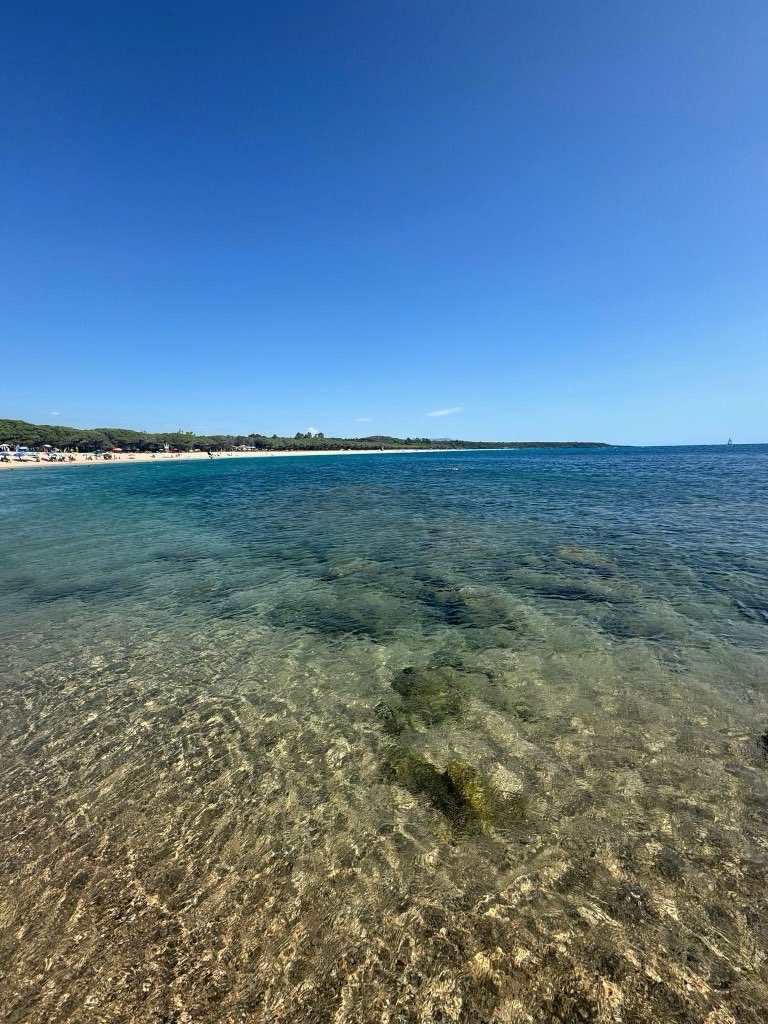
A beautiful beach in Sardinia, Italy.
Sardinia
We’re sure you’ve heard of Sicily, but have you heard of Sardinia? Think of this island region of Italy as Sicily’s wilder sister. It’s located in the Mediterranean Sea, south of the French island of Corsica and west of Italy’s mainland.
Sardinia is the second largest island in the Mediterranean, second only to Sicily, and has a population of 1.7 million. That may sound like a lot, but it’s actually one of the most sparsely populated regions of Italy.
Life’s just a little different in Sardinia, Italy.
So, just what can you do in Sardinia? Here’s the scoop:
—Eat a lot of Pecorino cheese. Despite its many kilometers/miles of coastline, Sardinia is actually better known for sheep farming than it is for fishing. All of that sheep farming leads to a lot of Pecorino cheese, made from sheep. Other foods you might enjoy in Sardinia include malloreddus, a type of Sardinian gnocchi; pane carasau, a crispy bread; and seadas, a fried pastry with cheese and honey.
—Go to the beach. With about 1,200 miles (yes!) of coastline, Sardinia is a natural choice if you consider yourself a beachgoer. Spiaggia di Maria Pia (hailed as a family-friendly choice), Golfo di Orosei (with gorgeous coves), and Spiaggia della Pelosa are just a few possible choices.
—Take a wine tasting tour in Sardinia. After all, wine is just one factor in what makes Sardinia one of the Blue Zone areas of the world–areas with longer longevity and good health. In Sardinia, that’s due to a healthy diet, physical activity that’s a part of daily life, social connections, and of course, some vino.
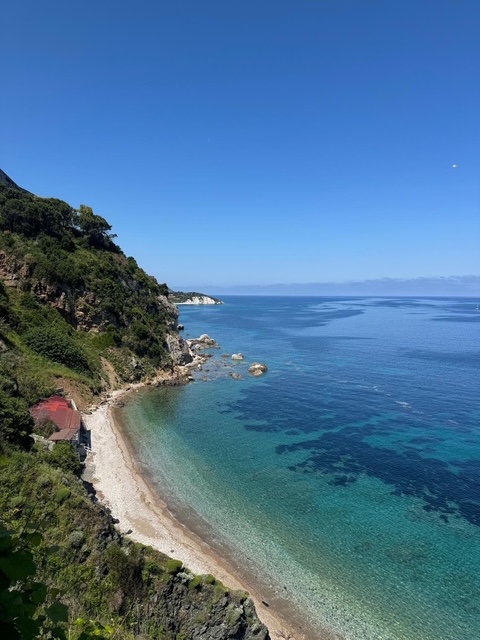
A stunning beach on Isola d’Elba/Elba Island.
Isola d’Elba
This beautiful-sounding name translates to Elba Island in English. It’s located off the coast of the Tuscany region, which is already well-known for wine, Florence, and Pisa. Visitors typically get there by taking a ferry from the town of Piombino (about an hour, depending on where you’re going on the island).
Isola d’Elba is a great choice if you want a quiet destination with history, says Alessandro N. of Brescia, Italy, who was there earlier this year (he also provided the island photos with this article and the photos of Sardinia). He says the mix of history along with natural landscape made it a laidback destination.
The town of Portoferraio on Isola d’Elba.
Here are some other things you can do in Isola d’Elba:
—Follow Napoleon’s footsteps on the island. Napoleon was exiled to Isola d’Elba for 9 months in 1814, but he left a big mark on the island. Visit the Mercy and Napoleon Relics Museum and the Villa Dei Mulini, for instance–the latter of which was his primary residence while spending time there.
—Take a bike ride, buy yourself some bread and fresh fruit, and check out a few of the seaside towns. This lovely-sounding plan is recommended by the website Italy Segreta (Italy Secret), in its article “A Local’s Guide to Elba Island.” You may want to check out their site for a few more tips.
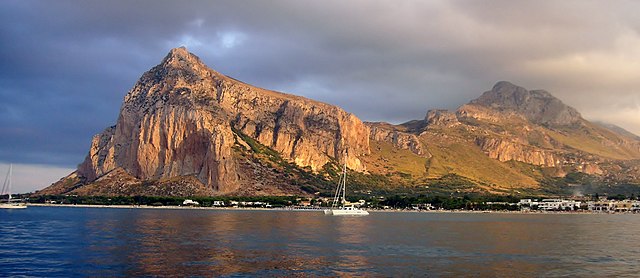
San Vito Lo Capo in Sicily, Italy (picture used from Wikimedia Commons).
San Vito Lo Capo
Sicily has many idyllic beach areas, but one local favorite is San Vito Lo Capo. Located about 2 hours from Palermo, San Vito Lo Capo features stunning beaches and lots of nature. We read that it gets busy in the summer, so we’re not billing it as a complete escape from tourism (including in August, when many Italians take off for a few weeks). However, a little bit of crowding may be worth the visit.
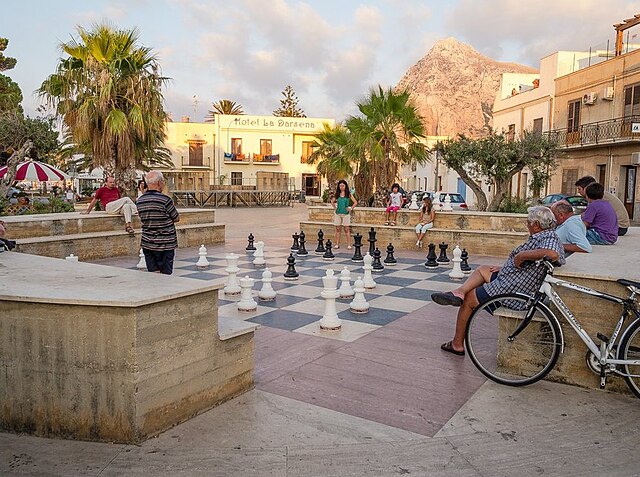
A chess match in San Vito Lo Capo, Sicily (picture taken from Wikimedia Commons).
Here are just some of the things you can do in San Vito Lo Capo in Sicily:
—Take part in all types of water activities, like boating, snorkeling, or, of course, just lounging on the beach.
—Indulge in typical Sicilian dishes. One cool thing about Sicily is that it blends together different cultural influences from around the world. This is especially clear in its food, where you can enjoy dishes like couscous, tuna, and caldo freddo (a type of Sicilian ice cream) during your visit.
—Visit the San Vito Sanctuary, a monument and symbol of the town The site WeArePalermo provides more background about the sanctuary’s history–and a well-written, amusing guide to San Vito Lo Capo.
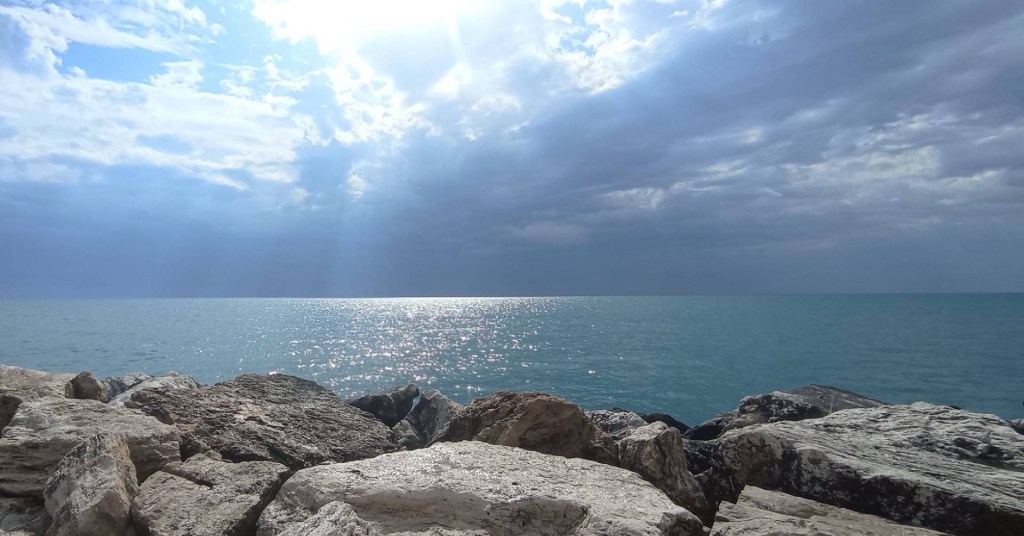
Seaside views at San Benedetto del Tronto, Italy.
San Benedetto del Tronto
If you want a mix of seaside views, seaside cuisine, and an artsy feel, your next destination should be the underrated San Benedetto del Tronto, located in the Italian region of Marche on the country’s eastern coast.
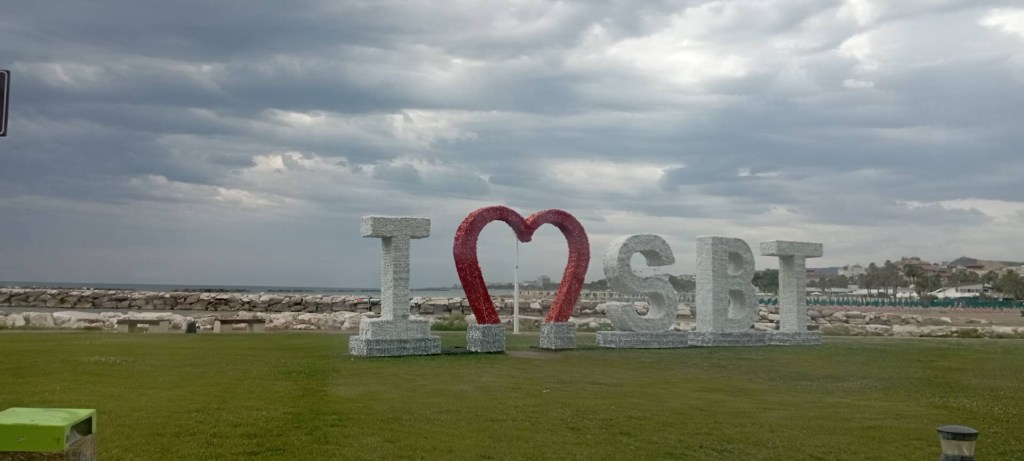
Find this and other sculptures and artwork in San Benedetto del Tronto, Italy.
Here are a few things to do when you’re in SBT:
—Visit the Museum of Art on the Sea (Museo del Mare), an open-air museum on the pier with sculptures and paintings. Take pics, and talk with your travel partners about which artworks are your faves.
—Explore the boardwalk by foot or bike. It’s nearly 6 kilometers (nearly 3.7 miles), so you’ll have plenty to see and do.
—Enjoy a meal! San Benedetto del Tronto has some great seafood, according to Verena, a resident of Val Badia, Italy. She was in SBT recently and recommends the Brodetto alla sambenedettese, a type of fish stew that’s typical of the region. (Verena also provided the photos we’re sharing of San Benedetto del Tronto).
For any of these places, do your homework in advance. These towns and regions may not be bombarded with tourists like the big cities, but they can still get busy, especially in the summer. Check online for best times to visit and any other tips.
Stunning Matera in the Italian region of Basilicata. Matera is a UNESCO World Heritage Site and famous for caves and ancient history. All pictures with this story are shared by Target Travel.
How would you like to see the historical sights of Rome, Italy, at sunrise—where you can beat the crowds and capture some amazing pictures?
Or, what about a food-focused tour of Italy where you literally follow a food from where it’s grown or produced to where it’s ultimately enjoyed on someone’s table?
Or, take a local market tour and cooking class with an Italian chef?
Those types of unique ideas and many more are what Target Travel offers.
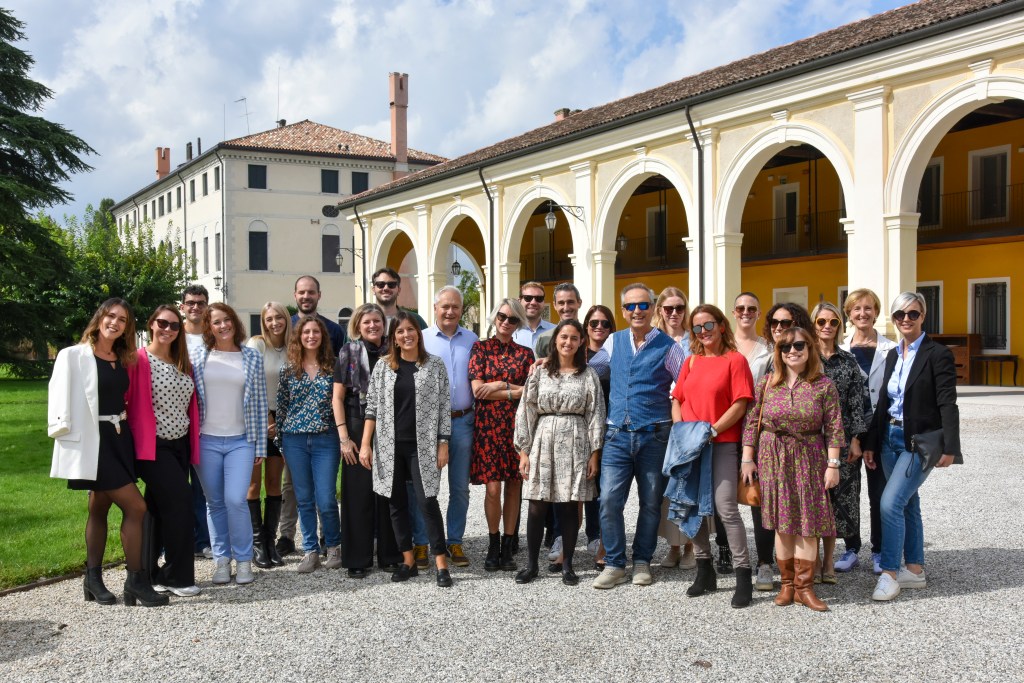
The team at Target Travel.
Target Travel is a family-run, Venice-based DMC (Destination Management Company) that’s been tailoring tours and experiences since 1985, founded by CEO Daniele Panzarin.
What sets Target Travel apart from many other DMCs is the feeling of being at home when working with them. You can truly sense the pride they take in helping people discover the most authentic and unique side of Italy.
With a team of 26 professionals, the company proudly retains the spirit of a boutique destination management company—with deep experience and a warm, family-like atmosphere, where strong interpersonal relationships are always the foundation of everything they do.
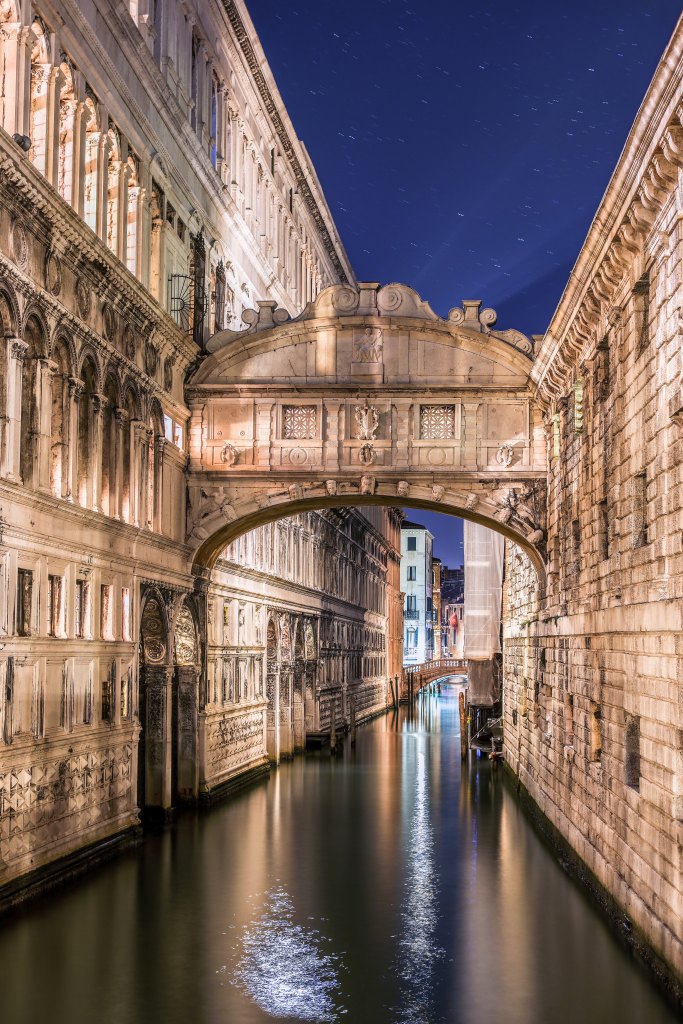
The Bridge of Sighs, Venice Italy.
2025 is a special year because Target Travel is celebrating its 40th anniversary—a significant milestone that adds even more prestige to the company.
Target Travel focuses on bespoke tours (tailored tours for couples or families, for instance) and custom small groups (12 to 15 people) looking for unique tourism experiences around Italy. The type of traveler interested in Target Travel tours is usually a U.S.-based premium or luxury traveler wanting to visit Italy. In all situations, the experience is tailor-made for the visitors.
Taormina, Sicily, Italy.
What Makes Target Travel Different
If you’ve visited Italy already, then you’re acutely aware of the large crowds in the country’s popular tourist destinations, such as Florence, Rome, and Venice. These crowds are present even outside of the summer, when tourism reaches its peak in Europe.
While you may still visit these larger cities on a tour with Target Travel, you’ll have the chance to see lesser known parts of these popular destinations. This could include a private viewing of paintings, a cooking class and a visit to a local market with a chef, or a tour to historic sights at sunrise before the crowds gather.
Of course, Target Travel also can take you to smaller cities and towns for unique experiences and fewer crowds.
Alberobello in the Puglia region of Italy. The town of Alberobello is famous for its white buildings.
“There are so many wonderful regions in Italy and nowadays, everybody says, ‘I want to go off the beaten path. I want to eat and travel like a local,’” says Lisa Zennaro, sales manager at Target Travel. “It’s fancy and trendy right now. But this is something that Target Travel has been doing since the beginning, when the company was founded.”
That long history also gives reassurance to travelers that Target Travel has the right expertise under its belt, both for its Italy knowledge but also for its administrative acumen. They’ll handle the small details so you as a traveler don’t need to worry about them.
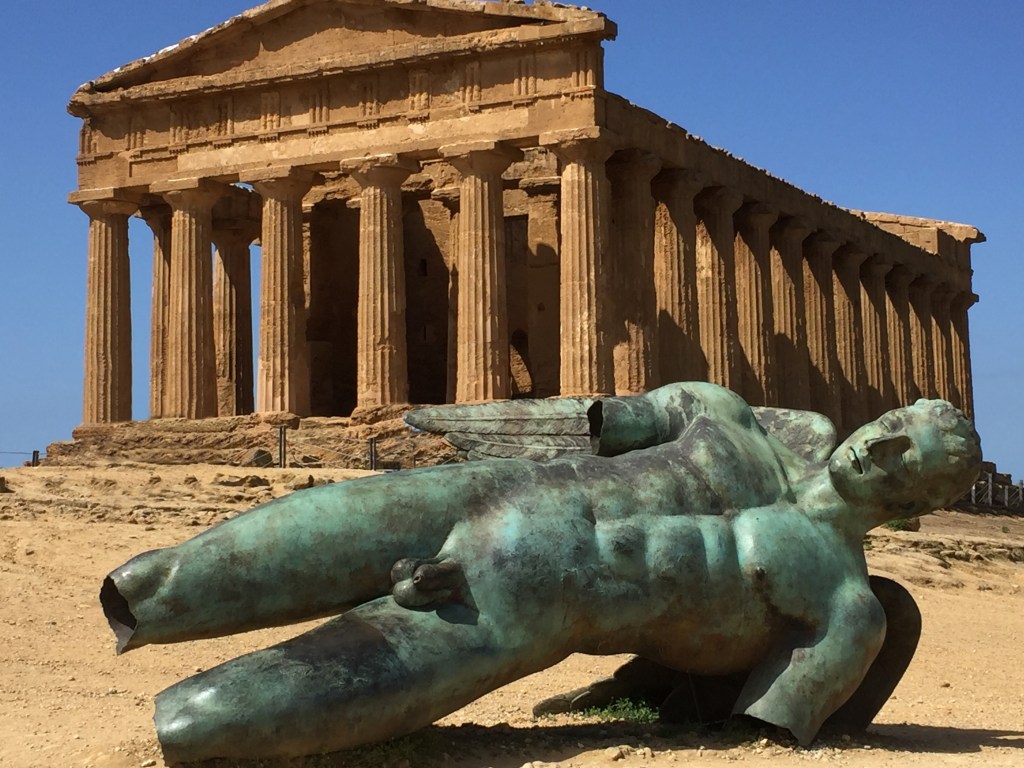
Valley of the Temples in Agrigento, Sicily, Italy.
Where Will You Travel in Italy With Target Travel?
Although Target Travel can tailor experiences and itineraries for free independent travelers (like couples and families) and small groups, it also has typical tours that it offers to popular destinations. Here’s a sampling of what Target offers from around Italy:
Italy’s Vibrant South tour covers Sicily and the region of Calabria in 13 days. You’ll fly into Palermo in Sicily and then make your way all around the country’s well-known island, including Marsala (famous for its wine), the Valley of the Temples, the luxe town of Taormina, and Calabrian coastal towns.
The Reign of Art and Gastronomy in Milan and Turin guides you in nine days to Milan’s famous Fashion District, the Turin Cathedral with the Chapel of the Holy Shroud, and the Truffle Fair, among other highlights.
The Experiential Women’s Journey traverses north Italy and Florence over 13 days. You’ll try wines in the Chianti region of Tuscany and take a bike tour from Siena to Montalcino, explore the highlights of Florence, learn all about cheese-making at the Museum of Parmigiano Reggiano (trying some delicious cheese), and see close up how Venetian masks are made in Venice!
Discovering Puglia takes a nine-day tour around south Italy’s beautiful Puglia region, starting in the Baroque city of Lecce (often called the Florence of the south), the fishing village of Gallipoli, Ostuni (famous for its white houses), Matera (one of the world’s oldest cities), and much more before flying out of Rome.
Umbria You Didn’t Expect offers a five-day tour around central Italy’s Umbria region, including the olive groves of Panicale, the medieval gates and buildings (and chocolate!) of Perugia, the 15th century paintings in Foligno, and a tour of one of Umbria’s finest farmhouses, specializing in cattle.
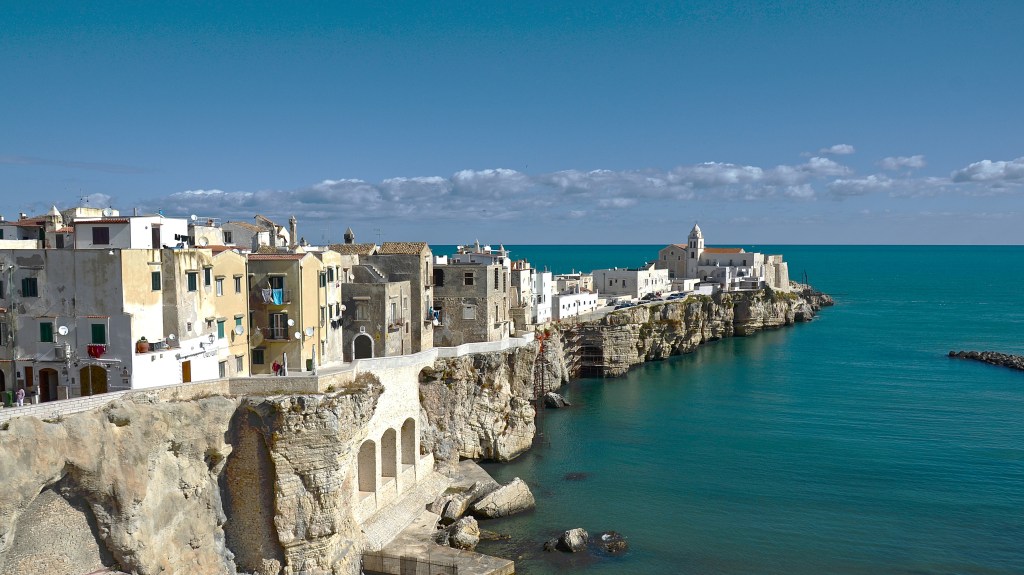
Vieste, Puglia, in south Italy. All pictures provided by Target Travel.
Of course, you can use these itineraries for inspiration and work with your travel agent to tailor your wonderful trips to Italy.
Target Travel works with travel agencies and independent travel advisors. Those in the travel industry who want to work with the company can find them online at Target.Travel.